Let's be honest. "Bedtime routine" sounds like another item on the endless parenting to-do list. Bath, book, bed. Seems simple. But when you're facing a crying infant or a toddler who treats their crib like a prison, that simple sequence feels like a cruel joke.
I've been there. Rocking for hours, sneaking out of the room only to hear the wail start the moment the floorboard creaks. The advice felt generic. The frustration was real.
Then I dug into the science and, more importantly, talked to veteran sleep consultants and pediatricians. I realized most of us miss the point. A bedtime routine isn't just a checklist. It's a predictable, sensory-based wind-down sequence that tells your baby's primitive brain, in a language it understands, that safe sleep is coming. Get this right, and you're not just putting a baby to sleep. You're teaching them a lifelong skill: how to transition from alert to rest.
What's Inside This Guide?
Why a Bedtime Routine is Non-Negotiable (It's Not Just About Sleep)
Think of your baby's brain like a busy airport at night. A routine is the air traffic controller. It gently guides all the arriving stimuli—the day's play, the last feed, the bright lights—into an orderly pattern of descent and landing.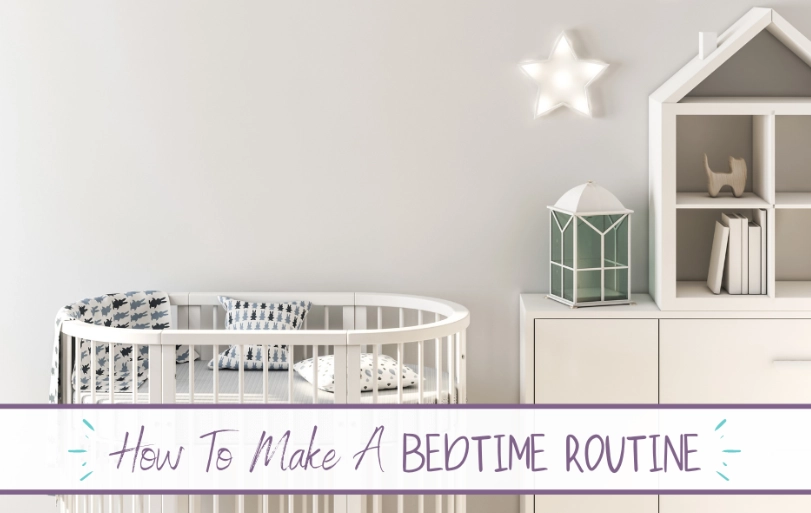
Studies, like those referenced by the American Academy of Pediatrics, consistently show that consistent bedtime routines are associated with earlier bedtimes, shorter time to fall asleep, reduced night wakings, and better maternal mood. It's a win-win.
But the benefit I find most compelling?Connection under low pressure.
During the day, interactions are often goal-oriented: feeding, changing, playing. The bedtime routine is a protected 30 minutes of pure, undivided presence. No phone. No to-do list. Just quiet connection through touch, voice, and rhythm. This security is the real foundation of good sleep.
Your Step-by-Step Baby Bedtime Routine Blueprint
Here's the framework. Times are flexible, but the order is sacred. This sequence strategically moves from high-stimulation to low-stimulation sensory input.
Phase 1: The Energetic Wind-Down (10-15 mins before the "official" start)
This is the transition from playtime. Dim the main overhead lights in the living area. Swap loud, active toys for quiet puzzles or blocks. The goal is to lower the overall energy in the house, not just the nursery.
Phase 2: The Core Routine (20-30 minutes)
1. Bath (5-8 mins): Warm water is a powerful cue. It raises body temperature slightly, and the subsequent cool-down mimics the natural dip in core temperature that triggers sleepiness. Keep it calm—no splashy pirate battles tonight. Use a mild, lavender-scented wash if you like (some studies suggest it can be calming).
2. Massage & Lotion (5 mins): This is gold. After patting dry, use a gentle lotion for a mini-massage. Firm, slow strokes on the limbs and back provide deep pressure proprioceptive input, which is incredibly organizing for the nervous system. Talk softly or hum. This isn't about technique; it's about calm touch.
3. Pajamas & Sleep Sack (3 mins): Do this in the dim nursery. A consistent sleep sack becomes a powerful sleep association. The act of dressing is another predictable step.
4. Final Feed (in the nursery) (10-15 mins): Whether bottle or breast, do this in the glider in the sleep space. Keep lights very low. The goal is to have the baby calm and drowsy, not fully asleep, when the feed ends. This is the single hardest but most important skill for long-term sleep.
5. Book & Song (5 mins): One short book. Your voice is the anchor. Then, a specific lullaby or song. The same one every night. This auditory cue becomes the final signal. I used the same three-line song for both my kids. To this day, if I hum it, they yawn.
Phase 3: The Put-Down (2 mins)
Say your key phrase. Something like "It's time for sleep, I love you." Place them in the crib on their back, drowsy but awake. A quick pat or hand on the chest, then leave. The routine has done its job. Now they practice the skill of falling asleep.
Tweaking the Routine: Newborn vs. Infant vs. Toddler
One size does not fit all. The core principles (predictability, sensory wind-down) stay the same, but the execution shifts.
Newborns (0-3 months): Routine is loose. Focus on differentiating day from night. A mini-version (change into PJs, dim lights, feed, swaddle, rock/sing) can start around 6-8 weeks. The "drowsy but awake" goal is aspirational here—just survive.
Infants (4-11 months): This is the golden window to establish the full routine outlined above. They are neurologically ready for predictability. This is when your consistency pays off in longer stretches of sleep.
Toddlers (12 months+): They need control. Offer limited, meaningless choices to avoid power struggles. "Do you want to wear the blue or green pajamas?" "Shall we read 'Goodnight Moon' or 'The Sleepy Bunny'?" The order of steps remains non-negotiable. You might add a step like "say goodnight to your toys." A night light becomes more important if they fear the dark.
The 3 Biggest Bedtime Routine Mistakes (And How to Fix Them)
After helping dozens of parents, I see the same three errors crop up again and again.
Mistake 1: Inconsistent Timing. Starting the routine at 7:15 one night and 8:45 the next confuses your baby's circadian rhythm. The pre-bedtime melatonin surge won't align with your efforts.
Fix: Pick a realistic bedtime and work backward. Aim for a start time within a 20-minute window every night. Yes, even on weekends.
Mistake 2: The Routine Ends With Baby Fully Asleep in Your Arms. This is the granddaddy of them all. If the last thing they remember is your cuddle, they'll need it again at 2 AM. The routine must end with them awake in their sleep space.
Fix: Move the final feed earlier in the sequence, or gently rouse them just enough after feeding so their eyes flutter open when laid down. It's tough at first, but it's the key to consolidated sleep.
Mistake 3: Overstimulation During the Routine. Tickling after the bath, playing peek-a-boo during diaper change, using a tablet for a "calming" video. This floods their system with cortisol and adrenaline, the very hormones you're trying to lower.
Fix: Audit your routine for hidden stimulation. Loud faucets, bright bathroom lights, animated voices. Dial it all down. Model calmness. Whisper. Move slowly.
Your Top Bedtime Routine Questions, Answered
The magic of a bedtime routine isn't in a fancy product or a secret trick. It's in the boring, beautiful consistency. It's the daily ritual that says, "The world is predictable. You are safe. It's time to rest." Some nights will be smooth. Others will be a mess. That's parenting.
But when you stick with it, you're not just fighting for sleep tonight. You're building a framework of security that helps your child navigate all of life's transitions, one calm, predictable step at a time.
Start tonight. Dim the lights, slow down, and just follow the steps. The results might surprise you.
Reader Comments