You know the drill. The clock ticks past 2 AM, then 3 AM, your mind a whirlwind of thoughts and a creeping dread about the coming day. Extreme insomnia isn't just about being tired; it's a state of hyper-alert exhaustion that feels inescapable. I've worked with clients who haven't had a solid night's sleep in months, trapped in a cycle of frustration. The standard advice—"drink chamomile tea, avoid screens"—feels like using a band-aid on a broken leg. It's not just unhelpful; it can make you feel worse, like you're failing at something that should be natural.
Let's cut through that noise. Dealing with severe, chronic insomnia requires a systematic rewiring of your sleep system. It's part behavioral, part psychological, and entirely actionable. This isn't about quick fixes that fade by next week. It's about building a sustainable foundation for sleep, even when your brain feels like it's permanently stuck in 'on' mode.
What's Inside This Guide
Understanding Extreme Insomnia: More Than Just "Can't Sleep"
Clinically, chronic insomnia disorder means having trouble falling or staying asleep at least three nights a week for three months or more, plus significant daytime impairment. The fatigue, brain fog, irritability—it's real and measurable.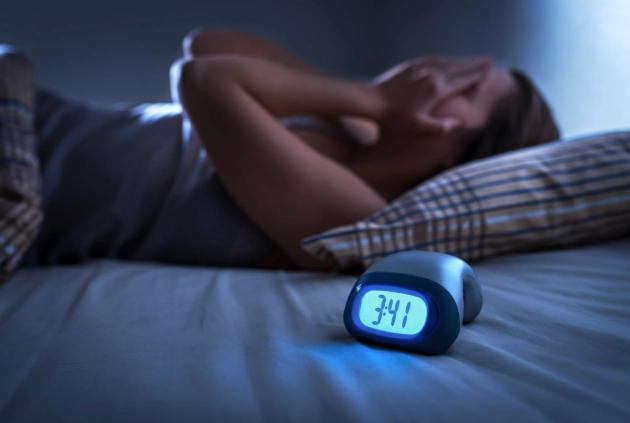
But the label isn't as important as the mechanism. Extreme insomnia often boils down to a perfect storm:
- Hyperarousal: Your nervous system is stuck in fight-or-flight. Cortisol and adrenaline patterns are off, making you feel wired at night. This isn't just "stress"; it's a physiological state.
- Conditioned Anxiety: Your bed has become a cue for anxiety, not sleep. After enough nights struggling, simply getting into bed triggers a stress response. This is why you might fall asleep easily on the couch but bolt awake the moment your head hits the pillow.
- Sleep Effort: You're trying too hard. Sleep is a passive process. The more you desperately chase it, the further it runs. Phrases like "I must sleep tonight" are kryptonite.
Most online advice fails because it only addresses sleep hygiene (the environment) while ignoring this powerful psychophysiological loop. You can have perfect sleep hygiene and still lie awake for hours.
A Non-Consensus Point: The biggest mistake I see? People extending their time in bed, hoping to catch a few more winks. This is catastrophic for extreme insomnia. It creates more fragmented, shallow sleep and strengthens the bad association between bed and wakefulness. The counter-intuitive first step is often to spend less time in bed to make sleep more solid.
First Aid for Sleepless Nights: Immediate Relief Strategies
When you're in the thick of it, you need tools to break the panic spiral. These aren't cures, but circuit-breakers.
Get Out of Bed (Seriously)
The 20-minute rule is golden, but few follow it correctly. If you're awake and frustrated for more than 20 minutes, get up. Go to another room. The key is to do something quiet, dull, and non-screen-based under dim light. Read a physical book (something not too engaging). Listen to a calm podcast. Fold laundry.
Do not check the time. Do not scroll on your phone. The goal is to reduce sleep anxiety, not distract yourself into exhaustion. Return to bed only when you feel sleepy (eyes drooping, head nodding). You might do this several times a night at first. That's okay. You're breaking the "bed = frustration" link.
Practice Paradoxical Intention
This is a cognitive trick from CBT-I. Instead of trying to sleep, try to stay awake. Lie in bed with your eyes open and gentlely tell yourself to stay awake. By removing the performance pressure, you often short-circuit the anxiety that was preventing sleep. It feels silly, but it works by taking the struggle away.
Use a Sensory Anchor
A racing mind needs a boring anchor. The 4-7-8 breathing (inhale 4, hold 7, exhale 8) is popular. I find a simpler method works better for many: focus on the physical sensation of the breath at the tip of your nose or the rise and fall of your belly. Don't control it, just observe it. When your mind wanders (it will), gently bring it back to the sensation. This is mindfulness, not a sleep technique. The goal is to be present, not to fall asleep.
Warning on Sleep Aids: Over-the-counter antihistamines (like diphenhydramine) or prescription medications like zolpidem are, at best, short-term bridges. They don't teach you how to sleep and can lead to dependence and tolerance. They should only be used under a doctor's guidance for acute situations, not as a long-term solution for chronic insomnia. Your goal is to rebuild your natural sleep drive, not suppress symptoms.
The Long-Term Fix: Rewiring Your Sleep System
Immediate strategies manage the crisis. The long-term fix requires system change. Think of this as sleep training for adults.
1. Sleep Restriction & Consolidation
This is the most potent behavioral tool for severe insomnia. You temporarily restrict your time in bed to match your actual sleep time. If you're averaging 5 hours of broken sleep per night, you might set a strict window of 1 AM to 6 AM in bed. No naps. It builds intense sleep pressure, making sleep more efficient. As efficiency improves, you gradually expand the window. It's tough for a week or two, but it's clinically proven to reset your sleep-wake cycle. You must do this with guidance if you have certain health conditions.
2. Stimulus Control: Reclaiming Your Bed
Your bed should be for sleep and intimacy only. No phones, no work, no worrying. If you're awake for more than 20 minutes, get up and go to another room. Do that dull activity until you feel sleepy. This rebuilds the association between bed and sleep.
3. Manage the Clock in Your Head
Forget counting hours. Focus on sleep drive (homeostatic) and circadian rhythm. Get bright light first thing in the morning. Dim lights at night. Go to bed and wake up at the same time every day, even weekends—this is non-negotiable for extreme cases. Your body craves predictability.
4. Reframe the Nighttime Thoughts
Cognitive therapy tackles the catastrophic beliefs. "I'll be a wreck tomorrow" becomes "I've functioned on little sleep before, I can do it again." "My health is ruined" becomes "One bad night is not a catastrophe; my body is resilient." Write down these fears during the day and challenge them rationally. At 3 AM, your prefrontal cortex is offline; you can't debate with anxiety then.
I had a client, a software engineer, whose insomnia was fueled by "I need 8 hours to debug code." We shifted his goal to "I need to rest my body and mind." He started getting into bed just to rest, releasing the need for sleep. His sleep followed within weeks.
When and How to Get Professional Help
If self-management isn't enough after a consistent month, seek help. Look for a sleep psychologist or therapist trained in Cognitive Behavioral Therapy for Insomnia (CBT-I). This is the gold-standard treatment, recommended by the American Academy of Sleep Medicine and the American College of Physicians as the first-line treatment for chronic insomnia.
A sleep doctor can rule out underlying issues like sleep apnea or restless leg syndrome. They might use tools like actigraphy (a wristwatch-like device that tracks sleep-wake cycles) to get objective data beyond your subjective feeling of a "bad night."
Be wary of clinics that push medication first without offering CBT-I. You want a provider who sees medication as a possible short-term adjunct to therapy, not the solution.
Your Insomnia Questions, Answered
The path out of extreme insomnia is counter-intuitive. It requires less effort, not more. It involves following your body's sleep drive rather than your anxious mind's clock. It's about consistency over perfection. Start with one thing—maybe the 20-minute rule or locking in a wake-up time. Build from there. Your sleep system is resilient. It can be retrained.
Reader Comments