Let's be honest. Snoring feels like a secret shame, especially for women. You wake up with a dry mouth, your partner is on the couch, and you're just... tired. The advice out there is generic. "Lose weight." "Sleep on your side." It's not wrong, but it's incomplete. The truth is, a woman's body—its hormones, its anatomy, its life stages—plays a unique role in why she snores. And that means the solutions need to be tailored, too. This isn't about quick fixes that fail by Tuesday. It's about understanding the root cause in *your* life and applying strategies that actually work.
Your Quick Navigation Guide
The Real Reasons Women Snore (It's Not Just Weight)
Most articles talk about the universal culprits: relaxed throat muscles, nasal congestion. But they miss the female-specific triggers. I've worked with enough patients to see the pattern clearly.
Hormones are the invisible conductor. Estrogen and progesterone influence everything from where you store fat to the moisture in your mucous membranes. When these hormones fluctuate—during your menstrual cycle, pregnancy, or menopause—your snoring can change dramatically.
Think about it. A woman in her 30s might only snore the week before her period due to fluid retention. Another might start snoring during pregnancy because of increased blood volume and nasal swelling. And for many, it's perimenopause that flips the switch for good, as dropping estrogen leads to a loss of muscle tone in the airway and fat redistribution to the neck.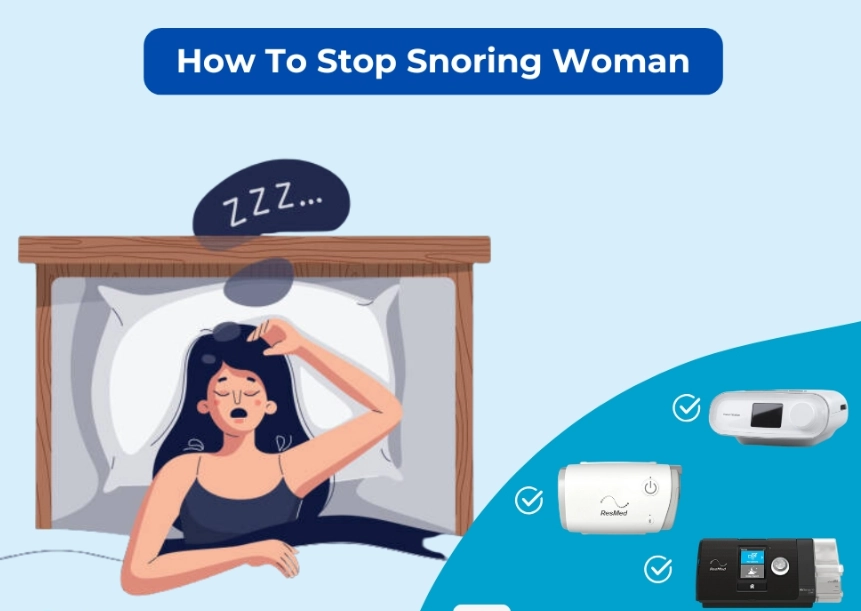
Anatomy matters more than we admit.Women generally have smaller airways than men. A slight narrowing from allergies, a deviated septum you've had since that childhood fall, or even chronic sinusitis creates a perfect storm. The airflow has to squeeze through a tighter space, making those tissues vibrate louder.
Then there's lifestyle, but with a twist. A nightcap might relax you, but it also relaxes the muscles in your throat to the point of collapse. Certain medications, like some sedatives or muscle relaxants, do the same. And yes, weight gain, particularly around the neck, adds physical pressure. But for women, where you gain weight (hello, hips AND neck) is heavily influenced by those hormones we just talked about.
| Life Stage | Primary Snoring Trigger | Why It Happens |
|---|---|---|
| Pregnancy | Nasal Congestion & Weight Gain | Increased blood flow swells nasal passages; weight gain, especially in later stages, puts pressure on the diaphragm and airway. |
| Perimenopause/Menopause | Hormonal Shift & Muscle Tone Loss | Falling estrogen leads to fat redistribution to the neck area and loss of collagen/elastin, causing throat tissues to become floppier. |
| High-Stress Periods | Exhaustion & Poor Sleep Hygiene | Deep exhaustion leads to "crash sleeping" where muscles are ultra-relaxed. Stress can also worsen habits like alcohol use. |
Actionable Solutions: From Lifestyle to Tech
Okay, so you know the "why." Now for the "how to make it stop." I group solutions into three tiers. Start with Tier 1. Be brutally honest with yourself for a few weeks. If you're still sawing logs, move to Tier 2.
Tier 1: Lifestyle Adjustments (The Foundation)
This isn't sexy advice, but it's the bedrock. Skip it and the fancy gadgets won't work for long.
- Master Side-Sleeping: Not just trying to, but ensuring it. A body pillow you hug keeps you anchored. The old tennis-ball-in-a-T-shirt trick works because it's annoying enough to train you.
- Elevate Your Head (Properly): Don't just stack pillows—that kinks your neck. Use a wedge pillow or put risers under the head of your bedframe for a gentle, full-torso incline. This uses gravity to keep your airway open.
- Hydrate & Humidify: Dry air dries out your nasal and throat membranes, making them stickier and more likely to vibrate. Drink water throughout the day (not right before bed), and use a good humidifier in your bedroom.
- Audit Your Evening Routine: Alcohol within 3 hours of bed? Stop it. Heavy meals late? Move dinner earlier. Sedative medications? Talk to your doctor about timing or alternatives. These are all relaxants for your airway muscles.
Tier 2: Targeted Devices and Therapies
When lifestyle isn't enough, these tools address specific physical issues.
- For Nasal Snorers: If you're always congested, try a nightly saline nasal rinse (like a neti pot) to clear passages. Internal nasal dilators (little silicone cones) can prop narrow nostrils open more effectively than external strips for some people.
- For Mouth-Breathing Snorers: This is a big one. If your jaw drops open, a chin strap or a specialized mouthpiece that encourages tongue placement (like a mandibular advancement device fitted by a dentist) can be game-changers. Over-the-counter boil-and-bite versions are a cheaper test, but they can cause jaw pain.
- For Strengthening: Throat and tongue exercises, like singing or didgeridoo playing, have research backing. A simple one: press your tongue flat against the roof of your mouth and slide it backward 20 times a day. It strengthens the very muscles that collapse.
Tier 3: When to See a Professional
If your snoring is loud, punctuated by gasps or pauses, and you're still exhausted after 8 hours of sleep, you might have sleep apnea. This is non-negotiable: see a doctor. The gold standard treatment is a CPAP machine, which provides a gentle stream of air to keep your airway open. It's not glamorous, but for moderate to severe apnea, it's life-changing. Oral appliance therapy from a dental sleep specialist is another effective medical option.
What Most Women Get Wrong (And How to Fix It)
We often approach this backwards.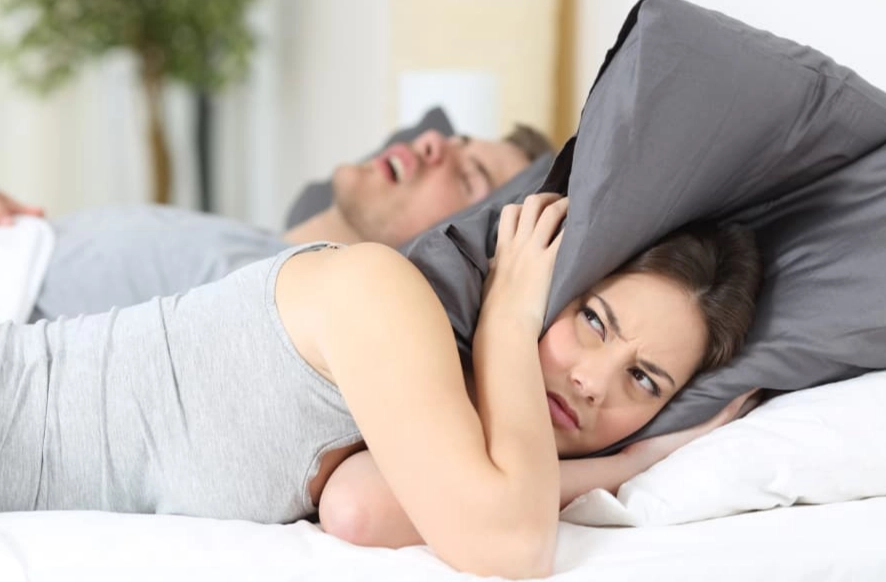
Mistake #1: Starting with gadgets. You buy a $100 anti-snoring mouthpiece before trying to sleep on your side for a week. Gadgets treat symptoms; lifestyle changes treat causes. Reverse the order.
Mistake #2: Ignoring the nasal passage. So much snoring starts with a stuffy nose. You breathe through your mouth, your jaw drops, and your throat collapses. A simple nightly saline spray or addressing year-round allergies with an allergist can break this cycle.
Mistake #3: Underestimating the role of hormones. If your snoring started or worsened around menopause, topical estrogen (discussed with a doctor) or other hormone therapies might help more than any pillow. It's a conversation worth having.
Mistake #4: Suffering alone. Snoring strains relationships and health. Talk to your partner about tracking your sleep (using a simple audio recorder app can be enlightening). Bring that data to your doctor. It turns a vague "I snore" into a documented health issue.
Your Top Snoring Questions, Answered
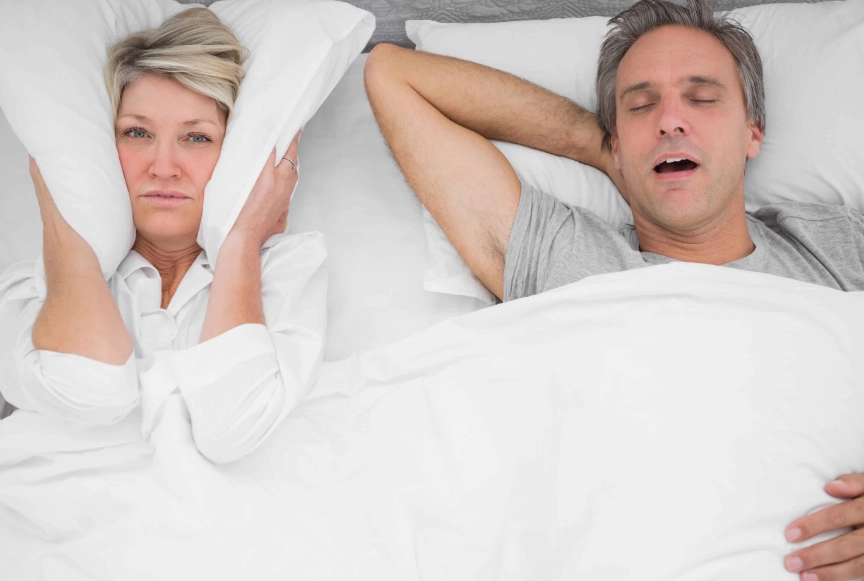 The path to quiet sleep isn't one-size-fits-all. It's detective work. Start by observing your own patterns: when do you snore worst? Is your nose blocked? Does it happen more after a glass of wine or during high-stress times? Use that information to choose your first line of attack from the tiers above. Be patient. Be consistent. And please, if the signs point to something more serious like sleep apnea, don't hesitate to seek professional help. Your sleep, your health, and your relationships are worth it.
Reader Comments