You've probably seen the 3-2-1 sleep rule floating around. It sounds so simple, so foolproof. Three hours before bed, stop eating. Two hours before, stop working. One hour before, shut off the screens. Done. Perfect sleep awaits.
If only it were that easy.
I spent years as a chronic overthinker, lying in bed with my mind racing from work emails to tomorrow's to-do list. I tried the 3-2-1 rule and failed miserably the first few times. The problem wasn't the rule itself—it's a solid framework from sleep experts. The problem was how I was applying it. I was following the letter of the law, not the spirit. I'd stop working at 8 PM, but my brain was still in the office. I'd put my phone down at 9 PM, but I'd just lie there, more aware of my insomnia than ever.
This guide is what I wish I had back then. We're going beyond the basic mantra. We'll dissect each number, uncover the subtle mistakes that ruin it for most people (the ones nobody talks about), and I'll show you how to adapt this framework to real, messy life—whether you're a shift worker, a parent, or just someone whose brain won't shut off.
Your Quick Guide to Better Sleep Tonight
What Exactly Is the 3-2-1 Sleep Rule? (Beyond the Slogan)
The 3-2-1 sleep rule is a behavioral framework designed to gradually decouple your waking life from your sleep life. It's not a rigid law but a wind-down protocol. The goal is to address the three biggest interferences with sleep onset: digestion, cognitive arousal, and blue light exposure.
Think of it as creating a "runway" for sleep. A plane doesn't go from cruising altitude to parked at the gate instantly. It needs a gradual, controlled descent. Your nervous system needs the same.
The science behind it pulls from well-established principles. The 3-hour food cutoff aligns with research suggesting that late eating can disrupt core body temperature and melatonin production. The 2-hour work cutoff is about reducing cognitive and emotional activation, lowering cortisol levels so your body can switch into rest-and-digest mode. The 1-hour screen cutoff directly tackles melatonin suppression caused by blue light, which the National Sleep Foundation notes can significantly delay sleepiness.
But here's the non-consensus part most articles miss: The times are guidelines, not commandments. The core activity is what matters. If you have a light salad at 8 PM for a 10:30 PM bedtime, you're likely fine. If you're doing intense mental work until 30 minutes before bed, even if it's "not your job," you're violating the spirit of the 2-hour rule.
How to Implement the 3-2-1 Rule: A Step-by-Step Breakdown
Let's get practical. This is where you build your personalized runway.
The Core of the 3-2-1 Sleep Rule
3 Hours Before Bed: The Last Call for Food & Drink. This isn't just about avoiding a heavy steak. It's about letting your digestive system quiet down. A grumbling gut is distracting, and metabolizing food raises your core temperature when it should be dropping for sleep.
Focus on: Finishing your last meal or substantial snack. Be mindful of liquids to avoid nighttime bathroom trips. A small sip of water is okay, but ditch the big glass.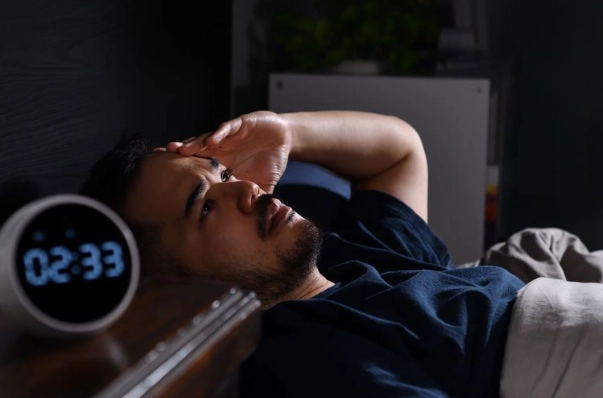
2 Hours Before Bed: The Mental Shutdown. This is the most misunderstood part. "Stop working" doesn't just mean close your laptop. It means stop any activity that requires significant cognitive effort, problem-solving, or emotional engagement.
This includes: Answering work emails, planning tomorrow's complex project, having a heated debate about politics, doing your taxes, or even binge-watching a high-stakes thriller that gets your heart racing. Your brain needs to shift from "doing" to "being."
1 Hour Before Bed: The Digital Sunset. This is your tech curfew. Blue light from phones, tablets, laptops, and TVs tricks your brain into thinking it's daytime, suppressing melatonin.
What to do instead: This hour is for low-stimulus, calming activities. This is your golden hour for actual relaxation.
What Does a Successful 1-Hour Wind-Down Look Like?
Don't just sit there staring at the wall. Have a plan. Here are options that work:
- Gentle Movement: Light stretching, restorative yoga poses (like legs-up-the-wall), or a slow walk around the block.
- Tactical Reading: A physical book (preferably fiction or something light) under warm, dim light. Not a suspense novel.
- Mindfulness Practice: 10-15 minutes of meditation, deep breathing (try the 4-7-8 method), or simple gratitude journaling.
- Low-Key Prep: Lay out your clothes for tomorrow, tidy the kitchen counter, prepare your coffee maker. These are mundane, finishing-touch tasks that create a sense of closure.
- Connection: A quiet, non-stressful conversation with a partner or family member. No problem-solving allowed.
The 3 Biggest Mistakes People Make (And How to Fix Them)
I've coached enough people on sleep to see these patterns over and over. Avoiding these traps is what separates those who find the 3-2-1 rule life-changing from those who find it frustrating.
Mistake #1: Treating the 2-Hour Rule as Only About "Work"
You close your laptop at 8 PM, proud of yourself. Then you spend from 8 to 10 PM scrolling through social media, getting into arguments in comment sections, or watching a documentary about climate change that leaves you anxious. Cognitively and emotionally, you're still "working." Your brain hasn't received the shutdown signal.
The Fix: Redefine "work" as any demanding mental or emotional labor. After your cutoff, your activities should feel nourishing, not draining. If it spikes your heart rate or gets you thinking in loops, it's probably not a wind-down activity.
Mistake #2: The "Screen Loophole" Mentality. "Okay, no phone, but my e-reader is fine." "I'll just use night mode." While e-ink readers (like a Kindle without a front light) are better, any backlit device is a compromise. Night mode helps, but it doesn't eliminate the mental engagement problem. You're still feeding your brain information, often in a stimulating way.
The Fix: Be strict with the 1-hour cutoff for all interactive screens. If you must read digitally, use a dedicated e-ink device. Consider your phone's grayscale mode during the evening to make it less appealing.
Mistake #3: Being Too Rigid and Then Giving Up Entirely. Life happens. You have a late dinner with friends. You have a work deadline that runs over. The baby is fussy. If your mindset is "I broke the rule, tonight is ruined," you've lost. The anxiety about breaking the rule becomes a bigger sleep disruptor than the late meal itself.
The Fix: Adopt an 80/20 mindset. Aim to follow the framework 80% of the time. On the 20% of nights when it doesn't happen, don't panic. Just gently guide yourself back to your wind-down routine as soon as you can. Do some deep breathing. The goal is progress, not perfection.
How to Adjust the 3-2-1 Rule for Your Real Life
The vanilla 3-2-1 rule assumes a 10-11 PM bedtime. What if your life isn't vanilla?
For Shift Workers (Nurses, Factory Workers, etc.)
Your "bedtime" is relative. The rule still applies, but you anchor it to when you need to sleep, not to the sun.
- After a night shift: Your "3-2-1" countdown starts from when you want to be asleep at 9 AM. Eat your "dinner" before you leave work. Use blackout curtains and a white noise machine to simulate nighttime during your 1-hour wind-down.
- The principle is immutable: create a consistent, dark, quiet, and relaxed pre-sleep routine, no matter the clock.
For Parents of Young Children
A full 3-hour food cutoff might be a fantasy. Adjust the ratios.
- Try a 2-1-1 rule: 2 hours no food, 1 hour no mental work (good luck finding that hour!), 1 hour no screens.
- Your wind-down might be 20 minutes of quiet reading after the kids are finally down, instead of a full hour. The key is to have some buffer between the chaos of parenting and trying to sleep.
If You're a Night Owl or Early Bird
Scale the numbers proportionally. If you go to bed at 1 AM, your last meal at 10 PM is fine. If you're asleep by 9 PM, your cutoff is 6 PM. The framework is elastic. The constant is the sequence and intent of the activities.
Your 3-2-1 Rule Questions, Answered
The 3-2-1 sleep rule works because it's simple to remember. But its power comes from thoughtful execution. It's not about three arbitrary numbers on a clock. It's about consciously designing the transition from your busy day to restorative sleep.
Start tonight. Don't aim for perfect. Just pick one number—maybe the "1-hour screen-free" rule—and commit to it for three nights. See how it feels. Build from there. Your sleep isn't just a block of time you lose; it's the foundation you build your entire waking life on. Give it the runway it deserves.
Reader Comments