You're tired. Really tired. But when your head hits the pillow, your brain decides it's time for a replay of every awkward conversation you've ever had. Or you wake up gasping for air, or your legs feel like they're crawling. Sound familiar? You're not alone. Sleep disorders are incredibly common, but many people suffer for years thinking it's just "bad sleep" or stress. The truth is, specific, treatable conditions are often to blame. Let's cut through the confusion and look at the most common sleep disorders, their real-world symptoms, and—most importantly—what you can actually do about them.
Your Quick Guide to Sleep Disorders
Insomnia: The Nighttime Mind Race
Insomnia is the granddaddy of common sleep disorders. Everyone talks about it, but few understand its clinical definition. It's not just "I had trouble sleeping last night." Chronic insomnia means difficulty falling asleep, staying asleep, or waking up too early—at least three nights a week for three months—and it must cause significant daytime distress or impairment.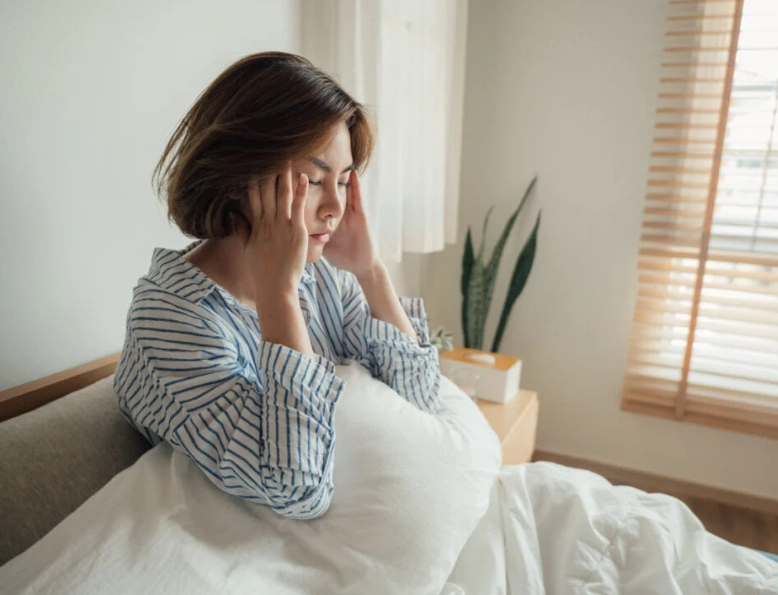
You might be at your desk feeling foggy, irritable, or anxious. The kicker? The anxiety about not sleeping often becomes the primary driver of the insomnia itself. It's a vicious cycle. Many people reach for over-the-counter sleep aids, which might work for a night or two but do nothing to address the root cause.
Sleep Apnea: More Than Just Snoring
If insomnia is the mind keeping you awake, sleep apnea is a physical blockage. In obstructive sleep apnea (OSA), the most common form, the throat muscles relax too much during sleep, collapsing the airway. Breathing stops for 10 seconds or more, sometimes hundreds of times a night. Your brain gets an emergency "wake up and breathe!" signal, causing a micro-arousal you usually don't remember.
The classic sign is loud, chronic snoring punctuated by gasps or choking sounds. But you don't have to snore to have it. Other red flags include waking with a dry mouth or headache, and relentless daytime sleepiness no matter how long you were in bed. You could "sleep" for 10 hours and still feel wrecked. It's a major strain on your cardiovascular system, linked to high blood pressure, heart disease, and stroke.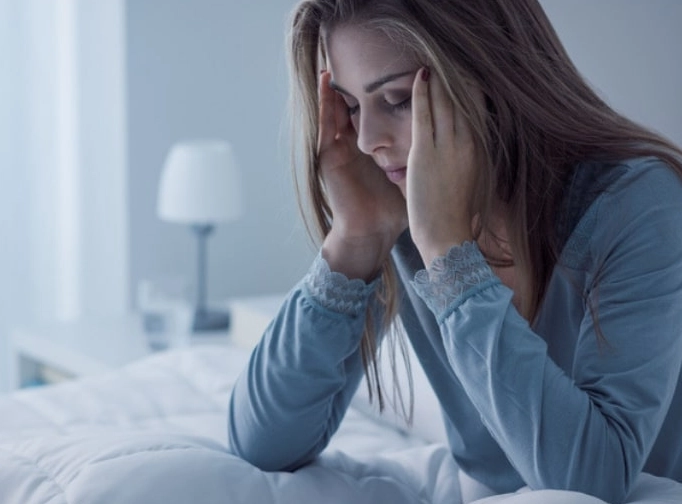
Restless Legs Syndrome (RLS)
RLS is a sensory-motor disorder characterized by an irresistible urge to move the legs, usually accompanied by uncomfortable sensations like crawling, tingling, or aching deep within the limbs. The key feature is that it's worse in the evening and at rest. Sitting in a movie theater or on a long flight can be torture.
It's not just "fidgeting." The need to move is compelling and is only relieved by movement. This makes falling asleep nearly impossible. Many people with RLS also have Periodic Limb Movement Disorder (PLMD), where the legs jerk or kick involuntarily during sleep, further disrupting sleep quality.
Narcolepsy and Hypersomnia
While less common, these disorders involve too much sleepiness. Narcolepsy isn't just falling asleep randomly. Its hallmark is a dysregulation of the sleep-wake cycle. Key symptoms include:
- Cataplexy: Sudden, brief loss of muscle tone triggered by strong emotions like laughter or surprise. This is a tell-tale sign of Type 1 Narcolepsy.
- Sleep Paralysis: Being unable to move or speak when falling asleep or waking up.
- Hypnagogic Hallucinations: Vivid, often frightening dream-like experiences at sleep onset.
Idiopathic Hypersomnia is similar in the profound sleepiness but lacks the other features of narcolepsy. People with IH sleep for long periods (9+ hours) and still wake up feeling like they've been hit by a truck, a feeling called "sleep drunkenness."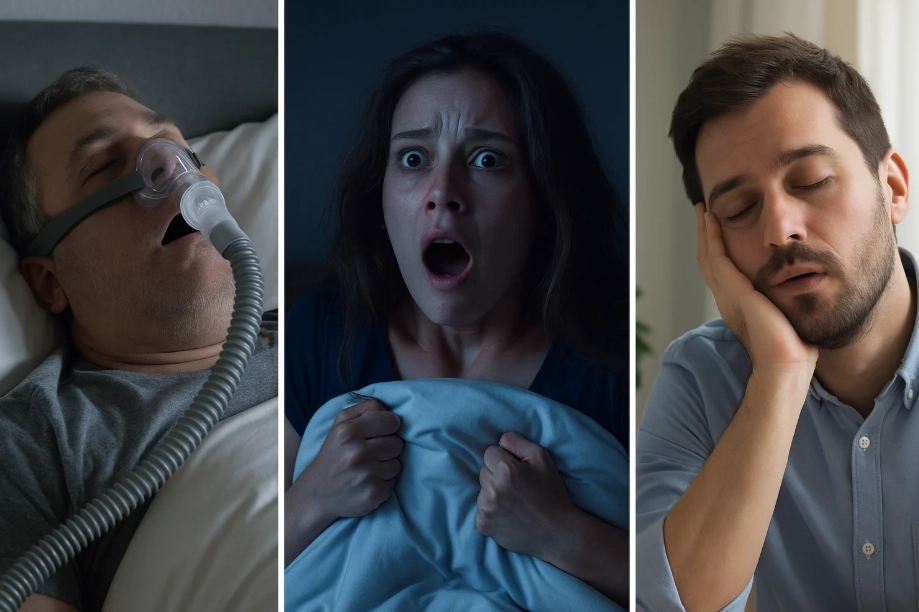
Parasomnias: Sleepwalking and Night Terrors
These are disorders of arousal, where parts of the brain wake up while others stay asleep. They're more common in children but persist in some adults.
- Sleepwalking (Somnambulism): Performing complex behaviors like walking, talking, or even driving while not fully conscious. The person is hard to wake and won't remember it.
- Sleep Terrors: Episodes of extreme fear, screaming, and flailing while still asleep. Unlike nightmares, the person has no dream recall and is inconsolable during the event.
- REM Sleep Behavior Disorder (RBD): This is different. Here, the body's normal paralysis during REM sleep is absent, allowing people to physically act out their dreams, which can be violent. RBD is noteworthy because it can be an early indicator of certain neurodegenerative diseases like Parkinson's, a connection often missed by general practitioners.
How Are Sleep Disorders Treated?
Treatment isn't one-size-fits-all. It's targeted to the specific disorder and the individual. The gold standard often involves a combination of approaches.
| Disorder | Primary Treatment Approaches | Notes & Considerations |
|---|---|---|
| Insomnia | Cognitive Behavioral Therapy for Insomnia (CBT-I), Sleep Restriction, Stimulus Control. | CBT-I is more effective long-term than medication. It retrains your brain's association with bed and sleep. Medications (like z-drugs or certain antidepressants) are usually short-term aids. |
| Obstructive Sleep Apnea | CPAP (Continuous Positive Airway Pressure) Therapy, Oral Appliances, Positional Therapy, Surgery (in some cases). | CPAP is the frontline treatment. Yes, the mask takes getting used to, but modern machines are quiet and masks are more comfortable. Weight loss can help but is rarely a complete cure for moderate-severe OSA. |
| Restless Legs Syndrome | Iron Supplementation (if ferritin is low), Dopamine Agonists, Alpha-2-delta Ligands (like gabapentin). | Getting a blood test for ferritin (iron stores) is crucial first step. Avoid caffeine and alcohol, which can worsen symptoms. Older dopamine drugs can cause "augmentation" (symptoms worsening earlier in the day), a risk doctors must manage. |
| Narcolepsy | Stimulants (modafinil, armodafinil), Sodium Oxybate, Scheduled Naps. | Treatment focuses on managing daytime sleepiness and cataplexy. Lifestyle adjustments, like strategic 15-20 minute naps, are a core part of management. |
| Parasomnias | Safety-proofing the bedroom, Scheduled Awakenings (for children), Clonazepam (for RBD). | The first step is always safety: lock windows, remove sharp objects, put a gate on stairs. For RBD, low-dose clonazepam is highly effective but requires monitoring. |
The diagnosis almost always starts with a detailed sleep history and often involves a sleep study (polysomnography). This isn't just for apnea; it can diagnose limb movements, narcolepsy, and parasomnias. A home sleep test is simpler but only screens for apnea.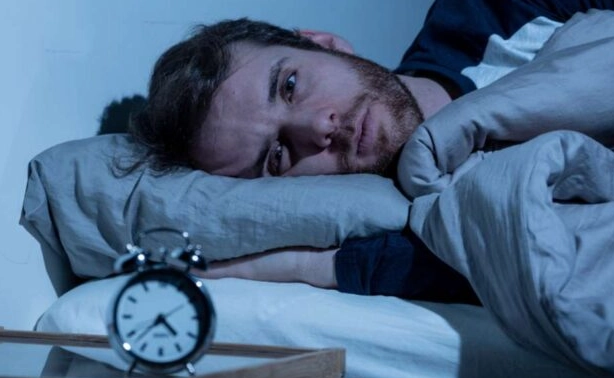
Beyond specific treatments, foundational sleep hygiene supports all therapies: a consistent schedule, a dark/cool/quiet bedroom, avoiding screens before bed, and managing light exposure. But let's be real—hygiene alone won't fix apnea or clinical insomnia. It's the supportive base layer.
Your Sleep Disorder Questions Answered
The path to better sleep starts with recognizing that your struggle isn't normal. It's a symptom. Identifying the specific sleep disorder is half the battle. The other half is pursuing the targeted, evidence-based treatment that exists for it. Don't settle for being perpetually tired. Talk to your doctor, consider a referral to a sleep specialist, and take back your nights.
Reader Comments