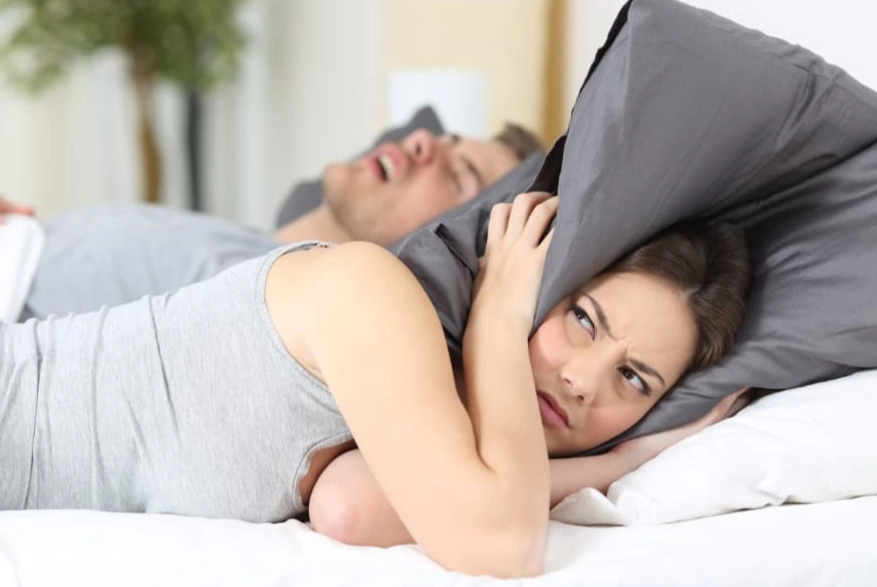
That sound. It starts as a low rumble and builds into a freight train roaring through your bedroom. You’ve nudged, you’ve sighed, you’ve stared at the ceiling. The question burning in your sleep-deprived brain is simple: How do I make this stop NOW? Good news—you can. While long-term fixes take time, there are legitimate, fast-acting ways to quiet snoring immediately. This isn't about magic spells; it's about simple physics and physiology you can use tonight.
I remember a camping trip where my friend’s snoring echoed through the tents. Desperate, I used one of these tricks (the positional one) and got us all back to sleep in minutes. It works.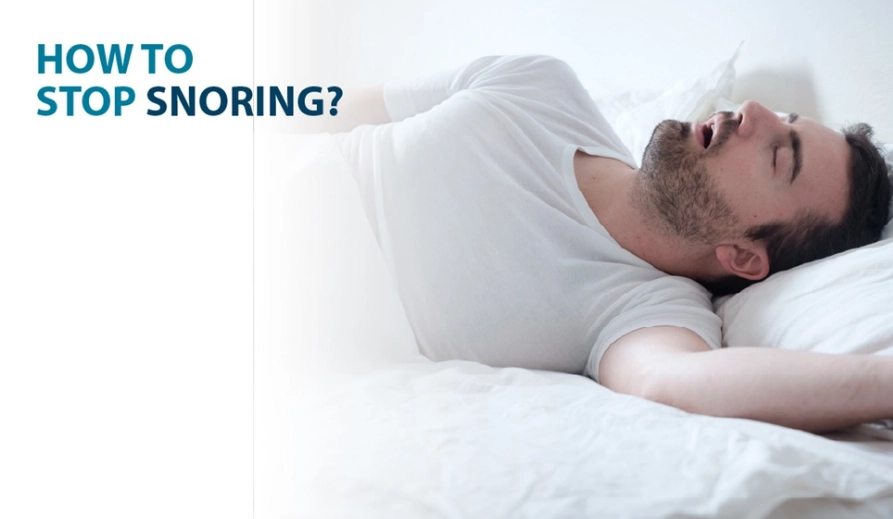
Your Quick-Action Snoring Toolkit
Skip right to what you need. Here’s what actually works when you need silence fast.
Immediate, No-Tools-Required Tricks (Do These Tonight)
These are your first-line defenses. They target the most common cause of snoring: obstructed airflow in the throat.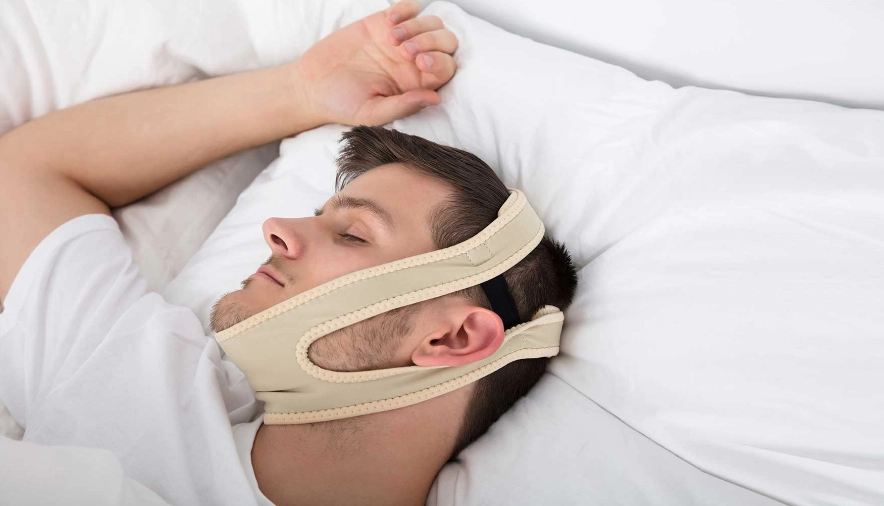
1. The Positional Shift: Roll Them Over
This is your number one move. Snoring is often worst when sleeping on the back (supine position). Gravity pulls the tongue and soft palate down, narrowing the airway.
What to do: Gently encourage the snorer to roll onto their side. A nudge, a whispered suggestion, or even placing a pillow against their back to prevent them from rolling back can do it. Don’t shove—startle waking defeats the purpose. If they’re a dedicated back-sleeper, propping them up slightly with an extra pillow under their head and shoulders can also help by keeping the airway more vertical.
2. The Hydration Hack: A Sip of Water
Dry nasal passages and a sticky throat make tissues more likely to vibrate. This is a subtle trick many overlook.
What to do: Keep a glass of water by the bed. If the snoring starts, have them take a few small sips. Room-temperature water is best. This can moisten the throat and reduce the friction that causes that raspy sound. It’s not a cure for sleep apnea, but for simple, dry-air snoring, it can bring quick relief.
3. The Nasal Clearance: Breathe Right Strips or Saline Spray
If the snoring sounds nasal and congested (stuffy, whistle-like), the problem might be in the nose, not the throat.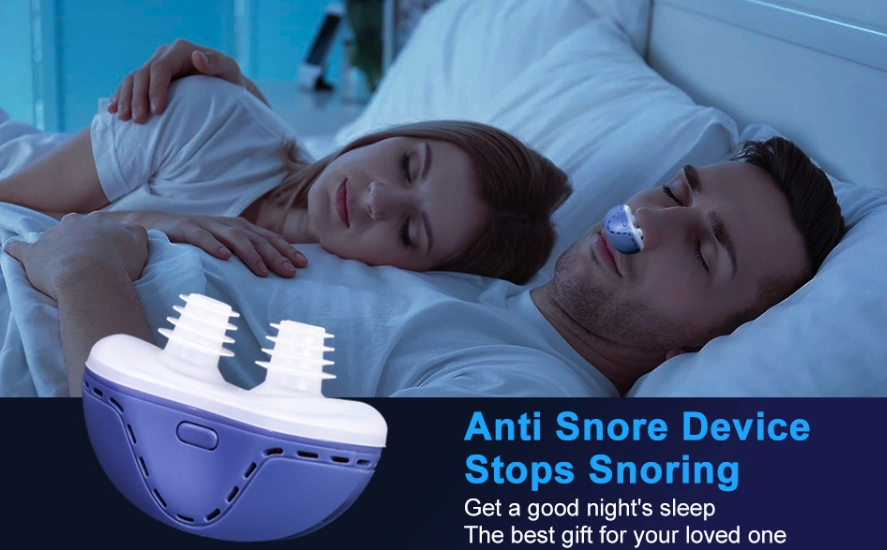
What to do: Keep adhesive nasal strips (like Breathe Right) in the nightstand. Applying one can physically lift and open the nasal passages, allowing easier airflow within seconds. No strips? A quick spray of saline mist in each nostril can loosen mucus and reduce congestion. I’m skeptical of most gadgets, but for purely nasal snorers, these strips can be a game-changer for immediate peace.
Why Do These Quick Fixes Work? (The Simple Science)
Understanding the “why” helps you choose the right trick. Most immediate snoring is caused by vibration of relaxed tissues in the upper airway.
Think of it like a loose flag in a strong wind. When you’re awake, the muscles in your throat are taut, holding the “flagpole” steady. During sleep, those muscles relax. If the airway is already narrow (due to anatomy, congestion, or position), the airflow becomes turbulent and makes the soft palate, uvula, and tongue vibrate violently.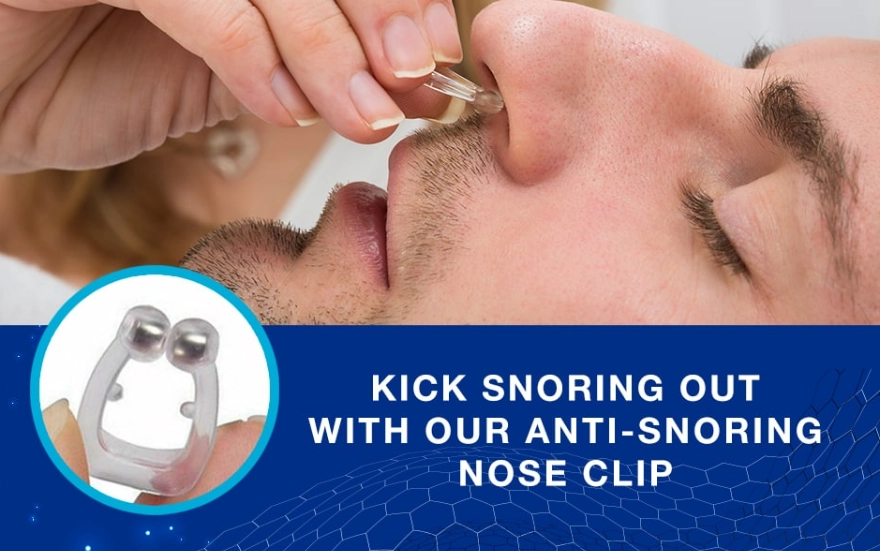
Your immediate interventions do one of three things:
- Change the Airway Geometry: Side-sleeping or elevation physically pulls tissues away from the airway center.
- Reduce Turbulence: Moisture (from drinking water) and open nasal passages (from strips) create a smoother, less rattling airflow.
- Prompt a Sleep Stage Shift: A gentle nudge might move the snorer from deep sleep (where muscles are most relaxed) to a lighter stage where muscle tone is slightly better.
It’s basic, but it’s effective. The Harvard Medical School family health guide notes that positional therapy is a first-line behavioral approach for snoring.
Moving Beyond the Band-Aid: Long-Term Solutions
Immediate tricks are lifesavers, but they’re not cures. If snoring is a nightly battle, you need to address the root cause. Here’s where to look next.
1. Identify and Treat Underlying Causes
Is it allergies causing congestion? A deviated septum? Excess weight putting pressure on the airway? Chronic sinus issues? A visit to a primary care doctor or an ENT (Ear, Nose, and Throat specialist) can pinpoint structural or medical issues. Treating year-round allergies with a daily nasal corticosteroid spray, for example, can reduce nasal congestion and snoring more reliably than any nightly trick.
2. Invest in the Right Gear (That Actually Works)
The market is flooded with “anti-snoring” devices, but only a few have strong clinical backing.
- Mandibular Advancement Devices (MADs): These are dentist-fitted or quality over-the-counter mouthguards that gently pull the lower jaw forward, opening the throat. They are highly effective for many people with non-apnea snoring. The American Sleep Association recognizes them as a standard treatment.
- CPAP Machines: This is the gold standard for Obstructive Sleep Apnea (OSA). If snoring is accompanied by gasping, choking, or witnessed breathing pauses, this is non-negotiable. A CPAP provides constant air pressure to act as a pneumatic splint for the airway. It stops snoring completely and, more importantly, treats a dangerous medical condition.
- Pillows & Positional Aids: Specialized wedge pillows or wearable devices that vibrate when you roll onto your back can make side-sleeping easier to maintain.
3. Lifestyle Adjustments That Make a Difference
These take time but attack the problem at its source.
- Weight Management: Even a 10% reduction in body weight can significantly improve or eliminate snoring for many people by reducing fat deposits around the neck.
- Avoid Alcohol & Sedatives Before Bed: They relax throat muscles excessively. That nightcap might help you fall asleep, but it guarantees louder snoring.
- Establish Consistent Sleep Hygiene: Exhaustion leads to deeper sleep and more floppy muscles. A regular sleep schedule promotes more balanced sleep stages.

Your Immediate Snoring Questions, Answered
 The goal tonight is quiet. Use the positional shift, try the hydration hack, or open those nasal passages. But let tomorrow’s goal be health. Snoring is more than a nuisance; it’s a signpost. Address it with the seriousness it deserves, and you’ll both get the deep, restorative sleep you need.
Reader Comments