You know the feeling. You go to bed, maybe you even fall asleep, but you wake up feeling like you ran a marathon in your dreams. Your brain is foggy, your body aches, and the idea of facing the day is exhausting. That's often a sign your deep sleep – the most restorative phase – is getting shortchanged. And a big player in that process is melatonin, but not just any melatonin. We're talking about the right amount, at the right time, to specifically usher you into that precious deep sleep stage. Most advice stops at "take a supplement," but that's like putting a band-aid on a broken pipe. The real fix is getting your body to produce its own deep sleep melatonin on cue, reliably, every single night.
What You’ll Learn in This Guide
Understanding the Deep Sleep-Melatonin Connection
First, let's clear something up. Melatonin isn't a sleeping pill. It's a hormone your pineal gland releases when it gets dark. Think of it as the body's biological cue that says, "Hey, sunset happened. Time to wind down." Its primary job is to regulate your circadian rhythm – your internal 24-hour clock.
Now, how does this connect to deep sleep (also called slow-wave sleep)? Deep sleep is when your body does its heaviest repair work: tissue growth and repair, immune system strengthening, memory consolidation. Research, including studies referenced by the National Sleep Foundation, shows that a well-timed melatonin surge helps synchronize the sleep cycles, making the transition into deep sleep smoother and potentially increasing its duration. If your melatonin signal is weak or mistimed, you might fall asleep, but the architecture of your sleep – including that critical deep phase – can be fragmented and shallow.
The goal isn't necessarily more melatonin floating around at 3 PM. It's about a strong, clear, and well-timed signal at night. That's what we're after.
Lifestyle Tweaks to Naturally Elevate Melatonin
This is where you have the most control. Your daily habits directly train your pineal gland when to release its hormone. It's about working with your biology, not against it.
Master Your Light Exposure
Light is the master switch for melatonin. Blue light from screens is public enemy number one, but the timing of all light is crucial.
- Morning Sunlight (Within 30-60 mins of waking): This is non-negotiable. Bright morning light suppresses lingering melatonin and resets your clock for a sharp release later. Don't just look out a window; get outside for 10-15 minutes. Overcast day? Still works.
- The 2-Hour Wind-Down: Start dimming lights 2 hours before bed. Use lamps instead of overhead lights. I swapped my bright bathroom light for a dim, warm bulb for evening routines – a game-changer.
- Screen Protocol: The standard "no screens an hour before bed" is good, but unrealistic for many. Here's a more practical tiered approach:
- 90 minutes before bed: Enable "Night Shift" or "Blue Light Filter" on all devices. It helps, but it's not a magic shield.
- 60 minutes before bed: Stop active scrolling (social media, news). Switch to passive viewing (a calm show) or better yet, audiobooks/podcasts.
- 30 minutes before bed: All screens off. This is the final buffer for your brain.
A Mistake I See All the Time
People blast themselves with bright kitchen or bathroom light right before bed (brushing teeth, getting water). This can instantly suppress melatonin production that's been building for an hour. Install a dim red or orange nightlight in your bathroom and hallway. Red light has the least impact on melatonin.
Optimize Your Sleep Environment
Your bedroom should be a melatonin-friendly cave.
- Darkness: Pitch black. Use blackout curtains. Cover or remove any LED lights from electronics. If you need a nightlight, make it red.
- Temperature: Cool is key. Around 65°F (18.3°C) is ideal for most people. Your core body temperature needs to drop to initiate sleep, and a cool room facilitates this. A hot room disrupts the process.
- Consistency: Going to bed and waking up at roughly the same time, even on weekends, is the single most powerful way to strengthen your circadian rhythm and melatonin release schedule. An erratic schedule confuses your pineal gland.
What Foods Naturally Boost Melatonin?
Certain foods contain tiny amounts of melatonin or its precursor, tryptophan (which converts to serotonin and then melatonin). Don't expect a food to act like a supplement, but incorporating these can support your body's natural production. Think of them as part of your evening nutrition strategy.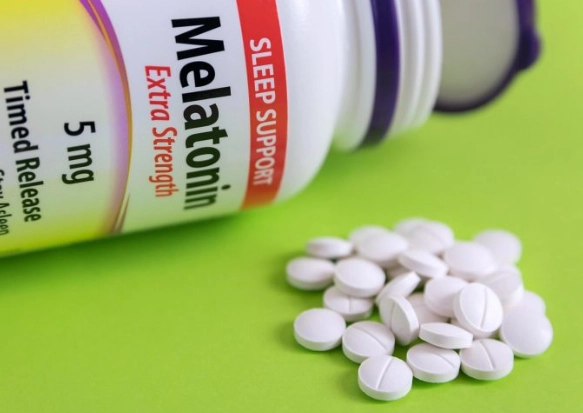
| Food | Key Compound | How to Use It | Timing Tip |
|---|---|---|---|
| Tart Cherries / Cherry Juice | Natural melatonin, antioxidants | Drink a small glass (4-6 oz) of tart cherry juice. | About 60-90 minutes before bed. |
| Walnuts & Almonds | Melatonin, magnesium | A small handful as an evening snack. | Great with the "last snack" 2-3 hours before bed. |
| Kiwi | Serotonin, antioxidants | Eat 1-2 kiwifruit. | An hour before bed. The folate may also help. |
| Fatty Fish (Salmon, Mackerel) | Vitamin D, Omega-3s (support serotonin pathways) | Include in dinner. | Dinner time. Supports overall sleep regulation. |
| Warm Milk / Chamomile Tea | Tryptophan, psychological cue | A small, warm cup. | Part of the pre-bed ritual, 30-60 mins out. |
Avoid large, heavy, or spicy meals within 3 hours of bedtime. Digestion raises core temperature and keeps your body working, counteracting the wind-down process.
Melatonin Supplements: When to Consider Them
Supplements can be useful, but they're a tool, not the foundation. They provide exogenous (external) melatonin, which doesn't train your body to make its own. Use them strategically.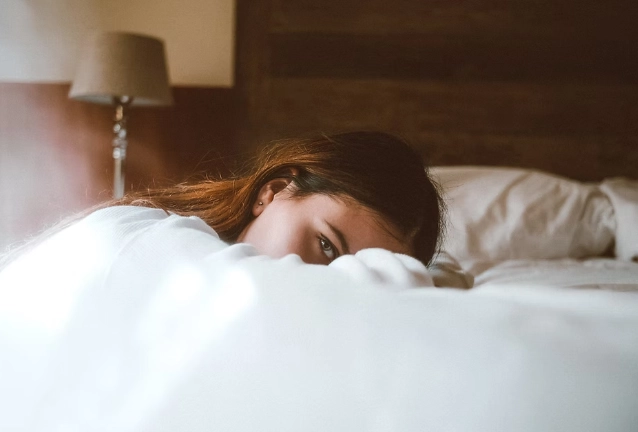
Best Uses: For circadian rhythm disruptions like jet lag, shift work, or occasional insomnia. They can help "pull" your sleep time earlier if you're a night owl trying to adjust.
The Critical Detail Everyone Misses: Dose and timing. More is not better. Studies from institutions like MIT have shown lower doses (0.3 mg to 1 mg) are often as effective as higher ones for sleep onset and can prevent morning grogginess. The timing is also counter-intuitive. For sleep onset, take it 30-60 minutes before bed. But if you're trying to shift your entire clock earlier (like for jet lag), you'd take it much earlier in the evening, several hours before your desired bedtime. Taking it right at bedtime for chronic issues can sometimes lead to fragmented sleep later in the night.
Start low (0.5 mg), and see how you feel. Use it for short-term resets (1-2 weeks) while you implement the lifestyle changes above, then try tapering off.
Common Mistakes That Sabotage Your Melatonin
After years of looking at sleep patterns, here are subtle errors that tank melatonin production.
- Weekend "Sleep-Ins": Sleeping in 2+ hours later on Saturday tells your brain that "night" is longer, delaying melatonin release the next evening. This creates Sunday night insomnia.
- Evening Workouts: Intense exercise within 2 hours of bed raises cortisol and core temperature, both melatonin antagonists. Switch to gentle yoga or stretching.
- The "Quick Check" Before Bed: Picking up your phone to check one thing. The burst of light and mental engagement is a double whammy. Charge your phone outside the bedroom.
- Ignoring Morning Light: Focusing only on nighttime darkness while spending all day indoors under artificial light creates a weak circadian signal. Morning light sets the amplitude.
- Using High-Dose Melatonin as a Crutch: This can downregulate your own production and lead to dependency. It masks the underlying lifestyle issue.
Your Deep Sleep Melatonin Questions Answered
Can I take melatonin every night for deep sleep?
I don't recommend it as a long-term, nightly solution. Your body can become reliant on the external source, and the goal should always be to optimize your natural production. Use it for specific resets (like recovering from travel) or occasionally, but make the lifestyle changes your primary strategy. Chronic use without addressing root causes like light exposure or stress is a band-aid.
I use blue light blocking glasses. Are they enough to protect my melatonin?
They're a helpful tool, especially if you must use screens late, but they're not a free pass. They block a portion of blue light, but they don't address the mental stimulation and cognitive arousal from scrolling through work emails or social media. That mental alertness itself can delay sleep onset. Use the glasses as part of your protocol, but still aim for a screen-free buffer zone before bed.
What's the single most effective thing I can do tonight to increase deep sleep melatonin?
Get your light environment right. Two hours before bed, dim all the lights in your house. Use lamps instead of overhead lights. In the last hour, avoid screens. Make your bedroom absolutely dark. This simple, free intervention gives your pineal gland the strongest possible signal to start producing melatonin. It's more immediately impactful than any supplement or food.
I wake up at 3 AM every night. Does this mean my melatonin is gone?
Not necessarily. Melatonin levels typically peak in the middle of the night and then begin to decline. A 3 AM wake-up is often more linked to a cortisol spike or a drop in blood sugar. However, a weak or prematurely declining melatonin rhythm can contribute to fragmented sleep. Before blaming melatonin, look at stress management during the day, avoid caffeine after noon, and ensure you're not going to bed hungry. A very small, protein-rich snack 90 minutes before bed can stabilize blood sugar.
Are there any tests to check my melatonin levels?
Saliva or blood tests can measure melatonin at specific times, but they're not commonly used in clinical practice for simple insomnia. They can be expensive and the timing is tricky. It's more practical to assume that if you have poor sleep habits (especially regarding light), your melatonin rhythm is likely suboptimal. Instead of testing, invest your effort in implementing the consistent light-dark cycle and sleep schedule discussed here for 2-3 weeks. Your sleep quality will be the best indicator.
Reader Comments