In This Guide
- Before You Pop Any Pill: What Kind of "Lack of Sleep" Are We Talking About?
- The Prescription Arena: Heavy Hitters with Big Responsibilities
- Over-the-Counter (OTC) Options: The Drugstore Dilemma
- Natural Supplements & Alternatives: The Gentle(?) Approach
- The Comparison Table: A Side-by-Side Look
- So, Which Medicine Is *Actually* Best for Lack of Sleep? The Unsexy Truth
- Questions You're Probably Asking (The FAQ Section)
- The Final Word: It's a Journey, Not a Pill
You're staring at the ceiling again. The clock mocks you with its glowing numbers. You've tried counting sheep, warm milk, even that weird "4-7-8" breathing thing your friend swore by. Nothing. Your brain is a browser with 100 tabs open, and none of them are the "sleep" tab. So, you finally type those words into Google: which medicine is best for lack of sleep?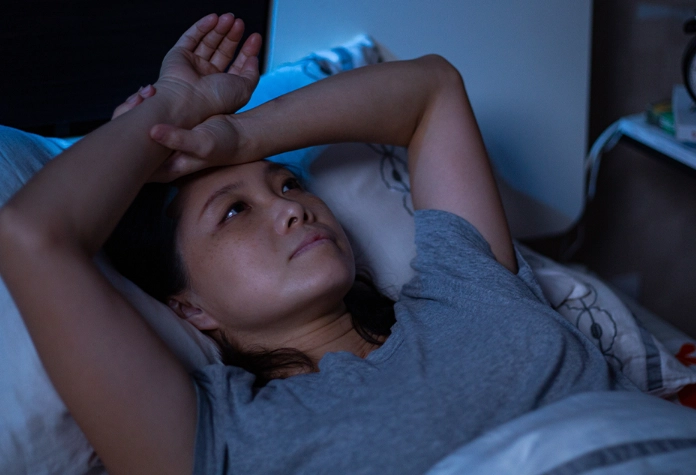
Let me stop you right there. I've been down that rabbit hole, and it's confusing. The ads scream at you, forums give contradictory advice, and the sheer number of options—prescription, over-the-counter, natural—is enough to keep you awake by itself. I remember helping a family member navigate this, and the doctor's explanations felt rushed. The pamphlets were no better.
So, let's have a real talk. No hype, no scare tactics. We'll break down the contenders, from the heavy-hitter prescriptions to the stuff you can grab off the shelf. The real answer to "which medicine is best for lack of sleep?" isn't a single pill. It's the one that fits your specific type of sleeplessness, with the fewest downsides for you personally.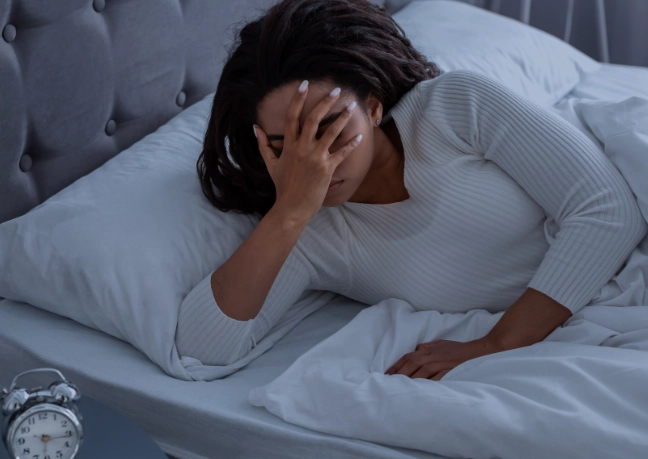
Before You Pop Any Pill: What Kind of "Lack of Sleep" Are We Talking About?
This is the most critical step everyone misses. Throwing a sleep aid at the wrong problem is like using a sledgehammer to fix a watch. It might stop the ticking, but you've ruined the watch.
- Trouble Falling Asleep (Sleep Onset Insomnia): You lie in bed for over 30 minutes, mind racing. This is what most people picture.
- Trouble Staying Asleep (Sleep Maintenance Insomnia): You fall asleep okay but wake up at 3 AM and can't drift off again. This is incredibly frustrating.
- Waking Up Too Early: Your eyes pop open at 4:30 AM, and that's it for the night.
- Non-Restorative Sleep: You technically sleep for 7-8 hours but wake up feeling like you ran a marathon in your dreams.
The medicine that helps you fall asleep might do nothing for you staying asleep, and vice versa. Pinpointing this is job number one.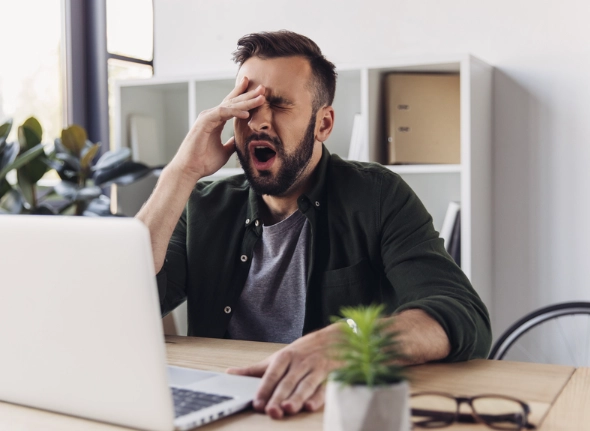
The Prescription Arena: Heavy Hitters with Big Responsibilities
These are for moderate to severe, chronic insomnia, usually diagnosed by a doctor. They're effective but come with the most significant potential for side effects and dependency. They're not meant for long-term, nightly use.
The "Z-Drugs" (Zolpidem, Zaleplon, Eszopiclone)
Think Ambien, Sonata, Lunesta. These are probably the most famous. They work on the same brain receptors as old-school benzodiazepines but are supposedly more targeted for sleep.
Here's the real talk: They work, often very well for sleep onset. But the stories you hear about sleep-driving, sleep-eating, or next-day grogginess? Those are real, if not super common, risks. My personal take? The "hangover" feeling with some of these can be brutal. You might sleep for 8 hours but feel medicated for half the next day. They also lose effectiveness over time, and stopping them can cause rebound insomnia.
They're a tool, but a blunt one.
Benzodiazepines (Temazepam, Triazolam, etc.)
These are the older class (Valium-type drugs used for sleep). Doctors are much more hesitant to prescribe them for sleep now due to high risks of dependence, tolerance (needing more for the same effect), and next-day impairment. They're generally considered a last-resort option for very short-term use. The U.S. Food and Drug Administration (FDA) has strong warnings on these for sleep issues.
The Newer Kids on the Block: Orexin Receptor Antagonists (Suvorexant, Lemborexant)
Drugs like Belsomra and Dayvigo work differently. Instead of depressing your whole brain, they block the "wake" signals (orexins). The theory is cleaner sleep with less grogginess.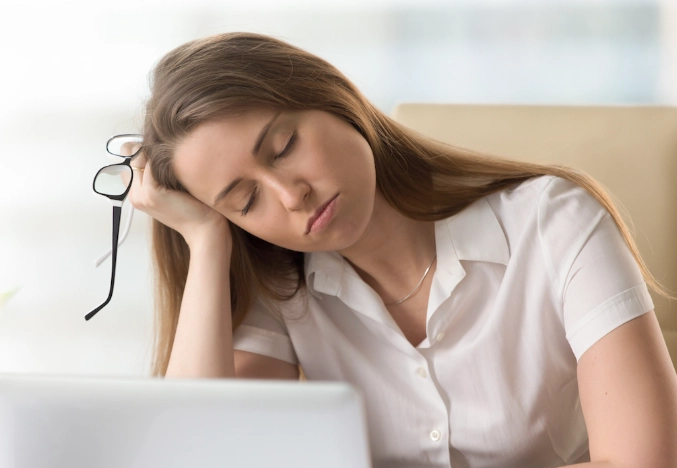
Reviews are mixed. Some people swear by them, especially for sleep maintenance. Others find them ineffective or experience weird side effects like sleep paralysis—a truly terrifying feeling of being awake but unable to move. They're also very expensive. Not a first-line choice for everyone, but an interesting option if other things fail.
Sedating Antidepressants (Trazodone, Mirtazapine, Doxepin)
This is a common "off-label" use. At low doses, these can have a strong sedating effect. Trazodone is probably the most commonly prescribed sleep aid in the US, not because it's the best, but because it's seen as less addictive than Z-drugs.
But here's the thing: They're antidepressants. Using them for sleep comes with that full profile of potential side effects (dry mouth, dizziness, weight gain with Mirtazapine). If you also have depression or anxiety, it might be a two-birds-one-stone situation. If you don't, you're taking a psychiatric drug for a side effect. It works for many, but it's worth understanding what you're taking.
Over-the-Counter (OTC) Options: The Drugstore Dilemma
This is where most people start their hunt for the best medicine for lack of sleep. It's accessible, but that doesn't mean it's simple or risk-free.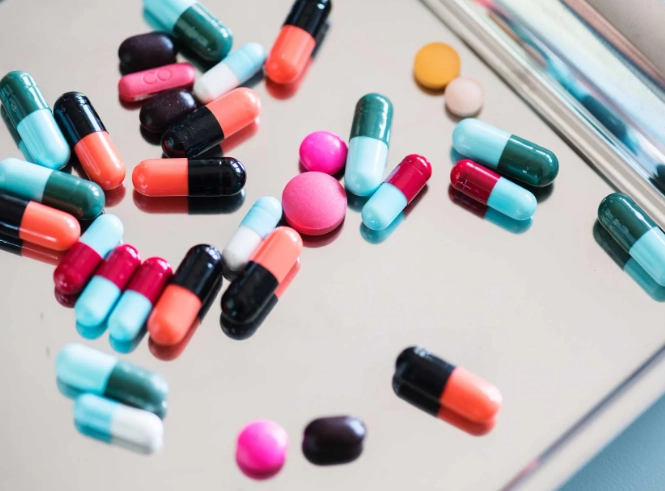
Antihistamines (Diphenhydramine - Benadryl, Doxylamine - Unisom)
These are the active ingredients in most "PM" pain relievers and dedicated sleep aids like ZzzQuil. They block histamine, a brain chemical involved in wakefulness.
Let's be blunt: They make you drowsy. For occasional use (jet lag, a random stressful night), they can be okay. But they are a terrible long-term solution.
Why? First, tolerance builds fast. What knocks you out tonight might barely faze you in a week. Second, the side effects are nasty: next-day grogginess (a.k.a. the "sleep aid hangover"), dry mouth, constipation, and blurred vision. In older adults, they can increase confusion and fall risk. The American Geriatrics Society lists them as potentially inappropriate for seniors. I tried diphenhydramine once during a bout of travel insomnia, and the next day I felt like my brain was wrapped in cotton wool. Never again.
Melatonin: The Hormone, Not a Classic "Sleeping Pill"
Melatonin is a hormone your brain naturally produces when it gets dark. Taking a supplement tells your brain, "Hey, it's nighttime."
This is key: Melatonin is not a sedative. It doesn't knock you out. It resets your internal clock. This makes it fantastic for:
- Jet lag
- Shift work disorder
- Delayed Sleep Phase Syndrome (night owls trying to sleep earlier)
For general insomnia? The evidence is weaker. A low dose (0.5mg to 3mg) taken 1-2 hours before bed is more effective than a huge 10mg dose. More is not better here. It can give some people vivid dreams or a mild headache.
The Lesser-Known OTC: Valerian Root
An herbal supplement. Some studies suggest it can improve sleep quality, especially when combined with hops or lemon balm. The smell is… potent (like old socks, honestly). Effects are mild, and it can take a few weeks of consistent use. It interacts with some medications, so check with a pharmacist.
So, looking at the OTC shelf, asking which medicine is best for lack of sleep leads to a sobering answer: maybe none of them for chronic problems. They're bandaids, and not very good ones at that.
Natural Supplements & Alternatives: The Gentle(?) Approach
This category is huge and loosely regulated. Efficacy varies wildly.
My opinion? The supplement aisle is a wild west. Brands matter hugely because quality and actual ingredient amounts can be all over the place. Look for brands that use third-party testing (like USP or NSF seals).
- Magnesium Glycinate or L-Threonate: This mineral is involved in hundreds of processes, including calming the nervous system. A deficiency can disrupt sleep. Glycinate is well-absorbed and less likely to cause digestive issues than other forms. Many people report quieter minds and easier relaxation with it. It's my personal favorite addition.
- L-Theanine: An amino acid found in green tea. It promotes relaxation without drowsiness. Good for that "racing mind" type of insomnia. I sometimes take it in the afternoon if I feel anxious energy building up.
- Glycine: Another amino acid. Some research shows 3 grams before bed can help you fall asleep faster and improve sleep quality. It has a slightly sweet taste.
- CBD (Cannabidiol): The non-intoxicating part of cannabis. Early research is promising for anxiety and sleep, but it's still early days. Dosage, product quality, and individual biology make results unpredictable. It's not a magic bullet.
The thing with supplements is they work subtly and synergistically. You won't get knocked out. You might just find yourself feeling naturally calmer at bedtime.
The Comparison Table: A Side-by-Side Look
Let's put some of this info head-to-head. Remember, "best" is a personal match.
| Category & Examples | How It Works / Best For | Biggest Pros | Biggest Cons & Risks |
|---|---|---|---|
| Prescription: Z-Drugs (Zolpidem/Ambien) |
Boosts GABA (calming brain chemical). Best for falling asleep quickly. | Fast, effective for sleep onset. | Next-day grogginess, complex sleep behaviors (e.g., sleep-walking), dependency, tolerance. |
| Prescription: Orexin Antagonist (Suvorexant/Belsomra) |
Blocks "wake" signals (orexins). Can help with both falling and staying asleep. | Different mechanism, less grogginess for some. | Can cause sleep paralysis, very expensive, not always effective. |
| OTC: Antihistamine (Diphenhydramine) |
Blocks histamine (wakefulness chemical). General drowsiness. | Readily available, inexpensive for occasional use. | Rapid tolerance, strong anticholinergic side effects (dry mouth, fog), dangerous for elderly. |
| OTC/Hormone: Melatonin | Signals "nighttime" to your brain clock. Best for circadian rhythm issues (jet lag, shift work). | Non-habit forming, good for resetting schedule. | Not a direct sleep inducer, mild effects for general insomnia, can cause vivid dreams. |
| Supplement: Magnesium Glycinate | Calms nervous system, supports muscle relaxation. For general relaxation and quieting the mind. | Addresses potential deficiency, minimal side effects, other health benefits. | Very subtle, not a direct "sleep pill," can cause loose stools in high doses. |
| Off-Label Rx: Trazodone | Antidepressant with sedation as a side effect at low dose. Used for sleep maintenance. | Lower abuse potential than Z-drugs, can help sleep through the night. | Antidepressant side effects (dizziness, priapism—a rare but serious issue), not FDA-approved primarily for sleep. |
See? There's no column for "perfect."
So, Which Medicine Is *Actually* Best for Lack of Sleep? The Unsexy Truth
After all that, the most honest answer is frustratingly non-specific: The best medicine is the one that addresses the cause of your sleeplessness with the fewest drawbacks for you.
A quick, dirty decision guide (again, to discuss with your doctor):
- Is it jet lag or shift work? → Try low-dose melatonin.
- Can't shut off your brain at bedtime? → Discuss short-term Z-drugs or explore supplements like Magnesium + L-Theanine. Cognitive Behavioral Therapy for Insomnia (CBT-I) is the gold standard non-drug treatment here.
- Waking up in the middle of the night? → This is trickier. Orexin antagonists or low-dose sedating antidepressants might be considered. Rule out medical issues (sleep apnea, pain) first.
- Just a rare, occasional bad night? → An OTC antihistamine might be okay once in a blue moon.
The National Sleep Foundation has great resources on sleep hygiene and CBT-I, which should always be the first line of defense.
Questions You're Probably Asking (The FAQ Section)
The Final Word: It's a Journey, Not a Pill
Searching for the best medicine for lack of sleep feels urgent. You're desperate for rest. But the quickest chemical solution often creates longer-term problems.
If I could give one piece of advice from talking to doctors and reading the research, it's this: Start with your habits and a doctor's visit. Rule out sleep apnea, thyroid issues, anxiety, or medication side effects that are causing the insomnia. Try CBT-I—it has better long-term success rates than pills.
If medication is needed, use the lowest effective dose for the shortest effective time. View it as a tool to help you re-establish a normal sleep pattern while you work on the root causes, not as a permanent solution.
The goal isn't just to be unconscious for 8 hours. The goal is to get restorative, natural sleep. That's a much harder, more worthwhile target to hit.
So, when you ask, "which medicine is best for lack of sleep?", I hope you now see it's the wrong question. The right question is, "What's the root of my sleep problem, and what's the safest, most sustainable way to fix it?" Start there. Your future well-rested self will thank you.
Reader Comments