Quick Guide
- Why Does This Even Happen? The Midnight Wake-Up Call
- The Golden Rules: What to Do RIGHT NOW (The 3 AM Playbook)
- The "Do Not" List: What Makes Middle-of-the-Night Insomnia Worse
- Building Your Sleep Fortress: Long-Term Strategies
- Answers to the Questions You're Too Tired to Google at 4 AM
- The Mindset Shift: Your Most Powerful Tool
You know the feeling. One moment you're asleep, the next you're staring at the dark ceiling, your mind suddenly whirring like an overloaded computer. The clock glows 2:47 AM. Or 3:15. The panic starts to creep in. "I need to be up in four hours." "Why is this happening again?" "What to do if you can't sleep in the middle of the night?" The more you fret about the lost sleep, the more awake you become. It's a miserable, lonely club with millions of members.
I've been there more times than I care to count. Lying perfectly still, hoping sleep will reclaim me, only to hear every creak of the house and feel every heartbeat. Trying to force yourself back to sleep is like trying to smooth out water—the effort itself creates more ripples. The truth is, waking up at night is normal. Sleep isn't a coma; we cycle through lighter stages. But when you snap fully awake and can't drift back, that's when the real trouble starts.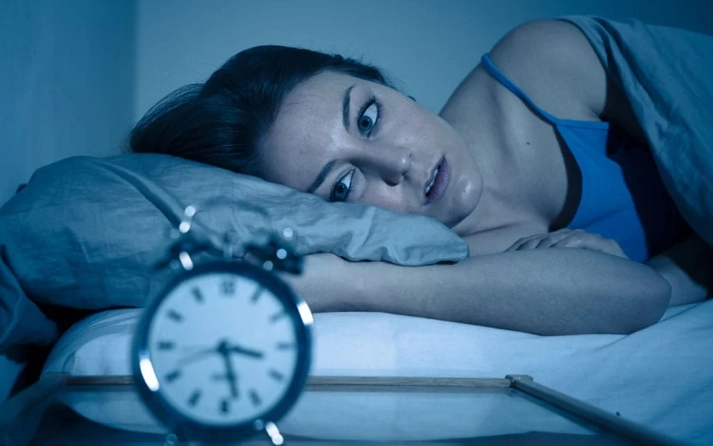
This isn't about quick fixes or magic pills. It's a practical, step-by-step manual for those desperate, dark hours. We'll cover what to do in the moment you're awake, what to absolutely avoid, and how to build long-term habits so these episodes become rare. Let's break it down.
Why Does This Even Happen? The Midnight Wake-Up Call
Before we get to the solutions, it helps to know the enemy. Waking up in the middle of the night, often called sleep maintenance insomnia, has a few usual suspects.
Stress and anxiety are the heavyweight champions here. Your brain's threat-detection system (the amygdala) doesn't clock off. It might finally process that worrying email from 5 PM or tomorrow's presentation during your lighter sleep stage. The National Institute of Mental Health notes that anxiety disorders are tightly linked to sleep disturbances, including frequent nighttime awakenings.
Then there's lifestyle. That evening glass of wine? It might help you fall asleep, but as alcohol metabolizes, it acts as a stimulant, often jolting you awake around 2-3 AM. Caffeine's half-life is longer than you think. A 3 PM coffee can still be partying in your system at midnight.
Your environment matters too. A room that's too warm, a sliver of streetlight, or a partner's snoring can pull you from deep sleep into full consciousness. Even your bladder, thanks to that herbal tea you drank before bed, can be the culprit.
But sometimes, it's just your sleep architecture. As we age, sleep naturally becomes more fragmented. You spend less time in deep, hard-to-wake sleep and more in lighter stages.
The Golden Rules: What to Do RIGHT NOW (The 3 AM Playbook)
Okay, you're awake. Heart pounding, mind racing. Here is your immediate action plan for what to do if you can't sleep in the middle of the night. The goal isn't to sleep—that creates pressure. The goal is to become calm and sleep-ready.
The 20-Minute Rule: Your First Decision Point
This is the single most important rule. Do not just lie there in frustration. If you've been awake for roughly 20 minutes (don't watch the clock, just estimate), get out of bed.
Why? Your brain is an association machine. Right now, it's starting to associate your bed with anxiety, frustration, and wakefulness. You need to break that link. By getting up, you're telling your brain, "Bed is for sleep, not for worrying." Go to another room, or sit in a chair. Keep the lights very dim (more on that later).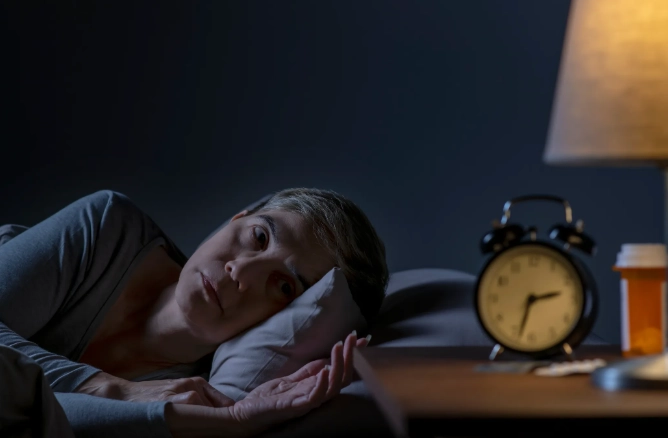
Quiet the Mental Chatter: Cognitive Techniques
Your mind is in overdrive. Telling it to "stop thinking" is useless. You need to gently redirect it.
- The Mental Dump: Keep a notepad by your bed (not your phone!). If you're worrying about tasks, write them down in one or two words. "Call plumber." "Prep meeting slides." The act of externalizing the thought often disarms it.
- Boring Mental Games: Try to name all the MLB teams. Recite the alphabet backwards. Count backwards from 300 by 7s. The goal isn't to succeed, it's to engage a boring, non-emotional part of your brain to crowd out the anxiety.
- Passive Observation: Instead of fighting thoughts, label them. "Ah, there's the work worry thought." "Here's the planning-for-tomorrow thought." Imagine them as clouds drifting by. This technique, related to mindfulness, reduces the emotional charge. The American Psychological Association highlights mindfulness as an evidence-based strategy for reducing stress and rumination that interferes with sleep.
Calm the Body: The Physical Reset
Anxiety has a physical component—tense muscles, quick breath. Calm the body, and the mind often follows.
Progressive Muscle Relaxation: Start at your toes. Clench them tightly for 5 seconds, then release completely, focusing on the sensation of warmth and relaxation. Move up to your calves, thighs, abdomen, hands, arms, shoulders, and face. This teaches your body the difference between tension and relaxation, which you might have forgotten in your stressed state.
What if you're just... bored and awake? Not anxious, just alert. That's a different beast. Sometimes a very dull, low-stakes activity can help. I keep a boring paperback (think: history of accounting) in my living room for this purpose. Reading a few pages under a dim lamp often makes my eyes heavy.
The "Do Not" List: What Makes Middle-of-the-Night Insomnia Worse
Knowing what not to do is half the battle. These are the traps that turn a brief awakening into a full-blown sleepless night.
Do Not Reach for Your Phone. The blue light from screens suppresses melatonin, the hormone that tells your brain it's sleep time. But worse than the light is the content. Scrolling through news or social media injects stress, drama, and mental stimulation directly into your brain when it needs quiet. The National Sleep Foundation is very clear on this: screens are a major sleep disruptor.
Do Not Turn on Bright Lights. Flipping on the bathroom light tells your brain's internal clock (circadian rhythm) that it's morning. Use the minimum light necessary—a small nightlight, a dim salt lamp, or a flashlight with a red filter (red light has the least impact on melatonin).
Do Not Eat a Meal. A small sip of water is fine, but don't go make a sandwich. Digesting a large snack tells your body it's time to be active, not restful.
Do Not Start Problem-Solving. This is the time for mental distraction, not for finally figuring out your budget or planning the vacation. Engaging in complex thinking activates the prefrontal cortex, the brain's CEO, which is the opposite of what you want for sleep.
Building Your Sleep Fortress: Long-Term Strategies
Reacting well at 3 AM is crucial, but the real victory is preventing the wake-up in the first place. This is about sleep hygiene—a terrible name for a vital concept. It's just daily habits that promote solid sleep.
Master Your Light Exposure
Your circadian rhythm runs on light. Get bright, natural light (preferably sunlight) in your eyes within an hour of waking. This sets your clock for the day. Conversely, dim the lights 2-3 hours before bed. Consider using blue-light-blocking glasses in the evening if you must use screens.
Wind Down, Don't Crash Down
Your brain needs a transition from "on" to "off." Create a 45-60 minute buffer zone before your target bedtime. This is not for chores or intense TV shows. It's for gentle activities: reading a physical book, light stretching, listening to calm music or a boring podcast, taking a warm shower (the cooldown afterward helps lower core body temperature, a sleep signal).
Rethink Your Bedroom
Your bedroom should be a cave: cool, dark, and quiet. Aim for around 65°F (18°C). Use blackout curtains. If noise is an issue, try a white noise machine or a fan. The goal is to remove sensory disturbances that could pull you from light sleep.
Manage the Anxiety Reservoir
If you're carrying a tank of stress to bed, it's going to leak out at night. This is the big one. Incorporate daily stress-reduction practices. This could be a 10-minute meditation (apps like Headspace have sleep-specific content), journaling your worries earlier in the day, or even just a daily walk. The American Psychological Association offers extensive resources on managing stress, which is foundational for good sleep.
| Strategy | What to Do | Why It Works | Potential Pitfall |
|---|---|---|---|
| The Get-Up Rule | Leave bed after ~20 mins of wakefulness. | Prevents associating bed with anxiety/frustration. | Turning on bright lights or starting stimulating activity. |
| Light Management | Sunlight AM, dim lights PM, no screens in bed. | Regulates melatonin and strengthens circadian rhythm. | Thinking "just one quick email" on your phone in bed. |
| Wind-Down Routine | 45 mins of calm activity before target bedtime. | Signals to nervous system that sleep is approaching. | Using this time for exciting TV, work, or arguments. |
| Stress Offload | Daily worry journal, meditation, or walk. | Reduces the "anxiety reservoir" you bring to bed. | Only trying to relax when you're already in bed panicking. |

Answers to the Questions You're Too Tired to Google at 4 AM
Let's tackle some specific scenarios. These are the questions that swirl when you're trying to figure out what to do if you can't sleep in the middle of the night.
"Should I just take a sleeping pill?"
Over-the-counter sleep aids (like diphenhydramine) can make you feel groggy and hungover the next day, and they lose effectiveness quickly. Prescription medications should only be used under a doctor's guidance for short-term, specific situations. They don't teach you skills and can sometimes worsen sleep architecture. The goal is to become a competent sleeper, not dependent on a substance. The National Institute on Aging provides cautious guidance on sleep medication use, especially for older adults.
"Is it okay to nap the next day?"
If you must, make it a power nap: 20 minutes max, before 3 PM. Anything longer or later can rob sleep pressure from the following night, potentially starting a cycle. Better than napping? Go for a brisk walk outside. The light and movement will help reset your rhythm more than a nap that leaves you groggy.
"What if my partner is the one snoring or moving?"
This is a common relationship strain. Have the conversation during the day, not at 3 AM in frustration. Solutions can include earplips, a white noise machine, separate blankets to reduce movement disturbance, or even evaluating if a sleep study for the snoring partner is needed (for conditions like sleep apnea). It's a team problem needing a team solution.
"When should I actually see a doctor?"
If this is happening most nights for more than three weeks and is significantly impacting your daytime function (extreme fatigue, mood changes, poor concentration), it's time to talk to your GP or a sleep specialist. They can rule out underlying conditions like sleep apnea, restless legs syndrome, thyroid issues, or clinical anxiety/depression. The National Sleep Foundation is a great resource for finding accredited sleep centers and understanding when to seek help.
The Mindset Shift: Your Most Powerful Tool
All the techniques in the world can fail if your mindset is "If I don't fall back asleep right now, tomorrow will be a disaster." That thought is a guaranteed adrenaline shot.
Here's the counter-intuitive truth: Rest is not the same as sleep. Lying quietly in the dark with your eyes closed, even if you're not asleep, is still restorative. Your body is still getting some benefit. It's not as good as sleep, but it's infinitely better than panicking. The goal of what to do if you can't sleep in the middle of the night shifts from "I must sleep" to "I will be calm and restful."
Expecting perfect, uninterrupted sleep every night sets you up for frustration. Our ancestors likely had segmented sleep. Some nights will be better than others. Your job is not to control sleep—you can't. Your job is to create the conditions for it to happen naturally and to respond with grace when it doesn't.
So tonight, if you find yourself awake, remember the playbook. Give yourself 20 minutes. If sleep doesn't come, get up calmly. Do something boring and quiet in dim light. Breathe. Be kind to your frustrated self. You're not broken. You're just a human, awake in the quiet of the night, and you have a plan.
Reader Comments