You wake up, grab your phone, and check the number. 82. Not bad. But what does it actually mean? Is 82 good? Why wasn't it 85 like yesterday? If you use a sleep tracker from Oura, Fitbit, Whoop, or Apple, you're probably familiar with this morning ritual. That sleep quality score has become a daily report card for our rest, but most of us have no idea how it's graded.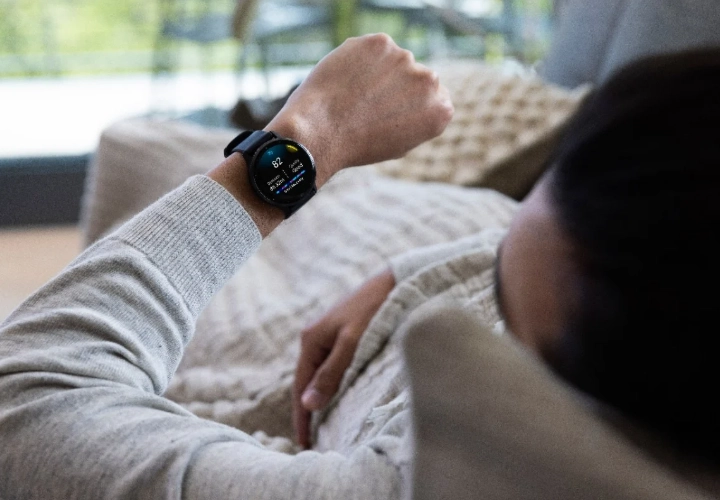
I've been obsessing over sleep data for years, both personally and while helping clients untangle their fatigue. Here's what I've learned: that score is a useful compass, but it's not the map. Relying on it blindly can lead you astray. Let's decode what's really behind the algorithm and, more importantly, what you can actually do to move the needle.
What You'll Learn Inside
What is a Sleep Quality Score?
Think of it as a single-digit summary of your night's sleep, generated by an algorithm. It's not a medical diagnosis. It's a heuristic—a smart guess—based on the biometric and movement data your wearable or bedside device collects.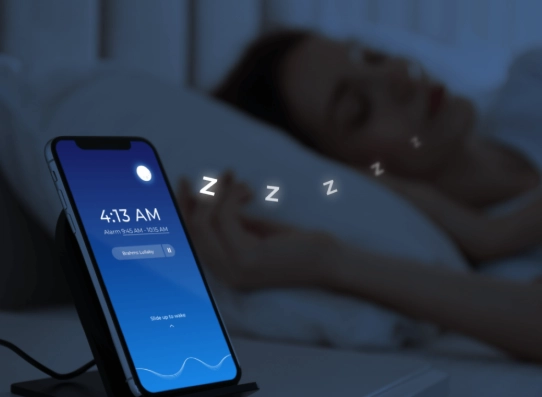
The goal is to simplify complex data (heart rate, movement, time asleep) into something digestible. Instead of staring at a graph of your sleep stages and wondering if it's "good," you get a score. 90 feels great. 65 feels like a warning.
But here's the crucial bit everyone misses: there is no universal standard. The American Academy of Sleep Medicine has guidelines for what constitutes healthy sleep, but the scoring algorithms are proprietary black boxes owned by the tech companies. Your Fitbit score and your Oura Ring score are calculated differently. Comparing them is like comparing a French chef's score for a soup to an Italian chef's score for the same soup—they're looking for different things.
The Big Picture: Your sleep quality score is a feedback tool, not a judgment. Its real value isn't in the daily number, but in the trends it reveals over weeks and months. A sudden drop can signal stress, illness, or a habit that's backfiring.
How Your Score is Calculated: The Hidden Recipe
While each company guards its secret sauce, they generally mix a few common ingredients. By understanding these, you know what levers to pull.
Most algorithms weigh factors like:
- Sleep Duration: Did you hit the recommended 7-9 hours? This is usually a base score.
- Sleep Efficiency: This is huge. It's the percentage of time in bed you're actually asleep. Lying awake for an hour tanks this metric. High efficiency (90%+) boosts your score.
- Restlessness: How much did you toss and turn? Less movement suggests deeper, more consolidated sleep.
- Sleep Stages: The balance of light, deep, and REM sleep. Getting sufficient deep and REM sleep is heavily weighted.
- Sleep Timing & Consistency: Going to bed and waking up at consistent times aligns with your circadian rhythm and scores well.
- Biometrics: Resting heart rate and heart rate variability (HRV). A lower resting heart rate and higher HRV during sleep indicate better recovery and less stress on your body.
Let's look at how some popular devices might emphasize these differently. This isn't their official formula, but based on my experience and community reports.
| Device/App | Heavy Emphasis On | Unique Factor |
|---|---|---|
| Oura Ring | Sleep Timing, Biometrics (HRV), Readiness Score Integration | Very sensitive to lifestyle factors (late meals, alcohol) the night before. |
| Fitbit / Google Pixel Watch | Sleep Stages, Duration, Restlessness | Sleep Score breakdown in the app is very detailed and educational. |
| Whoop | Sleep Performance vs. Need, Recovery Integration | Focuses on whether you slept as much as your body needed based on strain. |
| Apple Watch (with AutoSleep) | Heart Rate, Movement, Time Asleep (simpler algorithm) | More straightforward, less "black box" feeling for some users. |
See the difference? If your Oura score is low, check your bedtime consistency. If your Fitbit score dips, look at your sleep stage graph for missing deep sleep.
How to Interpret Your Score (Without Obsessing)
This is where people get neurotic. They chase a perfect 100 every night. That's not the point, and it's not realistic.
First, establish your personal baseline. Wear your tracker consistently for two weeks without trying to "game" the score. What's your average? Maybe it's 78. That's your normal. Now, look for deviations.
A score 5-10 points below your baseline is a signal. Don't ignore it, but don't panic. Ask: Did I have coffee after 2 PM? Was I stressed about work? Did I scroll in bed for an hour? Connect the dots.
A score 10+ points above your baseline is also information. What did you do differently? Maybe you exercised in the morning, not the evening. Maybe you finished eating earlier. Replicate that.
The biggest mistake I see? People fixate on the absolute number and ignore their own feelings. You can score an 85 and feel groggy. You can score a 72 and feel refreshed. Your subjective feeling is data too, and sometimes it's more accurate than the algorithm. If you feel good but the score is "low," the algorithm might be missing something (like how refreshed you feel upon waking, which it can't measure).
When to Ignore the Score
Seriously. Ignore it.
Ignore it on nights after long travel, during illness, or after a major stressful event. The score will be chaotic and not reflective of your habits. Ignore it if you forgot to charge your device and it only tracked half the night. Bad data is worse than no data.
The score is a servant, not a master. Use it to inform your choices, not to define your day.
How to Improve Your Sleep Quality Score: Actionable Steps
Want to nudge that number up in a sustainable way? You have to work with the algorithm's ingredients. Here’s a tactical plan, ordered by impact.
1. Master Sleep Consistency (The #1 Lever)
This is the most powerful thing you can do. Pick a bedtime and wake-up time, and stick to them within 30 minutes—even on weekends. Yes, Saturday too.
Why it works: Consistency regulates your internal clock (circadian rhythm). This improves sleep efficiency (you fall asleep faster), reduces nighttime awakenings, and optimizes sleep stage distribution. Your tracker sees less restlessness, better timing metrics, and often improved biometrics. I promise, this one habit will boost your average score more than anything else.
2. Build a Realistic Wind-Down Routine
"Wind down" sounds fluffy, but for your score, it's concrete. It's about increasing sleep efficiency.
Start 60 minutes before your target bedtime. Dim the lights. Put your phone on a charger outside the bedroom. Read a physical book, listen to calm music, do gentle stretching. The goal is to lower your cognitive and physiological arousal before you even get in bed. This directly cuts down "sleep latency" (time to fall asleep) and reduces tossing and turning in the first sleep cycle, which trackers heavily penalize.
3. Optimize Your Sleep Environment for Less Restlessness
Trackers measure movement. Make your environment minimize the need to move.
- Temperature: Cool is key. Aim for 65-68°F (18-20°C). A hot room causes more micro-awakenings and tossing.
- Darkness: Pitch black. Use blackout curtains or a sleep mask. Even small amounts of light can fragment sleep.
- Noise: Consistent white noise or a fan can mask disruptive sounds that cause movement.
- Bedding: This is personal, but if you're constantly adjusting your pillow or fighting with sheets, it shows up as restlessness.
4. Mind Your Evening Intake
Alcohol and late, heavy meals are score killers. Alcohol might help you fall asleep, but it devastates sleep architecture—trashing your deep and REM sleep later in the night. Your tracker sees this as increased heart rate and restlessness. Finish eating 2-3 hours before bed. Limit alcohol, and if you do drink, note how your score plummets. It's a clear cause-and-effect lesson.
5. Use Daytime Habits to Improve Nighttime Biometrics
Your daytime heart rate and HRV affect your nighttime readings.
- Morning Light: Get 10-15 minutes of sunlight first thing. This anchors your circadian rhythm.
- Regular Exercise: Improves HRV and lowers resting heart rate over time. Just avoid intense workouts too close to bedtime.
- Manage Stress: Chronic stress keeps your nervous system on high alert, hurting HRV. Five minutes of deep breathing or meditation can make a measurable difference.
Implement these steps one at a time. Watch your score for a week after each change. See what moves the needle for you. It's a personal experiment.
Your Questions Answered
My Apple Watch gives me a high sleep score, but I still feel tired. What's wrong?
This is a classic case of trusting the metric over your own body. Trackers are great at measuring movement and heart rate, but they can't measure sleep quality factors like sleep architecture (the balance of deep and REM sleep) or subjective refreshment. A high score with persistent fatigue could mean you're getting enough light sleep but missing crucial deep sleep cycles. It could also point to issues a tracker can't see, like sleep apnea or restless legs syndrome. Listen to your fatigue. If it persists for weeks despite good scores, consider a sleep study or discussing it with your doctor.
What's the single fastest way to boost my sleep quality score on most apps?
Focus ruthlessly on sleep consistency. Go to bed and wake up at the same time every day, even on weekends. This one habit has an outsized impact on almost every algorithm because it directly strengthens your circadian rhythm. A regular schedule improves sleep efficiency (less time awake in bed), reduces sleep latency (you fall asleep faster), and stabilizes heart rate variability. I've seen clients bump their average score by 15-20 points within two weeks just by locking in a consistent schedule, more than any fancy pillow or supplement.
Are sleep quality scores from different apps comparable?
Not directly, and this causes a lot of confusion. A score of 85 on Oura Ring does not equal 85 on Fitbit or Withings. Each company uses a proprietary algorithm with different weightings for metrics like restlessness, timing, and biometrics. Oura might heavily weight heart rate variability, while Fitbit prioritizes sleep stages. Instead of comparing raw numbers, use your app's score as a personal baseline. Track trends within the same ecosystem. Is your score improving over time? That's a meaningful comparison. Switching devices means resetting your baseline.
Your sleep quality score is a tool for awareness, not anxiety. Understand what it's measuring, focus on the foundational habits that drive those metrics—consistency, environment, and routine—and use the number as a guide, not a grade. The real goal isn't a perfect 100. It's waking up feeling restored, day after day. Let the score help you get there.
Reader Comments