Quick Navigation: Skip to What Matters
Let's get straight to it. If you're wide awake at 2 AM, staring at the ceiling and debating whether to just give up and stay up, my answer as a sleep coach with over a decade of experience is usually no—but with a big caveat. The standard advice of "stay in bed and try to sleep" can backfire, making you more anxious and perpetuating insomnia. I've seen it happen too many times. Instead, there's a smarter way to handle those sleepless nights that doesn't involve wrecking your next day. This guide will walk you through the why, the what-if, and the how-to, so you can make an informed decision without falling into common traps.
The Immediate Temptation: Why We Consider Staying Up
You know the feeling. You're exhausted but your brain won't shut off. The clock ticks louder with each passing minute. Frustration builds, and the bed starts to feel like a prison. The idea of escaping to watch TV, scroll through your phone, or even get some work done begins to sound rational. "Maybe if I just tire myself out," you think. Or, "I'll catch up on sleep tomorrow." This mindset is driven by anxiety and a desperate need for control, not logic.
I remember a client, Lisa, who told me she'd often stay up binge-watching shows when she couldn't sleep. She thought it distracted her from worry, but the blue light from the screen—as highlighted by the American Academy of Sleep Medicine—suppressed her melatonin, making it even harder to sleep later. Her sleepless nights became a cycle because she associated bed with frustration, not rest.
Here's the subtle mistake many make: they confuse "rest" with "sleep." Lying in bed awake for hours isn't restful; it's stressful. Your brain starts linking the bedroom with anxiety, which is a recipe for chronic insomnia. That's why the temptation to stay up is so strong—it feels like an escape from the torture. But it's often a trap.
The Real Cost of an All-Nighter: What Science Says
Staying up all night isn't just about feeling groggy the next day. It has tangible, measurable effects on your body and mind. According to the National Sleep Foundation, even one night of total sleep deprivation can impair cognitive function equivalent to having a blood alcohol concentration of 0.10%—that's above the legal limit for driving in many places.
Let's break down what happens when you pull an all-nighter:
- Cognitive Decline: Your attention span shrinks, memory recall falters, and decision-making becomes sluggish. A study in the journal Sleep found that after 24 hours without sleep, reaction times slow by up to 30%, and error rates spike.
- Emotional Toll: You're more prone to irritability, mood swings, and anxiety. The amygdala—the part of your brain that processes emotions—goes into overdrive, making you react more strongly to negative stimuli.
- Physical Health Impact: Short-term, your immune system weakens, increasing susceptibility to infections. Long-term, chronic sleep loss is linked to obesity, type 2 diabetes, cardiovascular disease, and even a shortened lifespan. The Centers for Disease Control and Prevention (CDC) reports that insufficient sleep is a public health epidemic.
- Metabolic Disruption: Your body's ability to regulate blood sugar and appetite hormones like leptin and ghrelin goes haywire. That's why you might crave junk food after a sleepless night.
I once worked with a student who pulled all-nighters before exams, thinking it helped him cram. His grades actually dropped because his recall during tests was foggy. The science is clear: sacrificing sleep for productivity is counterproductive. Your brain consolidates memories and processes information during sleep, so skipping it undermines the very thing you're trying to achieve.
What to Do Instead: A Step-by-Step Plan for Sleepless Nights
Instead of resigning yourself to an all-nighter, try this expert-approved approach. It's based on cognitive behavioral therapy for insomnia (CBT-I), which is considered the gold standard by sleep specialists. I've tailored it from years of helping clients break the cycle.
Step 1: Implement the 20-Minute Rule (But Don't Watch the Clock)
If you haven't fallen asleep after about 20 minutes in bed, get up. Don't obsess over the exact time—set a gentle mental note. Lying there awake reinforces the link between your bed and wakefulness, which can worsen insomnia over time. This isn't about giving up on sleep; it's about preserving your bedroom as a sleep sanctuary.
Step 2: Engage in a Low-Stimulus Activity Outside the Bedroom
Leave the bedroom. Go to another room with dim, warm lighting—think a small lamp, not overhead lights. Do something boring but mildly engaging. Examples: read a physical book (avoid e-readers with backlights), listen to an audiobook or calming music without lyrics, practice gentle stretching or deep breathing exercises. The key is to avoid anything stimulating: no screens, no work emails, no stressful tasks. I often recommend clients keep a "sleepless night kit" with a dull novel and a notepad for jotting down worries (to get them out of your head).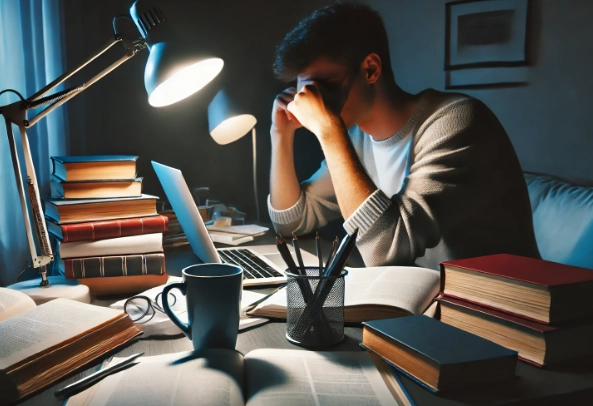
Step 3: Return to Bed Only When You Feel Sleepy
Once you start feeling drowsy—yawning, heavy eyelids—go back to bed. If sleep doesn't come within another 20 minutes, repeat the process. This might feel tedious, but it retrains your brain to associate bed with sleep, not frustration. Over time, it reduces the time spent awake in bed.
Here's a quick reference table of do's and don'ts during sleepless nights:
| Do This | Avoid This |
|---|---|
| Get out of bed after 20 minutes of wakefulness | Stay in bed for hours tossing and turning |
| Read a paperback book in dim light | Scroll through your phone or watch TV |
| Practice deep breathing or progressive muscle relaxation | Drink caffeine, alcohol, or sugary snacks |
| Keep the room cool (around 65°F or 18°C) and dark | Check the clock repeatedly—it increases anxiety |
| Use a notepad to jot down worries if needed | Engage in work, intense exercise, or heated discussions |
A non-consensus point I emphasize: many guides say "avoid all light," but a tiny bit of warm light for reading is okay if it helps you relax. The goal is to reduce stimulation, not create a pitch-black prison. I've found clients who force themselves into total darkness often get more anxious.
A Night in the Life: Case Study of a Sleepless Night
Let's walk through a detailed hypothetical scenario to make this concrete. Meet Alex, a graphic designer with a major client presentation at 10 AM. He goes to bed at 11 PM but can't sleep due to presentation anxiety.
Wrong Approach (The All-Nighter Trap): Alex stays in bed, worrying. He checks his phone at 1 AM to review his slides, exposing himself to blue light. By 3 AM, he's wide awake and decides to "get ahead" by working on other projects. He drinks coffee to stay alert. At 7 AM, he's exhausted but wired, stumbles through his presentation with muddled thoughts, and makes errors that cost him the client.
Right Approach (The Expert Strategy): At 11:20 PM, after not sleeping, Alex gets up. He goes to the living room, turns on a soft lamp, and reads a few chapters of a novel he finds mildly interesting but not gripping. By 11:50 PM, he feels sleepy and returns to bed. He falls asleep by 12:15 AM and wakes up at 6:30 AM, getting about 6 hours of sleep. He feels rested enough to deliver a coherent presentation, and even if he's not at peak performance, he avoids the catastrophic effects of an all-nighter.
This illustrates the power of breaking the cycle early. Alex's key insight was recognizing that forcing sleep was futile—prioritizing relaxation allowed sleep to come naturally. I've seen this work with clients who have insomnia for decades; it's about shifting mindset from "I must sleep" to "I'll rest and let sleep happen."
Common Myths About All-Nighters Debunked
There's a lot of misinformation out there. Let's clear up some persistent myths that might lead you astray.
Myth 1: "You can catch up on sleep over the weekend." While you can recover some sleep debt, research from the Sleep Research Society shows that chronic sleep loss isn't fully reversible. One all-nighter might be offset by a long nap or extra sleep the next night, but it doesn't restore optimal cognitive function or repair metabolic damage. Your body doesn't work like a bank where you can deposit and withdraw sleep at will.
Myth 2: "Staying up will make you so tired that you'll sleep better the next night." Not necessarily. It can disrupt your circadian rhythm—your internal body clock—leading to more insomnia. Your sleep drive increases, but if you go to bed at your usual time after an all-nighter, you might experience fragmented sleep or early waking. I've had clients who pulled all-nighters and then struggled with insomnia for weeks afterward because their rhythm was thrown off.
Myth 3: "It's fine if you're young and resilient." Young adults might tolerate sleep deprivation better subjectively, but the health risks still apply. A CDC report highlights that sleep deprivation affects all age groups, and in young people, it's linked to poor academic performance, mental health issues, and risky behaviors. Resilience isn't immunity.
Myth 4: "Drinking coffee can offset the effects." Caffeine might mask sleepiness temporarily, but it doesn't restore cognitive function. It can also worsen anxiety and disrupt sleep later, creating a vicious cycle. I tell clients: coffee after an all-nighter is like putting a band-aid on a broken leg—it might help you limp along, but it doesn't fix the underlying problem.
FAQ: Your Burning Questions Answered
Remember, the goal isn't to achieve perfect sleep every night—that's unrealistic. It's to handle sleepless nights wisely when they happen. By avoiding the all-nighter trap and using these evidence-based strategies, you can minimize the impact on your health and productivity. Sleep is a skill, and like any skill, it takes practice and patience. Start tonight: if you find yourself awake, try getting up instead of fighting it. You might be surprised at how quickly sleep finds you when you stop chasing it.
Reader Comments