You know the drill. It's 2 AM, you've been staring at the ceiling for what feels like an eternity, and sleep is nowhere in sight. I've been there—lying in bed for hours, mind racing, body tense, wondering why sleep feels like a distant memory. It's frustrating, exhausting, and frankly, a bit scary when it happens night after night. But here's the thing: you're not alone, and more importantly, there are concrete reasons why this happens and real steps you can take to fix it. Let's dive into why you can't sleep and how to reclaim your nights.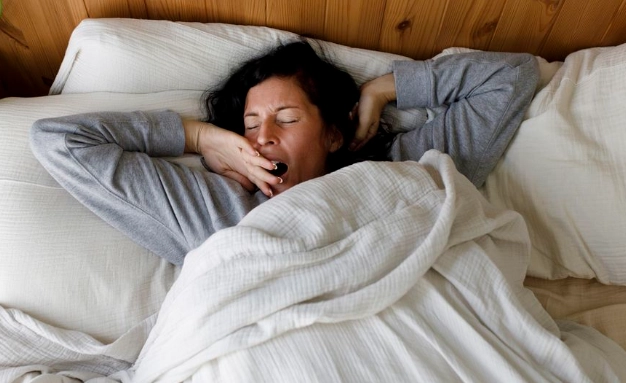
Jump Straight to What Matters
The Real Reasons You're Stuck in Bed Awake
Most people think insomnia is just about stress, but it's way more nuanced. From my own experience and talking to sleep specialists, I've learned that lying awake for hours often stems from a mix of mental, physical, and environmental factors. Let's break it down.
Mental Overload and Anxiety: The Silent Sleep Killer
Your brain doesn't have an off switch. When you're stressed about work, relationships, or even that awkward conversation from three years ago, your mind goes into overdrive. I remember a period where I'd lie in bed replaying every mistake of the day—it was like a broken record. This isn't just "worrying"; it's your nervous system stuck in fight-or-flight mode, releasing cortisol that tells your body to stay alert. Research from the National Sleep Foundation highlights that anxiety disorders are a leading cause of sleep onset insomnia, where you can't fall asleep initially.
Poor Sleep Hygiene Mistakes You're Probably Making
Sleep hygiene sounds boring, but mess it up, and you'll pay the price. Common errors include:
- Screen time before bed: That Netflix binge isn't helping. Blue light from devices suppresses melatonin, the sleep hormone. A study published in the Journal of Clinical Sleep Medicine found that using phones within an hour of bedtime delays sleep by over 30 minutes.
- Inconsistent sleep schedule: Going to bed at 10 PM one night and 2 AM the next confuses your internal clock. Your body thrives on routine.
- Eating too late: A heavy meal right before bed can cause digestion issues that keep you awake. I learned this the hard way after a late-night pizza session.
Here's a quick table to summarize key sleep hygiene pitfalls and fixes:
| Common Mistake | Why It Keeps You Awake | Quick Fix |
|---|---|---|
| Using electronic devices | Blue light reduces melatonin production | Switch to reading a book or listening to calm music 1 hour before bed |
| Irregular bedtime | Disrupts circadian rhythm | Set a consistent sleep-wake time, even on weekends |
| Consuming caffeine late | Stimulates the nervous system | Avoid caffeine after 2 PM |
How to Break the Cycle: Practical Steps That Work
Enough with the problems—let's talk solutions. If you're lying in bed for hours can't sleep, these actionable steps can help you fall asleep faster. I've tested these myself, and while not all worked perfectly, they made a huge difference.
Step 1: Get Out of Bed (Yes, Really)
This sounds counterintuitive, but staying in bed when you're awake trains your brain to associate the bed with wakefulness. After 20 minutes of tossing and turning, get up. Go to another room, do something boring like reading a dull book (avoid screens!), and only return when you feel sleepy. This technique, called stimulus control, is backed by the American Academy of Sleep Medicine as a first-line treatment for insomnia.
Step 2: Practice Progressive Muscle Relaxation
Anxiety often manifests as physical tension. Lie down and systematically tense then relax each muscle group, starting from your toes up to your head. I found this tricky at first—my mind would wander—but with practice, it signals your body to unwind. Combine it with deep breathing: inhale for 4 seconds, hold for 7, exhale for 8. This 4-7-8 method slows your heart rate and promotes relaxation.
Step 3: Reframe Your Thoughts
Worrying about not sleeping creates a vicious cycle. Instead of thinking "I need to sleep now or I'll be ruined tomorrow," try accepting the wakefulness. Tell yourself, "It's okay to rest even if I don't sleep." This reduces performance anxiety around sleep. A client of mine, Sarah, used this approach and reported falling asleep 50% faster within two weeks.
Pro tip from a sleep coach: Many people obsess over sleep trackers, but they can increase anxiety. If you're checking your device every hour, you're reinforcing the problem. Focus on how you feel, not the data.
Creating a Sleep Sanctuary: Your Bedroom Setup
Your environment plays a massive role. If your bedroom feels like a chaotic office, no wonder you can't sleep. Let's optimize it.
Temperature and Lighting: The Overlooked Factors
Most people set the thermostat too high. The ideal sleep temperature is around 65°F (18°C). Cooler temperatures help lower your core body temperature, a signal for sleep onset. For lighting, invest in blackout curtains. Even small amounts of light from street lamps can interfere with melatonin. I switched to blackout shades and noticed an immediate improvement in sleep quality.
Noise Control and Comfort
If noise is an issue, consider a white noise machine or a fan. These create a consistent sound backdrop that masks disruptions. For your mattress and pillows, replace them every 7-10 years. An old, saggy mattress can cause discomfort that keeps you awake without you realizing it. A study from the Sleep Health Journal notes that mattress quality directly impacts sleep efficiency.
Here's a checklist for your sleep sanctuary:
- Temperature: Keep it cool, between 60-67°F.
- Light: Use blackout curtains and avoid blue light sources.
- Noise: Add white noise if needed.
- Comfort: Ensure your mattress supports your spine.
When It's More Than Just a Bad Night: Seeking Help
Sometimes, lying awake for hours signals a deeper issue. If you've tried self-help strategies for over a month with no improvement, it might be time to see a professional.
Recognizing Sleep Disorders
Conditions like chronic insomnia, sleep apnea, or restless legs syndrome can cause prolonged wakefulness. Sleep apnea, for instance, involves breathing interruptions that you might not notice but disrupt sleep cycles. A friend of mine thought he just had insomnia, but a sleep study revealed mild apnea—treating it changed his life.
Where to Get Help
Start with your primary care doctor, who can refer you to a sleep specialist. Cognitive Behavioral Therapy for Insomnia (CBT-I) is considered the gold standard treatment, with success rates over 70%. It addresses the thoughts and behaviors fueling sleeplessness. Resources like the American Sleep Association offer directories to find certified providers.
Don't ignore persistent sleep issues. They can impact your health, increasing risks for heart disease and depression.
Reader Comments