Quick Overview
- The Direct Answer: Prescription Medications for Sleep
- The Over-the-Counter (OTC) Landscape: What's on the Shelf?
- The Gold Standard You Haven't Heard Enough About: CBT-I
- Beyond Pills: The Non-Medication Toolkit You Need
- Answering Your Burning Questions (FAQ)
- Putting It All Together: A Realistic Action Plan
Let's cut to the chase. You're exhausted. Your brain feels foggy, your eyes are heavy, but sleep just won't come, or it's broken and unsatisfying. The question burning in your mind is a simple one: Is there medication for sleep deprivation? You've probably typed that exact phrase into Google, hoping for a clear answer, maybe even a magic pill.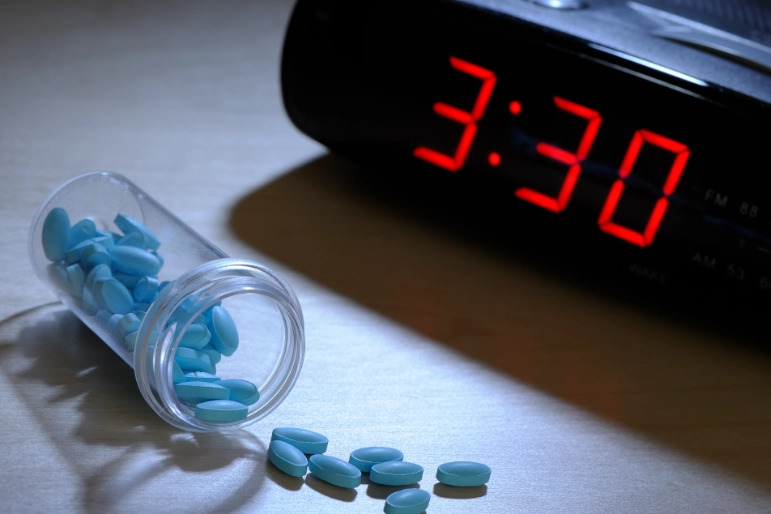
I get it. I've been there myself, staring at the ceiling at 3 AM, feeling utterly desperate. And I've talked to countless friends and readers who share that same desperate search for a solution.
The short, honest answer is yes, there are medications that can help with the symptoms of sleep deprivation by promoting sleep. But—and this is a huge but—they are not a simple cure, and they come with significant strings attached. The real story is much more nuanced, and frankly, more about long-term strategy than quick fixes. Pills might help you get sleep in the short term, but they often don't address why you're not sleeping, and some can even make the underlying problem worse over time.
This guide isn't going to sell you a miracle. It's going to walk you through the messy, complicated reality of sleep deprivation treatment. We'll look at what doctors actually prescribe, what you can buy off the shelf, the hidden dangers most people don't talk about, and the powerful non-drug options that often work better in the long run. Think of this as your roadmap, not just to a single night's rest, but to rebuilding a healthy relationship with sleep.
Key Takeaway Up Front: Medication is typically a short-term tool for acute sleep issues, not a long-term solution for chronic sleep deprivation. The most effective approach almost always combines targeted medical intervention (if needed) with behavioral and lifestyle changes. Jumping straight to pills without understanding the root cause is like putting a bandage on a broken arm.
The Direct Answer: Prescription Medications for Sleep
So, is there medication for sleep deprivation prescribed by doctors? Absolutely. When you see a doctor for chronic insomnia (the most common cause of persistent sleep deprivation), they have a toolkit of prescription options. These aren't "sleep deprivation pills" per se—they're medications designed to induce and maintain sleep, thereby alleviating the deprivation.
Doctors usually classify them into a few main groups. It's useful to know these because they work in different ways and have different risk profiles.
| Medication Class | Common Examples (Brand Names) | How They Work | Best For / Notes |
|---|---|---|---|
| Z-Drugs (Non-Benzodiazepine Receptor Agonists) | Zolpidem (Ambien), Eszopiclone (Lunesta), Zaleplon (Sonata) | Target specific GABA receptors in the brain to promote drowsiness. They have a shorter half-life than old-school sedatives. | Falling asleep quickly (zaleplon) or staying asleep (eszopiclone). The most commonly prescribed class for insomnia. Can cause sleepwalking, memory issues, and dependence. |
| Benzodiazepines | Temazepam (Restoril), Lorazepam (Ativan), Alprazolam (Xanax)* | Depress the central nervous system broadly by enhancing GABA. They are sedatives, anxiolytics, and muscle relaxants. | Historically used for sleep, but now less favored due to high risk of tolerance, dependence, and next-day grogginess. *Xanax is rarely prescribed primarily for sleep. |
| Melatonin Receptor Agonists | Ramelteon (Rozerem) | Mimics the body's natural sleep hormone, melatonin, to regulate the sleep-wake cycle. | People with trouble initiating sleep. Not a controlled substance, so lower abuse potential. Doesn't work for everyone. |
| Orexin Receptor Antagonists (Newer Class) | Suvorexant (Belsomra), Lemborexant (Dayvigo) | Blocks orexin, a neurotransmitter that promotes wakefulness. Essentially turns down the "wakefulness" signal. | Both sleep onset and maintenance insomnia. Can cause next-day drowsiness and rare sleep paralysis. A different mechanism than GABA drugs. |
| Antidepressants (Used Off-Label) | Trazodone, Doxepin (Silenor), Mirtazapine (Remeron) | Their sedating side effects are harnessed for sleep at low doses. Doxepin is specifically approved for sleep maintenance. | Chronic insomnia, especially when co-existing with depression or anxiety. Often preferred for longer-term use due to lower abuse risk. |
Looking at that table, you might think, "Great! Problem solved." Hold on. Here's the part your doctor will stress (or should stress) and that many online articles gloss over.
The Big Caveat with Prescription Sleep Aids: The American Academy of Sleep Medicine and the FDA strongly recommend that most of these drugs, especially the Z-drugs and benzodiazepines, be used only for short-term treatment—typically a few weeks. Why? Your body builds a tolerance, meaning you need more to get the same effect. They can be habit-forming. They often lose effectiveness over time. And they can disrupt natural sleep architecture, reducing precious deep sleep and REM sleep even while you're unconscious. You might be "asleep," but you're not getting fully restorative sleep.
I had a friend who was on Ambien for months. Sure, he knocked out fast, but he started sleep-eating (found empty chip bags in bed) and felt groggy every morning. He said it felt like a cheat code that eventually broke the game. Getting off it was its own nightmare. That's a common story.
So, when asking "is there medication for sleep deprivation," the responsible answer is: "Yes, but they are tools for specific situations, not lifelong crutches." A good doctor will prescribe them alongside a plan to address the root cause, like Cognitive Behavioral Therapy for Insomnia (CBT-I).
The Over-the-Counter (OTC) Landscape: What's on the Shelf?
Before you even get to a doctor, you've probably stared at the pharmacy wall of sleep aids. They're accessible, don't require a prescription, and promise relief. Do they work? Sort of. And with some significant downsides.
Most OTC sleep aids fall into two camps:
1. Antihistamines (Diphenhydramine & Doxylamine): This is the active ingredient in Benadryl, ZzzQuil, Unisom, and most generic "sleep aids." They block histamine, a neurotransmitter involved in wakefulness. They make you drowsy.
But here's my personal gripe with them.
The drowsiness is a side effect. Their primary job is to treat allergies. Using them nightly for sleep is off-label. Your body develops a tolerance to the sedating effect incredibly fast—often within a few days. So you need more. They also cause next-day brain fog, dry mouth, and can increase confusion in older adults. The American Geriatrics Society explicitly warns against their use in people over 65. I used them for a week during a stressful period and felt like I was walking through mud every morning. Not worth it for anything more than very occasional use.
2. Melatonin Supplements: This is your body's natural sleep hormone. Supplementing can help reset a messed-up circadian rhythm (like from jet lag or shift work).
A quick tip here: Less is more with melatonin. Studies show lower doses (0.5mg to 3mg) are often as effective as higher ones and cause fewer side effects (vivid dreams, morning grogginess). It's not a "knock-you-out" pill; it's a "signal-that-it's-bedtime" pill. Take it 1-2 hours before you want to sleep.
Other OTC players include Valerian Root (evidence is mixed, smells terrible) and Magnesium (some forms like glycinate can promote relaxation). They have milder effects and are generally safer for exploration, but they're not powerful enough for significant clinical sleep deprivation.
The core issue with OTC aids is that they treat the symptom (can't sleep) but ignore the cause (why can't you sleep?). Relying on them creates a psychological dependency—you believe you can't sleep without the pill.
The Gold Standard You Haven't Heard Enough About: CBT-I
If you take away one thing from this article, let it be this: Cognitive Behavioral Therapy for Insomnia (CBT-I) is the first-line, gold-standard treatment for chronic insomnia, as endorsed by the American College of Physicians and the American Academy of Sleep Medicine. It often beats medication for long-term results.
I know, I know. "Therapy" sounds time-consuming and maybe a bit soft. But CBT-I is a structured, skills-based program. It's not lying on a couch talking about your childhood; it's practical training to fix your sleep.
So what is it? It combines two things:
- Cognitive Therapy: Identifies and changes the anxious thoughts and beliefs about sleep that keep you awake ("If I don't sleep tonight, my tomorrow is ruined!").
- Behavioral Therapy: Changes the behaviors that harm sleep. The most powerful part is often Sleep Restriction and Stimulus Control.
Sleep Restriction sounds brutal but is genius. You temporarily limit your time in bed to only the number of hours you're actually sleeping. If you're lying in bed for 8 hours but only sleeping 5, you're only allowed in bed for 5 hours. This builds powerful sleep drive and consolidates sleep. As efficiency improves, you gradually expand your time in bed.
Stimulus Control teaches your brain that the bed is for sleep (and sex) only. No reading, no scrolling, no worrying in bed. If you're not asleep in 20 minutes, you get up, go to another room, and do something boring until you feel sleepy again.
The data is compelling. The National Institutes of Health has extensive resources on CBT-I, noting its high efficacy and durability. A study often cited in the journal Sleep found that CBT-I led to greater long-term improvements in sleep than zolpidem (Ambien). The effects of CBT-I last long after treatment ends, while medication effects often stop when the pill stops.
You can find certified therapists through the Psychology Today directory or use FDA-cleared digital CBT-I programs like Sleepio or Somryst. It requires effort, but it's an investment that pays off for years.
Beyond Pills: The Non-Medication Toolkit You Need
Medication is one aisle in the toolbox. Let's open the others. Treating sleep deprivation effectively means building a fortress of good habits. Here's my ranked list of the most impactful non-drug strategies, based on both science and anecdotal success.
Top Non-Drug Strategies for Beating Sleep Deprivation
- Master Your Light Exposure: Get bright light (preferably sunlight) first thing in the morning. This sets your circadian clock. Conversely, dim lights and avoid blue light (phones, tablets) 1-2 hours before bed. Amber glasses can help if you must use screens.
- Get Your Body Temperature Right: Your core temperature needs to drop to initiate sleep. A hot bath or shower 1-2 hours before bed actually helps—as you cool down afterward, it signals sleepiness. Keep your bedroom cool (around 65°F or 18°C).
- Wind Down, Don't Crash: Create a 30-60 minute buffer zone before bed. No work, no stressful conversations, no intense TV. Read a (physical) book, listen to calm music, do light stretching. This is the runway for sleep.
- Manage the Mental Chatter: A racing mind is the enemy of sleep. Try "brain dumping"—write down all your to-dos and worries on a notepad by your bed to get them out of your head. Apps with guided sleep meditations or body scans can also train your mind to quiet down.
- Watch Your Fuel: Avoid heavy meals, caffeine (after 2 PM for most), and alcohol close to bedtime. Alcohol might make you pass out, but it fragments sleep and wrecks sleep quality later in the night.
These aren't just "good tips." They are levers that directly influence the biological mechanisms of sleep: your circadian rhythm, sleep drive, and arousal system. They work synergistically. Fixing your light exposure can make your wind-down routine more effective. Managing temperature can help you fall asleep faster, reducing anxiety.
Answering Your Burning Questions (FAQ)
What is the strongest medication for sleep deprivation?
There's no single "strongest." It depends on the type of insomnia. For sheer knockout power to initiate sleep, high-dose zolpidem or certain benzodiazepines are potent. But "strongest" often correlates with highest risk of side effects and dependence. Newer orexin antagonists like Dayvigo are powerful in a different way, by blocking wakefulness. However, "strongest" is rarely the goal in modern sleep medicine. "Most appropriate with the best risk-benefit profile" is what a good doctor aims for.
Can I get a pill specifically for sleep deprivation?
Not exactly. There is no FDA-approved pill that magically reverses the cognitive or physical deficits of past sleep deprivation. Medications treat the cause of the deprivation (insomnia) by promoting future sleep. The only cure for the deprivation itself is to get sufficient, quality sleep. Caffeine and stimulants mask the symptoms temporarily but do not provide restorative sleep and can worsen the cycle.
What's the safest sleep aid?
For long-term use, behavioral therapy (CBT-I) is the safest, with no physiological side effects. Among medications, lower-dose melatonin (for circadian issues) and certain off-label antidepressants like low-dose trazodone or doxepin are generally considered to have safer profiles for longer-term use due to lower abuse potential compared to Z-drugs or benzos. Always, the safest option is the one tailored to your specific health profile by a doctor.
How do I talk to my doctor about this?
Be specific. Don't just say "I'm tired." Keep a simple sleep log for a week: note bedtime, estimated sleep onset, wake-ups, final wake time, and any medication/alcohol/caffeine. Go in and say: "I'm having trouble falling/staying asleep. It's been going on for [duration]. I've tried [mention OTC or lifestyle things]. It's affecting my [mood/work/daytime function]. Can we discuss both medication and non-medication options, including a referral for CBT-I?" This shows you're informed and seeking a comprehensive plan.
Putting It All Together: A Realistic Action Plan
So where do you start? Here's a step-by-step approach that makes sense.
Step 1: Investigate & Document. Before you do anything, become a sleep detective for 1-2 weeks. Use the log mentioned above. Look for patterns. Is it stress? Late caffeine? Screen time? Pain? This info is gold for you and any doctor.
Step 2: Optimize the Foundation. Immediately implement the top non-drug strategies. Lock down a consistent wake-up time (even on weekends), get morning light, and create a wind-down routine. Give this a solid 2-3 week try. You might be surprised.
Step 3: Seek Professional Help. If Step 2 isn't enough, see your doctor or a sleep specialist. Present your log and your efforts. Discuss your goals. Be open to both medication (as a short-term bridge) and a referral to a therapist for CBT-I (as the long-term solution).
Step 4: If Using Medication, Use It Wisely. If a prescription is part of the plan, use the lowest effective dose for the shortest effective time. Pair it diligently with the behavioral strategies from CBT-I. The goal is to use the medication to break the cycle of anxiety and poor sleep while you learn the skills to sleep well without it.
Step 5: Be Patient and Kind to Yourself. Sleep problems build over time and take time to fix. There will be good nights and bad nights. The goal is progress, not perfection. Chronic sleep deprivation rewires your brain's stress and sleep systems. Rewiring them back takes consistent practice.
The ultimate answer to "Is there medication for sleep deprivation?" is a layered one. Yes, pharmacological tools exist and can provide crucial short-term relief. But the most powerful, sustainable answer lies in understanding and treating the underlying causes with behavioral science. The best sleep plan doesn't ask you to choose between pills and therapy; it smartly combines them under expert guidance, with the clear goal of making you an independent, confident sleeper again.
Sleep is a biological necessity, not a luxury. Investing in fixing it is one of the highest-return investments you can make for your health, brain, and quality of life. Start tonight, not with desperation, but with a small, deliberate step.
Reader Comments