Quick Navigation
Let's be real for a second. We've all pulled an all-nighter. Maybe it was for a deadline, a sick kid, or just binge-watching a new series. You feel rough the next day, sure. Groggy, slow, craving coffee like it's oxygen. But what if you just... kept going? What happens after 3 days of no sleep, when you push past that first night and into a territory most of us can't even imagine?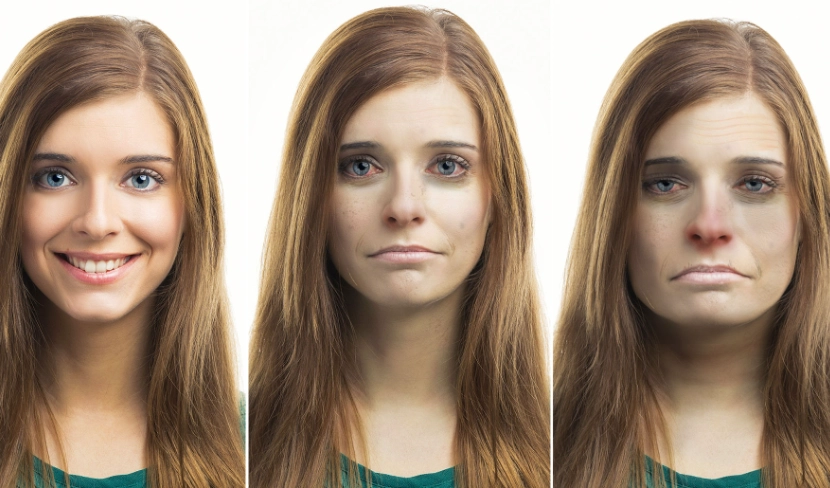
It's not just about being tired. It's a full-system meltdown. I remember a friend in college who tried to stay awake for a 72-hour gaming marathon (don't ask). By the end, he was arguing with the wall about chess strategies and thought his pizza was whispering to him. He was a mess for a week afterwards. That experience always stuck with me, and it got me digging into what exactly goes down in the body and brain during that critical three-day mark.
So, if you're searching for what happens after 3 days of no sleep, you're probably either morbidly curious, incredibly concerned about someone, or in a very, very bad situation yourself. This isn't a theoretical guide. We're going to walk through the actual, documented stages, the real dangers, and the honest truth about recovery. No sugar-coating.
The Timeline: From Tired to Total System Failure
Sleep deprivation isn't a linear slide. It's more like falling down a staircase, hitting new and worse platforms of dysfunction at each major interval. Let's break down the journey to, and crucially, what happens after 3 days of no sleep.
First 24 Hours: The Grumpy Phase
You know this one. Your brain starts to protest. The prefrontal cortex—the part responsible for complex thinking, decision-making, and impulse control—goes offline first. You become more irritable, less focused. Reaction times slow. The body increases production of stress hormones like cortisol. It's manageable, but your judgment is already impaired. Ever sent a weird email at 3 AM? That's why.
48 Hours: The Microsleep Zone
This is where things get sketchy. Your body, desperate for rest, starts forcing microsleeps. These are bursts of sleep lasting 1-30 seconds where you literally blink out of consciousness. Your eyes might be open, but your brain is offline. It's terrifying if you're driving or operating machinery. Your immune function takes a notable hit. Studies, like those from the National Institutes of Health, show that key immune cells like natural killer cells drop in activity. You're basically rolling out the welcome mat for any passing virus.
Your metabolism goes haywire too. The hormones that regulate hunger (ghrelin and leptin) get confused. You crave high-carb, high-fat junk food. Your body's ability to process glucose is messed up, pushing you toward a pre-diabetic state.
72 Hours: The Breaking Point
Now we're at the core question: what happens after 3 days of no sleep? This isn't just extreme fatigue. This is a profound neurological and physiological crisis.
Your cognitive and emotional degradation is severe. We're talking about:
- Severe Cognitive Impairment: Concentration becomes nearly impossible. Memory lapses are constant. Simple tasks feel like solving advanced calculus. Your ability to communicate clearly nosedives.
- Mood Disturbances: Anxiety, paranoia, and depression can skyrocket. The emotional centers of your brain (like the amygdala) go into overdrive without the regulating influence of the prefrontal cortex. Everything feels like a threat.
- Depersonalization and Hallucinations: This is a big one. You may start to feel detached from yourself or your surroundings (depersonalization). And then come the hallucinations—visual, auditory, or tactile. Seeing shadows move, hearing your name called, feeling bugs crawling on your skin. This isn't just "seeing things"; it's your sleep-deprived brain trying and failing to make sense of random neural noise.
- Illogical Thinking and Delusions: You might develop fixed, false beliefs. Like being convinced your colleagues are plotting against you, or that the patterns on the wall have a hidden message. Your grasp on reality is fundamentally loosened.
I need to pause here. This list sounds dramatic, but it's the documented reality. The Centers for Disease Control and Prevention (CDC) treats sleep deprivation as a serious public health issue for a reason. It impairs you as much as alcohol intoxication.
The Body's Rebellion: Physical Effects After 72 Hours Awake
While the mind is spiraling, the body is in outright revolt. It's a system-wide protest.
Your Nervous System is Frayed
Your sympathetic nervous system (the "fight or flight" system) is stuck in the "on" position. Your heart rate and blood pressure are elevated, putting constant strain on your cardiovascular system. This chronic state increases long-term risks of hypertension and heart disease.
Complete Hormonal Chaos
Sleep is when your body regulates and produces crucial hormones. After three days, this system is in disarray.
- Cortisol (the stress hormone) remains high, breaking down muscle tissue and promoting fat storage, especially around the abdomen.
- Growth Hormone production, essential for tissue repair and muscle growth, plummets. Your body can't heal itself.
- Leptin (the "I'm full" hormone) drops, while Ghrelin (the "I'm hungry" hormone) surges. This combination creates intense, irrational food cravings.
Immune System on the Brink
This might be one of the most dangerous physical effects. Your immune system is effectively suppressed. The production of cytokines—proteins that fight infection and inflammation—is disrupted. You're far more susceptible to infections, and if you're already sick, your body will struggle to recover. Research has consistently linked chronic sleep deprivation to lowered resistance to illness.
Metabolic Dysfunction
Your body's ability to manage blood sugar is severely impaired. Cells become more resistant to insulin, the hormone that allows them to take in glucose for energy. This pushes you toward insulin resistance, a precursor to type 2 diabetes. It also explains the intense cravings for quick energy sources like sugar and refined carbs.
Can You Die From Not Sleeping for 3 Days?
This is the elephant in the room, the question that often brings people to this search. The short, direct answer is: It is extremely unlikely that a previously healthy adult will die from just 72 hours of sleep deprivation alone.
But—and this is a massive "but"—the risk of death from accidents caused by your impairment skyrockets. A microsleep behind the wheel is a microsleep into the afterlife. A lapse of judgment in a kitchen can cause a fatal fire. A fall down the stairs can break your neck. The risk isn't from the sleep deprivation itself; it's from the consequences of the state it puts you in.
There is a rare, fatal genetic disorder called Fatal Familial Insomnia (FFI) that progressively destroys the ability to sleep, leading to death. However, this is an exceptionally rare prion disease, not something caused by simply choosing to stay awake.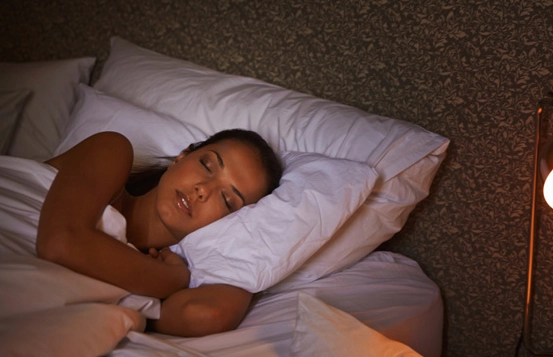
So, while your body probably won't just shut down after exactly 72 hours, you are in a state where you can very easily cause your own death, or the death of others. The National Highway Traffic Safety Administration (NHTSA) estimates drowsy driving causes thousands of deaths annually. Many of those drivers were likely in a state of severe sleep deprivation.
Put simply: the deprivation might not kill you directly, but it hands you a loaded gun and asks you to juggle it.
Recovery: How Do You Come Back From This?
Okay, let's say someone hits the 72-hour mark. What then? You can't just take a nice 8-hour nap and bounce back. The recovery process is longer and more nuanced than most people think.
The First 24 Hours of Recovery
Your first sleep will likely be long—maybe 12 hours or more. And it will be heavy. This is your brain desperately trying to clear out the built-up metabolic waste (like adenosine and beta-amyloid proteins) that accumulates during wakefulness. You'll likely experience "sleep inertia"—that groggy, disoriented feeling—for a longer time upon waking.
Beyond the First Sleep
Full cognitive recovery takes longer than the physical feeling of being rested. Studies suggest it can take several days for attention, memory, and complex thinking to return to baseline after an extreme bout of sleep deprivation.
Here's a rough, non-scientific roadmap based on physiology:
- Days 1-2: You sleep a lot. Cognitive fog is thick. You're catching up.
- Days 3-4: Physical symptoms (headaches, muscle aches) improve. Memory and attention start to recover, but you're not sharp.
- Days 5-7+: Emotional regulation and higher-order cognitive functions slowly return. You start to feel like yourself again, but it's a process.
The best strategy is prioritized sleep and gentle routine. Don't shock your system with intense exercise or complex work. Hydrate well. Eat nutritious, balanced meals to help your hormones recalibrate. Avoid caffeine and alcohol, as they will further disrupt your fragile sleep architecture.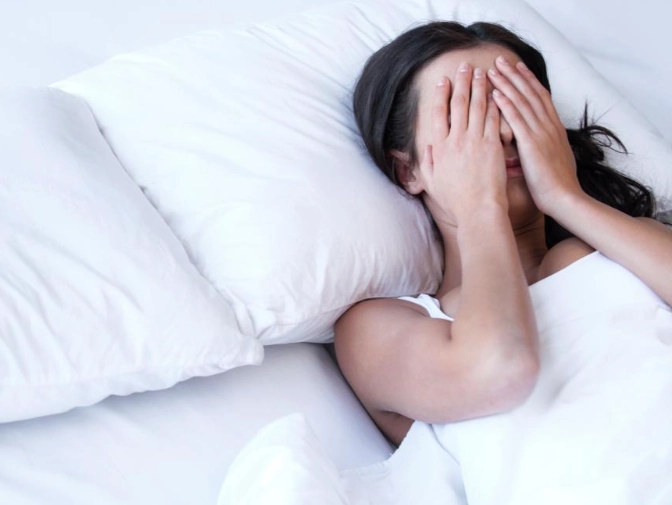
Common Questions About What Happens After 3 Days of No Sleep
The Final Word: Respect the Need for Sleep
Looking at what happens after 3 days of no sleep isn't just an exercise in morbid curiosity. It's a powerful lesson in human biology. Sleep isn't a luxury or downtime. It's a non-negotiable, active, vital physiological process. It's when your brain cleans house, your body repairs itself, and your memories solidify.
Pushing yourself to 72 hours of wakefulness is a reckless experiment with your most valuable asset: your mind. The hallucinations, the paranoia, the complete collapse of judgment—these aren't signs of weakness; they are your body's screaming, last-ditch alarms telling you to shut down and reboot.
If you take one thing from this, let it be this: treat sleep with the same respect you treat food, water, and air. It is just as essential. Prioritize it. Protect it. And if you or someone you know is flirting with the idea of pushing those limits, understand that you're not proving your toughness. You're dismantling your humanity, one waking hour at a time.
The goal isn't to see how long you can go without sleep. The goal is to live a life so well-rested and clear-minded that you never have to find out what happens after 3 days of no sleep firsthand.
Reader Comments