Quick Navigation
- Why Melatonin Might Feel "Weak" (And What "Stronger" Really Means)
- Candidates in the "Stronger Than Melatonin" Arena
- Side-by-Side: How Do These Options Compare?
- How to Actually Choose: A Practical Framework
- Final Thoughts: Beyond the Pill
- Frequently Asked Questions (The Stuff You're Actually Typing Into Google)
Let's be real here. If you're typing "what is 10 times stronger than melatonin?" into Google at 3 AM, you're probably way past the point of counting sheep. You've tried melatonin. Maybe it worked for a night or two, then just... stopped. Or maybe it gave you weird, vivid dreams and left you feeling groggy. I've been there. Staring at the ceiling, brain buzzing, wondering if there's anything out there that actually packs a bigger punch. The short, direct answer is that there isn't a single, universally agreed-upon substance that is exactly ten times more potent than melatonin in every way. The question itself is a bit of a simplification. But that doesn't mean there aren't compounds and approaches that are significantly more powerful for promoting sleep, often working through different, more direct mechanisms in the brain. That's what we're really after, right? Something that works.
The search for what is 10 times stronger than melatonin usually leads people down a rabbit hole of potent herbs, prescription medications, and synthetic analogs. Some of these options are easily ten times more potent in their binding affinity to sleep-related receptors in the brain. Others are stronger in terms of their sedative effect. It's a nuanced landscape, and throwing a random strong sleep aid at the problem is a terrible idea. You need to know what you're dealing with.
Why Melatonin Might Feel "Weak" (And What "Stronger" Really Means)
First, we need to clear something up. Melatonin isn't a sleeping pill in the traditional sense. Your pineal gland makes it naturally when it gets dark. Its primary job is to tell your brain, "Hey, it's night time, let's start the wind-down process." It's a signaler. For people with delayed sleep phases, jet lag, or mild sleep rhythm issues, it can be brilliant. For someone with significant anxiety-driven insomnia or a hyper-aroused nervous system, it's like whispering "calm down" into a hurricane. It's not strong enough to override that level of activation.
So, when we talk about alternatives that are 10 times stronger than melatonin, we're often talking about substances that don't just send a signal—they actively force a change in brain state. They directly enhance GABA (your brain's main calming neurotransmitter), block wakefulness-promoting neurotransmitters like orexin, or bind much more tightly to the same receptors melatonin does. The strength can be measured in a few ways: binding affinity (how tightly it sticks to a receptor), sedative potency, or speed of sleep onset. Something can be weaker than melatonin in binding affinity but feel much stronger in effect because it hits a different, more powerful system.
I remember recommending melatonin to a friend with serious stress-induced insomnia. He came back a week later and said, "I might as well have taken a sugar pill." That's when I realized the limitation. His problem wasn't timing; it was an inability to shut off. That's the gap the "stronger" options aim to fill.
Candidates in the "Stronger Than Melatonin" Arena
Alright, let's get into the specifics. Here are the main contenders that come up when searching for what is 10 times stronger than melatonin. We'll break them into categories: natural/supplemental and pharmaceutical. This isn't about endorsing one over the other, but about giving you the full picture so you can have an informed chat with your doctor.
Natural & Supplemental Powerhouses
These are available over-the-counter in many places and are often the first step people take after melatonin fails.
1. Valerian Root: This old-school herb is a classic for a reason. It's thought to increase GABA levels in the brain. While not necessarily "10 times stronger" in a molecular sense, its effect can feel dramatically more sedating for many people. The smell is... distinctive (some say like old socks), and it works best with consistent use over a week or two. It's not a great "take it once and knock out" option for everyone, but for overall sleep quality improvement, it's a heavy hitter in the herbal world.
2. Magnolia Bark Extract (Honokiol): This one flies under the radar but is fascinating. Honokiol, a compound from magnolia bark, binds to GABA-A receptors with a much higher affinity than many other natural sedatives. Some research suggests its binding action is similar in type (but not identical in safety profile) to pharmaceutical benzodiazepines, just from a plant source. This gives it a potent, direct calming effect. It's often paired with magnolol for sleep. You can find studies on its anxiolytic and sedative effects on resources like PubMed.
3. Lemon Balm (Melissa officinalis): Another GABA-enhancer, lemon balm is often underestimated. It's gentle on its own but can be incredibly powerful when combined with other herbs like valerian. Its strength comes from a compound called rosmarinic acid, which inhibits the breakdown of GABA. Think of it as putting a plug in the drain so your brain's calming chemicals stick around longer. It's one of my personal favorites for evening tea because it takes the edge off without heavy sedation.
The Pharmaceutical-Grade Contenders (The Real Heavyweights)
This is where you find compounds that are, without a doubt, many times more potent than over-the-counter melatonin. These require a prescription and a doctor's supervision for good reason.
1. Prescription Melatonin Receptor Agonists: This is the most direct answer to the literal question of what is 10 times stronger than melatonin. Drugs like Ramelteon (Rozerem) and Tasimelteon (Hetlioz) are designed specifically to bind to the same MT1 and MT2 receptors as melatonin, but they bind much more tightly and selectively. Ramelteon, for instance, has an affinity for the MT1 receptor that is about 3-5 times greater than melatonin, and its effects are more pronounced because it's not quickly metabolized. It's a pure sleep-onset drug with (theoretically) less risk of dependency than traditional sedatives. The Mayo Clinic outlines its use for sleep onset insomnia.
2. Orexin Receptor Antagonists: This is a newer, brilliant class of drugs like Suvorexant (Belsomra) and Lemborexant (Dayvigo). They work in a totally different way. Instead of boosting sleep signals, they block the "wakefulness" signals (orexins) in your brain. It's like turning off the alarm system instead of trying to force the body to sleep. In terms of subjective feeling of strength and effectiveness for maintaining sleep, many patients and clinicians find these to be far more effective than melatonin for certain types of insomnia. The U.S. Food and Drug Administration (FDA) has approved them for treating insomnia.
3. GABAergic Sedative-Hypnotics (The Z-Drugs): This includes Zolpidem (Ambien), Eszopiclone (Lunesta), and Zaleplon (Sonata). These are not herbal GABA boosters; they are synthetic drugs that selectively target specific GABA-A receptor subunits to induce sedation. They are exponentially more potent in their hypnotic effect than melatonin. Sleep onset can occur in under 30 minutes. The caveat? The potential for side effects (like sleepwalking or next-day drowsiness) and dependency is real. They are powerful tools but are meant for short-term use under strict medical guidance.
Side-by-Side: How Do These Options Compare?
Let's put this in a table to make it clearer. This isn't about declaring a winner, but about showing the different profiles. Remember, "strength" isn't always better if the side effects are worse.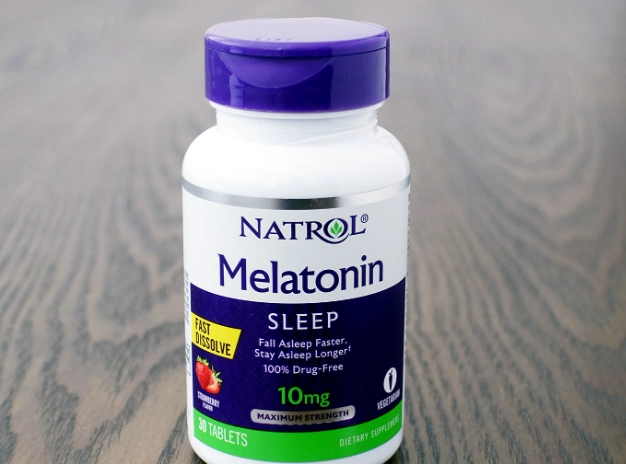
| Substance/Category | Primary Mechanism | Relative "Strength" & Onset | Best For | Key Considerations |
|---|---|---|---|---|
| Melatonin (OTC) | Signals circadian rhythm (MT1/MT2 receptors) | Mild to moderate. Slow (1-2 hrs). Timing is critical. | Jet lag, mild delay, regulating sleep schedule. | Very safe, minimal side effects. Not a strong sedative. |
| Valerian Root | Modulates GABA system | Moderate. Can be slow (days of use for full effect). | Improving overall sleep quality, mild anxiety. | Needs consistency. Distinct smell. Can interact with some meds. |
| Magnolia Bark (Honokiol) | Potent GABA-A receptor binding | Moderate to Strong. Relatively fast (30-60 mins). | Stress-related sleep issues, anxiety at bedtime. | High-quality extracts matter. Not as widely studied long-term. |
| Ramelteon (Rx) | High-affinity melatonin receptor agonist | Strong for sleep onset. Fast (30 mins). | Pure sleep-onset insomnia with minimal abuse potential. | Prescription only. Can be expensive. Less effective for sleep maintenance. |
| Suvorexant (Rx) | Blocks wakefulness (orexin) receptors | Very Strong for sleep maintenance. Fast. | Difficulty staying asleep, wakefulness intrusion. | Prescription only. Potential for next-day sedation. Newer drug class. |
| Zolpidem (Rx) | Selective GABA-A receptor modulation | Very Strong hypnotic. Very Fast (<30 mins). | Severe short-term insomnia where rapid onset is critical. | Risk of complex sleep behaviors, dependency, tolerance. Short-term use only. |
Looking at this, you can see why the question "what is 10 times stronger than melatonin?" leads to more questions. Do you need strength for falling asleep, staying asleep, or reducing anxiety? The target matters.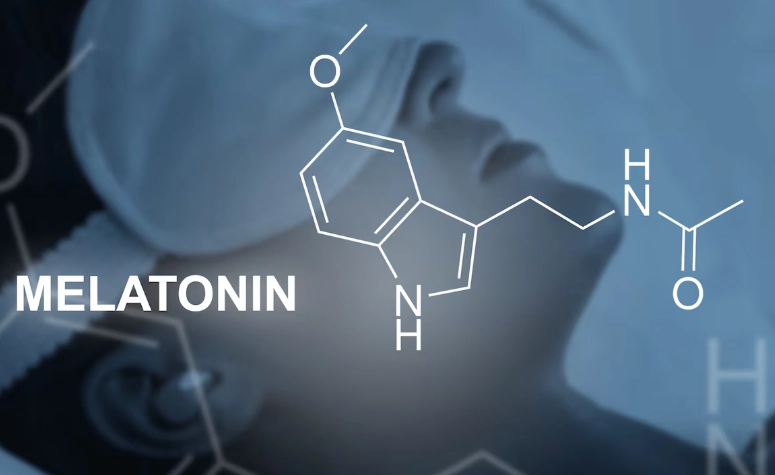
How to Actually Choose: A Practical Framework
Don't just pick the strongest thing on the list. That's a recipe for trouble. Here's a more sensible way to think about it, almost like a decision tree in your head.
First, identify your core problem:
- "I can't turn my brain off when I get into bed." → This points to anxiety or rumination. Herbs that target GABA (like valerian, magnolia) or prescription options that address anxiety might be more relevant than pure melatonin agonists.
- "I feel tired but sleep just won't come." → This could be a pure sleep-drive or onset issue. A melatonin receptor agonist (like Ramelteon) or a short-acting Z-drug might be considered by a doctor.
- "I fall asleep fine but wake up at 3 AM and can't get back." → This is a sleep maintenance problem. Orexin antagonists (like Suvorexant) are specifically designed for this, or longer-acting formulations of other options.
Second, consider the safety and dependency ladder: The general principle is to try the least invasive, safest option first, and escalate only if necessary and under guidance.
- Foundation: Sleep hygiene. Dark, cool room. No screens before bed. Consistent schedule. This is non-negotiable and free. If you're not doing this, no pill will save you long-term.
- Step 1: Melatonin (low dose, 0.5mg-3mg, taken 1-2 hours before bed). Get the timing right.
- Step 2: Potent herbal combinations (e.g., Valerian + Lemon Balm, or a formula with Magnolia). Give it a few weeks.
- Step 3: Consult a doctor. Discuss prescription options like Ramelteon or Orexin antagonists if the problem is severe and impacting your health.
- Step 4: Stronger sedative-hypnotics (Z-drugs) are typically a last resort for severe, short-term cases.
Honestly, I think a lot of people jump from melatonin to asking "what is 10 times stronger than melatonin?" without fully optimizing how they use melatonin or trying a good herbal protocol. The dose and formulation of melatonin matter too. A fast-dissolve tablet works faster than a standard pill. A time-release formula can help with maintenance. It's worth tweaking.
The Takeaway on Potency
There are several substances—both natural and pharmaceutical—that operate with significantly more potency or direct sedative force than over-the-counter melatonin. Prescription melatonin agonists (Ramelteon) and Orexin antagonists (Suvorexant) are clear, clinically-proven answers to the quest for what is 10 times stronger than melatonin in terms of targeted sleep effect. In the natural realm, concentrated extracts like Honokiol from Magnolia Bark provide a substantial step up in GABAergic activity. The choice isn't about finding the single strongest hammer, but about matching the right tool to the specific type of sleep problem you're trying to fix.
Frequently Asked Questions (The Stuff You're Actually Typing Into Google)
In a word, no. Not legally, and not safely. Prescription sleep aids are regulated as drugs because they are potent, have significant side effect profiles, and require medical supervision. The strongest OTC sleep aids are usually combinations of antihistamines (like diphenhydramine) and herbs. Antihistamines can make you drowsy, but they're not great sleep aids—they often cause next-day grogginess, dry mouth, and tolerance builds quickly. They're a blunt instrument. A high-quality valerian-magnolia-lemon balm blend is probably the most sophisticated and effective OTC option, but it won't have the sheer knockout power of a prescription Z-drug. Don't believe internet claims about "legal Ambien" supplements. They're either misleading or potentially dangerous.
They work so differently it's hard to compare. In terms of feeling a sedative effect, valerian root is often stronger for many people. You're more likely to feel "heavy" or relaxed with a good dose of valerian. Melatonin is subtler; you might just get sleepy naturally. If your issue is an overactive mind at bedtime, valerian might feel stronger. If your issue is a shifted internal clock (you're not tired until 2 AM), melatonin is the stronger tool for that specific job. It's like asking if a hammer is stronger than a screwdriver.
This is a huge misconception. You don't build a pharmacological tolerance to melatonin like you do with benzodiazepines or Z-drugs. However, a few things can happen that make it seem like it stopped working. First, if you're using it incorrectly (wrong time, wrong dose), it was never addressing the root cause. Second, your underlying sleep problem (e.g., stress) may have worsened, overwhelming melatonin's mild signaling effect. Third, using too high a dose (like 10mg) can sometimes cause receptor downregulation or counterproductive effects. The solution isn't always to find what is 10 times stronger than melatonin; sometimes it's to reset and use melatonin properly at a lower dose (0.5mg-1mg) or address the stress/anxiety component separately.
This is the million-dollar question. The safety profiles vary wildly.
- Melatonin: Generally considered very safe for long-term use, though long-term data is still being collected. It's a hormone, so some doctors prefer cyclical use.
- Valerian, Lemon Balm: Good safety profiles for medium-term use (several months). Long-term studies on daily use for years are limited.
- Magnolia Bark: Appears safe in clinical studies, but again, long-term (multi-year) data is sparse. Its potent mechanism warrants caution and likely periodic breaks.
- Prescription Agonists (Ramelteon): Designed for longer-term use with low abuse potential, but still requires ongoing doctor supervision.
- Z-drugs (Ambien, etc.): Explicitly not recommended for long-term daily use due to tolerance, dependency, and side effect risks. They are short-term solutions.
The goal should always be to use the sleep aid as a bridge while you address the root causes of poor sleep—be it stress management, diet, light exposure, or an underlying health condition. The National Institutes of Health's National Heart, Lung, and Blood Institute (NHLBI) has extensive resources on healthy sleep practices that form the foundation no pill can replace.
Ah, the marketing is clever. "Delta sleep" refers to deep, slow-wave sleep. Some supplements (often containing things like L-Theanine, GABA, Magnesium L-Threonate, or specific peptides) claim to enhance this stage. They aren't necessarily "stronger" in the sense of knocking you out. They are more targeted. Melatonin helps you get to sleep; these aim to improve the quality of sleep once you're there. If you fall asleep easily but wake up unrefreshed, a delta sleep support formula might be a better next step than seeking a stronger knockout pill. It's a different approach altogether.
Final Thoughts: Beyond the Pill
Chasing the strongest sleep aid can become its own kind of anxiety. I've seen it happen. You get so focused on finding the perfect pill that the ritual of trying to sleep becomes fraught with pressure. Sometimes, the relentless search for what is 10 times stronger than melatonin keeps you more awake than the original insomnia did.
The most powerful tool isn't always a substance. It's often the boring, unsexy stuff. The consistent wake-up time, even on weekends. The hour of no screens before bed (read a real book, a dim one). Managing light exposure during the day—getting bright light in the morning is just as important as avoiding it at night. These things regulate your natural melatonin production and sleep pressure more effectively than any supplement ever could.
If you take one thing from this, let it be this: view any sleep aid—whether it's melatonin, valerian, or a prescription—as a temporary scaffold. Its job is to hold things up while you rebuild the foundation. That foundation is your sleep habits and your overall stress management. Talk therapy, mindfulness, or even just a consistent wind-down routine can be more "potent" in the long run than any chemical.
So, what is 10 times stronger than melatonin? In a way, the answer might be a consistent, calm mind and a well-trained circadian rhythm. But if you need chemical assistance to get there, now you have a detailed map of the landscape—from the gentle herbal hills to the powerful pharmaceutical peaks. Use it wisely, and for goodness sake, talk to a doctor before starting anything new, especially if you're on other medications. Sleep well.
Reader Comments