Quick Guide to Key Sections
You know that gritty, tired feeling in your eyes after a late night? It's not just in your head. Waking up after only a few hours of sleep, your vision might feel off, the world seems a bit less sharp, and your eyes are begging to close again. Most of us brush it off as simple tiredness, a temporary glitch that another cup of coffee will fix. But what if I told you that the connection between shut-eye and clear sight is far more profound and potentially worrying than we often assume?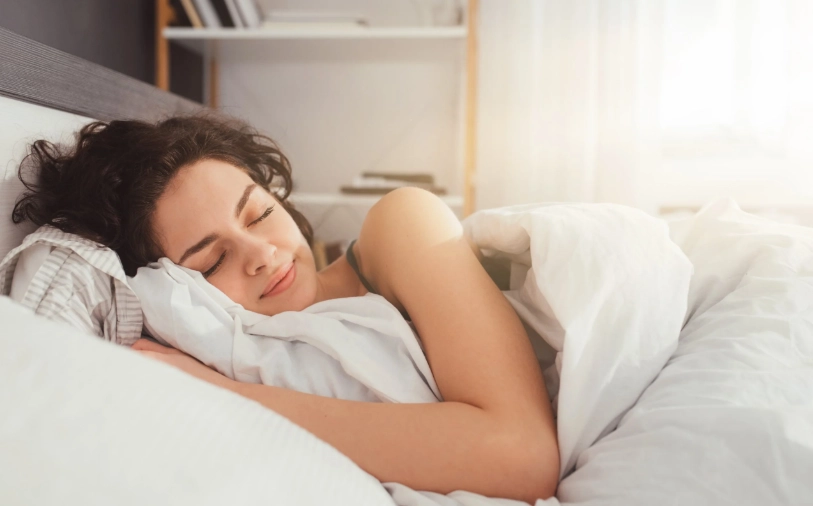
Let's cut to the chase. Can lack of sleep affect your eyes? Absolutely, and in more ways than you might think. It's not just about feeling sleepy-eyed. We're talking about direct, physiological impacts on the delicate machinery that lets you see the world. From the surface of your eyes to the deep neural pathways in your brain, sleep is the essential maintenance period your visual system desperately needs. Skipping it is like running a complex computer 24/7 without ever rebooting or running updates—sooner or later, things start to glitch, slow down, and even risk permanent damage.
The Core Idea: Sleep is when your body repairs itself. Your eyes, some of the most active and exposed organs you have, are no exception. During deep sleep, crucial processes kick in: tear production rebalances, intraocular pressure regulates, corneal cells repair, and the visual cortex (the part of your brain that processes sight) consolidates the day's information. Deprive your body of this repair window, and the bill comes due directly through your vision.
Why Sleep is Non-Negotiable for Your Peepers
Think of your eyes as high-performance cameras that never get to turn off while you're awake. They're constantly focusing, adjusting to light, processing millions of bits of data. The only true "off" or "maintenance" mode they get is when you're asleep. During sleep, specifically during the deeper stages, several critical things happen specifically for eye health.
For one, your tear glands go into overdrive. Studies have shown that tear secretion follows a circadian rhythm, with production significantly ramping up during sleep to replenish the tear film that gets evaporated and used up all day. This tear film is not just water; it's a complex, three-layered shield of mucus, water, and oil that keeps the surface of your eye smooth, clear, hydrated, and protected from infection. Good sleep ensures this shield is fully restored by morning.
Then there's the brain side. The visual cortex is incredibly active during sleep, particularly during REM (Rapid Eye Movement) sleep. This is when it sorts through the visual stimuli from the day, strengthening important neural connections and discarding the noise. It's essential for maintaining healthy visual processing. Skimp on sleep, and this cleanup job doesn't get done properly.
Personally, I used to pull all-nighters in college and would always notice my eyes were the first to complain. They'd be bloodshot, painfully dry, and focusing on lecture slides felt like a chore. I just thought it was fatigue. It wasn't until later I learned my eyes were literally starving for the repair only sleep could provide.
The Direct Symptoms: How Your Eyes Cry Out for Sleep
So, what does it actually look and feel like when lack of sleep affects your eyes? The signs range from annoying to downright alarming. It's not one single thing; it's a cascade of issues.
Dry, Gritty, Irritated Eyes
This is the most common complaint. You blink more, but it doesn't help. The feeling of sand in your eyes isn't an illusion. As mentioned, sleep deprivation disrupts the natural tear production cycle. The American Academy of Ophthalmology (AAO) notes that adequate tear production is vital for eye comfort and health. Without the overnight replenishment, you start the day with an inadequate tear film. This leads to increased evaporation, inflammation of the ocular surface, and that classic dry, gritty sensation. It also makes you more susceptible to environmental irritants like dust or screen glare.
Eye Spasms and Twitching (Myokymia)
That annoying, uncontrollable twitch in your eyelid? It's a classic hallmark of fatigue and stress, often exacerbated by lack of sleep. While usually harmless, it's a clear signal from your nervous system. The exact mechanism isn't fully understood, but it's believed to be related to overworked muscles and misfiring neurons due to sleep debt. Caffeine and stress make it worse, creating a perfect storm for a twitchy lid.
Blurry Vision and Trouble Focusing
This is where people really start to worry. Can lack of sleep cause blurry vision? Temporarily, yes. Your ciliary muscles, which control the shape of your lens to focus, get tired. Just like any other muscle, they need rest. When fatigued from overuse (like staring at screens) and lack of recovery time (sleep), they can spasm or fail to adjust properly, leading to accommodative dysfunction. This causes blurred vision at near or far distances, difficulty switching focus, and general visual fatigue. The American Optometric Association links visual fatigue directly to prolonged near work and inadequate rest.
Furthermore, a tired brain processes visual information slower. Your reaction time to visual stimuli slows down, which is why driving while drowsy is as dangerous as driving drunk—your eyes see the brake lights, but your brain takes longer to tell your foot to move.
Light Sensitivity (Photophobia)
Suddenly, normal room lights or morning sunshine feel painfully bright. Sleep deprivation can lower the threshold for light sensitivity. The theory is that a tired brain and overstimulated visual pathways become hyper-reactive to stimuli, including light. It can also be linked to dry eyes, as a compromised tear film scatters light more irregularly across the cornea, increasing glare.
Puffy Eyes, Dark Circles, and Bloodshot Eyes
The cosmetic side effects. Poor sleep affects fluid balance around the eyes, leading to puffiness. Dark circles become more pronounced due to pale skin from fatigue making underlying blood vessels more visible. Bloodshot eyes occur because lack of sleep can reduce blood flow to the eyes, causing blood vessels on the sclera (the white part) to dilate in an attempt to increase oxygen supply.
The Long-Term Risks: When Temporary Becomes Troubling
Here's the scarier part. Chronic sleep deprivation doesn't just cause temporary discomfort. It can contribute to or exacerbate serious, long-term eye conditions. This is where the question "can lack of sleep affect your eyes" moves from a yes/no to a "how severely?"
| Potential Long-Term Risk | How Sleep Deprivation Contributes | What You Need to Know |
|---|---|---|
| Worsening Dry Eye Disease | Chronic disruption of tear film repair and increased ocular surface inflammation. | Can turn a temporary symptom into a chronic, painful condition requiring medical management. |
| Increased Risk of Glaucoma Susceptibility | Sleep apnea (a major cause of poor sleep) and intraocular pressure (IOP) fluctuations. IOP often rises during sleep apnea events. Chronic high IOP is a key risk factor for glaucoma. | Research, including studies referenced by the Glaucoma Research Foundation, shows a strong link between sleep disorders and glaucoma risk. It's about pressure management. |
| Anterior Ischemic Optic Neuropathy (AION) | Reduced blood flow to the optic nerve during sleep apnea events or due to vascular issues linked to poor sleep. | A serious condition causing sudden, painless vision loss. Poor sleep hygiene is a modifiable risk factor. |
| Accelerated Age-Related Vision Decline | Sleep is when antioxidant processes clear out metabolic waste from cells, including in the retina. Lack of sleep may allow toxic byproducts like amyloid-beta to accumulate. | Think of it as missing the nightly trash pickup for your eye cells, potentially speeding up degenerative processes. |
Look, I'm not trying to scare you into sleeping perfectly every night—life happens. But ignoring the connection between years of bad sleep and eye health is like ignoring the check engine light because the car still runs. It might run for a while, but the risk of a major breakdown grows.
Important: If you have persistent eye twitching, severe dry eyes, frequent blurry vision, or any sudden vision changes, you must see an eye doctor (ophthalmologist or optometrist). These can be signs of conditions unrelated to sleep that need immediate diagnosis. Don't just self-diagnose based on sleep patterns.
Your Action Plan: Protecting Your Eyes Through Better Sleep
Okay, enough with the problems. What can you actually do about it? The good news is that many of these effects are reversible, especially in the early stages. Improving your sleep hygiene is the single most effective thing you can do. It's not about perfection; it's about consistent, better habits.
The Pre-Bed Ritual for Your Eyes
Your eyes need to wind down just like the rest of you.
- The 20-20-20 Rule (Seriously): All day long, every 20 minutes, look at something 20 feet away for 20 seconds. This gives your focusing muscles a micro-break.
- Digital Sunset: At least 60 minutes before bed, put your phone, tablet, and laptop away. The blue light they emit suppresses melatonin, the sleep hormone, and keeps your brain in "daytime" mode. If you must use a device, enable night mode/blue light filters at maximum strength hours before bed.
- Warm Compress: For dry, tired eyes, a warm compress for 5-10 minutes before bed can help unclog meibomian glands (the tiny oil glands in your eyelids) and improve tear film quality. It's incredibly soothing.
- Hydrate Smartly: Drink enough water during the day, but taper off a couple of hours before bed to avoid disruptive nighttime trips to the bathroom.
Optimizing Your Sleep Environment
- Pitch Black: Use blackout curtains or a good sleep mask. Even small amounts of light can disrupt sleep cycles and prevent truly restorative deep sleep.
- Cool Temperature: Aim for a room temperature around 65°F (18°C). Your body needs to drop its core temperature to initiate sleep.
- Humidify: If you live in a dry climate, a bedroom humidifier can prevent your eyes from drying out overnight.
Pro-Tip from Experience: I found that combining a warm compress with a few minutes of very gentle eye massage (closing my eyes and gently pressing around the orbital bone) before putting on a sleep mask made a world of difference in morning eye comfort.
Lifestyle Tweaks That Make a Difference
It's not just about bedtime.
- Regular Schedule: Go to bed and wake up at roughly the same time every day, even on weekends. This regulates your circadian rhythm, which governs everything, including tear production.
- Watch Caffeine & Alcohol: Caffeine's effects can last 6-8 hours. Cut it off by early afternoon. Alcohol might make you fall asleep faster, but it severely fragments the quality of your sleep, especially the second half of the night.
- Get Morning Light: Exposure to natural sunlight within an hour of waking helps set your internal clock. It tells your body it's daytime, making it easier to feel sleepy at night.
- Exercise, But Not Late: Regular exercise promotes better sleep, but doing it too close to bedtime can be stimulating for some people.
Frequently Asked Questions (FAQs)
How much sleep do my eyes need?
Most adults need 7 to 9 hours of quality sleep per night for overall health, and that includes your eyes. The key is consistency and achieving enough deep (slow-wave) and REM sleep, which are the most restorative phases for tissue repair and neural processing.
Can lack of sleep cause permanent eye damage?
While a single all-nighter won't cause permanent damage, chronic, severe sleep deprivation, especially when linked to conditions like untreated sleep apnea, can contribute to permanent conditions like glaucoma or optic nerve damage. The risk is cumulative. The body is resilient, but consistently denying it its repair time has consequences.
Are the effects reversible?
Most of the short-term symptoms—dryness, twitching, blurry vision, light sensitivity—are highly reversible with a period of consistent, good sleep. The body and eyes are remarkable at healing when given the right conditions. Long-term structural damage, however, may not be fully reversible, which is why prevention is critical.
I use eye drops for dryness. Is that enough?
Artificial tears can provide symptomatic relief, but they are a band-aid, not a cure. If the root cause is sleep deprivation, you're treating the symptom while ignoring the disease. Think of drops as putting oil in a car that's low because of a leak. You need to fix the leak (poor sleep) for a long-term solution. The National Eye Institute (NEI) recommends identifying and addressing underlying causes of dry eye.
When should I see a doctor about sleep-related eye issues?
See an eye doctor if: symptoms persist despite two weeks of improved sleep hygiene; you experience sudden vision loss or drastic changes; pain accompanies the dryness; or if you suspect you have a sleep disorder like sleep apnea (loud snoring, gasping for air at night, extreme daytime sleepiness). A primary care doctor or sleep specialist can help evaluate sleep issues.
Wrapping It Up: Listen to What Your Eyes Are Telling You
So, can lack of sleep affect your eyes? The question almost answers itself once you dig into the biology. It's a resounding yes, from the surface to the deepest neural pathways. Your eyes are not passive windows; they are dynamic, living organs that work tirelessly for you. Sleep is their mandatory maintenance shift.
Treating sleep as a luxury or an afterthought is a disservice to your vision and your overall health. The blurry vision, the dryness, the twitching—they're not just minor annoyances. They are direct messages, clear signals that your visual system is running on empty and needs you to power it down for proper repair.
Start small. Pick one habit from the action plan—maybe the digital sunset or a consistent wake-up time—and stick with it for a week. Notice how your eyes feel in the morning. I bet you'll see a difference. Your future self, with clearer, more comfortable vision, will thank you for it. After all, in a world where we demand so much from our eyes every single day, giving them the rest they deserve is the least we can do.
Reader Comments