You’re reading this at 3 AM, aren’t you? Your brain is foggy, your eyes are burning, and tomorrow’s 7 AM alarm feels like a threat. Maybe you just flew across time zones, or perhaps a week of late-night streaming has finally caught up with you. The question is urgent: can you actually fix a broken sleep schedule in just one day?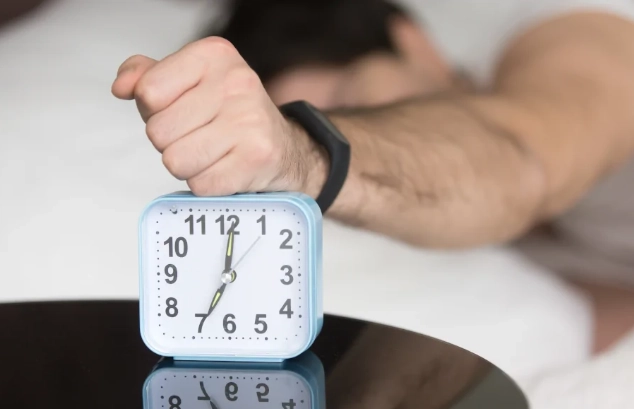
The short answer is yes, but it’s not for the faint of heart. It’s less about "fixing" and more about performing a hard reset on your internal clock—your circadian rhythm. This guide isn’t about gentle, week-long adjustments. It’s a tactical, science-backed protocol for when you need results now.
Your Quick Navigation
- The Step-by-Step One-Day Reset Plan
- The Night Before: Preparation Phase
- The Reset Day: A Hour-by-Hour Timeline
- What to Do If You Can’t Fall Asleep During the Reset?
- Why This Works: The Science of Sleep Pressure & Light
- Common Mistakes & Pro Tips From a Decade of Trial and Error
- Your Burning Questions Answered
How to Fix Your Sleep Schedule in One Day: The Step-by-Step Plan
This method leverages two powerful biological levers: sleep drive (homeostatic sleep pressure) and light exposure. You’re going to strategically manipulate both to force a phase shift. I’ve used this after red-eye flights and disastrous work crunches. It works, but it demands strict adherence.
The Night Before: Preparation Phase
Don’t start cold. The reset begins the evening before your big day.
- Set Your New Target: Decide on your ideal bedtime and wake-up time. Be realistic. Shifting from a 3 AM bedtime to a 9 PM one in a day is a 6-hour jump—possible but brutal. A 3-4 hour shift is more manageable.
- Get Less Sleep: This is counterintuitive, but crucial. Set your alarm to wake you up 1-2 hours earlier than your recent usual wake time. You need to start the day with a slight sleep debt. Going to bed late and sleeping in is what got you here; we’re reversing the process.
- Clear Your Schedule: The reset day cannot involve driving long distances, important meetings, or complex tasks. You will be tired. Plan for a light day at home.
The Reset Day: A Hour-by-Hour Timeline
Here’s the blueprint. Treat it like a prescription.
| Time | Action | The "Why" |
|---|---|---|
| 7:00 AM | Wake up (early, per prep). Get outside for 30+ minutes of bright, natural light. No sunglasses. Walk, don’t just sit. | This morning light is your primary cue. It tells your brain’s suprachiasmatic nucleus (SCN) that the day has started, suppressing melatonin and starting the clock for its evening release. Harvard Medical School notes light therapy as a primary tool for circadian rhythm disorders. |
| 8:00 AM - 12:00 PM | Stay active. Light chores, a workout (not too intense), engage your brain. Have one cup of coffee if needed, then stop. | Physical and mental activity builds adenosine (sleep pressure) and keeps you alert. Cutting caffeine early prevents it from interfering later. |
| 1:00 PM - 5:00 PM | The wall will hit. Fight the nap. Use cold water on your face, short walks, social interaction (call someone). Eat a light, protein-rich lunch. Avoid heavy carbs. | Napping now would reduce the essential sleep drive you’re building. A heavy meal can make you more lethargic. This is the hardest part—power through. |
| 5:00 PM - 8:00 PM | Dim indoor lights. Avoid screens, or use blue light filters at maximum. Eat a light dinner. Take a warm bath or shower around 8 PM. | You are now signaling to your brain that night is approaching. The drop in light prompts melatonin onset. The warm bath raises then drops your core temperature, a key signal for sleepiness. |
| 9:00 PM (or New Target Bedtime) | Go to bed. Room must be pitch black, cool, and quiet. Do not look at your phone. Your head hits the pillow. | You have maximized sleep drive (from being awake 16+ hours) and perfectly timed your melatonin release. Your body is primed to accept this new time as "night." |
What to Do If You Can’t Fall Asleep During the Reset?
You’ve followed the plan, but you’re staring at the ceiling. Don’t panic. This is common.
First, wait 20 minutes. Clock-watching increases anxiety. If after 20 minutes you’re still wide awake, get up. Go to another dimly lit room and do something boring: read a physical book (no thrillers), listen to a dull podcast, fold laundry. The goal is to associate bed with sleep, not frustration. Return to bed only when you feel drowsy. You may have misjudged your capacity and need a slightly later target. That’s okay. The key is sticking with the wake-up time tomorrow.
Why This Works: The Science of Sleep Pressure & Light
Most people only focus on the nighttime routine. They miss the daytime levers. Your sleep-wake cycle is a balance between two systems:
- Circadian Rhythm (Process C): Your ~24-hour internal clock, driven by the SCN in your brain. It’s sensitive to light. Morning light advances it (makes you tired earlier); evening light delays it (makes you stay up later).
- Sleep-Wake Homeostasis (Process S): This is the "sleep pressure" gauge. The longer you’re awake, the more adenosine builds up in your brain, increasing your drive to sleep.
By staying awake longer and getting strong morning light, you’re pulling both levers simultaneously. You’re flooding your system with adenosine (high sleep drive) and using light to realign your circadian clock to match. The Centers for Disease Control and Prevention (CDC) emphasizes consistency in sleep and wake times as foundational, and this method creates that consistency through force.
Common Mistakes & Pro Tips From a Decade of Trial and Error
I’ve messed this up so you don’t have to. Here’s what most guides won’t tell you.
- Mistake: Relying on Sleeping Pills or Melatonin Mid-Reset. Popping a melatonin supplement at 9 PM after a chaotic light day is like using a band-aid on a broken leg. It might help you doze off once, but it won’t reset the underlying clock if your light exposure is wrong. If you use melatonin (and consult a doctor first), take it 30-60 minutes before your new bedtime during the reset, and use a low dose (0.5-1 mg). The National Institutes of Health (NIH) notes its role as a timing signal, not a knockout drug.
- Pro Tip: The "Second Wind" is a Trap. Around 10-11 PM on a normal bad night, you might feel a surge of energy. That’s your circadian rhythm peaking based on your old schedule. During the reset, if you’re still up, this is your final boss. Do not give in. This is when you must be in your dark, cool bedroom, away from stimulation. Ride it out. It will pass, and sleep pressure will win.
- Mistake: Not Preparing Your Environment. Blackout curtains, a cool room (around 65°F or 18°C), and white noise aren’t luxuries for this—they are non-negotiable tools. On a reset night, any sliver of light or noise can be the difference between success and another 3 AM scroll.
- The Day After is Critical. You did it! You slept at 10 PM and woke at 6 AM. Now, you must get bright light again within 30 minutes of waking. And you must do the same thing tonight. The reset day creates the shift; the next 3-4 days of militant consistency cement it. Straying on night two erases 80% of your progress.
Your Burning Questions Answered
Can you really fix your sleep schedule in just 24 hours?

What's the biggest mistake people make when trying to reset their sleep fast?
Is it safe to stay awake for over 24 hours during this reset?
Will coffee help during the sleep reset day?
The one-day sleep schedule fix is a powerful emergency protocol. It’s demanding, uncomfortable, and requires planning. But when you need to snap back to reality for a new job, a new time zone, or just to reclaim your mornings, it provides a clear, actionable path. It proves that your sleep schedule isn’t a life sentence—it’s a rhythm you can, with enough effort and understanding, conduct.
Now, go get that morning light.
Reader Comments