You woke up. The sun's up. But you feel like you ran a marathon in your sleep, and not in a good way. You grab your phone, open your sleep tracking app, and stare at the numbers: Sleep Score 72. 6 hours 42 minutes. 14% deep sleep. 22 minutes awake. What does any of it mean? Is that good? Is that bad? What should your sleep quality be?
Here's the truth most generic articles won't tell you: chasing a perfect "100" sleep score is a recipe for anxiety and worse sleep. Real sleep quality isn't about hitting arbitrary targets on a gadget. It's about how you function and feel. Let's ditch the confusion and build a practical, no-nonsense understanding of what good sleep looks like and how to get more of it.
Your Sleep Quality Roadmap
What Sleep Quality Really Means (Beyond Hours)
Think of sleep like a symphony. Duration is just the length of the performance. Quality is whether the orchestra is in tune, the timing is perfect, and the music moves you. You can have a long, disjointed sleep (the musical equivalent of noise) or a shorter, perfectly orchestrated one that leaves you refreshed.
High-quality sleep has a few key hallmarks:
- You fall asleep within 15-30 minutes of lying down. Struggling for hours? That's a signal.
- You sleep through most of the night. Waking up once to use the bathroom is normal for many. Bouncing in and out of consciousness every hour is not.
- You cycle smoothly through sleep stages. Your brain needs to spend adequate time in Deep Sleep (for physical restoration) and REM sleep (for memory and mood).
- You wake up feeling restored, not groggy. That "sleep inertia" should fade within 15-30 minutes. If you need three coffees to become human, your sleep quality likely failed you.
I used to obsess over getting 8 hours. I'd lie in bed for 9, tossing and turning, just to hit the number. My sleep quality was terrible. I learned the hard way that 7 hours of solid sleep beats 9 hours of restless "bed rest" every single time.
How to Quantify Your Sleep Quality
We love numbers, so let's talk about the metrics. Sleep scientists and doctors use a mix of subjective and objective measures.
The Gold Standard Metrics
If you want to get technical, these are the core pillars for measuring sleep quality objectively:
| Metric | What It Is | Good Target (For Adults) | How to Estimate It |
|---|---|---|---|
| Sleep Efficiency | The percentage of time in bed you're actually asleep. (Total Sleep Time / Time in Bed) x 100. | 85% or higher. This is a fantastic benchmark. | Track your bedtime and wake time. If you're in bed 8 hours but sleep 6.8, your efficiency is 85%. |
| Wake After Sleep Onset (WASO) | Total time spent awake after initially falling asleep. | Under 20-30 minutes total. Brief awakenings are normal, but they should be short and few. | Many sleep trackers estimate this. You can also note if you remember waking up frequently. |
| Sleep Latency | How long it takes to fall asleep. | 10-20 minutes. Less than 5 might mean you're sleep-deprived. Over 30 suggests difficulty. | Simply note the time you try to sleep and when you think you drifted off. |
Here's a common mistake: people see "awake" time on their tracker and panic. Most devices overestimate this. If the graph shows 45 minutes of "awake" time but you don't remember it, you were probably just in a very light sleep stage or shifting position. The device misreads minimal movement as wakefulness. Trust your memory over the gadget for this specific metric.
Sleep Stages Decoded: What's Normal?
This is where wearable trackers have sparked both interest and obsession. They show pretty graphs of your light, deep, and REM sleep. Let's set realistic expectations.
A typical healthy sleep architecture for an adult looks something like this over a 7-8 hour night:
- Light Sleep (Stages N1 & N2): 50-60% of your night. This is the gateway sleep. It's vital, but not the most restorative.
- Deep Sleep (Slow-Wave Sleep): 10-25% of your night. This is the physical repair shop. It's more prominent in the first half of the night. You get less as you age.
- REM Sleep: 20-25% of your night. This is for memory consolidation and emotion processing. REM periods get longer in the second half of the night.
See those ranges? They're wide. A person with 15% deep sleep might be perfectly healthy, while another thrives at 22%. The American Sleep Association notes that variation is individual. The bigger red flag is a sudden, drastic change in your own personal pattern, not failing to hit a textbook percentage.
I had a client terrified because her Oura Ring showed only 8% deep sleep. She felt fine. We compared notes over a month and saw her deep sleep was consistently between 8-12%. That was her normal baseline. The problem wasn't her sleep; it was her anxiety about not matching an internet ideal.
Actionable Steps to Elevate Your Sleep
Okay, so your sleep efficiency is 78%, you're awake too much, and you feel foggy. What now? Forget quick fixes. Target the fundamentals.
1. Optimize Your Sleep Environment (The Easy Win)
This isn't just about a good mattress. It's about sensory input.
- Darkness: Pitch black. Use blackout curtains or a sleep mask. Even small LED lights from chargers can disrupt melatonin.
- Coolness: Aim for a room temperature around 65-68°F (18-20°C). Your core body temperature needs to drop to initiate sleep.
- Quiet: Use earplugs or a white noise machine to mask disruptive sounds. I use a simple fan year-round.
2. Master Your Sleep Schedule (The Most Powerful Tool)
Consistency is king. Your circadian rhythm craves routine.
- Fix your wake-up time first. Get up at the same time every day, even weekends. Yes, even on Saturday. This is non-negotiable for building robust sleep quality.
- Get morning sunlight. Within 30-60 minutes of waking, get 10-15 minutes of outdoor light. This resets your internal clock more effectively than any app.
- Let your bedtime become a natural result of a consistent wake time and building sleep pressure.
3. Reframe Your Relationship with Your Bed
If you spend hours awake in bed worrying, scrolling, or watching TV, your brain stops linking the bed with sleep. It becomes a place for anxiety and entertainment.
The rule: If you're awake and frustrated for more than 20 minutes, get up. Go to another room. Do something boring in dim light (read a physical book, no screens). Return to bed only when you feel sleepy. This breaks the cycle of anxiety.
Your Top Sleep Quality Questions Answered
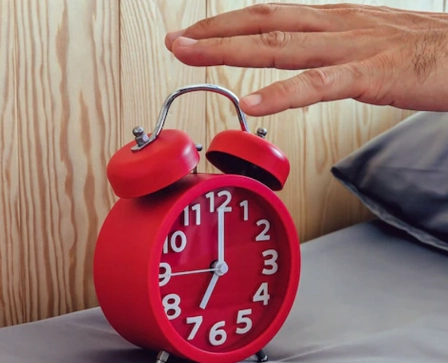
So, what should your sleep quality be? It should be consistent, efficient, and leave you feeling restored. Use the numbers as guides, not gospel. Listen to your body. Start with one small change—maybe locking in that wake-up time—and build from there. Good sleep isn't a destination you arrive at; it's a daily practice you cultivate.
Reader Comments