In This Guide
- What Does "Poor Sleep Quality" Really Mean?
- Root Causes: Why Your Sleep Sucks
- Your Action Plan: Building Better Sleep, One Step at a Time
- When to Consider Supplements & Aids
- Common Questions (Stuff People Really Want to Know)
- When It's Time to Get Professional Help
- Putting It All Together: Be Your Own Sleep Scientist
Let's be honest. Waking up feeling like you've been hit by a truck, even after eight hours in bed, is the worst. You drag yourself through the day, coffee becomes your lifeline, and by evening you're exhausted but... wide awake? It's a miserable cycle. I've been there. Staring at the ceiling at 3 AM, mind racing about everything and nothing. That's poor sleep quality in a nutshell—it's not just about quantity.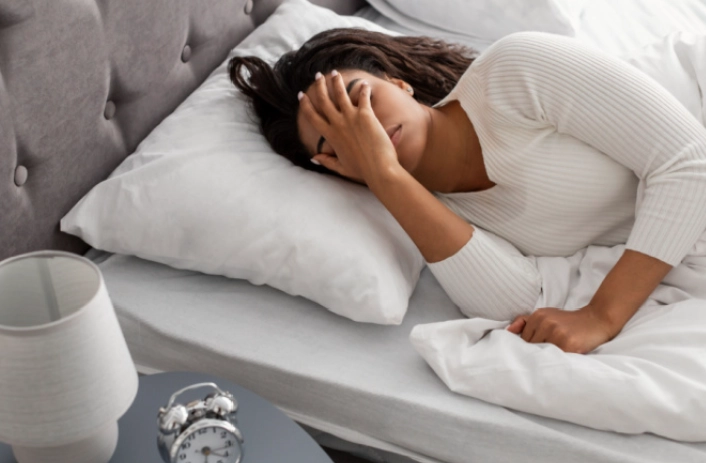
So, how do you actually fix poor sleep quality? It's the million-dollar question. The internet is full of quick fixes and miracle cures, but most of them are nonsense. The real answer isn't one magic pill. It's about understanding the why behind your restless nights and then building a system, a personal toolkit, that works for your life.
This guide is that toolkit. We're going to move past the generic "sleep more" advice and dig into the practical, often overlooked details that make the difference between surviving and thriving.
What Does "Poor Sleep Quality" Really Mean?
Before we jump into solutions, let's define the enemy. Poor sleep quality isn't just insomnia. You could be clocking a solid 7 hours but still feel awful. Why?
Think of sleep like a symphony. It has movements: light sleep, deep sleep, and REM (dream) sleep. Poor quality means the orchestra is out of tune. You might not get enough deep, restorative sleep. Your REM cycles might be fragmented. You might wake up multiple times without even remembering.
I used to think my 6.5 hours were fine because I could "get by." Then I tracked my sleep with a wearable for a month. The data was ugly. My deep sleep was pathetic, and I was restless as heck. It was a wake-up call (pun intended) that time in bed does not equal quality sleep.
Root Causes: Why Your Sleep Sucks
You can't fix a problem you don't understand. Let's break down the usual suspects. Often, it's a combination of a few of these.
The Usual Suspects (Habits & Environment)
This is where most guides start, and for good reason. It's the low-hanging fruit.
- Blue Light Bombardment: Your phone, tablet, laptop. That Netflix binge before bed? It's telling your brain the sun is still up, suppressing melatonin (your sleep hormone). I'm guilty of this too. Scrolling in bed feels relaxing, but it's a trap.
- A Sleep Environment That's Working Against You: Is your room too warm? Most people sleep better in a cool room (around 65°F or 18°C). Is it noisy? Even low-level traffic noise can disrupt sleep cycles. Is it pitch black? Even tiny LED lights from chargers can interfere.
- Inconsistent Schedule: Sleeping in till noon on weekends completely throws off your internal clock (circadian rhythm). Your body loves predictability.
- Eating & Drinking Too Late: A heavy meal right before bed means your body is busy digesting, not resting. And alcohol? It might make you pass out, but it absolutely wrecks sleep quality later in the night, leading to fragmented, non-restorative sleep. It's a sedative, not a sleep aid.
The Deeper Dig (Mind & Body)
This is where we go beyond the basics. If you've "tried everything" and still can't fix poor sleep quality, look here.
- Stress & Anxiety: The number one sleep killer for adults. Your mind won't shut off. Work worries, life stress, that awkward thing you said in 2012—it all comes visiting at night.
- Poor Sleep Hygiene: Not just brushing your teeth. It's the ritual. Do you have a wind-down routine, or do you go from work email to pillow?
- Lack of Daytime Light & Movement: Your circadian rhythm is set by morning sunlight. If you're indoors all day under artificial light, your body gets confused. And physical fatigue (the good kind) promotes deeper sleep.
- Underlying Health Issues: Things like sleep apnea (which often goes undiagnosed), restless leg syndrome, acid reflux, chronic pain, or hormonal imbalances. If you snore loudly, gasp for air at night, or have persistent issues, please see a doctor. No blog post can fix that.
See what I mean? How to fix poor sleep quality requires a bit of detective work. You need to figure out which of these levers are off in your life.
Your Action Plan: Building Better Sleep, One Step at a Time
Don't try to do everything at once. You'll get overwhelmed and quit. Pick one or two areas from below that resonate most and start there. Consistency beats perfection every time.
Step 1: Master Your Sleep Environment
Think of your bedroom as a sleep cave. Its only purposes are sleep and intimacy. Not work, not watching TV, not doomscrolling.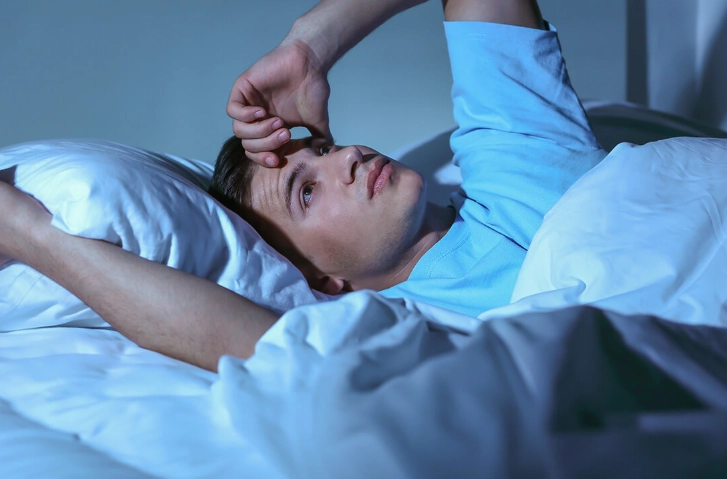
Here’s your optimization checklist:
- Darkness: Blackout curtains are a game-changer. Cover or remove all electronic lights. Consider a comfortable sleep mask if you can't control the light (e.g., street lamps).
- Coolness: Lower the thermostat. Use breathable, natural fiber bedding (cotton, linen). A fan can help with both temperature and white noise.
- Quiet: Earplugs, a white noise machine, or a fan. Even an old phone with a white noise app works. It masks inconsistent noises that trigger your brain to wake up.
- Comfort: Is your mattress older than 7-10 years? It might be done. You don't need a $3000 one, but a supportive one matters. Same with pillows.
Step 2: Craft a Rock-Solid Wind-Down Routine
Your brain needs a signal that the workday is over and it's safe to power down. This is the core of good sleep hygiene.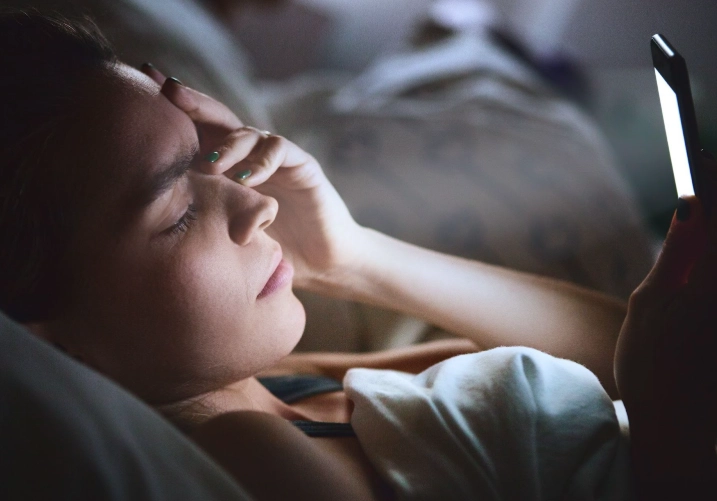
The goal is to lower your core body temperature and nervous system arousal.
Try this 60-minute pre-bed routine:
- Minute 60-30: Tech curfew. Put all screens away. Yes, really. Use the "Do Not Disturb" mode. If you must read, use a physical book or an e-ink reader without a backlight.
- Minute 30-15: Gentle activity. This could be light stretching (not intense yoga), reading that physical book, listening to calm music or a podcast (not news!), or having a quiet conversation.
- Minute 15-0: Prep and mindfulness. Brush your teeth, wash your face. Consider a warm shower or bath. The rise and then fall in body temperature mimics the natural sleep onset process. Then, get into bed and try a simple 5-minute breathing exercise (like 4-7-8 breathing) or a body scan meditation to quiet the mind.
Step 3: Optimize Your Day for Better Nights
Sleep isn't just a night-time event. What you do all day sets the stage.
- Get Morning Sunlight: Within 30-60 minutes of waking, get 10-15 minutes of natural light in your eyes (no sunglasses). This is the most powerful signal to set your circadian clock. Even on a cloudy day, it works.
- Move Your Body: Regular exercise is fantastic for sleep quality. But timing matters. For most, finishing vigorous exercise at least 3 hours before bed is best. Gentle evening walks or stretching are fine.
- Manage Caffeine & Alcohol: Cut off caffeine by 2 PM (or earlier if you're sensitive). Be honest about alcohol. Try a 30-day break and see how your sleep feels. The difference can be staggering.
- Watch Evening Food & Fluids: Have your last big meal 2-3 hours before bed. If you're hungry, a small, sleep-friendly snack like a banana, a handful of almonds, or some tart cherry juice is okay. Limit fluids an hour before bed to minimize bathroom trips.
Step 4: Tame the Anxious Mind
This is the hardest part for many. Learning how to fix poor sleep quality often means learning how to manage stress.
"Worrying is like paying a debt you don't owe." Trying to solve problems at 2 AM is pointless. Your brain's problem-solving capacity is at its lowest.
Two techniques that actually work:
- The Brain Dump: Keep a notebook by your bed. If your mind is racing, sit up, turn on a dim light, and write down everything swirling in your head. To-do lists, worries, ideas. Get it out on paper. This tells your brain, "It's noted, we'll handle it tomorrow." Close the book. Literally and figuratively.
- Paradoxical Intention: When you can't fall asleep, stop trying. Give yourself permission to just rest. Say, "I'm just going to lie here comfortably and rest my body." Often, the pressure to sleep is what keeps you awake. Removing that pressure can be incredibly freeing.
When to Consider Supplements & Aids
I'm skeptical of most supplements. The market is full of junk. But a few have decent evidence behind them. Think of them as supports for your foundation, not the foundation itself.
| Supplement | What It Is / Does | The Reality Check | My Personal Take |
|---|---|---|---|
| Melatonin | A hormone your body makes to signal sleep. | It's a timing signal, not a knockout pill. Best for jet lag or resetting a schedule. Use a low dose (0.5mg - 3mg) about 30 mins before bed. Less is often more. | Helpful for the occasional "I need to fall asleep earlier tonight" but not a daily fix. Can cause weird dreams for some. |
| Magnesium Glycinate | A mineral many are deficient in. Glycinate is well-absorbed. | Plays a role in muscle relaxation and nervous system calming. The evidence is promising but not slam-dunk. It's generally safe. | This is the one I use most nights. I find it takes the "edge" off and reduces restless legs. No dramatic effect, but a subtle helper. |
| L-Theanine | An amino acid found in green tea. | Promotes relaxation and alpha brain waves (calm alertness) without sedation. Good for anxiety-related sleep issues. | Great for an overactive mind. I'll sometimes take it if I've had a stressful day and need to wind down. |
| Valerian Root | An herbal supplement. | Mixed evidence. Some studies show benefit, others don't. It can interact with medications. Smells like old socks. | Tried it. Didn't notice much, and the smell was off-putting. Not my favorite. |
Common Questions (Stuff People Really Want to Know)
This is super common. Waking up once is normal, but not being able to fall back asleep is the problem. Causes:
- Blood Sugar Dip: Your liver might be releasing a burst of cortisol to raise blood sugar. Try that small protein/fat snack before bed (e.g., a spoonful of almond butter).
- Stress Hormone Spike: Cortisol should be low at night. If it's elevated, you'll wake up. Focus heavily on daytime stress management and the wind-down routine.
- Need the bathroom? Limit evening fluids.
- What to do when it happens: Don't look at the clock. Don't pick up your phone. Do the 4-7-8 breathing or a body scan. If you're still awake after 20 minutes, get out of bed. Go to another room, read a boring book in dim light (no screens!), and only return to bed when you feel sleepy again. This breaks the association of bed with frustration.
It's a double-edged sword. A short "power nap" of 10-20 minutes before 3 PM can boost afternoon alertness without affecting night sleep. Long, late naps (45+ minutes, after 4 PM) can definitely steal from your night's sleep drive and make it harder to fix poor sleep quality at night. If you struggle with nighttime sleep, it's best to avoid napping altogether for a while to build up strong sleep pressure.
Ah, the modern dilemma. I have a love-hate relationship with mine. They can be useful for seeing trends—like how alcohol or late caffeine affects your deep sleep graph. They provide objective data. But they can also cause orthosomnia—an unhealthy obsession with perfect sleep data. If you find yourself stressing over a "poor" score, take the device off for a week. Listen to your body, not just the algorithm. For a great overview of sleep science that can help you interpret your tracker data, the National Sleep Foundation website is an excellent, trustworthy resource.
When It's Time to Get Professional Help
Look, if you've genuinely tried lifestyle changes for a few months and your sleep is still wrecking your life, it's time to call in the pros. This isn't failure; it's smart.
- Signs you need a doctor: Loud, chronic snoring with pauses in breathing (sleep apnea), persistent insomnia despite good habits, uncontrollable leg movements, chronic pain that disrupts sleep, or overwhelming daytime sleepiness.
- Who to see: Start with your primary care physician. They can rule out underlying issues (thyroid, anemia, etc.). They may refer you to a sleep specialist or a psychologist who specializes in Cognitive Behavioral Therapy for Insomnia (CBT-I). CBT-I is considered the gold-standard, first-line treatment for chronic insomnia and is more effective long-term than sleep medications. You can learn more about this evidence-based approach from institutions like the American Psychiatric Association or through resources from Harvard Medical School.
Medications should be a last resort, short-term tool used under strict medical supervision. They don't teach you how to fix poor sleep quality; they just mask it.
Putting It All Together: Be Your Own Sleep Scientist
The final, most important piece of advice: experiment. You are a unique biological system. What works for your friend or some influencer might not work for you.
Keep a simple sleep journal for two weeks. Note: bedtime, wake time, estimated sleep quality (1-5), what you did before bed, what you ate/drank, exercise, and stress levels. Look for patterns. Did you sleep better on days you walked in the morning? Worse on days you had wine with dinner?
Be patient.
You didn't develop poor sleep habits overnight, and you won't fix them overnight either. It takes consistency. Some nights will still be bad, and that's okay. The goal is progress, not perfection. The journey to understand how to fix poor sleep quality is really a journey to take better care of your whole self. When you prioritize sleep, you're not just investing in nighttime—you're upgrading every single hour of your day.
Start tonight. Just pick one thing. Maybe it's putting your phone away 30 minutes earlier. Or changing your bedroom temperature. One small change can be the first domino that falls, leading you toward the deep, restorative sleep you deserve.
Reader Comments