Quick Navigation
Let's be honest. For years, napping got a bad rap. It was seen as lazy, unproductive, the domain of toddlers and the elderly. If you were caught dozing at your desk, it was a mark of shame. But what if I told you that science has completely flipped the script on that? The real story about nap benefits is far more interesting, and frankly, a bit liberating.
I remember trying to power through the infamous 3 PM slump with yet another cup of coffee. My screen would blur, my focus would scatter, and I'd spend an hour doing what should have taken twenty minutes. Sound familiar? It wasn't until I stumbled upon some research—and got desperate enough to try it—that I discovered the transformative power of a short, intentional nap. The difference wasn't subtle. It was like someone hit the reset button on my brain.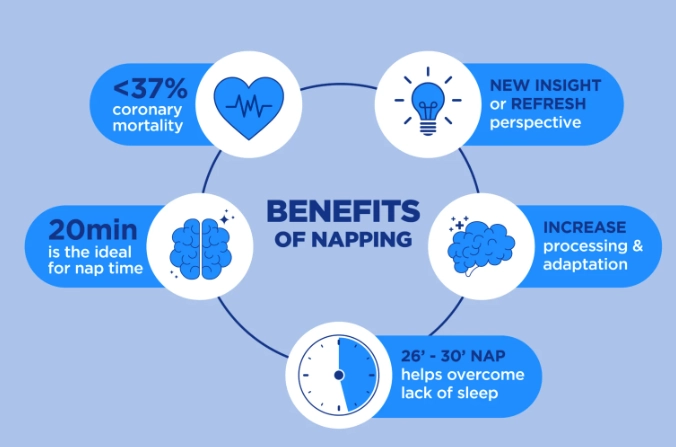
So, if you've ever felt guilty for wanting to close your eyes in the afternoon, or if you've wondered whether those nap benefits you hear about are actually real, you're in the right place. We're going to dig past the surface-level advice and look at what the data actually says.
The Core Idea: Napping Isn't About Replacing Sleep
This is the biggest misconception. The goal of a nap isn't to make up for chronic, terrible night-time sleep (that's a separate problem). Think of it more like a strategic performance enhancer. It's a tool to sharpen your mind, reset your mood, and boost your alertness during the natural dip in our circadian rhythm that hits most people in the early afternoon. The benefits of napping are about optimization, not compensation.
What Science Says: The Proven Perks of Putting Your Head Down
The research on this is surprisingly robust. We're not talking about vague feel-good claims; we're talking about measurable changes in brain function, physiology, and performance. Organizations like the National Institutes of Health (NIH) have funded studies that peel back the layers on how sleep—including short sleeps—affects us. Let's break down the biggest, most well-supported nap benefits.
Giving Your Memory a Major Upgrade
This one blows my mind. Studies have shown that sleep, including naps, plays a critical role in memory consolidation. That's the process where your brain takes the raw information from the day, filters it, and files it away for long-term storage. A nap acts like a save button for your brain.
Imagine you learn a new skill in the morning—a software shortcut, a few phrases in a new language, a complex concept. Your brain holds that information in a temporary, fragile state. A nap, particularly one that includes slow-wave sleep, helps solidify those neural pathways. Research published in journals referenced by the American Sleep Association has demonstrated that people who nap after learning retain information significantly better than those who don't. It's like giving your brain dedicated time to organize its messy desktop.
Personal Note: I tested this when trying to learn guitar chords. Practicing for 30 minutes, then taking a 20-minute nap, made recalling those finger positions later in the day almost effortless compared to just grinding through practice. The difference was stark.
Sharper Focus and Lightning-Fast Reaction Times
Feeling foggy? Your alertness and vigilance naturally decline as hours of sustained wakefulness pile up. A NASA study on sleepy pilots (talk about a high-stakes environment!) found that a 40-minute nap improved performance by 34% and alertness by 100%. Let that sink in. Double the alertness.
For the rest of us not flying jets, this translates directly to work. That mid-afternoon period where you catch yourself reading the same email three times? A short nap can clear that fog. It reduces what sleep scientists call "sleep pressure," giving you a fresh burst of cognitive capacity. The benefits of a power nap are particularly strong here—just enough sleep to refresh, not so much that you dive deep and wake up groggy.
The Emotional Reset Button
This is an underrated aspect of nap benefits. When you're tired, your brain's emotional regulation center, the amygdala, goes a bit haywire. It becomes more reactive to negative stimuli. You're quicker to frustration, more susceptible to stress, and less resilient.
A nap can help recalibrate that. It's like a cooling-off period for your emotional brain. Studies using EEG have shown that napping can restore emotional stability and increase frustration tolerance. Ever notice how everything seems worse when you're exhausted? A nap doesn't solve your problems, but it can give you the emotional bandwidth to handle them better.
Frankly, the world could use a few more people who are well-rested enough to be patient and kind.
Boosting Creativity and Problem-Solving
Stuck on a problem? Walk away from it. Or better yet, sleep on it. There's a reason the phrase exists. During sleep, your brain engages in a different kind of processing. It makes distant, non-obvious connections between ideas.
This isn't magic; it's neuroscience. The relaxed state of sleep allows your brain to wander through networks of associated ideas without the rigid, linear constraints of focused, wakeful thought. You might wake up with a novel solution or a creative insight that was completely elusive before. The nap benefits for creative professionals, writers, engineers, and anyone who needs "outside-the-box" thinking are immense.
A Quick Reality Check: Napping isn't a magic bullet for everyone. If you have severe insomnia, napping late in the day can make it harder to sleep at night. And if your nap is too long, you can wake up with "sleep inertia"—that groggy, disoriented feeling that defeats the whole purpose. The key, as with most things, is doing it right.
The Art and Science of the Perfect Nap: A Practical Guide
Knowing the benefits of napping is one thing. Actually reaping them is another. It's not just about closing your eyes whenever. There's a strategy to it. Get it wrong, and you feel worse. Get it right, and it's transformative.
The Golden Rule: Timing is Everything
The ideal nap window for most people is between 1 PM and 3 PM. This aligns with the post-lunch dip in your circadian rhythm. Napping too late (say, after 4 PM) can indeed interfere with your night-time sleep, stealing from Peter to pay Paul.
But the single most important factor is duration. This isn't a one-size-fits-all, but here's a reliable breakdown:
| Nap Length | What Happens in Your Brain | Primary Benefit | Best For... |
|---|---|---|---|
| 10-20 minutes (The Power Nap) | Stays in light Stage 2 sleep. Easy to wake from. | Immediate alertness, improved mood, sharpened motor skills. | A quick recharge during a workday slump. My personal go-to. |
| 30-60 minutes | Enters slow-wave sleep (deep sleep) but often doesn't complete a full cycle. | Enhanced memory consolidation for facts and information. | Students after studying, or before a long period of needed focus. |
| 60-90 minutes (Full Cycle) | Completes a full sleep cycle, including REM sleep. | Boosts creativity, emotional processing, and procedural memory (skills). | Weekend recovery, creative blocks, or when you can afford a longer wind-down. |
See the risk with the 30-60 minute nap? If you're woken from deep sleep, you'll have that awful groggy feeling. That's called sleep inertia, and it can last 30 minutes or more. Personally, I avoid this window unless I'm setting a very precise alarm.
Crafting Your Nap Environment
You can't just slump over your keyboard and expect the full suite of nap benefits. A little setup goes a long way.
- Darkness: Even a sleep mask. It signals to your brain that it's time to shut down.
- Quiet & Cool: A slightly cool room is conducive to sleep. Use earplugs or white noise if needed.
- Comfort: If you can't get horizontal, at least recline. The goal is to relax your muscles, not strain your neck.
- The "Caffeine Nap" Trick (A Personal Favorite): Drink a small cup of coffee right before your 20-minute nap. The caffeine takes about 20-25 minutes to hit your bloodstream. You get the restorative power of the nap, and then you wake up as the caffeine kicks in, for a double-barreled alertness boost. It sounds crazy, but it works.
I used to think I "wasn't a napper" because I'd lie down for 40 minutes, wake up feeling terrible, and give up. It turns out I was just napping wrong. Sticking to a strict 20-minute timer was the game-changer.
Who Really Gets the Most Out of Naps? (And Who Should Be Cautious)
The benefits of napping aren't distributed equally. Your age, lifestyle, and sleep health all play a role.
Prime Candidates:
- Shift Workers: For those battling unnatural sleep schedules, strategic naps are a survival tool, not a luxury. The CDC's NIOSH has resources on managing fatigue in shift work that often mention controlled rest periods.
- New Parents & Caregivers: When nighttime sleep is fragmented and unpredictable, daytime naps become essential for maintaining basic cognitive function and sanity.
- Students: For learning and memory consolidation, as we discussed.
- "Night Owls" Forced on an Early Schedule: A nap can help bridge the alertness gap in the afternoon.
Should Proceed with Caution:
- People with Insomnia: If you struggle to fall or stay asleep at night, a long or late nap can reduce your "sleep drive," making the problem worse. Short, early naps might be okay, but it's tricky.
- Those with Certain Sleep Disorders: Like sleep apnea. Napping without treatment could exacerbate daytime sleepiness.
- Anyone Who Wakes Up Groggy Every Time: You might have a sleep disorder you're unaware of, or you might simply be napping too long. Experiment with shorter durations first.
Debunking Myths and Answering Your Real Questions
Let's tackle the stuff you're actually searching for. The questions that pop into your head when you consider trying this.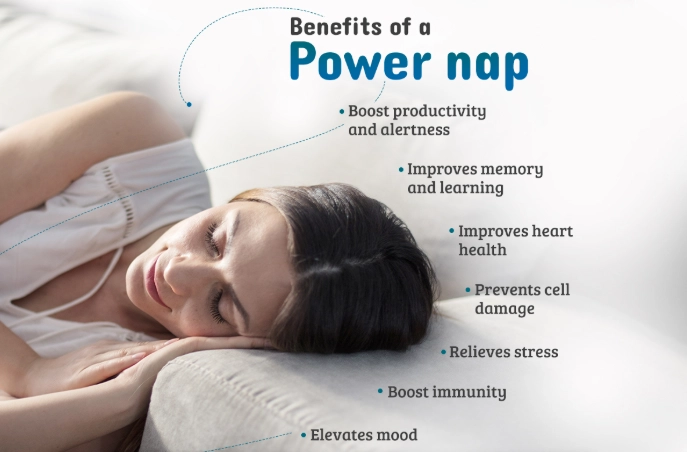
Frequently Asked Questions on Nap Benefits
Wrapping It Up: Making Peace with the Pause
Look, integrating naps isn't about being indulgent. It's about working with your biology, not against it. We live in a culture that prizes grinding and hustle, often at the expense of our actual output and well-being. The science on nap benefits offers a compelling counter-argument: sometimes, the most productive thing you can do is absolutely nothing for 20 minutes.
The evidence is clear—from memory and mood to creativity and reaction time, the benefits of napping are real, measurable, and accessible. It's not a sign of weakness; it's a smart strategy for managing your cognitive and emotional resources.
Start small. Try a 15-minute power nap this weekend. See how you feel. Pay attention to the timing and the grogginess factor. Tweak it. Make it your own.
Your brain is asking for a break. Maybe it's time we started listening.
Reader Comments