You know the feeling. The clock glows 2:17 AM. Your body is tired, but your brain is hosting a late-night talk show of worries, replaying awkward conversations from 2014. You’ve tried everything—warm milk, counting sheep, that expensive melatonin spray. Nothing sticks.
I spent years there. Wired but exhausted. The turning point wasn't a magic pill; it was understanding that sleep isn't something you just "get." It's a biological process you prepare for, like landing a plane. You don't just crash-land onto the runway at bedtime. You need a gradual, controlled descent.
This guide is that flight plan. We're ditching the quick fixes and building a sustainable, natural system for deep, restorative sleep.
What You’ll Discover in This Guide
Master Your Body's Natural Rhythm (The Foundation)
Your circadian rhythm is your internal 24-hour clock. Mess with it, and sleep suffers. The goal isn't to trick it but to work with it.
The #1 Rule: Consistency is King. Go to bed and wake up at the same time every single day, even on Saturdays. Yes, even on Saturdays. A one-hour shift feels like jet lag to your brain. This habit alone, done rigorously for two weeks, will do more for your sleep quality than any supplement on the market.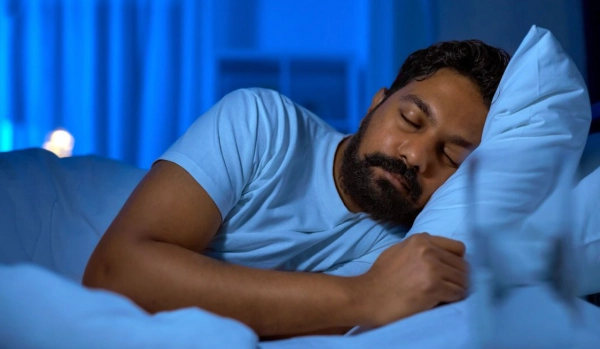
Morning light is your anchor. Get bright, natural light into your eyes within 30-60 minutes of waking. Don't stare at the sun, but have your coffee by a window or take a short walk. This signals to your brain that the day has started and sets the timer for melatonin release roughly 14 hours later.
Design a Non-Negotiable Wind-Down Ritual
Your brain needs a clear signal that work, stress, and stimulation are over. A ritual does that.
Start 60-90 minutes before your target bedtime. This is your "runway."
Phase 1: The Digital Sunset (60 mins out)
This is non-negotiable. Put all screens away. It’s not just blue light—it’s the cognitive and emotional engagement. Scrolling through social media or checking work email activates stress and reward centers. The content is the real enemy. Use this time to charge your phone in another room.
Phase 2: The Mental Download (45 mins out)
Grab a notebook—the old-school paper kind. Do a "brain dump." Write down everything on your mind: tomorrow's tasks, lingering worries, ideas, grocery lists. Get it out of your head and onto paper. This act tells your brain, "It's noted. We can let it go now."
Phase 3: The Physical Cooldown (30 mins out)
This is about lowering your core body temperature and heart rate. A warm bath or shower works brilliantly—as you cool down afterwards, your body temperature drops, mimicking the natural drop that induces sleep. Follow this with 5-10 minutes of gentle stretching or deep, slow breathing (try the 4-7-8 method).
Optimize Your Bedroom for Sleep Success
Your bedroom should be a sleep sanctuary. It should whisper "rest" the moment you walk in.
Darkness is non-negotiable. Even small amounts of light from chargers or streetlights can disrupt melatonin production. Use blackout curtains. Cover or remove all electronic lights. Consider a comfortable sleep mask if you can't control the environment fully.
Cool it down. The ideal temperature for sleep is around 65°F (18.3°C). A cool room facilitates that necessary drop in core temperature.
Quiet, or consistent sound. If noise is an issue, don't use erratic white noise from a fan. Try a dedicated sound machine or app that plays consistent pink or brown noise, which is deeper and less harsh. Earplugs are a game-changer for many.
And your bed? Use it only for sleep and intimacy. No work, no doomscrolling, no watching TV. You want a powerful mental association: bed = sleep.
The Daytime Habits That Make or Break Nighttime Sleep
Sleep is built during the day. What you do from the moment you wake up sets the stage.
Move your body, but time it right. Regular exercise is fantastic for sleep, but intense workouts too close to bedtime can be stimulating for some. Finish vigorous exercise at least 2-3 hours before bed. Gentle yoga or walking in the evening, however, can be part of your wind-down.
Watch the evening pour. Alcohol might make you feel drowsy, but it dramatically fragments sleep in the second half of the night. It suppresses REM sleep, the most restorative phase. It also acts as a diuretic. That 3 AM wake-up to use the bathroom? Alcohol is often the culprit.
Mind the late-night snack. A heavy, rich, or sugary meal right before bed forces your digestive system to work overtime, which can disrupt sleep. If you need a snack, opt for something small with a mix of protein and complex carbs, like a few almonds and a slice of turkey, or a banana with a spoonful of almond butter.
Troubleshooting: When You Still Wake Up at 3 AM
This is the classic sleep maintenance problem. You fall asleep okay, but you're wide awake in the dead of night.
First, don't look at the clock. That glow and the mental calculation ("Only 4 hours left!") creates instant anxiety.
This wake-up is often a tiny cortisol spike—a leftover stress response. The key is to stay calm and not "try" to sleep.
If you're awake for more than 20 minutes, get out of bed. Go to a dimly lit chair and read a boring physical book (no e-readers). Do not turn on bright lights or check your phone. When you feel drowsy again, return to bed. This preserves the bed-as-sleep association.
Often, this wake-up is linked to blood sugar dipping too low. Revisit your evening snack—was it too sugary or non-existent? A more balanced snack before bed can sometimes smooth this out.
Your Top Sleep Questions, Answered

The path to better sleep naturally isn't about one big change. It's about stacking small, consistent wins. Start with one thing from this guide—maybe the digital sunset or the consistent wake time. Master it for a week, then add another. Be patient with yourself. You're retraining a lifetime of habits. But the reward—waking up feeling genuinely restored—is worth every bit of the effort.
Reader Comments