You're tired. You've tried counting sheep, cutting caffeine, and that expensive mattress. But you still can't sleep. The problem with most advice on sleep disorder causes is it treats everyone the same. It's not just about stress or a bad pillow. The real reasons are often hiding in plain sight, woven into your daily routine, your biology, and even your beliefs about sleep itself. After years of working with people struggling to sleep, I've seen the same overlooked culprits again and again. Let's move past the generic tips and dig into what's actually keeping you awake.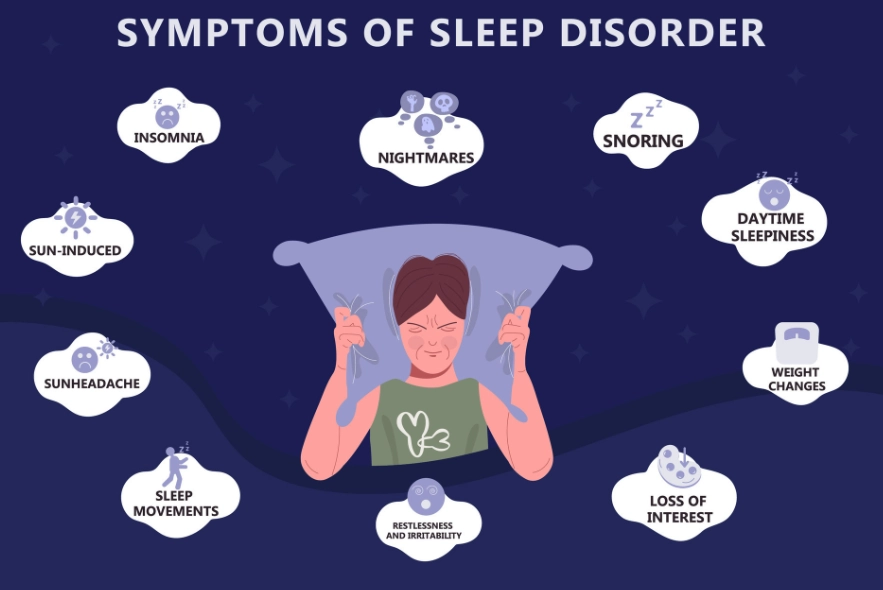
What's Inside This Guide
The Primary Culprits: Medical, Lifestyle, and Environmental
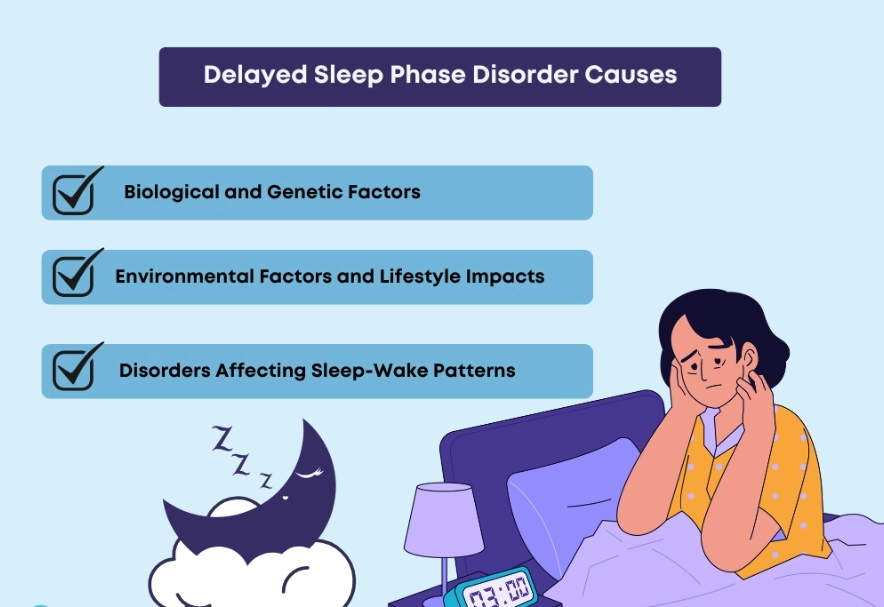
Think of sleep disorder causes in three buckets. Something from one bucket can tip you over, but for many, it's a combination that creates the perfect storm.
Medical and Psychological Causes
These are the internal factors. Chronic pain from arthritis or back problems is a classic sleep thief – you just can't get comfortable. Conditions like asthma or GERD (acid reflux) often worsen at night when you lie down. Then there's the mind. Generalized anxiety disorder, depression, and PTSD are tightly linked to insomnia. But here's the nuance everyone misses: it's not just "being stressed." It's the ruminative thought patterns – the mental loop about a work deadline or a personal worry that your brain can't switch off when the lights go out. This is different from everyday stress.
Lifestyle and Behavioral Causes
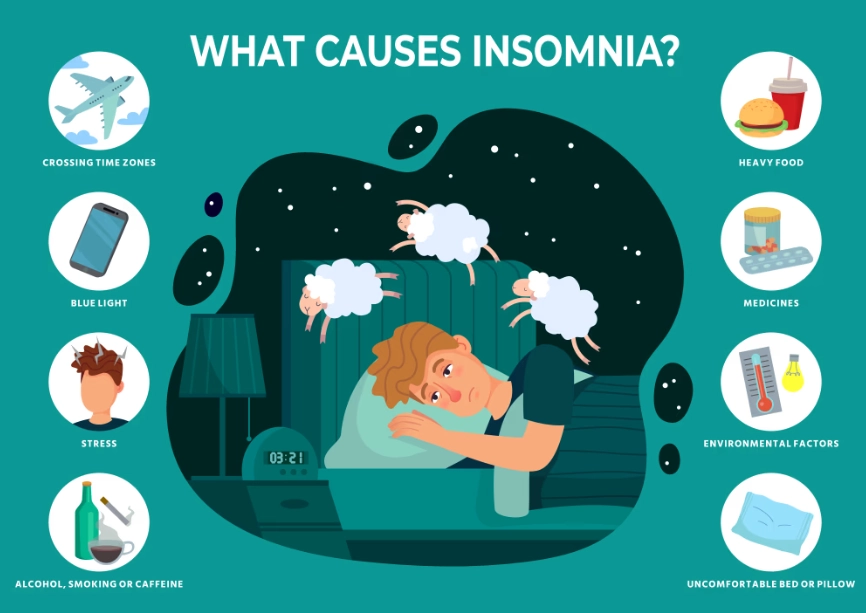
This is your daily routine under a microscope. Irregular sleep schedules (different bedtimes on weekdays vs. weekends) confuse your internal clock. Late-day exercise, while great for health, can be too stimulating for some if done within 3 hours of bedtime. The blue light from screens is talked about a lot, but the bigger issue is the mental engagement. Scrolling through social media or answering work emails tells your brain it's still "go time," not wind-down time. Diet plays a role too – not just caffeine, but heavy, spicy, or high-fat meals too close to bedtime.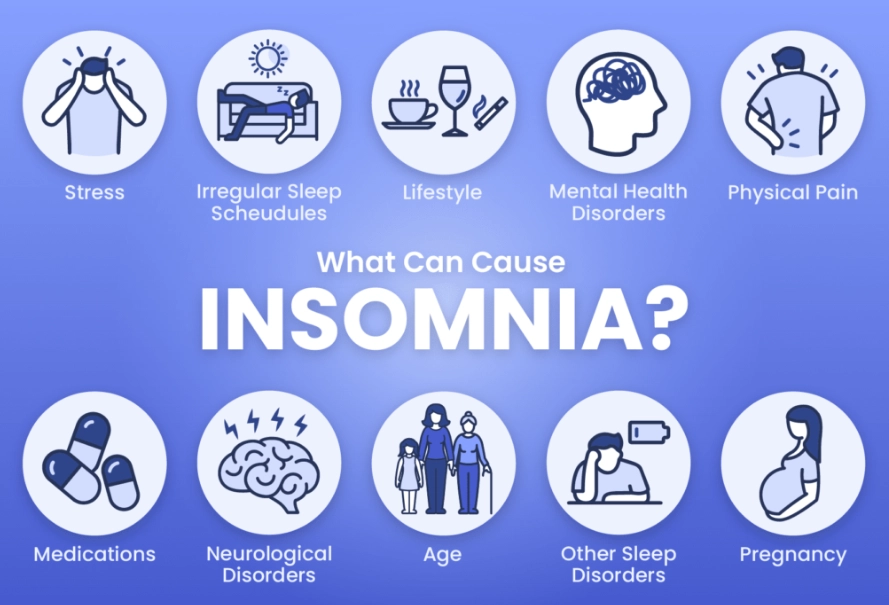
Environmental Causes
Your bedroom might be working against you. It's not just noise, but inconsistent noise like a partner snoring or traffic. Light pollution from streetlights or electronic device LEDs is a major disruptor, even through closed eyelids. Temperature is critical – most people sleep best in a cool room (around 65°F or 18°C). An old, unsupportive mattress or pillows that cause neck strain are physical environmental causes of sleep disorders.
How to Identify Your Specific Sleep Disorder Cause
Throwing solutions at the wall to see what sticks is exhausting. You need a detective's approach. Start with a two-week Sleep Detective Journal. Don't just track when you went to bed and woke up. That's surface level.
Track these specifics:
- Pre-Bed Activity (7-10 PM): What did you DO? Was it passive TV, intense work, family conflict, light reading?
- Mental State at Lights-Out: Anxious? Planning tomorrow? Rehashing today? Calm?
- Wake-Up Pattern: Do you wake at 3 AM like clockwork? Or just can't fall asleep initially?
- Diet & Substance Log: Last caffeine/alcohol time, dinner size and time, any nighttime snacks.
- Weekend vs. Weekday Difference: Do you sleep better when you're off your work schedule? This points strongly to lifestyle or stress causes.
After two weeks, look for patterns. Is poor sleep linked to late meetings? To specific foods? To days you didn't get sunlight? This data is gold. It moves you from "I have insomnia" to "My sleep is disrupted when I have client dinners and then try to work late to catch up."
Next, consider a professional. A primary care doctor can rule out thyroid issues, anemia, or other medical conditions. A sleep specialist can assess for sleep apnea – a huge and often undiagnosed cause of non-restorative sleep. It's not just loud snoring; it can be subtle. A mental health professional can help if anxiety or depression seems central.
The Hidden Triggers Everyone Misses
These are the sleep disorder causes that fly under the radar. They're rarely in the top 10 lists, but I see them constantly.
Circadian Rhythm Disruption from Light Timing: It's not just avoiding blue light at night. It's about getting bright, natural light in the morning. Your circadian clock needs that morning signal to set itself. Without it, the entire rhythm shifts, making you feel alert late and groggy in the morning. Office workers who commute in the dark, work inside, and go home in the dark are prime candidates.
Subclinical Nutrient Deficiencies: Low levels of magnesium, vitamin D, or iron might not show up as a major disease, but they can significantly impact sleep quality. Magnesium helps relax muscles and nerves. Vitamin D receptors are in the brain areas that regulate sleep.
An Overly Quiet Mind at Bedtime: This sounds counterintuitive. We're told to "clear our minds." But for some, a completely blank mind creates a vacuum where anxieties rush in. Giving your brain a gentle, non-emotional task – like mentally recounting the plot of a book you're reading – can be more effective than trying to force emptiness.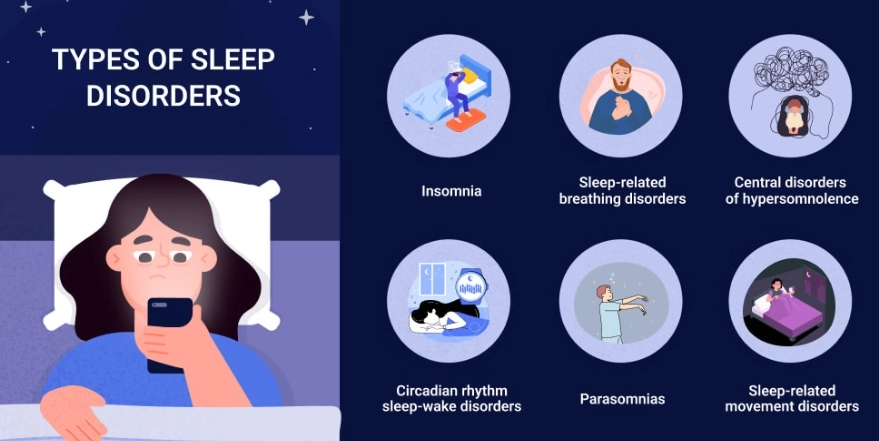
Medication Side Effects: Common prescriptions for blood pressure, asthma, depression, and even some over-the-counter cold medicines can interfere with sleep as a side effect. Always review medication labels and discuss sleep issues with your pharmacist or doctor.
| Hidden Trigger | How It Disrupts Sleep | Simple Action Step |
|---|---|---|
| Morning Light Deficiency | Confuses internal clock, delays melatonin release at night. | Get 15-30 mins of outdoor light within 1 hour of waking. No sunglasses if safe. |
| Low Magnesium | Can lead to muscle cramps, restlessness, and heightened nervous system activity. | Eat more pumpkin seeds, spinach, almonds. Consider a supplement after talking to a doctor. |
| "Sleep Effort" | Trying too hard to sleep creates performance anxiety, activating the fight-or-flight system. | If not asleep in 20 mins, get up and do something boring in dim light. Read a physical book (not a thriller). |
| Dehydration | Can cause nocturnal leg cramps or waking up thirsty, fragmenting sleep. | Hydrate steadily during the day, taper off 1-2 hours before bed to avoid bathroom trips. |
Breaking the Sleep Anxiety Cycle
This is perhaps the most powerful self-perpetuating cause of chronic insomnia. It starts with a few bad nights of sleep due to any of the causes above. Then, you start worrying about not sleeping. The bedroom becomes a place of anxiety, not rest. You watch the clock. You tense up as bedtime approaches. This anxiety releases cortisol and adrenaline – the exact opposite chemicals you need for sleep.
What is Sleep Anxiety and How Does It Cause Insomnia?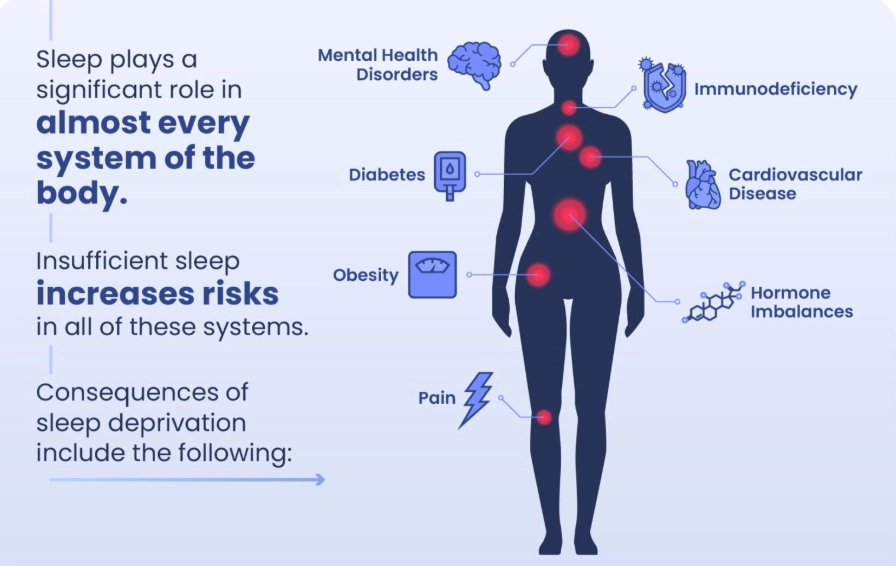
Sleep anxiety is the fear or worry about the process or consequences of not sleeping. Thoughts like "If I don't sleep tonight, tomorrow will be a disaster" or "I've been in bed for an hour, this is terrible" fuel it. This turns sleep into a high-pressure performance you're destined to fail.
To break it, you have to dismantle the association between bed and anxiety.
- Stimulus Control: Use the bed only for sleep and intimacy. No worrying, planning, or watching TV in bed. If anxious thoughts come, note them and tell yourself you'll deal with them in the morning during a designated "worry time."
- Reframe the Goal: The goal is not to sleep. The goal is to rest calmly. Tell yourself "I just need to rest my body." This takes the pressure off. Paradoxically, this often allows sleep to come.
- Schedule "Worry Time": Earlier in the evening, spend 15 minutes writing down all your worries and potential solutions. Close the notebook. If those thoughts return at night, remind yourself it's already been addressed and is off-limits until tomorrow's session.
I had a client who would lie in bed mentally composing work emails. We made a rule: a notepad by the bed. She'd write "Email to John about project X" in three words, then close her eyes. The thought was captured, so her brain could let it go. It reduced her sleep onset time dramatically.
Your Sleep Questions, Answered
 I don't feel stressed during the day, so why is anxiety keeping me up at night?
Reader Comments