You check your sleep tracker in the morning. It says you got 7 hours of sleep, but the deep sleep number looks pitiful – maybe 45 minutes, maybe just 10%. You feel foggy, achy, and far from restored. Sound familiar? We've all been there, staring at a graph that seems to hold the secret to why we're so tired.
Let's cut through the noise. The short answer is: for a healthy adult, deep sleep (or slow-wave sleep) should make up roughly 13% to 23% of your total nightly sleep. That translates to about 55 to 100 minutes if you're logging a solid 7-8 hours.
But that percentage is just the starting point. Why you need it, how it changes as you age, and – most importantly – what to do if you're not getting enough, is where things get interesting. This isn't about chasing a perfect score on an app. It's about understanding a fundamental biological process that repairs your brain and body every single night.
What's Inside This Guide
Why Your Body Craves Deep Sleep
Think of your sleep in cycles, each about 90 minutes long. You drift from light sleep (stages 1 & 2) into the deep, restorative trough of stage 3 (slow-wave sleep), then back up into the dream-rich REM sleep. The first half of your night is dominated by deep sleep. The second half features more REM.
Deep sleep isn't a luxury. It's maintenance mode.
During this phase, your brain waves slow to a synchronized, rhythmic pulse. Your body is paralyzed, making it incredibly hard to wake you up (which is why sleepwalking tends to happen here – it's a glitch in this paralysis system). In this state, several critical things happen:
- Physical Restoration: Growth hormone is released, driving tissue repair, muscle growth, and cell regeneration. This is why athletes need quality sleep for recovery.
- Brain Detox: The glymphatic system, your brain's waste clearance network, kicks into high gear. It flushes out metabolic toxins, including beta-amyloid proteins linked to Alzheimer's disease. A study from the National Institutes of Health highlights this crucial cleansing function.
- Memory Consolidation: Facts and declarative memories (like what you learned studying) are transferred from the short-term hippocampal storage to the long-term cortex, making them more stable.
- Immune System Reboot: Your immune system releases proteins called cytokines, some of which help promote sleep and fight infection.
Skimp on deep sleep, and these processes get short-changed. You're not just tired; you're running your body and brain on a degraded system.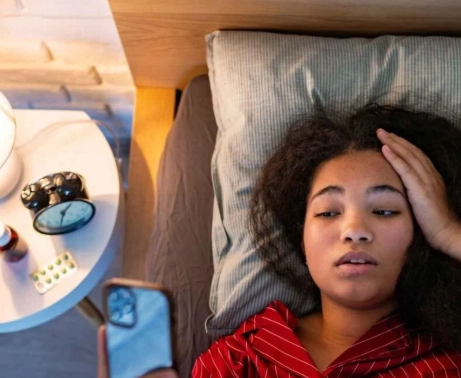
How to Calculate Your Personal Deep Sleep Needs
That 13-23% range isn't one-size-fits-all. It shifts dramatically over a lifetime.
Newborns spend about 50% of their sleep in the deep stage – their brains and bodies are developing at a breakneck pace. By young adulthood, it settles into that sweet spot. As we get older, the amount and intensity of deep sleep naturally decline. A 70-year-old might only get 5-10% deep sleep, and the waves themselves become shallower.
Here's a more practical way to think about it. Let's say you're 35 and aim for 7.5 hours of sleep (450 minutes). A healthy deep sleep target would be:
- Low end (13%): 450 x 0.13 = ~58 minutes
- High end (23%): 450 x 0.23 = ~103 minutes
Anywhere in that 60-100 minute zone is great. Obsessing over hitting 120 minutes every night is not only unrealistic but might indicate you're misinterpreting your tracker's data.
The Tracker Trap: A Note on Accuracy
My old fitness watch once told me I got 12 minutes of deep sleep. I felt terrible that day, so I believed it. Later, a more advanced device showed 70 minutes for a night where I felt similarly rough. The discrepancy was huge.
Most wearables use accelerometers and optical heart rate sensors to estimate sleep stages. They're decent at telling asleep from awake, but distinguishing between light and deep sleep is much trickier. They look for periods of very low movement and stable heart rate. A clinical polysomnogram (PSG) measures brain waves, eye movement, and muscle activity – that's the gold standard.
Use your tracker to observe trends over weeks, not to diagnose a single night. If your deep sleep graph is consistently in the gutter, it's a signal to look at your habits. If it shows a decent amount but you still feel awful, the issue might be sleep quality (fragmentation, breathing issues) or something else entirely.
5 Signs You're Not Getting Enough Deep Sleep
Your body sends bills for sleep debt, and deep sleep deficit has its own collection notices. Look for these:
- You Need an Alarm Clock (And Snooze It Repeatedly). Waking up naturally, feeling refreshed, is a hallmark of a complete sleep cycle. If a blaring alarm is the only thing that can rip you from unconsciousness, your sleep probably wasn't finished, often cutting short later deep or REM cycles.
- Brain Fog and Forgetfulness. Can't recall a colleague's name? Walk into a room and forget why? Struggling to focus on complex tasks? This is often the first cognitive hit from poor deep sleep, as memory consolidation and neural repair are compromised.
- Getting Sick More Often. A run of colds or taking longer to shake off an illness can point to an immune system that hasn't had its nightly tune-up in deep sleep.
- Increased Sensitivity to Pain. Studies, including those referenced by the American Academy of Sleep Medicine, show a clear link between sleep deprivation (particularly deep sleep loss) and lowered pain thresholds. That old back ache feels sharper.
- Intense Sugar and Carb Cravings. Deep sleep helps regulate hormones like ghrelin (hunger) and leptin (satiety). Miss out, and your body seeks quick energy to fight fatigue, leading to poorer food choices.
Spot a few of these? It's time to look at your sleep hygiene not as a gentle suggestion, but as a non-negotiable protocol for getting more slow-wave sleep.
How to Get More Deep Sleep Naturally
You can't force your brain into deep sleep. But you can create the perfect conditions for it to happen. It's about setting the stage, not pulling the strings.
1. Lock Down Your Schedule (This is #1 for a Reason)
Your circadian rhythm loves predictability. Going to bed and waking up at roughly the same time every day – yes, even on weekends – stabilizes your sleep architecture. Inconsistent timing is like jet lagging yourself every few days, and deep sleep is the first casualty. A swing of more than an hour on weekends can throw it off.
2. Get Serious About Light
Morning sunlight viewing (15-20 minutes) anchors your rhythm. But the evening rule is critical for deep sleep: avoid bright, blue-heavy light 2 hours before bed. This isn't just about phones. It's about overhead LED lights, bright TVs, and tablets. I use dim, warm-toned lamps after sunset. It feels dramatic at first, but the difference in sleep depth is noticeable.
3. Mind Your Evening Intake
Alcohol is a deep sleep saboteur. It's sedating, so it helps you fall asleep, but as it metabolizes, it causes sleep fragmentation and severely suppresses REM and deep sleep in the second half of the night. A heavy meal too close to bedtime forces your digestive system to work, raising core body temperature when it needs to drop for good sleep.
4. Cool Down, Literally
A drop in core body temperature is a key signal to initiate sleep. A hot bedroom (above 68°F or 20°C) can interfere. A cool shower before bed, light bedding, and good bedroom ventilation can help. Some studies suggest taking a warm bath 1-2 hours before bed works too – as you get out, your body cools rapidly, mimicking the natural temperature drop.
5. Manage Stress and Wind Down
A racing mind is the enemy of deep sleep. High cortisol levels at night keep you in lighter stages. This is where a wind-down ritual is non-negotiable. It could be 10 minutes of gentle stretching, reading a physical book (not a thriller!), or a simple breathing exercise. The goal is to create a buffer zone between your day and your bed.
One trick I learned from a sleep specialist: if you're a chronic overthinker, try "scheduling" your worry. Write down everything on your mind in a notebook 90 minutes before bed. Close it. Tell yourself it's all captured and will be there in the morning. It sounds silly, but it works by offloading the cognitive load.
Reader Comments