You know the feeling. You get your seven or eight hours, the sleep tracker says you slept "well," but you drag yourself out of bed feeling like you ran a marathon in your dreams. That foggy, unrefreshed sensation is the hallmark of a night lacking in deep sleep, or slow-wave sleep. It's the most restorative phase, where your body repairs tissues, strengthens the immune system, and consolidates memories. When you miss out on it, nothing else in your sleep cycle can compensate.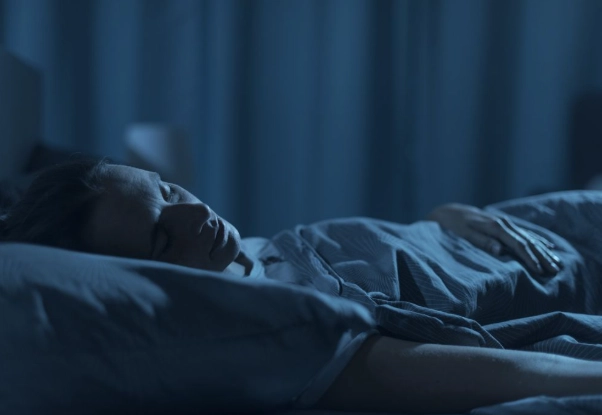
Most articles will blame caffeine and blue light. Those are part of the puzzle, sure. But after years of looking at sleep patterns and talking to exhausted people, I've found the real culprits are often subtler, hiding in plain sight within our daily routines and even our well-intentioned efforts to sleep better.
Let's cut through the noise and get into what's actually stealing your deep sleep.
What's Inside This Guide
The Silent Saboteurs of Deep Sleep (Beyond the Obvious)
These are the lifestyle factors that quietly chip away at your slow-wave sleep. You might not even realize they're a problem.
1. The Timing of Your Exercise
Exercise is fantastic for sleep—until the timing is wrong. A vigorous workout within 2-3 hours of bedtime can be a major deep sleep thief. Your core body temperature needs to drop to initiate and maintain deep sleep. Intense exercise raises it significantly, and your body might still be "revved up" from the endorphins and adrenaline. That evening spin class? It might be the reason you're sleeping lightly.
A common mistake: People think "I'm tired after the gym, so I'll sleep better." The fatigue helps you fall asleep, but it often sabotages the quality of that sleep, particularly the deep stages.
2. Inconsistent Sleep Schedules (Even on Weekends)
Your brain loves predictability for deep sleep. When you go to bed and wake up at wildly different times, you confuse your circadian rhythm. Think of deep sleep as a scheduled, deep-cleaning crew for your brain. If you keep changing the time they're supposed to show up, their work gets messy and incomplete.
Sleeping in on Saturday feels great in the moment, but it's like giving yourself jet lag. Come Sunday night, your brain isn't sure when to deploy the deep sleep resources, so you get less of it.
3. Alcohol: The Deceptive Sedative
This is the big one everyone gets wrong. Alcohol is a sedative, so it knocks you out fast. But as it metabolizes during the night, it creates a rebound effect. It fragments your sleep, suppresses REM sleep early on, and critically, dramatically reduces deep sleep in the second half of the night.
You might sleep through the night after a few drinks, but the architecture of that sleep is a wreck. You're getting mostly light, unrefreshing sleep. Relying on a nightcap is a guaranteed way to undermine deep sleep restoration.
4. A Bedroom That's Just Slightly Too Warm
The ideal temperature for deep sleep is cooler than most people think—around 65°F (18.3°C). A room that's even 70-72°F can prevent your body from achieving the core temperature drop it needs. This isn't about comfort; it's a biological trigger. Your body starts shedding heat through your hands and feet to cool the core, a process essential for entering deep sleep. A warm room disrupts this process.
Medical & Psychological Conditions That Disrupt Deep Sleep
Sometimes, the cause isn't behavioral at all. Certain conditions directly attack the brain's ability to generate slow-wave sleep.
| Condition | How It Steals Deep Sleep | What It Feels Like |
|---|---|---|
| Sleep Apnea | Each breathing pause (apnea) causes a micro-arousal, pulling you out of deep sleep to restart breathing. You may never reach stable deep sleep. | Loud snoring, gasping at night, extreme daytime fatigue despite long hours in bed. |
| Restless Legs Syndrome (RLS) | The irresistible urge to move your legs is strongest at rest, often just as you're trying to transition into deeper sleep stages. | Creeping, crawling sensations in the legs in the evening, relief only with movement. |
| Chronic Pain | Pain signals act as constant alarms, preventing the brain from fully disengaging and descending into deep, restorative sleep. | Waking up frequently due to pain, never feeling rested, pain often feels worse after a poor night's sleep. |
| Depression & Anxiety | Alters brain chemistry and hyper-activates the stress response system (HPA axis), making it hard to achieve the neurological quietude needed for deep sleep. | Early morning awakenings, ruminating thoughts at night, sleep that doesn't feel refreshing. |
| Aging | A natural, gradual decline in slow-wave sleep production begins in middle age. Deep sleep duration and intensity decrease. | Lighter sleep, more frequent awakenings, needing longer in bed to feel rested. |
If you suspect any of these, the first step isn't a better mattress—it's a conversation with your doctor or a sleep specialist. Treating the underlying condition is the only way to restore deep sleep.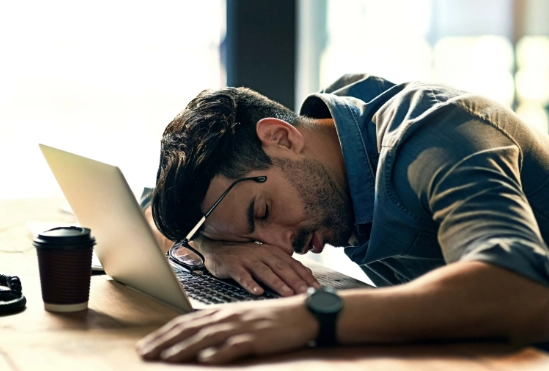
Key Insight: Many people with sleep apnea are misdiagnosed with insomnia or depression because the core symptom—unrefreshing sleep—overlaps. A sleep study is the only way to know for sure.
How to Diagnose and Fix Your Deep Sleep Problem
Okay, so you're probably wondering which of these applies to you. Let's be practical.
Step 1: Conduct a Two-Week Sleep Audit
Forget fancy gadgets for a moment. Grab a notebook. For two weeks, track these things right before bed and right when you wake up:
- Bedtime & Wake Time: Be exact.
- Alcohol: How many drinks and how close to bed?
- Exercise: Type, intensity, and timing.
- Evening Mood: Stressed? Anxious? Calm?
- Morning Feeling: Rate your refreshment from 1 (zombie) to 10 (spring chicken).
- Room Temp: A rough guess.
Patterns will emerge. You might see that on days you had a late workout, your morning rating is a 3. Or that even one glass of wine with dinner correlates with a groggy morning.
Step 2: Implement a "Deep Sleep Hygiene" Protocol
Based on your audit, make one or two targeted changes:
- If timing is an issue: Set a consistent wake-up time first. Get up at the same time every day for two weeks, even weekends. Your bedtime will naturally regulate.
- If alcohol is a factor: Institute a 3-hour alcohol-free buffer before bed. See if your deep sleep (and your energy) improves.
- If temperature is off: Drop your thermostat to 66-68°F. Use lighter bedding. A cool room is non-negotiable.
- For wind-down: Create a 60-minute pre-sleep ritual that involves dim lights, no screens, and something calming like reading (a real book) or light stretching.
Step 3: When to Seek Professional Help
If you've made consistent lifestyle changes for a month and still feel utterly unrefreshed, it's time to look deeper. Tell your doctor: "I am getting 7-8 hours in bed but wake up exhausted every day. I'm concerned about my sleep quality." This phrasing focuses on the symptom (unrefreshing sleep) which can lead to referrals for conditions like sleep apnea or RLS.
Resources from organizations like the American Academy of Sleep Medicine or the National Sleep Foundation can help you find accredited specialists.
Your Deep Sleep Questions, Answered
I exercise after work at 7 PM because it's my only free time. Am I doomed to bad deep sleep?
Not necessarily doomed, but you're working against your biology. The key is to manage the intensity and the cooldown. Swap high-intensity cardio for strength training, yoga, or a moderate-paced walk. The goal is to avoid spiking your core temperature and adrenaline too much. Follow it with a genuinely cool shower to help lower your body temperature. It's suboptimal, but with smart modifications, you can mitigate a lot of the damage.
My sleep tracker shows I get almost no deep sleep. Is it accurate?
Consumer wearables (like Fitbit, Oura Ring, Whoop) are good at detecting sleep vs. wake but are notoriously inaccurate for specific sleep stages like deep sleep. They often confuse quiet, motionless light sleep for deep sleep. Don't panic over the absolute number. Instead, use the tracker to watch trends. Did your "deep sleep" score go up when you stopped drinking? Did it go down when you worked out late? The relative change is useful data; the specific number is not a clinical diagnosis.
Can you "catch up" on deep sleep over the weekend?
This is a pervasive myth. Sleep debt, especially deep sleep debt, doesn't work like a bank account where you can make a deposit on Saturday. The recovery process is inefficient. You might get a slight rebound in deep sleep the first night you extend your sleep, but it won't fully compensate for a week of deprivation. More importantly, the inconsistent schedule required to "catch up" further disrupts your circadian rhythm, making the following week's sleep worse. Consistency is infinitely more valuable than marathon sleep sessions.
Are naps good or bad for deep sleep at night?
It depends entirely on timing and duration. A short nap (10-20 minutes) before 3 PM is unlikely to affect nighttime deep sleep. However, a long nap (over 30 minutes) or a nap taken late in the afternoon can reduce your "sleep pressure"—the buildup of adenosine that drives the need for deep sleep. This can make it harder to fall asleep and may lighten your sleep early in the night, potentially cutting into deep sleep time. If you struggle with deep sleep, it's safer to avoid naps after lunchtime.
The journey to better deep sleep isn't about a single magic fix. It's about becoming a detective in your own life, identifying the specific saboteurs that apply to you, and methodically removing them. Start with the audit. Be ruthlessly honest about your habits. The path to waking up truly refreshed is clearer than you think.
Reader Comments