You hit the sheets for a solid seven, maybe eight hours. The alarm goes off, and you feel... wrecked. Groggy, irritable, like you never slept at all. Sound familiar? You're not alone, but you might be missing the real problem. It's not just about hours logged. The real question is: how's the quality of that sleep?
Poor sleep quality is a silent thief. It doesn't always shout; it whispers through your day in ways you've learned to accept as normal. That 3 PM crash? The brain fog? The short fuse? We blame coffee, work, or just "having a bad day." But often, the root cause was decided hours earlier, between your sheets.
Let's cut through the noise. Here’s how to honestly assess your sleep, spot the subtle red flags, and understand what your body is desperately trying to tell you.
What's Inside: Your Sleep Quality Check-Up
The Core Question: What Does ‘Good Sleep’ Actually Mean?
Forget the magic eight-hour rule for a second. Good sleep quality, according to organizations like the National Sleep Foundation, isn't a single number. It's a combination of factors that add up to feeling restored.
Think of it like a recipe. You need the right ingredients in the right amounts:
- Sleep Latency: Falling asleep within 15-20 minutes of lights out.
- Sleep Efficiency: Spending at least 85% of your time in bed actually asleep (not tossing, turning, or staring at the ceiling).
- Sleep Continuity: Waking up no more than once per night, and falling back asleep easily if you do.
- Sleep Architecture: Cycling smoothly through the necessary stages of light, deep, and REM sleep.
- Subjective Quality: Waking up feeling refreshed and restored.
If several of these ingredients are off, you have the recipe for poor sleep quality—no matter how long you were in bed.
The 7 Unmistakable Signs Your Sleep Quality Needs Work
These aren't just "you feel tired." These are specific, tangible signals your sleep isn't doing its job.
1. The Daytime Drag That Feels Like Gravity Increased
This is the big one. Needing caffeine to function isn't normal. Persistent fatigue, heavy eyelids in meetings, or an overwhelming urge to nap in the afternoon are classic signs of poor sleep quality. It's not just being "a little sleepy"; it's a physiological pull toward sleep your body shouldn't be feeling if last night was restorative.
2. You're a Frequent Nighttime Tourist
Waking up multiple times a night, even if just for a minute to roll over, is a major disruptor. Each awakening fragments your sleep cycle, pulling you out of deep or REM sleep. You might not even remember them all. Do you often check the clock at 2:17 AM and 4:42 AM? That's a red flag.
3. Your Mood is on a Short Fuse
Sleep deprivation directly hits the brain's emotional regulation center, the amygdala. The result? Increased irritability, anxiety, stress, and a lower tolerance for frustration. If small inconveniences feel like major crises, look to your sleep first.
4. Your Brain is Running on Dial-Up
Brain fog. Forgetfulness. Trouble concentrating. Making dumb mistakes. Sleep is when your brain cleans house (via the glymphatic system) and consolidates memories. Poor quality sleep means a messy, inefficient brain the next day.
5. It Takes Forever to "Boot Up" in the Morning
Waking up should not feel like a heroic act. Needing multiple alarms, hitting snooze repeatedly, and feeling groggy (sleep inertia) for more than 20-30 minutes suggests you were likely woken up from a deep sleep stage—a sign your sleep cycles are misaligned or interrupted.
6. You Look and Feel Like You Partied (You Didn't)
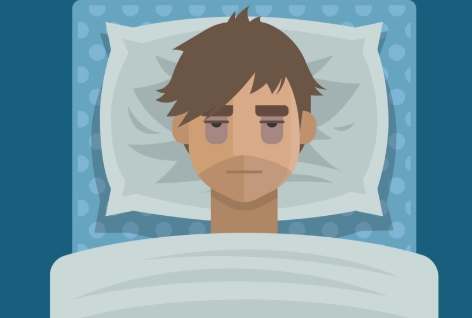
Puffy eyes, dark circles, pale skin. Poor sleep increases cortisol (the stress hormone), which breaks down skin collagen and impairs repair. It also affects fluid balance. Your face is a billboard for your previous night's sleep quality.
7. Your Partner Complains (or You Snore Loudly)
Loud, chronic snoring, especially with gasps or pauses in breathing, is a primary symptom of sleep apnea. This condition causes repeated nighttime awakenings (you often won't remember) and devastates sleep quality. Choking sounds or witnessed breathing pauses are a medical red flag.
| Sign | What It Feels Like | What It Might Mean |
|---|---|---|
| Daytime Fatigue | Needing coffee to feel human, 3 PM crash | Insufficient deep/REM sleep, sleep fragmentation |
| Frequent Wake-Ups | Checking the clock at 2 AM, 4 AM | Stress, poor sleep environment, sleep apnea, pain |
| Mood Swings | Irritable, anxious, easily overwhelmed | Amydala hyperactivity from sleep deprivation |
| Morning Grogginess | Needing >30 mins to feel alert, heavy head | Awoken from deep sleep, misaligned circadian rhythm |
Beyond the Obvious: The Hidden Culprits of Poor Sleep
Sometimes the signs are clear, but the cause isn't your bedtime scroll. Here are less-discussed saboteurs.
Sleep Continuity is King (and Everyone Ignores It). We fixate on falling asleep. But the single biggest predictor of how rested you feel is how many times you wake up after that. One study in the journal Sleep found that even very brief awakenings (micro-arousals) you don't remember can significantly impact daytime function. The culprit? Often it's noise or temperature shifts your conscious mind sleeps through, but your nervous system doesn't.
The "Weekend Lie-In" Fallacy. You sleep poorly all week, then crash for 10 hours on Saturday. You feel better, so you assume you're fine. This is a trap. That massive sleep debt and the social jetlag from shifting your schedule confuse your internal clock, making Sunday night sleep worse and perpetuating the cycle. Consistency is more important than a weekly crash.
Quiet Breathing Problems. Not everyone with sleep-disordered breathing snores like a chainsaw. Upper Airway Resistance Syndrome (UARS) can cause fragmented sleep and daytime fatigue with only very light snoring or even just increased breathing effort. Waking with a dry mouth or a headache can be clues.
How to Move from Diagnosis to Solution: A Practical Framework
Spotting the signs is step one. Now, what? Don't try to fix everything at once. Be a detective.
Week 1: Become an Observer. Keep a simple sleep log. Not just "bed at 11, up at 7." Note: how you felt at bedtime (wired/tired), estimated time to fall asleep, number of wake-ups, how you felt upon waking (1-10 scale), and your daytime energy (1-10). Also log caffeine/alcohol times and stress levels. Patterns will emerge.
Week 2: Attack the Low-Hanging Fruit. Based on your log, pick ONE thing.
If you're waking up a lot: Is your room cool and dark enough? Get blackout curtains and set the thermostat to 65-68°F (18-20°C). Try a white noise machine to mask disruptive sounds.
If you can't shut your brain off: Implement a 60-minute "wind-down" buffer with no screens. Read a (physical) book, listen to calm music, do light stretches.
Week 3 & 4: Assess and Escalate. Did the simple fix help? If yes, add another (like consistent wake time). If no, and signs like crushing daytime fatigue, loud snoring, or unrefreshing sleep persist, it's time to talk to a doctor. Ask for a referral to a sleep specialist. They can rule out conditions like sleep apnea or restless legs syndrome that DIY fixes can't touch.
The goal isn't perfect sleep every night. That's unrealistic. The goal is recognizing when your sleep quality is off and having a clear, non-panicked path to investigate and improve it.
Your Top Sleep Quality Questions, Answered
Listen to what your days are telling you. That persistent fatigue, fog, and irritability aren't your new normal—they're symptoms. By learning to spot the true signs of poor sleep quality, you stop blaming your willpower or your busy life and start addressing the root cause. Your best days start the night before.
Reader Comments