What You'll Learn in This Guide
If you've been waking up to complaints about your snoring or feeling exhausted despite a full night's sleep, you're not alone. Bad snoring isn't just an annoyance—it's often a sign that something's off with your breathing during sleep. I've spent years talking to sleep specialists and helping friends tackle this, and the first thing I tell them: don't ignore it. Let's cut straight to the chase. Severe snoring usually stems from a combination of anatomical factors, lifestyle habits, and sometimes hidden medical conditions. By understanding the root causes, you can take targeted action to quiet things down.
Think about it. Last week, a buddy of mine said his snoring got so loud it was shaking the walls. He blamed it on allergies, but after digging deeper, we found his new medication was relaxing his throat muscles too much. That's the thing—snoring clues are often subtle.
What Exactly Causes Bad Snoring?
Snoring happens when airflow through your mouth and nose is obstructed during sleep, causing tissues to vibrate. But when it's bad—think loud, persistent, or disruptive—the reasons get more specific. Here’s a breakdown based on what I've seen work in real cases.
Anatomical Factors You Can't Ignore
Your body's structure plays a huge role. Some people are just built in a way that promotes snoring.
- A narrow throat or enlarged tonsils: This is common in adults who had tonsillitis as kids. Even if the tonsils look normal now, scar tissue can narrow the airway.
- Deviated septum: That crooked wall inside your nose? It can block airflow, forcing you to breathe through your mouth. I once met a guy who snored badly for years until an ENT spotted his septum was way off-center.
- Long uvula or soft palate: These soft tissues at the back of your throat can sag and vibrate. It's like having a loose flap in a wind tunnel.
These aren't things you can change overnight, but knowing them helps target solutions.
Lifestyle Choices That Amplify the Snore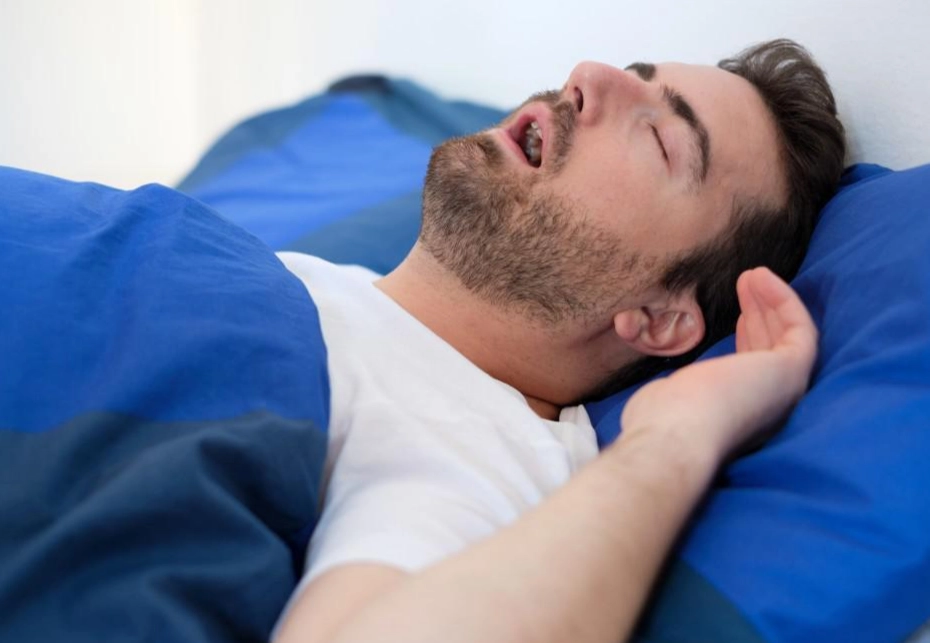
Your daily habits might be making things worse. Here’s where small tweaks can bring big relief.
I've noticed that people who snack late at night often snore more—maybe due to acid reflux irritating the throat. It's a connection many miss.
Underlying Medical Conditions to Rule Out
Sometimes, snoring is a symptom of something bigger. Don't skip this part.
- Sleep apnea: This is the big one. It's not just snoring; it's pauses in breathing that strain your heart. The American Academy of Sleep Medicine notes that loud, frequent snoring is a key indicator.
- Allergies or sinus issues: Chronic congestion forces mouth breathing, which ups snoring risk. If you're always stuffy, this could be your culprit.
- Hypothyroidism: An underactive thyroid can lead to muscle weakness, including in the throat. It's rare but worth checking if other causes don't fit.
A client once thought her snoring was due to stress, but it turned out to be mild sleep apnea. Getting it diagnosed changed her energy levels completely.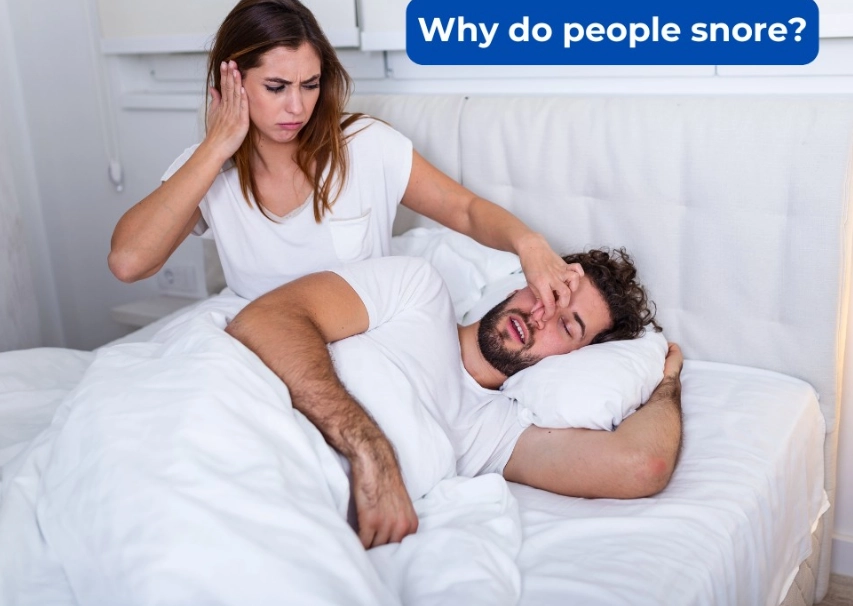
How to Diagnose Your Snoring Problem
Before you try fixes, figure out what you're dealing with. Start with a simple self-assessment.
Ask your partner or use a recorder: Have someone listen for patterns—does it happen every night? Is it worse after drinking? Apps like SnoreLab can help track it.
Check for daytime symptoms: Fatigue, morning headaches, or dry mouth? These suggest sleep apnea.
Consider a sleep study: If self-help fails, a home test or clinic-based polysomnography can pinpoint issues. I recommend this if snoring is paired with gasping or choking sounds.

Practical Solutions to Reduce Snoring
Now for the actionable stuff. Here’s a mix of immediate fixes and long-term strategies.
Immediate Fixes You Can Try Tonight
These are low-effort, high-impact changes.
- Sleep on your side: Use a body pillow or tennis ball trick (sew one into the back of your pajamas) to stay off your back.
- Elevate your head: Prop up your bed with bricks or use an extra pillow to reduce tongue collapse.
- Stay hydrated: Dry tissues vibrate more. Drink water throughout the day, but cut back an hour before bed to avoid bathroom trips.
- Nasal strips or saline spray: Open up those nasal passages. I've found generic strips work just as well as brand-name ones.
Try one at a time to see what works. My friend reduced his snoring by 30% just by adding a humidifier in his bedroom.
Long-Term Strategies for Quieter Sleep
For lasting results, consider these approaches.
| Strategy | How It Helps | My Take |
|---|---|---|
| Weight management | Reduces fat around the neck that narrows the airway | Effective, but don't rely solely on it—I've seen slim snorers too |
| Mouth exercises | Strengthens throat muscles to prevent collapse | Underrated; studies in the journal Chest show it can reduce snoring by 50% |
| Allergen control | Reduces nasal congestion from dust or pollen | Use hypoallergenic bedding and air purifiers—a game-changer for many |
| CPAP machine | Provides constant air pressure to keep airway open | Gold standard for sleep apnea, but takes getting used to |
Mouth exercises are my favorite non-invasive fix. Things like singing or playing a wind instrument can help—yes, seriously. One patient of a sleep clinic I visited said playing the didgeridoo cured his snoring. It sounds quirky, but it works by toning the throat.
When to See a Doctor About Your Snoring
Don't play doctor forever. Seek professional help if:
- Your snoring is loud and frequent, disrupting your partner's sleep consistently.
- You experience daytime sleepiness, gasping, or choking at night.
- Home remedies haven't helped after a few weeks.
- You have high blood pressure or heart issues—snoring can exacerbate these.
Start with your primary care doctor, who might refer you to an ENT or sleep specialist. I've seen too many people brush this off until their health suffers. A quick check can rule out serious conditions.
Your Top Snoring Questions Answered
 Snoring doesn't have to control your sleep. Start with one change tonight—maybe prop up your head or skip that nightcap—and see how it goes. Remember, bad snoring is often a puzzle with multiple pieces; be patient as you fit them together. If in doubt, get a professional opinion. Your sleep quality is worth it.
Reader Comments