You’re exhausted. You’ve tried counting sheep, drinking chamomile tea, and banning screens from the bedroom. Yet, sleep remains elusive. Asking "what is the cause of sleep disorder?" feels like searching for a single culprit in a crowded room. The truth is, it’s rarely one thing. Most sleep problems, from insomnia to waking up feeling unrested, are the result of a tangled web of medical, psychological, and lifestyle factors. I’ve spent years talking to patients and reading research, and the most common mistake people make is blaming just stress or "bad sleep habits" without looking deeper. Let’s untangle that web.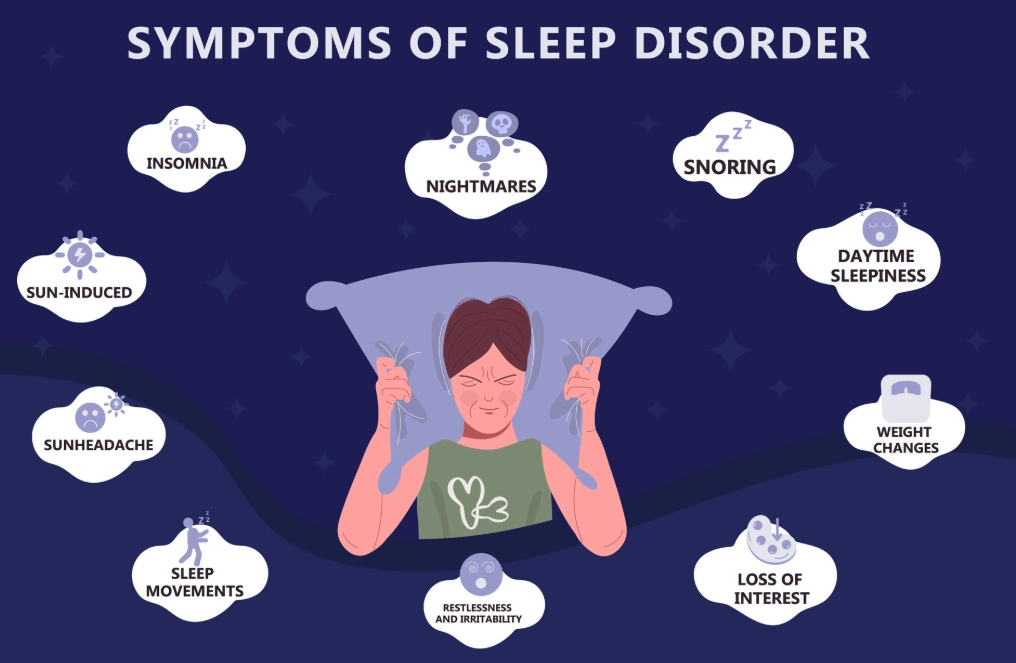
What’s Inside This Guide
The Medical & Biological Culprits: It’s Not All in Your Head
First, let’s get this straight: many sleep disorders have a clear physical or neurological basis. Dismissing them as "just anxiety" can delay crucial treatment.
Sleep Apnea: The Silent Nighttime Choker
This is a big one that’s massively under-diagnosed. Obstructive Sleep Apnea (OSA) isn’t just loud snoring. It’s when your airway collapses repeatedly during sleep, cutting off oxygen. Your brain has to partially wake you up to restart breathing—sometimes hundreds of times a night. You might not remember these micro-awakenings, but your body and brain sure do. The result? Daytime fatigue, morning headaches, and an increased risk for heart problems. If you’re told you gasp or choke in your sleep, or you sleep for 8 hours but feel like you’ve been hit by a truck, get checked.
Restless Legs Syndrome (RLS) and PLMD
That irresistible urge to move your legs when you’re trying to relax isn’t just "fidgeting." RLS creates a creepy-crawly, aching sensation that only movement relieves. Its nighttime cousin, Periodic Limb Movement Disorder (PLMD), involves involuntary jerking of the legs during sleep, which fragments your sleep architecture. Iron deficiency is a surprisingly common root cause here, something a simple blood test can reveal.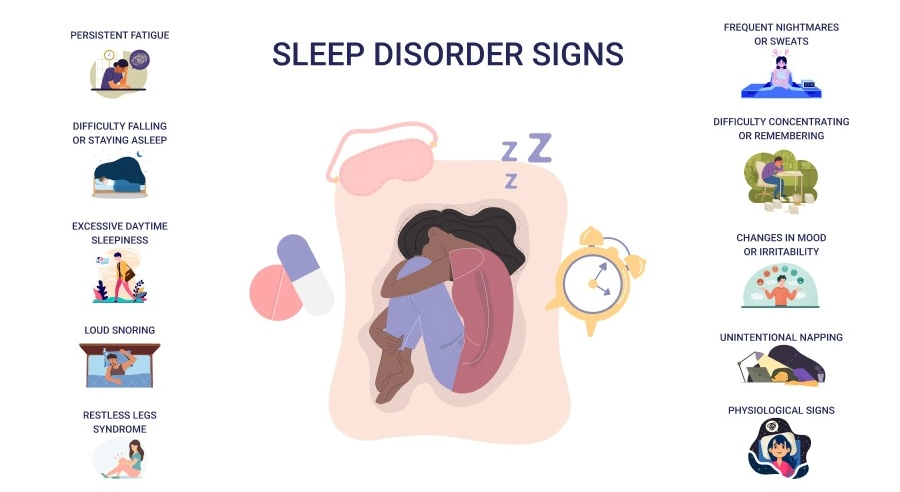
Chronic Pain and Hormonal Shifts
Arthritis, back pain, fibromyalgia—pain is a direct line to wakefulness. But there’s a sneaky feedback loop: poor sleep lowers your pain threshold, making the pain feel worse, which further ruins sleep. Similarly, hormonal fluctuations during menopause (night sweats, anyone?), pregnancy, or thyroid disorders can directly disrupt the body’s thermoregulation and sleep-wake cycle.
Key Takeaway: Before you overhaul your lifestyle, rule out medical causes. A visit to a primary care doctor or a sleep specialist can identify or eliminate these physical roadblocks. The American Academy of Sleep Medicine is a great resource to understand these conditions better.
When Your Mind Won’t Shut Off: Psychological and Neurological Causes
This is where most people’s minds go first when thinking about sleep problems. And for good reason.
Anxiety and the Racing Mind
Generalized anxiety, work stress, financial worries—they all activate your sympathetic nervous system (the "fight-or-flight" response). Your body pumps out cortisol and adrenaline, hormones meant for escaping danger, not for drifting into peaceful slumber. The brain gets stuck in a loop of "what ifs." A subtle point often missed: it’s not just *having* anxiety, but how you *process* it during the day. Bottling it up guarantees it will spill out at night.
Depression’s Twisted Sleep Pattern
Depression and sleep have a complex, chicken-and-egg relationship. While some with depression sleep excessively (hypersomnia), a classic sign is early morning awakening—waking up at 3 or 4 AM with a sinking feeling and being unable to fall back asleep. The brain’s neurotransmitter balance, particularly involving serotonin and norepinephrine, is intimately tied to sleep regulation.
PTSD and Hypervigilance
For those with Post-Traumatic Stress Disorder, the brain’s threat-detection system is stuck on high alert. The bedroom, a place of vulnerability, can become a trigger itself. Nightmares and night terrors are common, making the person afraid to sleep. This goes far beyond "stress" and requires specialized trauma-informed care.
I had a client, let’s call her Sarah, who was convinced her insomnia was due to poor "sleep hygiene." She had the perfect routine. Turns out, she was experiencing low-grade, persistent anxiety she had normalized. Treating the underlying anxiety through therapy did more for her sleep than any bedtime ritual ever could.
How Your Daily Choices Sabotage Sleep: The Lifestyle Factors
This is the category you have the most direct control over. But it’s also filled with modern traps.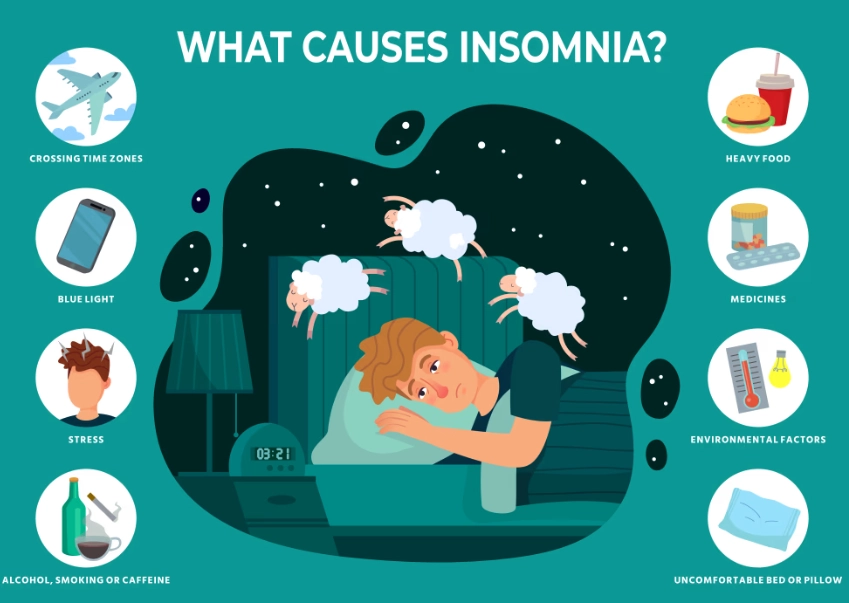
The Blue Light and Schedule Chaos Problem
Yes, you’ve heard about blue light from phones. The deeper issue is circadian rhythm disruption. Your brain relies on light cues to produce melatonin, the sleep hormone. Scrolling Instagram at midnight tells your brain it’s noon. But an even bigger disruptor is inconsistent sleep and wake times. Sleeping in until noon on weekends throws your internal clock (circadian rhythm) completely out of whack, creating a kind of permanent jet lag often called "social jetlag." According to research highlighted by the National Institutes of Health, stable timing is as important as duration.
Caffeine, Alcohol, and Late-Night Eating
Caffeine has a half-life of 5-6 hours. That 3 PM coffee? Half of it is still in your system at 9 PM. Alcohol is a sedative, but as your body metabolizes it, it causes fragmented, low-quality sleep in the second half of the night. A heavy meal right before bed forces your digestive system to work overtime, which can cause discomfort and acid reflux when you lie down.
The Sedentary Life and Environmental Noise
Not getting enough physical activity can mean your body simply isn’t tired enough. Conversely, exercising too close to bedtime can be over-stimulating for some. And don’t underestimate your environment: a room that’s too warm, a lumpy mattress, or street noise (even if you think you’re used to it) can prevent you from reaching deep, restorative sleep stages. The CDC lists poor sleep environments as a key contributor to sleep difficulties.
Finding Your Specific Cause: A Practical Map
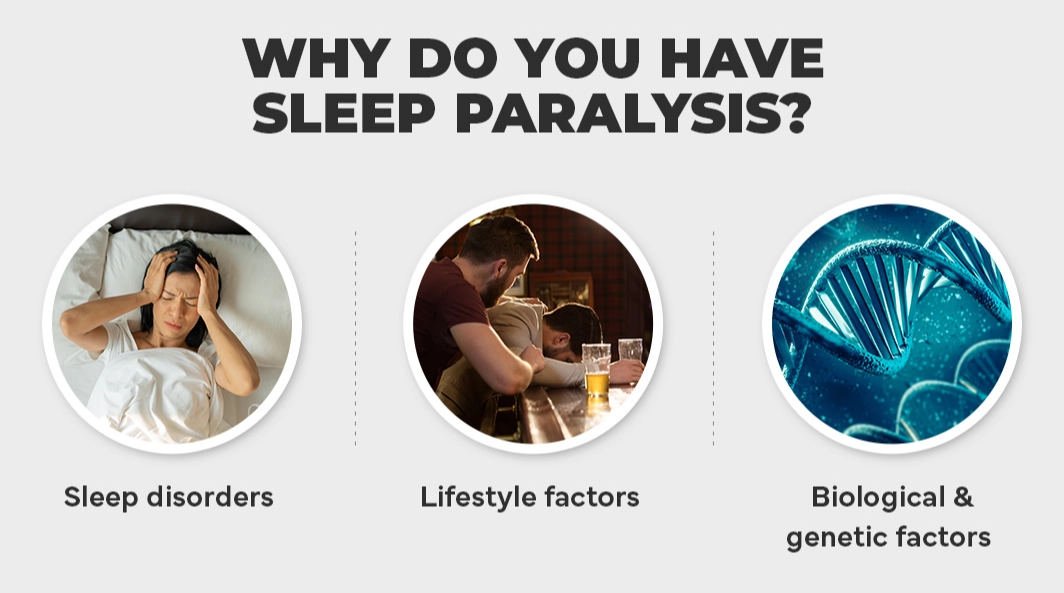
Feeling overwhelmed? Let’s organize this. Think of diagnosing your sleep problem like being a detective. You need to look at all the suspects. The table below can help you start connecting your symptoms to potential causes.
| Your Main Symptom | Possible Primary Cause Category | Questions to Ask Yourself / Next Steps |
|---|---|---|
| Can’t fall asleep (Sleep Onset Insomnia) | Psychological (Anxiety), Lifestyle (Caffeine, Routine) | Is my mind racing? Did I have caffeine after 2 PM? Is my bedtime routine stimulating? |
| Waking up too early and can’t get back (Early Morning Awakening) | Psychological (Depression), Circadian Rhythm | Do I feel hopeless or sad upon waking? Is my wake time extremely consistent (even too early)? |
| Waking up often throughout the night | Medical (Sleep Apnea, Pain, RLS/PLMD), Lifestyle (Alcohol, Environment) | Do I snore/gasp? Do I have pain? Do my legs feel restless? Did I drink alcohol? |
| Sleeping 8+ hours but still feeling exhausted | Medical (Sleep Apnea, PLMD), Sleep Quality Issue | This is a major red flag for sleep apnea or other sleep fragmentation. Consider a sleep study. |
| Falling asleep randomly during the day | Medical (Narcolepsy, Sleep Apnea), Severe Sleep Deprivation | This requires immediate medical evaluation. It’s not just "being tired." |
My advice? Start a simple sleep diary for two weeks. Log bedtime, wake time, estimated sleep time, caffeine/alcohol intake, stress level, and how you felt in the morning. Patterns will emerge that are more valuable than any online quiz.
Your Sleep Questions, Answered
Why do I sleep fine on vacation but have insomnia at home?
Can a bad mattress really be the main cause of my sleep disorder?
I’ve identified my cause as stress. Why do relaxation techniques before bed sometimes make me more anxious?
Why do I feel more tired on Monday after "catching up" on sleep over the weekend?
The journey to understanding the cause of your sleep disorder is personal. It requires looking honestly at your health, your habits, and your mind. There’s no magic bullet, but there is a path forward. Start with one change—maybe locking down your wake time or talking to your doctor about that snoring. Untangling the web starts with a single thread.
Reader Comments