You're tired. Maybe you spent last night staring at the ceiling, or your partner nudged you for snoring again, or your legs just wouldn't stay still. You search "sleep problems" and get a flood of vague advice. Let's cut through the noise. Major sleep disorders are specific, diagnosable medical conditions that wreck your rest, not just a few bad nights. Understanding them is the first step to fixing them.
This guide breaks down the primary sleep disorders you need to know about. We'll move beyond simple definitions into the real-world symptoms, the often-missed red flags, and what you can actually do about them. I've spent years researching this topic and talking to people who've been through the diagnostic wringer—the confusion, the misdiagnoses, the relief of finally getting it right.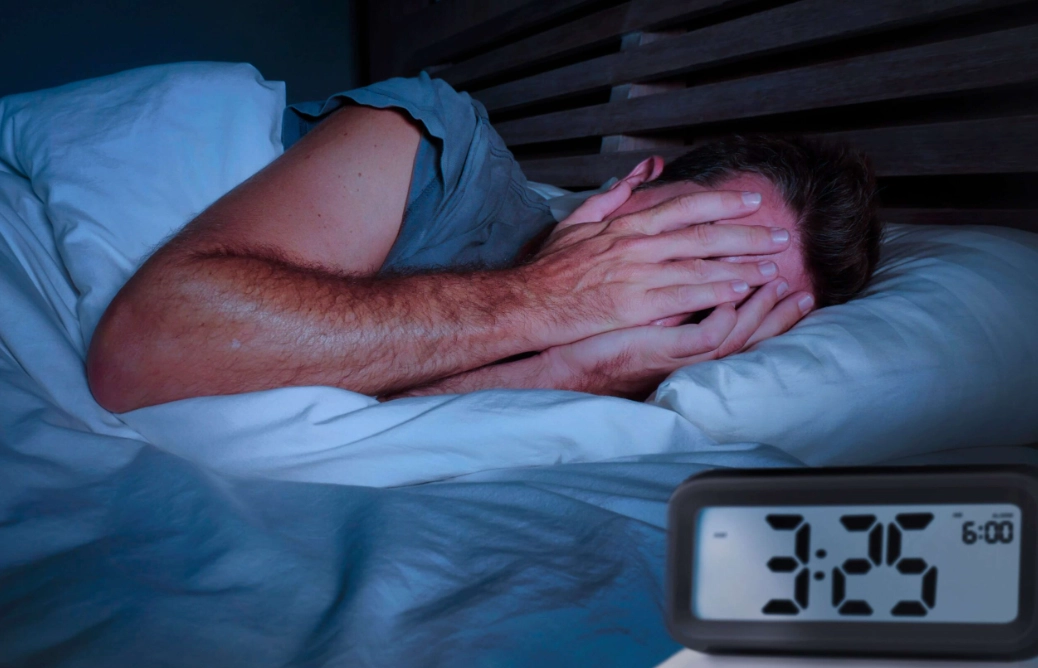
What You'll Learn in This Guide
Insomnia: More Than Just Trouble Sleeping
Everyone calls a bad night "insomnia," but clinical insomnia is a different beast. It's persistent difficulty falling asleep, staying asleep, or waking up too early—happening at least three nights a week for three months, and it significantly impairs your daytime function.
The kicker? It often becomes a self-fulfilling prophecy. You have a few rough nights, then you start dreading bedtime. You watch the clock, your anxiety spikes, and your brain associates the bed with stress instead of sleep. This is called psychophysiological insomnia, and it's incredibly common.
What most articles don't tell you: The first-line, gold-standard treatment isn't medication. It's Cognitive Behavioral Therapy for Insomnia (CBT-I). Studies consistently show it's more effective and longer-lasting than sleep pills. Yet, most doctors still reach for the prescription pad first because CBT-I requires more time and specialized therapists. If you're offered only pills, ask about CBT-I. Organizations like the American Academy of Sleep Medicine have directories to find providers.
Sleep Apnea: The Silent Nighttime Struggle
This one's dangerous because you might not even know you have it. Sleep apnea involves repeated pauses in breathing during sleep. The most common type is Obstructive Sleep Apnea (OSA), where your throat muscles relax and block your airway.
Signs You Might Have Sleep Apnea
Loud, chronic snoring is the classic sign, but not everyone who snores has it. The more telling symptoms are ones you might not notice yourself:
- Gasping or choking sounds reported by a partner.
- Excessive daytime sleepiness—falling asleep in meetings, while driving, or watching TV.
- Waking up with a dry mouth or sore throat.
- Morning headaches.
- Difficulty concentrating, irritability.
I had a friend who was diagnosed in his 40s. He thought his constant fatigue and high blood pressure were just from work stress. A sleep study changed everything. Untreated sleep apnea isn't just about tiredness; it strains your heart, increases stroke risk, and is linked to type 2 diabetes.
Diagnosis and Treatment Path
Diagnosis requires a sleep study, either in a lab or at home with a portable monitor. The main metric is the AHI (Apnea-Hypopnea Index)—the number of breathing events per hour.
| AHI Score | Severity Level | Typical Action |
|---|---|---|
| 5-15 | Mild | Lifestyle changes, positional therapy, possibly oral appliance. |
| 15-30 | Moderate | CPAP therapy strongly recommended, oral appliance an option. |
| 30+ | Severe | CPAP therapy is the primary, most effective treatment. |
CPAP (Continuous Positive Airway Pressure) is the most effective treatment for moderate to severe OSA. Yes, the mask takes getting used to, but modern machines are much quieter and masks more comfortable than a decade ago. The improvement in energy and health is usually dramatic.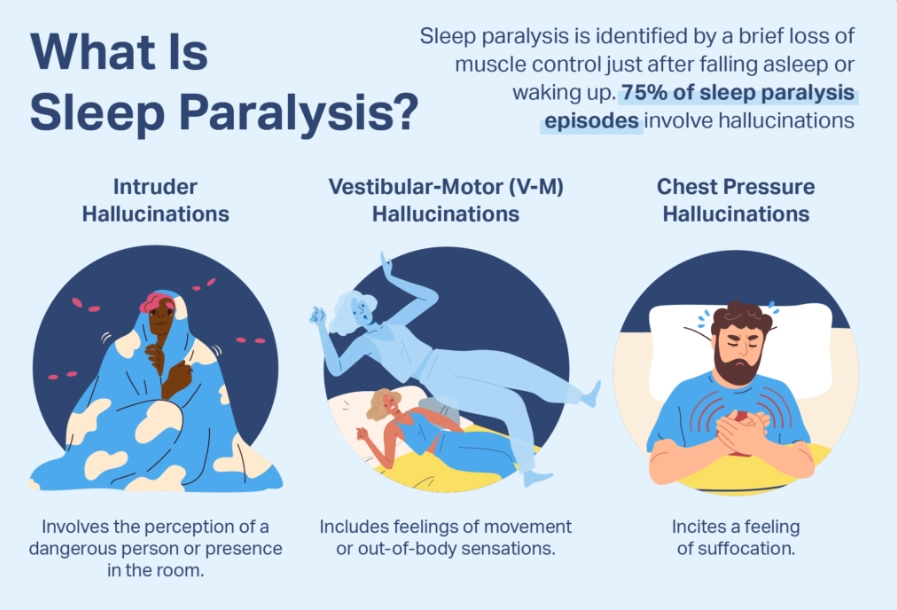
Restless Legs Syndrome (RLS)
RLS is a neurological sensorimotor disorder. It's not just "fidgeting." People describe an overwhelming, irresistible urge to move the legs, usually accompanied by uncomfortable sensations like crawling, creeping, pulling, or throbbing deep in the limbs. The cruel twist? It's worse during periods of rest and in the evening/night, directly interfering with sleep onset.
A huge, often overlooked trigger is iron deficiency, even if you're not anemic. Ferritin levels (your iron stores) below 75 µg/L can exacerbate RLS. If you have RLS symptoms, ask your doctor for a full iron panel, not just a standard blood count. Increasing iron intake through diet or supplements, under medical guidance, can provide significant relief for many.
Narcolepsy and Hypersomnia
These are disorders of excessive daytime sleepiness (EDS). Narcolepsy Type 1 involves a classic triad: sudden sleep attacks, cataplexy (sudden loss of muscle tone triggered by strong emotions like laughter), and often vivid dream-like hallucinations when falling asleep or waking up. Narcolepsy Type 2 lacks cataplexy.
Idiopathic Hypersomnia is similar but without the other features of narcolepsy. People with IH sleep long hours at night and still struggle to stay awake during the day, and naps are often long and unrefreshing.
The diagnostic process here is specific: a overnight sleep study followed by a Multiple Sleep Latency Test (MSLT) the next day, where you're given nap opportunities to see how quickly you fall asleep and if you enter REM sleep rapidly.
Circadian Rhythm Disorders
Your body has a master clock. When it's out of sync with the 24-hour day, you have a circadian rhythm disorder. It's not that you can't sleep; you can't sleep at the socially required time.
- Delayed Sleep-Wake Phase Disorder: You're a true night owl. Your natural sleep time might be 3 AM to 11 AM. Forcing a 10 PM bedtime is like asking someone else to fall asleep at 7 PM.
- Advanced Sleep-Wake Phase Disorder: The opposite. You crash early (7-8 PM) and wake up extremely early (3-4 AM).
- Shift Work Disorder: Common among nurses, factory workers, etc. Working irregular hours constantly fights your internal clock.
Treatment involves strict light therapy (using bright light boxes at specific times) and sometimes melatonin, timed precisely to shift your clock. Consistency is everything—one late night on the weekend can undo a week of progress for someone with Delayed Phase Disorder.
Parasomnias: Unusual Behaviors During Sleep
These are unwanted events that happen while falling asleep, during sleep, or during arousals from sleep. They're more common in children but persist in some adults.
- Sleepwalking (Somnambulism) & Sleep Terrors: Occur during deep non-REM sleep. The person is hard to wake, has no memory of the event, and may be confused if awakened.
- REM Sleep Behavior Disorder (RBD): This is critical. People physically act out their dreams—punching, kicking, yelling. It's not just vivid dreaming. RBD is strongly linked to the future development of neurodegenerative diseases like Parkinson's. If you or your partner exhibits this, a neurological evaluation is essential.
- Nightmares: Disturbing, vivid dreams remembered upon waking, causing distress.
Safety is the first priority for parasomnias like sleepwalking and RBD—securing the bedroom, removing sharp objects, sometimes using bed alarms.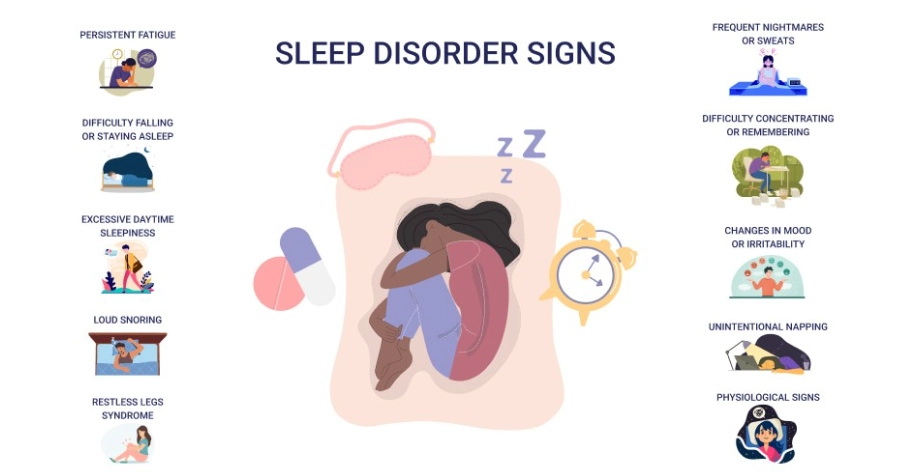
Your Sleep Disorder Questions Answered
I snore loudly and feel tired all day. Could it be sleep apnea?
My doctor prescribed sleeping pills for my insomnia, but I'm worried about dependency. Are there other options?
I have a strong urge to move my legs every night when I get into bed. It's driving me crazy. Is this RLS?
My teen can't fall asleep before 2 AM and is a zombie for school. Is this just being a teenager?
My partner shouts and thrashes in their sleep, sometimes hitting me. They say they're just having a bad dream. Should I be worried?
Reader Comments