You know the feeling. It's late, you're exhausted, but the moment your head hits the pillow, your brain decides it's time to replay every awkward conversation you've ever had, worry about tomorrow's to-do list, and question the meaning of life. You stare at the ceiling, frustration building, watching precious sleep minutes tick by. I've been there more times than I care to admit. The promise of a good night's sleep feels just out of reach, all because you can't seem to switch off. But what if the problem isn't your ability to sleep, but your inability to relax before bed?
Quick Navigation
- Why Relaxing Before Bed Isn't Just a Luxury, It's a Science
- Practical Techniques to Relax Before Bed: From Quick Fixes to Deep Rituals
- Crafting Your Personalized Bedtime Ritual
- What to Absolutely Avoid Before Trying to Relax
- The Bedroom Environment: Your Sleep Sanctuary
- FAQs: Your Questions About Relaxing Before Bed, Answered
That's the thing most articles get wrong. They jump straight to "sleep tips" without addressing the crucial bridge between wakefulness and sleep: true relaxation. Learning how to genuinely relax before bed isn't just a nice idea; it's the foundational skill for reclaiming your nights. It's not about forcing sleep, but about gently inviting it in by calming your nervous system first.
This guide is different. We're going to move beyond generic advice and dive into the practical, sometimes surprising, science-backed methods that actually work. We'll explore why your current routine might be backfiring, build a personalized toolkit of relaxation techniques, and create an environment that practically begs you to unwind. Forget counting sheep. Let's build a ritual that works.
Why Relaxing Before Bed Isn't Just a Luxury, It's a Science
Your body doesn't have a simple "sleep" button. Sleep is a process, a gradual descent from alertness into slumber. This transition is governed by your autonomic nervous system, which has two main gears: the sympathetic (fight-or-flight) and the parasympathetic (rest-and-digest). When you're stressed, anxious, or mentally buzzing from a busy day, you're stuck in sympathetic drive. Your heart rate is up, your mind is racing, and cortisol (the stress hormone) is coursing through you. Trying to sleep in this state is like trying to park a car going 70 miles per hour.
Research from places like the National Sleep Foundation consistently shows that a consistent wind-down period significantly improves sleep onset latency (how long it takes to fall asleep) and sleep quality. It's not woo-woo; it's neurobiology. When you create a buffer zone between your day and your bed, you're giving your brain and body the clear signal that it's safe to stand down, that the work is done, and that restoration can begin.
I used to think I could power through until bedtime, answering emails until 10:55 PM and expecting to be asleep by 11:00. The result was predictable: lying there with my heart pounding, mentally drafting replies. It was a terrible strategy. The shift happened when I started viewing the hour before bed as sacred preparation time, not wasted time.
Practical Techniques to Relax Before Bed: From Quick Fixes to Deep Rituals
So, how do you actually do it? The "how" is where people get lost. One person's relaxation is another person's boredom. The key is to experiment and find what resonates with your personal wiring. Below is a breakdown of categories, from things you can do in 5 minutes to deeper practices that form the core of a ritual.
Mindfulness and Meditation Techniques (When Your Mind Won't Quit)
If your main battle is with a racing mind, cognitive techniques are your first line of defense. The goal here isn't to empty your mind (an impossible task), but to change your relationship with your thoughts.
- The "Brain Dump" Journal: Keep a notebook by your bed. 20-30 minutes before you want to sleep, write down everything swirling in your head. To-do lists, worries, ideas, random thoughts. Don't edit, don't judge, just download. The physical act of writing signals to your brain, "It's noted, we can let it go now." I find a cheap notebook works better than a phone app—the blue light from screens is a killer for relaxation.
- Body Scan Meditation: This is my personal go-to. Lie in bed and bring your attention slowly to each part of your body, starting from your toes. Don't try to change anything, just notice. Feel the weight of your heels on the mattress, the texture of the sheets on your calves, the slight tension in your shoulders. The Mayo Clinic notes that mindfulness practices like this can reduce the rumination that keeps people awake. It pulls you out of your head and into physical sensation, which is inherently grounding.
- Guided Imagery: Follow a spoken narrative that paints a calming scene in your mind—walking on a beach, wandering through a quiet forest. It gives your busy mind a pleasant, single-track task to focus on, crowding out the anxiety.
The Power of Progressive Muscle Relaxation (PMR)
For people who carry stress physically—clenched jaws, tight shoulders, that general feeling of being "wound up"—PMR is phenomenally effective. Developed in the 1920s, it's a simple two-step process: deliberately tense a muscle group for 5-7 seconds, then release completely for 20-30 seconds, noticing the wave of relaxation.
You work through muscle groups in order: feet, calves, thighs, glutes, abdomen, hands, arms, shoulders, neck, and face. The contrast between tension and release teaches your body what true relaxation feels like and helps identify pockets of tension you weren't even aware of. It's a direct line to your parasympathetic nervous system.
Why it works so well to relax before bed:
It's active, not passive. You're doing something, which can feel more satisfying than just trying to "be calm." The physical feedback is immediate and tangible.
Breathing Your Way to Sleep
Breath is the remote control for your nervous system. Certain patterns directly stimulate the vagus nerve, the main highway of the parasympathetic system.
- 4-7-8 Breathing: Inhale quietly through your nose for a count of 4. Hold your breath for a count of 7. Exhale completely through your mouth, making a whoosh sound, for a count of 8. Repeat 3-4 cycles. This ratio is key—the long exhale is what triggers relaxation.
- Box Breathing (4x4): Inhale for 4, hold for 4, exhale for 4, hold for 4. Simple, rhythmic, and excellent for quieting a frantic mind.
- Extended Exhale: Simply make your exhale longer than your inhale. Try inhaling for 4 counts and exhaling for 6 or 8. No need to hold your breath.
The beauty of breathwork is its accessibility. You can do it anywhere, anytime you feel the pre-bed anxiety creeping in. It's your in-the-moment tool.
The Gentle Movement Option
Intense exercise too close to bedtime can be stimulating, but gentle, mindful movement can be perfect for releasing physical tension. Think of it as helping your body unwind, not working out.
- Restorative Yoga Poses: Legs-Up-The-Wall (Viparita Karani) is legendary for a reason. It's profoundly calming, helps reduce mild swelling in the legs, and encourages a slow, deep breathing pattern. Hold for 5-10 minutes.
- Slow Stretching: Focus on areas that hold tension—neck rolls, gentle forward folds, chest openers. The rule is no pain, no strain. You're melting into the stretch, not pushing.
Here’s a quick comparison to help you choose a technique based on your main sleep challenge: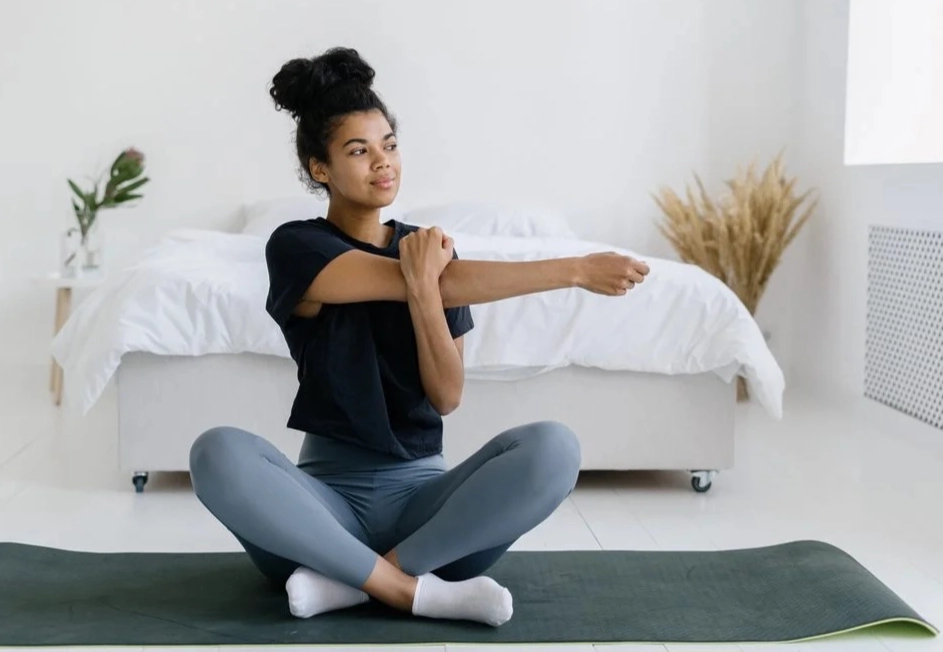
| Your Main Pre-Bed Challenge | Best Technique to Start With | Why It Works | Time Needed |
|---|---|---|---|
| Racing Thoughts / Anxiety | Brain Dump Journal or 4-7-8 Breathing | Gets thoughts out of your head or forces physiological calm. | 5-10 mins |
| Physical Tension / Aches | Progressive Muscle Relaxation (PMR) | Directly releases muscular tension, teaches body relaxation. | 10-15 mins |
| Can't "Switch Off" from the Day | Body Scan Meditation or Guided Imagery | Anchors attention in the present/body, away from daytime concerns. | |
| General Restlessness / Fidgeting | Gentle Stretching or Restorative Yoga | Uses mild movement to satisfy restlessness and release energy. | 10 mins |
Crafting Your Personalized Bedtime Ritual
Techniques are tools, but a ritual is the structure that holds them. Your goal is to create a predictable, pleasant sequence of events that your brain learns to associate with sleep. Consistency is more important than perfection. Even 20-30 minutes can make a world of difference.
Think of it in phases:
Phase 1: The Shutdown Signal (60-30 mins before bed)
This is when you officially end "daytime" activities. Finish work. Put away the laptop. Have that last sip of water (but not too much!). Dim the overhead lights in your living space. Start playing some calming, instrumental music if you like. The environmental cues are crucial.
Phase 2: The Wind-Down Core (30-10 mins before bed)
This is where you deploy your chosen relaxation techniques. Maybe it's 10 minutes of journaling followed by 5 minutes of box breathing. Or a short PMR session. This is your active relaxation window. Do this outside the bedroom if possible, like in a living room chair, to strengthen the association that bed is for sleep.
Phase 3: The Final Approach (10-0 mins before bed)
Head to the bedroom. Keep lighting very low (use warm-toned, dim bedside lamps). Perform any final gentle hygiene (brush teeth, wash face). Get into bed and perhaps do a final, brief practice like a 2-minute body scan or simple deep breathing under the covers.
What to Absolutely Avoid Before Trying to Relax
It's just as important to know what not to do. You can do a perfect 20-minute meditation, but if you sabotage it right after, you're back to square one.
- Blue Light & Screens: The light from phones, tablets, and TVs suppresses melatonin production, the hormone that makes you sleepy. Research from Harvard Medical School is clear on this. If you must use a device, enable night mode/blue light filters hours before bed, but better yet, charge it outside the bedroom.
- Stressful Input: Checking work emails, having heavy conversations, watching intense/news-driven or violent TV, scrolling through stressful social media. This is jet fuel for your sympathetic nervous system. Your wind-down time should be a no-drama zone.
- Stimulants & Heavy Meals: Caffeine can linger in your system for 6-8 hours. That 4 PM coffee might still be at work at midnight. Nicotine is also a stimulant. A large, rich meal right before bed forces your digestive system to work hard, which can disrupt sleep.
Alcohol is a tricky one. It might make you feel drowsy initially, but it severely fragments sleep architecture later in the night, leading to non-restorative sleep. It's not a reliable relaxation aid.
The Bedroom Environment: Your Sleep Sanctuary
Your environment should support your mission to relax before bed, not fight against it. You're creating a cave.
- Darkness: Pitch black is ideal. Invest in blackout curtains or a good sleep mask. Even small amounts of light from chargers or streetlights can interfere with sleep quality.
- Cool Temperature: The science is unanimous: a cooler room (around 65°F or 18°C) is optimal for sleep. Your core body temperature needs to drop to initiate sleep. A hot room prevents this.
- Quiet: Use earplugs, a white noise machine, or a fan to mask disruptive sounds. Consistency of sound is more important than complete silence.
- Comfort: This seems obvious, but don't underestimate it. A supportive mattress, comfortable pillows, and breathable, soft bedding are worth the investment. You spend a third of your life in bed.
Make your bedroom a tech-free zone, or at least, a no-visible-tech zone. The sight of a work laptop or a buzzing phone is a potent cue for wakefulness.
FAQs: Your Questions About Relaxing Before Bed, Answered

Learning to relax before bed is a skill, and like any skill, it gets easier and more effective with practice. It's an investment in your health that pays dividends in better mood, sharper thinking, and more energy every single day. Start small, be kind to yourself on the nights it doesn't go perfectly, and keep refining your personal ritual. Your sleep—and your waking life—will thank you for it.
Reader Comments