In This Guide
- What Are We Even Talking About? Defining Sleep Problems
- Why Can't I Sleep? The Usual Suspects (And Some Surprising Ones)
- The Foundational Toolkit: Non-Negotiable Sleep Hygiene
- Leveling Up: Advanced Sleeping Problems Solutions
- When to Seek Professional Help: Beyond DIY Sleeping Problems Solutions
- Common Questions (The Stuff You're Actually Searching For)
- Putting It All Together: Your Personal Sleep Action Plan
Let's be honest for a second. Tossing and turning at 3 AM, staring at the ceiling, your brain deciding now is the perfect time to replay that awkward thing you said in 2012—it's the worst. You're not just tired; you're frustrated, maybe a little desperate, and you've probably googled "sleeping problems solutions" more times than you can count. You get advice like "just relax" or "drink chamomile tea," and it feels about as useful as a screen door on a submarine.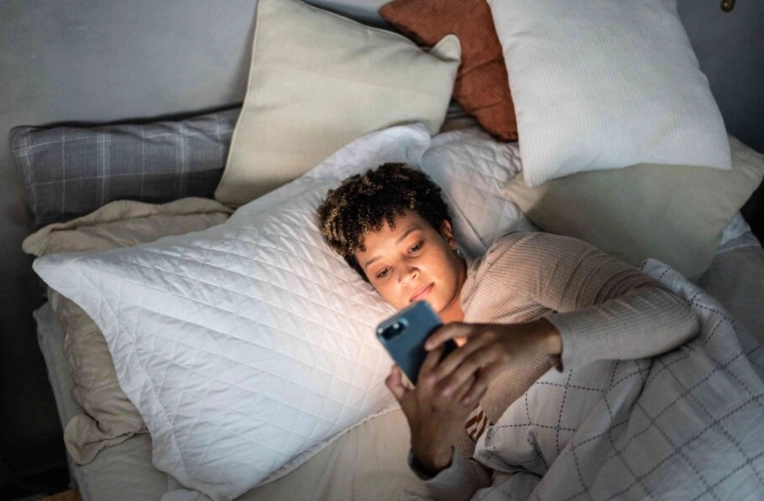
I get it. I've been there too. For a solid few months, my sleep schedule was so messed up, I felt like a zombie walking through my own life. The coffee consumption was heroic, but unsustainable. That's when I decided to stop looking for quick fixes and actually understand what was going on. What I found wasn't one magic bullet, but a whole toolkit. And that's what this is—a no-nonsense, comprehensive guide pulling together all the sleeping problems solutions that actually have science and real-world success behind them. We're going beyond the basics, digging into the why, and building a personalized plan.
What Are We Even Talking About? Defining Sleep Problems
Before we jump into solutions, we need to know what enemy we're facing. "Sleeping problems" is a huge umbrella. It covers the occasional bad night and the chronic, life-disrupting conditions. The National Sleep Foundation is a great resource for breaking these down, but here's the layman's version.
You might have insomnia—trouble falling asleep, staying asleep, or waking up too early. Maybe it's sleep apnea, where your breathing stops and starts, often without you even knowing (though your partner might complain about the snoring). There's restless legs syndrome (that creepy-crawly, gotta-move feeling), circadian rhythm disorders (your internal clock is on Tokyo time while you live in New York), and plain old poor sleep hygiene. The first step in finding effective sleeping problems solutions is pinpointing which category you're leaning towards. Sometimes it's a mix.
Why Can't I Sleep? The Usual Suspects (And Some Surprising Ones)
Our modern world is practically engineered to ruin sleep. We're going to look at the culprits because you can't fix what you don't understand. I've grouped them into a table because, honestly, it helps to see it all laid out.
| Category | Specific Culprits | How It Messes With Sleep |
|---|---|---|
| Lifestyle & Habits | Blue light from screens, irregular sleep schedule, caffeine/alcohol (especially late), nicotine, late heavy meals, lack of daytime activity. | Confuses your circadian rhythm, overstimulates the brain, disrupts sleep architecture, causes indigestion. |
| Mind & Stress | Anxiety, rumination, depression, work stress, chronic worry, PTSD. The "monkey mind." | Keeps your nervous system in "fight or flight" mode, making it biologically impossible to relax into sleep. |
| Environment | Too warm a room, uncomfortable mattress/pillow, noise pollution, light pollution (streetlights, LEDs). | Prevents your body from reaching the cooler temperature needed for sleep, causes micro-awakenings. |
| Underlying Health | Chronic pain (arthritis, back pain), acid reflux, hyperthyroidism, medications (some antidepressants, blood pressure drugs), hormonal changes (menopause). | Physical discomfort or biochemical changes directly interfere with falling and staying asleep. |
| Sleep Disorders | Sleep apnea, restless legs syndrome (RLS), periodic limb movement disorder (PLMD), narcolepsy. | These are medical conditions with specific physiological causes that disrupt the sleep cycle. |
See what I mean? It's rarely just one thing. For me, it was a nasty combo of stress and terrible pre-bed habits (scrolling through work emails in bed—a cardinal sin). The real sleeping problems solutions come from auditing your own life against this list. Be brutally honest. Is your phone the last thing you see at night? Do you drink a "relaxing" glass of wine that actually fragments your sleep later? It's okay. We all do it. The point is to see it.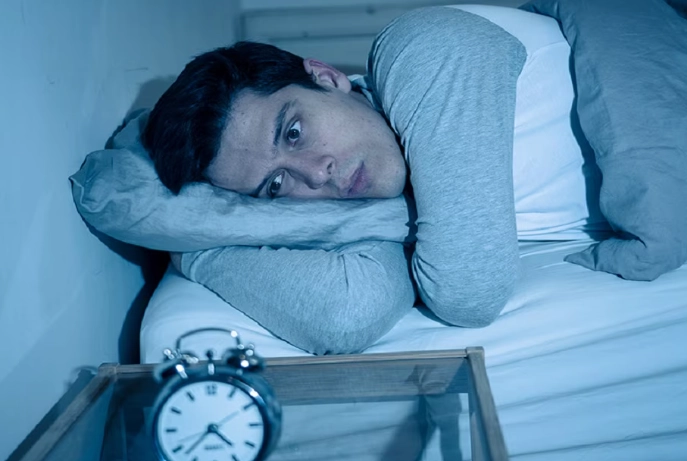
The Foundational Toolkit: Non-Negotiable Sleep Hygiene
This is the boring but essential stuff. You can't build a house on sand, and you can't fix complex sleep issues without getting these fundamentals right. Think of this as the baseline operating system for your sleep. Every expert, from the Mayo Clinic to independent sleep researchers, agrees on these core principles.
Your Sleep Sanctuary: Environment is Everything
Your bedroom should have one primary function. I'll let you guess what it is. It's not a home office, a entertainment center, or a dining room. It's for sleep (and intimacy). That's it.
- Darkness: Pitch black. I mean it. Get blackout curtains. Cover every little LED light from chargers, TVs, or smoke detectors with electrical tape. Even small amounts of light can suppress melatonin. An eye mask is a good temporary fix, but fixing the room is better.
- Coolness: The magic number is around 65°F (18.3°C). Your core body temperature needs to drop to initiate sleep. A hot room prevents that. A fan or cooling mattress pad can be game-changers.
- Quiet: White noise or brown noise machines are brilliant. They drown out inconsistent sounds like traffic, snoring partners, or creaky houses. I use a simple phone app, and it made a huge difference for my light sleep.
- Comfort: Don't underestimate your mattress and pillow. If they're over 7-8 years old, they're probably done. You don't need a $5000 bed, but one that supports your spine is key.
The Wind-Down Ritual: Telling Your Brain It's Time
You can't sprint at full speed and then immediately plop into bed expecting sleep. Your brain needs a transition period—a buffer zone. This is where most people fail. Aim for 60, at minimum 30 minutes.
What does a good wind-down look like? It's the opposite of stimulating. Reading a physical book (not a thriller!). Gentle stretching or yoga. Listening to calm music or a boring podcast (not the news!). Taking a warm bath or shower—the rise and subsequent fall in body temperature mimics the natural sleep process. Journaling to dump worries from your brain onto paper. The goal is active relaxation.
The Schedule: Your Body Loves Boring Routine
This might be the hardest one for modern life, but it's arguably the most powerful. Going to bed and waking up at the same time every day—even on weekends—trains your internal clock (circadian rhythm). Yes, even on Saturday. Sleeping in disrupts the rhythm and makes Sunday night insomnia likely.
If you need to adjust your schedule, do it in 15-minute increments. Want to sleep at 11 PM instead of 1 AM? Go to bed at 12:45 AM for a few nights, then 12:30, and so on. Be patient with this one.
Leveling Up: Advanced Sleeping Problems Solutions
Okay, you've got the basics locked down. The room is dark and cool, you have a wind-down ritual, and you're trying to be consistent. But you're still staring at the ceiling some nights. This is where we get more strategic. These are the sleeping problems solutions that target specific issues like a racing mind or a body that won't shut off.
For the Anxious, Overthinking Mind
If your problem is a brain that won't switch off, cognitive and behavioral techniques are your best friends. This is where Cognitive Behavioral Therapy for Insomnia (CBT-I) comes in. It's considered the gold-standard non-drug treatment for chronic insomnia, and for good reason. You can find guided programs online or work with a therapist.
Two powerful techniques from the CBT-I toolkit:
- Stimulus Control: This sounds fancy, but it's simple. Get out of bed if you're not asleep in 20 minutes. Go to another dim room and do something boring (read a tedious manual, no screens) until you feel sleepy, then return to bed. This breaks the association between bed and anxiety/awakeness. It's frustrating but incredibly effective.
- Worry Time & Brain Dump: Schedule 15 minutes in the early evening to just worry. Write down everything stressing you. Then, literally close the book on it. When worries pop up at night, tell yourself, "I already addressed that during my worry time. It's on the list for tomorrow." It sounds simple, but it gives your brain permission to let go.
For the Physically Restless Body
Sometimes the mind is willing, but the body is jumpy. Regular, moderate exercise is a cornerstone sleeping problems solution—but timing matters. Finish vigorous exercise at least 3 hours before bed. Gentle movement like yoga or walking in the evening is great.
Pay attention to diet. That heavy, spicy, or fatty meal right before bed? It's asking for reflux and discomfort. Finish eating 2-3 hours before bedtime. Also, watch the fluids an hour before bed to minimize bathroom trips.
Tools and Tech: Helpful or Hype?
The market is flooded with gadgets. Some are useful, some are expensive placebos.
- White Noise Machines/Sleep Phones: Highly recommended for noise sensitivity. Simple and effective.
- Weighted Blankets: The deep pressure touch can be calming for anxiety. The science is promising but not definitive. If you run hot, get a lighter-weight one made of breathable material.
- Sleep Trackers (Oura, Whoop, Fitbit): Here's my take: they're great for showing trends ("my sleep is worse when I drink") but terrible for causing nightly performance anxiety. Obsessing over your "sleep score" can actually make sleep worse. Use them for general feedback, not as a nightly report card.
- Blue Light Blocking Glasses: The research is mixed. They probably help a little if you're glued to screens at night, but the bigger win is just putting the screens away earlier.
When to Seek Professional Help: Beyond DIY Sleeping Problems Solutions
If you've diligently tried the strategies above for a month or two and see no improvement, or if your symptoms are severe (gasping, extreme daytime impairment, violent leg movements), it's time to bring in the pros. This isn't failure; it's smart escalation. Chronic insomnia is a legitimate health condition.
Who do you see? Start with your primary care doctor to rule out underlying medical issues (thyroid, pain, etc.). They might refer you to a:
- Sleep Specialist: Usually a neurologist, pulmonologist, or psychiatrist with extra training. They can order a sleep study (polysomnography), which is the definitive test for sleep apnea, PLMD, and other disorders.
- Psychologist/Therapist (for CBT-I): Specifically one trained in CBT-I. This is talk therapy for your sleep. The American Psychological Association and other bodies maintain directories.
What about medication? This is a conversation for you and your doctor. Sleep medications (like z-drugs or benzodiazepines) are generally recommended for short-term use (2-4 weeks) to break a vicious cycle. They are not a long-term sleeping problems solution due to risks of dependence, tolerance, and side effects. Other medications like certain antidepressants (e.g., trazodone) or melatonin receptor agonists (e.g., ramelteon) might be used off-label or for specific cases. The key is a frank discussion with your doctor about benefits vs. risks.
Common Questions (The Stuff You're Actually Searching For)
Putting It All Together: Your Personal Sleep Action Plan
This is a lot of information. Don't try to do everything at once. You'll burn out. Pick one or two things from the Foundational Toolkit to focus on for two weeks. Master them. Then add one more. Be a scientist of your own sleep. Keep a simple log: bedtime, wake time, estimated sleep time, and what you tried that day/night.
Remember, progress isn't linear. You'll have good nights and bad nights. The goal is to improve the trend over weeks and months, not to achieve perfection every single night. Be kind to yourself. The stress of "trying to sleep" is often the very thing blocking it.
Finding the right sleeping problems solutions is a journey of self-discovery. It's about listening to your body, experimenting patiently, and building habits that support rest, not fight against it. You didn't develop poor sleep overnight, and you won't fix it overnight either. But with a structured, compassionate approach, you absolutely can reclaim your nights and your energy.
Sweet dreams.
Reader Comments