Quick Navigation
You're lying in bed, staring at the ceiling. Your mind is racing. Work, worries, that awkward thing you said five years ago—it all decides to have a party at 2 AM. You've heard about prescription sleep aids, but the side effects sound worse than the insomnia. So you start searching. What is the strongest natural sedative out there? Something that actually works, not just a cup of chamomile tea.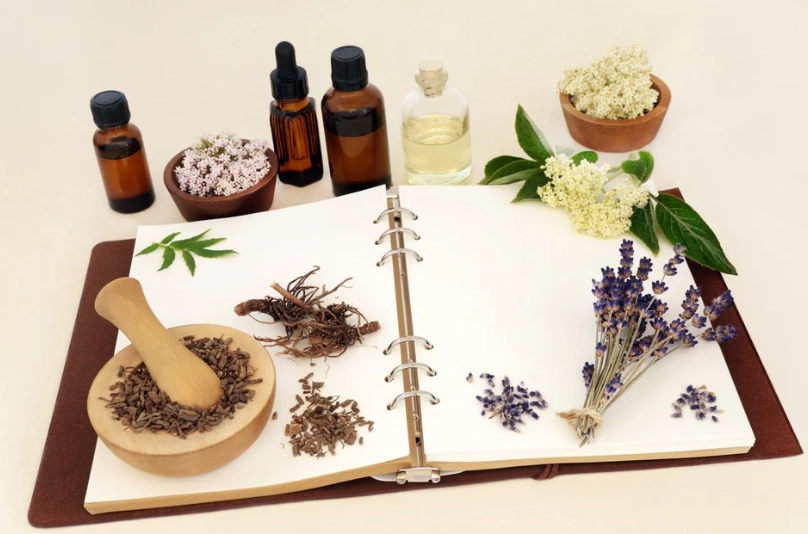
I get it. I've been there. Waking up feeling like you never slept is the worst. The search for a natural solution can be a maze of confusing claims and contradicting advice.
Let's cut through the noise. The truth is, there isn't one single "strongest" option that works for everyone. Our brains and bodies are different. What knocks one person out cold might do nothing for another. But some natural substances have serious scientific backing and a long history of use for promoting sleep and calm. Their strength depends on the form you use, the dose, and your own unique biology.
We're going to look at the top contenders, the real heavy-hitters in the world of natural sleep aids. We'll talk about what the research says, how people actually use them, and the pros and cons of each. This isn't about magic pills. It's about understanding your options so you can make an informed choice.
The Top Contenders: A Side-by-Side Look
Before we dive deep into each one, let's put the main players on the table. This gives you a quick snapshot of who's who in the quest to answer what is the strongest natural sedative for you.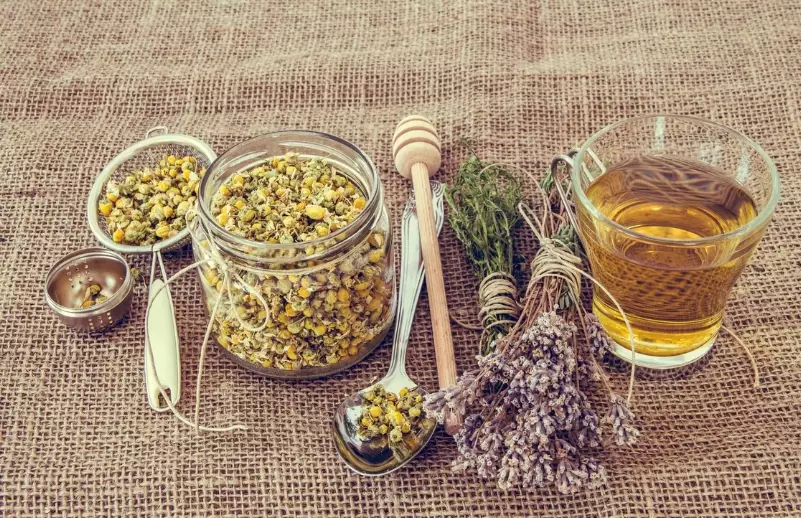
| Natural Sedative | How It's Thought to Work | Typical Onset Time | Best For | Key Consideration |
|---|---|---|---|---|
| Valerian Root | Increases GABA levels in the brain (a calming neurotransmitter). | 30 mins - 2 hours. May work better with consistent use. | Persistent insomnia, anxiety-related sleep issues. | Can have a strong, earthy smell. Not for everyone. |
| Passionflower | Also boosts GABA activity, promoting relaxation. | 30 - 60 minutes. | Racing thoughts, mild anxiety, restlessness. | Often blended with other herbs like valerian. |
| Magnesium (Glycinate/Bisglycinate) | Regulates neurotransmitters and the stress-response system. | 1 hour - overnight (for muscle relaxation). | Muscle tension, restless legs, stress-related sleeplessness. | Form matters. Glycinate is best for sleep with minimal GI upset. |
| Hops | Mild sedative effects, often used as a synergist. | 30 - 60 minutes. | Mild sleep onset problems. Rarely used alone. | Almost always combined with valerian for a stronger effect. |
| Kava | Acts on multiple brain pathways to reduce anxiety and tension. | 20 - 30 minutes. | Significant anxiety or tension that prevents sleep. | Important: Must use noble kava from reputable sources. Potential liver concerns with poor quality products. |
See? Already you can see it's not simple. Some work fast, some work better over time. Some target anxiety, some target physical tension.
Deep Dive: The Heavy Hitters Explained
Okay, let's get into the details. If you're asking what is the strongest natural sedative, these are the names you'll keep running into. Let's break them down one by one.
Valerian Root: The Tried-and-True Veteran
Valerian is often the first name that pops up. It's been used for centuries. The roots contain compounds that are believed to increase the amount of a neurotransmitter called GABA in your brain. GABA is your brain's main "brake pedal"—it slows things down, reduces nerve cell activity, and promotes calm.
Here's the thing with valerian: the science is a bit mixed, but generally positive. Some studies show it helps people fall asleep faster and improves sleep quality. Other studies find it's only slightly better than a placebo. Personally, I think a lot of the inconsistency comes down to the product quality and the person using it.
My Take: Valerian has a distinct, almost musty smell that some people find off-putting (it's been compared to old socks… not great for a sleep aid!). But if you can get past that, many find it incredibly effective. It doesn't usually create that "knocked out" feeling of a prescription drug. Instead, it's more of a gentle, heavy relaxation that makes slipping into sleep feel natural. I find it works best if I take it consistently for a few nights, rather than as a one-off.
A review by the National Center for Complementary and Integrative Health (NCCIH) summarizes the evidence, noting it appears safe for short-term use but that more rigorous research is needed. They're a great, unbiased source for this kind of info.
So, is valerian the strongest natural sedative? For many, yes. But its strength might build over a few days.
Passionflower: The Gentle Calm for a Racing Mind
Passionflower is another GABA-booster. It's often seen as valerian's milder cousin, but don't underestimate it. For people whose primary sleep problem is a mind that won't shut off, passionflower can be perfect.
It seems to be particularly good for reducing anxiety, which is a huge barrier to sleep for so many of us. Some small but promising studies, like one published in Phytotherapy Research, have shown passionflower tea can improve sleep quality.
I like passionflower tea before bed. It's a ritual. The act of making the tea is calming in itself. The effect is subtle—you don't feel drugged. You just notice your thoughts slowing down and that tight feeling in your chest easing up. It might not be the absolute strongest in terms of sheer knockout power, but for anxiety-driven insomnia, it can be the most effective.
Magnesium: The Mineral We're All Missing
This one is a bit different. Magnesium isn't an herb; it's an essential mineral that most people don't get enough of. It plays a role in over 300 bodily processes, including regulating melatonin (your sleep hormone) and calming your nervous system.
When you're deficient, which is pretty common, your body can't relax properly. You might get muscle cramps, twitches, or just a general feeling of being "wired." Supplementing with magnesium, particularly the glycinate or bisglycinate forms, can be a game-changer. These forms are highly absorbable and gentle on the stomach.
The strength of magnesium as a sedative is indirect but profound. It's not going to make you pass out. Instead, it removes the physical barriers to sleep—the tension, the restlessness. You might find you simply wake up less often or feel more restored in the morning. Resources like the Office of Dietary Supplements provide detailed info on magnesium's roles and recommended intakes.
A Word of Caution: Not all magnesium is equal. Magnesium oxide is cheap but poorly absorbed and can cause digestive issues (it's often used as a laxative). Magnesium citrate is better absorbed but can also have a laxative effect. For sleep, stick with glycinate. Start with a lower dose (like 200mg) before bed and see how you feel.
The Power of Combination: Valerian and Hops
This is where things get interesting. Hops (yes, the same plant used in beer) have mild sedative properties. On their own, they're pretty weak. But when combined with valerian root, they seem to create a synergistic effect—meaning the whole is greater than the sum of its parts.
Some research suggests this combo is more effective for improving sleep quality than valerian alone. It's a classic pairing in European herbal medicine. So, when evaluating what is the strongest natural sedative, a well-formulated blend of valerian and hops is a serious contender. It's like they team up to get the job done.
Kava: Potent but With Caveats
Kava (or kava kava) deserves a special mention. For reducing anxiety and creating a sense of relaxed contentment, it is incredibly potent. In the South Pacific, it's used ceremonially to promote social calm.
It works through a different mechanism, involving several brain pathways. For anxiety so severe it completely blocks sleep, some people find kava to be the most effective natural option. However—and this is a big however—kava has a complicated safety profile.
There have been concerns about liver toxicity. It's crucial to understand that these cases have largely been linked to the use of poor-quality plant material, using the wrong parts of the plant, or combining it with substances that stress the liver. Using noble kava root from a reputable supplier is considered much safer by experts.
The U.S. Food and Drug Administration (FDA) has issued advisories on kava, which you should absolutely read. My personal view? Kava can be powerful, but it's not a casual supplement. You need to do your homework, talk to a knowledgeable healthcare provider, and source it carefully. It's not my first recommendation for most people.
What Makes a Natural Sedative "Strong"?
This is the core of the question, right? Strength isn't just about feeling drowsy in 10 minutes. We need to think about it in a few ways.
1. Speed of Onset: How quickly does it help you fall asleep? Kava and some passionflower or valerian teas can work within 30 minutes. Magnesium's effects on muscle relaxation might take an hour or more.
2. Depth of Effect: Does it just help with falling asleep, or does it also improve sleep quality—making sleep deeper and less fragmented? Valerian and magnesium often score well here.
3. Impact on Sleep Architecture: Some prescription drugs mess with your natural sleep cycles (like reducing important REM sleep). A good natural sedative should help you get through the natural cycles without disruption. Most of the herbs we've discussed don't seem to interfere negatively.
4. Addressing the Root Cause: The strongest remedy is the one that fixes your specific problem. If your insomnia is due to muscle cramps, magnesium might be the strongest for you. If it's due to anxiety, passionflower or kava might be stronger. This is why the "one size fits all" answer to what is the strongest natural sedative doesn't exist.
How to Use These Safely and Effectively
Okay, let's say you want to try one. How do you actually do this without wasting money or, worse, causing problems?
Start Low, Go Slow: This is the golden rule. Start with the lowest recommended dose on the bottle. Give it at least a few nights to a week to see how your body responds. Don't take a huge dose on the first night expecting miracles.
Timing is Everything: Most should be taken 30 minutes to an hour before bed. Experiment to find your sweet spot.
Talk to Your Doctor: I know, everyone says this. But it's important. If you're on any medications (especially sedatives, antidepressants, or blood thinners), you must check for interactions. Herbs are real medicine. A good doctor or a knowledgeable pharmacist can help.
Quality Matters… A Lot: The supplement industry is poorly regulated. One brand's valerian might be potent, another's might be sawdust. Look for brands that practice third-party testing (their label will say things like "USP Verified" or "Tested by NSF"). It's worth paying a few extra dollars for a reputable brand.
Don't Forget the Fundamentals: No natural sedative can overcome terrible sleep hygiene. A dark, cool, quiet room. No screens for an hour before bed. A consistent sleep schedule. Managing stress during the day. These things are the foundation. The herbs are the support crew.
Answers to Your Burning Questions (FAQ)
Let's tackle some of the specific questions people have when they're searching for the strongest natural sedative.
Putting It All Together: A Practical Approach
Let's get practical. You're tired, you want to sleep, and you want to try a natural route. Here's a step-by-step thought process.
First, identify your main sleep thief. Is it physical (tense muscles, restless legs)? Start with magnesium glycinate. Is it mental (worry, racing thoughts)? Start with passionflower tea or a low dose of a valerian-passionflower blend. Give it a solid week.
Keep a simple sleep log. Just jot down what you took, what time, and how you felt the next morning. It helps you track what's actually working.
If one thing doesn't work, don't just take more. Try a different candidate from our list. Sometimes a combination is key.
And please, manage your expectations. Natural sedatives are helpers, not magic. They work best within a healthy sleep routine.
The Bottom Line on the Strongest Natural Sedative
So, what is the strongest natural sedative? After looking at the evidence and listening to countless experiences (including my own), here's my conclusion:
For sheer historical use and direct GABA action: High-quality valerian root, especially when combined with hops, is a top contender for many.
For anxiety-induced insomnia: Passionflower is beautifully gentle and effective, while kava is potent but requires much more caution.
For addressing a widespread deficiency that undermines sleep: Magnesium glycinate is foundational and can be transformative for the right person.
The "strongest" one is the one that correctly targets the specific reason *you* can't sleep and that your body agrees with. It requires a bit of patience and experimentation. But finding a natural, non-habit-forming way to support your sleep is absolutely worth the effort. Sweet dreams.
Reader Comments