Quick Guide
- The Big Picture: Why Can't I Just Get a Pill?
- The Main Contenders: Categories of Prescription Sleep Aids
- Head-to-Head: A Quick Comparison Table
- What Your Doctor Needs to Know (The Conversation Starter)
- The Not-So-Fun Part: Side Effects and Risks
- Beyond the Pill: What Else Might Be Prescribed?
- Frequently Asked Questions (The Stuff You're Really Wondering)
Let's be honest. When you've been staring at the ceiling for what feels like an eternity, and the alarm clock is creeping closer to morning, the thought of a magic pill is incredibly tempting. You might find yourself typing "what is prescribed for sleep deprivation?" into Google at 3 AM, desperate for answers. I get it. I've been there myself, after a particularly brutal period of work stress turned my nights into a frustrating game of trying to force sleep that wouldn't come.
The problem is, the answer isn't simple. It's not like there's one universal pill everyone gets. What your doctor prescribes depends on a whole bunch of factors—what's causing your sleeplessness, your medical history, whether you need help falling asleep or staying asleep, and frankly, their own experience and comfort level with different medications.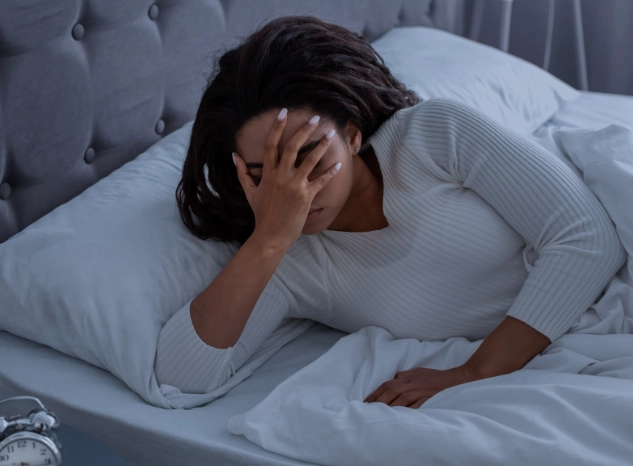
This guide is my attempt to cut through the medical jargon and marketing speak. We'll walk through the main categories of prescription sleep aids, how they actually work (or sometimes don't), the good, the bad, and the potentially ugly side effects. My goal isn't to tell you what to take, but to give you the knowledge you need to have a real conversation with your doctor. Because when it comes to sleep, an informed patient is a safer one.
The Big Picture: Why Can't I Just Get a Pill?
Doctors don't just hand out sleeping pills like candy. And honestly, that's a good thing. The first thing a good doctor will try to do is figure out the why. Is it anxiety? Pain? Poor sleep hygiene (like scrolling your phone in bed)? An underlying condition like sleep apnea or restless legs syndrome?
Treating the root cause is always the goal. Medication is often seen as a short-term bridge while you work on the long-term solutions, like Cognitive Behavioral Therapy for Insomnia (CBT-I), which is considered the gold standard for chronic sleep issues. The National Institutes of Health has a great resource on sleep disorders and complementary approaches that highlights this point.
But sometimes, you need that bridge. Acute stress, jet lag, or a temporary crisis can wreck your sleep, and a short course of medication can help break the cycle of anxiety about sleep itself. So, let's look at what's in the toolkit.
The Main Contenders: Categories of Prescription Sleep Aids
Broadly speaking, when we ask "what is prescribed for sleep deprivation," the answers usually fall into a few key families. Each works on your brain chemistry in a slightly different way.
1. The "Z-Drugs" (Non-Benzodiazepine Receptor Agonists)
These are often the first-line prescription for insomnia nowadays. They're newer than old-school sleeping pills and are designed to be more selective, targeting specific sleep receptors in the brain (GABA receptors, if you're curious). The idea is fewer side effects and less risk of dependence, though that's not a guarantee.
The common ones you'll hear about:
- Zolpidem (Ambien, Edluar, Intermezzo): Probably the most famous. It's fast-acting, mainly for sleep onset. The weird thing? It can sometimes cause sleepwalking, sleep-eating, or other complex behaviors. A friend of mine once woke up to find she'd ordered a very expensive blender online—no memory of it at all. That side effect is rare, but it's real.
- Eszopiclone (Lunesta): Works for both falling and staying asleep. Can leave a nasty metallic taste in your mouth the next day, which some people really hate.
- Zaleplon (Sonata): The shortest-acting of the bunch. It's like a stealth bomber for sleep—gets you down fast and is out of your system quickly, so less morning grogginess. But it won't help if you wake up at 4 AM.
2. Benzodiazepines (The "Benzos")
The old guard. Medications like temazepam (Restoril), triazolam (Halcion), and clonazepam (Klonopin - though more for anxiety). These are sedatives that also treat anxiety, which is why they can be helpful if your insomnia is anxiety-driven. They enhance the effect of GABA, a calming neurotransmitter.
Here's the catch, and it's a big one: tolerance and dependence can build quickly. Your body gets used to them, you need more to get the same effect, and stopping them abruptly can cause nasty withdrawal symptoms, including rebound insomnia that's worse than when you started. Because of these risks, they're generally not recommended for long-term use for sleep alone. The U.S. Food and Drug Administration (FDA) has strong warnings about their risks.
They're powerful, but they come with significant baggage. Most doctors are very cautious about prescribing them for sleep these days.
3. Antidepressants Used "Off-Label" for Sleep
This is a common scenario. A doctor might prescribe a low dose of an antidepressant not for depression, but for its sedating side effect. It's an "off-label" use, meaning it's not the primary condition the drug was approved for, but it's a widely accepted practice.
- Trazodone: This is probably the most common one. At low doses (25-100 mg), it's very sedating and has a lower risk of dependence than the Z-drugs or benzos. It's a popular choice for long-term management of sleep issues. Downsides? It can cause next-day drowsiness for some, and sometimes dry mouth or dizziness.
- Mirtazapine (Remeron): Another antidepressant that's profoundly sedating, especially at lower doses. It can also stimulate appetite, which can be a pro or a con depending on the person.
- Doxepin (Silenor): This one is interesting. At very low doses (3-6 mg), it's actually FDA-approved specifically for insomnia characterized by staying asleep. It's thought to work by blocking histamine receptors (think super-powered Benadryl).
These are often preferred for people with co-existing depression or anxiety, or for those who need something safer for longer-term use. But they're not without their own side effect profiles.
4. The Orexin Receptor Antagonists: A Newer Approach
This is a different ballgame. Instead of calming the brain down, these drugs block orexin, a neurotransmitter that promotes wakefulness. It's like putting a temporary block on your "wake up" signals.
- Suvorexant (Belsomra) and Lemborexant (Dayvigo) are the main players here. They can help with both falling and staying asleep. The side effects are different too—less of the GABA-related grogginess, but some people report weird dreams or next-day sleepiness. They're also typically more expensive.
5. Melatonin Receptor Agonists
These work with your body's natural sleep-wake cycle.
- Ramelteon (Rozerem): This one targets melatonin receptors in the brain. It's not habit-forming and is specifically for trouble falling asleep. It's not a heavy hitter, so it might not work for severe insomnia, but it's a good option for people who want to avoid the more potent GABA drugs. No reports of sleepwalking or complex behaviors.
Head-to-Head: A Quick Comparison Table
To make sense of all this, here's a table breaking down the key features. Remember, this is a generalization. Your experience may vary.
| Drug Class & Examples | Best For | Common Side Effects | Dependence Risk | My Take (Personal Opinion) |
|---|---|---|---|---|
| Z-Drugs (Zolpidem, Eszopiclone) | Falling asleep fast (Sleep Onset) | Next-day drowsiness, dizziness, sleep behaviors | Moderate | Effective but the "zombie hangover" and weird side effect stories make me wary. |
| Benzodiazepines (Temazepam) | Anxiety-driven insomnia, short-term use | Drowsiness, dizziness, memory issues, tolerance | High | Too risky for routine sleep. The potential for long-term problems outweighs the benefits for most people. |
| Sedating Antidepressants (Trazodone, Mirtazapine) | Long-term management, staying asleep | Dry mouth, next-day grogginess, weight gain (Mirtazapine) | Low | A more sustainable option for many. Trazodone seems to be a workhorse in many doctors' toolkits. |
| Orexin Antagonists (Suvorexant, Lemborexant) | Both falling and staying asleep | Sleep paralysis, weird dreams, next-day fatigue | Low | Novel mechanism is promising, but the dream side effects sound unsettling. Price is a barrier. |
| Melatonin Agonist (Ramelteon) | Falling asleep, circadian rhythm issues | Dizziness, fatigue, rarely hormonal effects | Very Low | A gentle, non-addictive option. Won't knock you out, but might help nudge your biology in the right direction. |
See what I mean? There's no one-size-fits-all answer to "what is prescribed for sleep deprivation." It's a menu, not a mandate.
What Your Doctor Needs to Know (The Conversation Starter)
Walking into your appointment prepared makes all the difference. Don't just say "I can't sleep." Be specific. This helps your doctor understand which type of medication might be most appropriate.
- What exactly is the problem? "It takes me over 2 hours to fall asleep" vs. "I wake up at 3 AM and can't get back to sleep" are different problems with different potential solutions.
- How long has it been going on? A few nights vs. six months matters.
- What have you tried? Be honest. Over-the-counter sleep aids, meditation apps, warm milk, counting sheep. This shows you're not just looking for a quick fix.
- What's your lifestyle like? Shift work, caffeine intake, screen time before bed, stress levels.
- Your full medical history. Other medications (interactions are a huge deal), history of substance use, mental health conditions, pregnancy plans.
The Not-So-Fun Part: Side Effects and Risks
No discussion about what is prescribed for sleep deprivation is complete without a serious look at the downsides. I think some websites gloss over this.
Beyond the specific side effects in the table, there are universal risks:
- Next-Day Impairment: This is the big one. That feeling of being in a fog, slowed reaction time. It's dangerous to drive or operate machinery if you're affected. You might not even feel tired, but your coordination and judgment can be off.
- Complex Sleep Behaviors: I mentioned the sleepwalking and sleep-eating. It's more common with the Z-drugs. The FDA has issued multiple safety communications about this risk.
- Tolerance and Dependence: Your body adapts. The same dose stops working. You might feel you can't sleep without it. Stopping suddenly can cause rebound insomnia and anxiety.
- Interactions with Other Substances: Mixing sleep meds with alcohol is a recipe for disaster—it can depress your breathing. Combining them with other sedatives or opioids is extremely dangerous.
That's why the general rule is: use the lowest effective dose for the shortest possible time.
Beyond the Pill: What Else Might Be Prescribed?
Sometimes, the best prescription isn't a pill at all. A good doctor will look at the whole picture.
Cognitive Behavioral Therapy for Insomnia (CBT-I): This is the first-line treatment for chronic insomnia, period. It's a structured program that helps you change thoughts and behaviors around sleep. Studies show it's as effective as medication in the short term and more effective in the long term because the benefits last. The American Academy of Sleep Medicine has resources on finding accredited sleep centers that offer CBT-I. It's harder work than taking a pill, but it's addressing the root cause.
Sleep Studies: If your doctor suspects sleep apnea or another sleep disorder, they might order a sleep study. Treating sleep apnea with a CPAP machine, for example, can be life-changing and eliminate the need for sleep medication entirely.
Addressing Underlying Conditions: If your insomnia is a symptom of anxiety, depression, or chronic pain, treating those conditions directly is the real solution.
Frequently Asked Questions (The Stuff You're Really Wondering)
Let's tackle some of the specific questions that pop up when you're researching what is prescribed for sleep deprivation.
What's the strongest sleep medication?
In terms of sheer knockout power, some of the benzodiazepines (like triazolam) or higher doses of Z-drugs are considered very potent. But "strongest" isn't always "best." Stronger often means more side effects and higher risks. The goal is effective, not comatose.
Can I get addicted to sleep pills?
Yes, you can develop a physical dependence, especially with benzodiazepines and, to a lesser extent, Z-drugs. Your body becomes reliant on them to initiate sleep. Psychological dependence is also real—the belief that you absolutely cannot sleep without the pill. This is why they're controlled substances.
Why did my prescription stop working?
Tolerance. It's common. This is a major reason why these drugs aren't great long-term solutions. Your brain's chemistry adapts. This is a sign to talk to your doctor, not to increase the dose on your own.
Are there any natural prescriptions?
Not "prescriptions" in the traditional sense, but your doctor might recommend high-dose, pharmaceutical-grade melatonin (doses higher than what's at the drugstore) for circadian rhythm disorders. Or they might strongly "prescribe" a referral for CBT-I, which is a natural, skills-based approach.
What's the safest option for long-term use?
Most sleep specialists would point to CBT-I as the safest and most effective long-term strategy. Among medications, the sedating antidepressants (like low-dose trazodone) or ramelteon are generally considered to have safer profiles for longer-term use due to lower risks of dependence and tolerance. But "long-term" use of any sleep medication should be continuously re-evaluated with your doctor.
The Bottom Line: A Realistic Perspective
Figuring out what is prescribed for sleep deprivation is a starting point, not an endpoint. Medication can be a helpful tool in the short term to break a vicious cycle of sleeplessness and anxiety. But it's rarely a permanent fix on its own.
The most successful approach I've seen—and what all the credible medical literature supports—is combining short-term, judicious use of medication (if needed) with long-term behavioral changes like CBT-I, good sleep hygiene, and managing stress.
Talk to your doctor. Be an active participant. Ask about the risks, the benefits, and the alternatives. The right answer for you is the one that addresses your specific situation safely and helps you build healthier sleep habits for life, not just for tonight.
Sleep is complicated. I hope this deep dive gives you a clearer map of the medication landscape so you can navigate your conversation with your healthcare provider more confidently. Sweet dreams.
Reader Comments