What You'll Find
You're not alone. That thought—"why can't I sleep"—has probably crossed your mind more times than you can count. You lie there, the house is quiet, your body feels tired, but your brain? It's wide awake, running through tomorrow's to-do list, replaying awkward conversations from 2012, or just... buzzing. It's incredibly frustrating, and the more you try to sleep, the more it slips away.
I've been there too. Staring at the digital clock as it flips from 1:14 AM to 2:03 AM to 3:47 AM. The panic starts to creep in. "If I fall asleep RIGHT NOW, I'll still get four hours." Sound familiar?
This isn't just about feeling groggy the next day. Chronic sleep issues mess with your mood, your focus, your health—pretty much everything. So let's ditch the generic "practice good sleep hygiene" advice you've read everywhere. We're going to dig deeper, look at the real, often overlooked reasons you might be asking yourself "why can't I sleep," and talk about what you can actually do about it. No magic pills, just understanding and actionable steps.
The Usual Suspects (And Some You Might Not Expect)
When you search for "why can't I sleep," you'll get a list of common culprits. They're common for a reason—they're often guilty. But let's break them down in a way that might make you go, "Oh, THAT could be it."
Your Mind: The Nighttime Marathon Runner
This is the big one for most people. The moment your head hits the pillow, your brain decides it's the perfect time to solve all of life's problems.
- Stress and Anxiety: This isn't just "I'm stressed about work." It's the low-grade, constant hum of modern life. Financial worries, family stuff, global news—it all adds up. Your body's stress response (hello, cortisol) is directly opposed to sleep. The Anxiety and Depression Association of America notes that sleep problems are a hallmark of both anxiety and depressive disorders. It's a two-way street: anxiety ruins sleep, and lack of sleep makes you more anxious. A vicious cycle.
- Rumination: This is anxiety's cousin. It's not just worrying about the future; it's obsessively chewing over the past. That thing you said five years ago. The project that didn't go perfectly. Your brain gets stuck in a loop, and there's no "off" switch.
- Depression: It doesn't always look like sadness. Sometimes it looks like waking up at 4 AM every single day, mind racing, unable to drift back off. Or sleeping 10 hours and still feeling exhausted. The link is powerful and complex.
So you're asking "why can't I sleep" and the answer might be sitting in your own thought patterns. It's not "all in your head" in a dismissive way—it's a real physiological state that blocks sleep.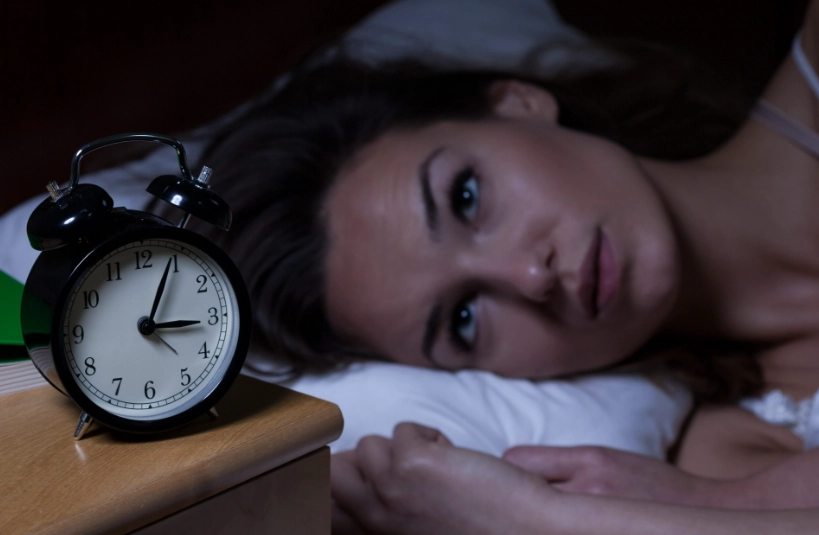
Your Body: The Silent Saboteur
Sometimes, the issue is purely physical. Your mind is willing, but your body has other plans.
- Pain: Back pain, arthritis, headaches. Any chronic pain condition can make finding a comfortable position feel impossible. The pain itself wakes you up or keeps you from reaching deep sleep.
- Restless Legs Syndrome (RLS): That irresistible urge to move your legs, often described as a creepy-crawly or aching feeling deep in the calves. It strikes at rest, especially in the evening. It's maddening. You can't sleep because your legs won't let you.
- Sleep Apnea: This is a big one many people ignore. You might not even know you have it. It causes you to stop breathing briefly throughout the night, which jolts you awake (often without full consciousness). The result? You never get restorative sleep, and you wake up exhausted. Your partner might notice loud snoring or gasping. If you're always tired despite being in bed for 8 hours, get this checked.
- Hormonal Fluctuations: Women, this is for you. PMS, pregnancy, perimenopause, menopause—estrogen and progesterone play huge roles in sleep regulation. Night sweats, temperature dysregulation, and general discomfort are common sleep thieves.
- Thyroid Issues: An overactive thyroid (hyperthyroidism) can put your whole system into overdrive, making you feel wired and anxious, directly answering the question "why can't I sleep" with a metabolic cause.

Your Habits & Environment: The Slow Build
This is where the classic "sleep hygiene" advice lives, but let's be specific about why these things matter.
Blue Light & Screens: Yes, you've heard it. But it's not just about "blue light" as some magical sleep vampire. It's about two things: 1) The light suppresses melatonin production, the hormone that tells your body it's night-time. 2) More importantly, what you're doing on the screen. Scrolling through stressful news, answering work emails, getting into an argument on social media. That's psychological stimulation, the opposite of winding down. Your brain associates bed with alertness and anxiety.
Caffeine & Alcohol Timing: Caffeine has a half-life of 5-6 hours. That 3 PM coffee? Half of it is still in your system at 8 PM. For some sensitive people, that's enough. Alcohol is a sneaky one. It makes you feel drowsy initially, but as your body metabolizes it, it causes fragmented, poor-quality sleep and often wakes you up in the middle of the night. So you might fall asleep faster but ask "why can't I sleep" at 3 AM.
An Inconsistent Schedule: Your body loves a rhythm. It has a master clock called the circadian rhythm. Going to bed at 10 PM one night and 2 AM the next is like giving your body constant jet lag. It doesn't know when to release sleep hormones.
A Sleep Space That's Not for Sleep: Is your bedroom also your office, your gym, and your entertainment center? If so, your brain has lost the association between that room and rest. It's a place of activity, stress, and alertness. The temperature matters too—most people sleep best in a cool room (around 65°F or 18°C). A hot, stuffy room prevents your core body temperature from dropping, a key signal for sleep.
Honestly, I used to work from bed sometimes. I thought it was cozy. All it did was make my brain confused about whether it was time to solve problems or time to shut down.
What To Do Tonight (And Every Night After)
Okay, so we've explored why you might be lying awake. Now, what can you actually do? Let's split this into emergency measures for tonight and long-term strategies for building better sleep.
If You're in Bed and Can't Sleep (Right Now)
The number one rule: If you've been lying awake for more than 20-30 minutes, get out of bed. I know you're tired. I know you want to just lie there. But staying in bed while frustrated teaches your brain that bed is a place of frustration and wakefulness.
- Get Up, Gently. Go to another room. Keep the lights very dim (no overhead lights).
- Do Something Boring. Read a physical book (something you've read before, not a page-turner). Listen to a calm, spoken-word podcast or audiobook. Do some gentle stretching. The goal is monotony, not engagement.
- Avoid All Screens. Seriously. Don't check your phone. Don't turn on the TV.
- Return to Bed Only When Sleepy. Yawning, heavy eyelids. Not just "tired." Then get back in bed. Repeat if necessary.
This technique, called Stimulus Control Therapy, is one of the most effective parts of Cognitive Behavioral Therapy for Insomnia (CBT-I). It's hard at first, but it rebuilds the connection between your bed and sleep.
Building Your Sleep Sanctuary: Long-Term Fixes
This isn't about perfection. Pick one or two things to start with.
Master Your Schedule and Routine
Consistency is king. Aim to wake up at the same time every day, even on weekends. Yes, even on Saturdays. This is more important than a consistent bedtime for regulating your clock.
Create a 60-minute "wind-down" buffer zone before your target bedtime. This is a screen-free, stress-free zone. What does that look like?
- Dim the lights in your house.
- Take a warm (not hot) bath or shower. The rise and subsequent drop in body temperature promotes sleepiness.
- Do some light reading, listen to calm music, or practice gentle yoga.
- Write down your worries. Keep a notebook by your bed and dump everything on your mind onto the page. It's a way of telling your brain, "It's noted, we'll handle it tomorrow."
Optimize Your Environment
Audit your bedroom.
- Darkness: Can you see your hand in front of your face? If so, it's too bright. Blackout curtains are a game-changer. Consider an eye mask.
- Quiet: Earplugs, a white noise machine, or a fan. Constant, low noise masks disruptive sounds.
- Cool: Lower the thermostat. Use breathable bedding (cotton, bamboo).
- Bed = Sleep (& Sex Only): No work, no TV, no scrolling. Break the association with anything else.
Rethink Food, Drink, and Exercise
- Caffeine Cut-off: Experiment with a hard stop at 2 PM. See if it makes a difference.
- Alcohol: Try to limit it, and avoid it within 3 hours of bedtime.
- Evening Meals: A heavy, spicy, or fatty meal right before bed can cause indigestion and discomfort. Finish eating 2-3 hours before bed.
- Exercise: Regular exercise is fantastic for sleep... but timing matters. Vigorous exercise too close to bedtime can be stimulating for some people. Morning or afternoon is ideal. Gentle evening stretching or yoga is fine.
Managing the Mental Chatter
This is the hardest part for many. When "why can't I sleep" is followed by a torrent of thoughts.
Mindfulness and Meditation: Don't roll your eyes. This isn't about clearing your mind. It's about noticing your thoughts ("there's the work worry again") and gently letting them go, without following them down the rabbit hole. Apps like Headspace or Calm have sleep-specific meditations. Even 5-10 minutes a day can change your relationship with your thoughts.
The "Worry Period": Schedule 15 minutes in the early evening to just worry. Sit down with your notebook and go for it. Worry intensely. When the time is up, close the book. If worries pop up at night, remind yourself, "I already addressed that during my worry time. It's not time now."
I was skeptical about meditation. It felt silly. But learning to observe my anxiety instead of being consumed by it was a turning point. It didn't make the thoughts go away, but it took away their power to keep me awake.
Could Supplements Help?
Sometimes. But they're helpers, not cures. Always check with a doctor before starting anything new, especially if you're on other medications.
| Supplement | What It Is / Does | Considerations & My Take |
|---|---|---|
| Melatonin | A hormone your body naturally produces to signal sleep. Supplemental melatonin can help reset your circadian clock (jet lag, shift work) or give a nudge if you have trouble falling asleep. | Start LOW (0.5mg - 1mg) 30-60 mins before bed. More is not better. It's not a sleeping pill. It doesn't work for everyone, and for some (like me), it can cause vivid dreams or morning grogginess. The Mayo Clinic has a good overview of its uses and safety. |
| Magnesium | A mineral involved in hundreds of bodily processes, including muscle relaxation and nervous system regulation. Deficiency can contribute to restlessness. | Forms matter. Magnesium glycinate or citrate are often recommended for sleep. It's generally well-tolerated, but can cause digestive upset at high doses. It's a gentle helper for some. |
| L-Theanine | An amino acid found in green tea. It promotes relaxation and reduces anxiety without sedation. | Good for people whose "why can't I sleep" is driven by an anxious, racing mind. It's subtle. Often paired with melatonin. |
| Valerian Root | An herbal supplement with a long history of use as a sedative. | The evidence is mixed. Some people swear by it; others feel no effect. It can interact with other medications. Smells... interesting (like old socks). |
My personal experience? Melatonin at a low dose works for me when my schedule is off, like after travel. Magnesium glycinate seems to make my sleep a bit deeper. But they are tools, not foundations. The foundation is your habits and your mind.
Questions You're Probably Asking (FAQ)
Wrapping This Up
Figuring out why you can't sleep is detective work. You have to look at your body, your mind, your habits, and your environment. It's rarely one thing. It's the coffee at 4 PM plus the stressful job plus the bright phone in bed plus the uncomfortable pillow.
The goal isn't perfection. The goal is progress. Start small. Pick one thing from this article that resonated with you. Maybe it's implementing a digital sunset 60 minutes before bed. Maybe it's buying blackout curtains. Maybe it's trying the "get out of bed" rule for a week.
Be patient with yourself. Sleep is a natural process, but it's one we've learned to interfere with pretty effectively. Relearning how to let it happen takes time.
So tonight, when you find yourself wondering "why can't I sleep," instead of panicking, maybe just acknowledge it. "Ah, there's my busy mind again." Get up, do something boring, and try again. You're rebuilding a skill, and that takes practice.
Sweet dreams.
Reader Comments