Your Sleep Navigation
Let's be honest. You're probably reading this at night, in bed, on your phone, wondering why sleep feels like a part-time job you're failing at. I've been there. The more you try to figure out how to sleep better, the wider awake you feel. It's maddening.
We've all heard the basic advice. "Don't drink coffee after 2 PM." "Read a book." But what if your brain just won't shut off? What if your mattress feels like a rock, or your partner's snoring sounds like a chainsaw? The generic tips don't cut it.
This isn't another article that just tells you to "establish a routine." We're going deeper. We'll talk about the science you can actually use, the environmental tweaks nobody mentions, and the supplements that might be worth your money (and the ones that are a complete waste). I'll even share some things that didn't work for me at all. Because figuring out how to improve your sleep is a personal puzzle, and we're going to find your missing pieces.
Why Bother? The Real Cost of Bad Sleep
You know sleep is important. But do you know how important? It's not just about feeling groggy. When you're chronically short on quality sleep, your body and mind start running on fumes.
Your brain's waste clearance system, the glymphatic system, kicks into high gear during deep sleep, flushing out toxins linked to Alzheimer's. Your immune system produces cytokines, proteins that help fight infection and inflammation. Your hormones regulating hunger (ghrelin and leptin) go haywire, which is why you crave junk food after a bad night. The Centers for Disease Control and Prevention (CDC) flat-out calls insufficient sleep a public health problem, linking it to chronic diseases from heart disease to diabetes.
Think of it this way: sleep is not downtime. It's critical maintenance time. Skimping on it is like never taking your car in for an oil change and just hoping it keeps running.
My own wake-up call: A few years back, I went through a period of terrible sleep for months. I wasn't just tired. I was irritable, gained weight despite not eating more, and caught every cold that went around the office. It took me way too long to connect the dots. The fog, the cravings, the constant sniffles—it all traced back to my messed-up sleep.
Sleep Hygiene: The Boring (But Essential) Foundation
Okay, we have to talk about it. Sleep hygiene. It sounds clinical and dull, but it's just a fancy term for the habits that set the stage for good sleep. You can't build a stable house on sand, and you can't build good sleep on a foundation of bad habits.
Your Daily Rhythm is Everything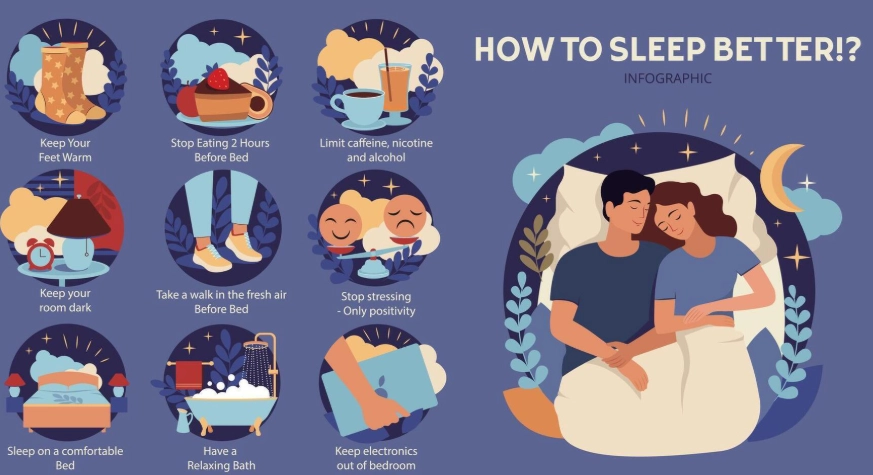
Your body loves predictability. It has an internal clock called the circadian rhythm, and it thrives on routine. Going to bed and waking up at wildly different times each day is like giving that clock jet lag.
Yes, even on weekends. I know, it's the worst advice. Sleeping in on Saturday feels like a sacred right. But if you sleep until noon, don't be surprised when you're staring at the ceiling at 1 AM on Sunday. A consistent wake-up time is actually more powerful than a consistent bedtime for regulating your rhythm.
Try this: Pick a wake-up time you can stick to seven days a week. Set an alarm. Get up, even if you slept poorly. Get bright light (sunlight is best) into your eyes within 30 minutes of waking. This is the single strongest signal to tell your brain, "The day has started." The National Sleep Foundation considers this one of the cornerstone practices for healthy sleep.
The Wind-Down That Actually Works
You can't sprint full-speed into bed and expect to fall asleep. Your brain needs a buffer zone. A "power-down hour." This is where most people fail. They're answering emails, watching intense shows, or scrolling through stressful news until the second they close their eyes.
Your wind-down should be about lowering your core body temperature and calming your nervous system. A hot shower or bath about 90 minutes before bed actually helps because as you cool down afterwards, it mimics the natural temperature drop that initiates sleep. Ditch the screens—the blue light suppresses melatonin production. And no, "night shift" mode isn't a magic fix. It's the content that's stimulating, not just the light.
What to do instead? It's personal. For some, it's light stretching (not intense yoga). For others, it's listening to a boring audiobook or a calm podcast. I personally found that journaling for 5 minutes to dump my anxious thoughts onto paper stopped them from racing in my head.
Your Bedroom: The Sleep Sanctuary Audit
Your bedroom environment might be sabotaging you without you even knowing it. Let's play detective.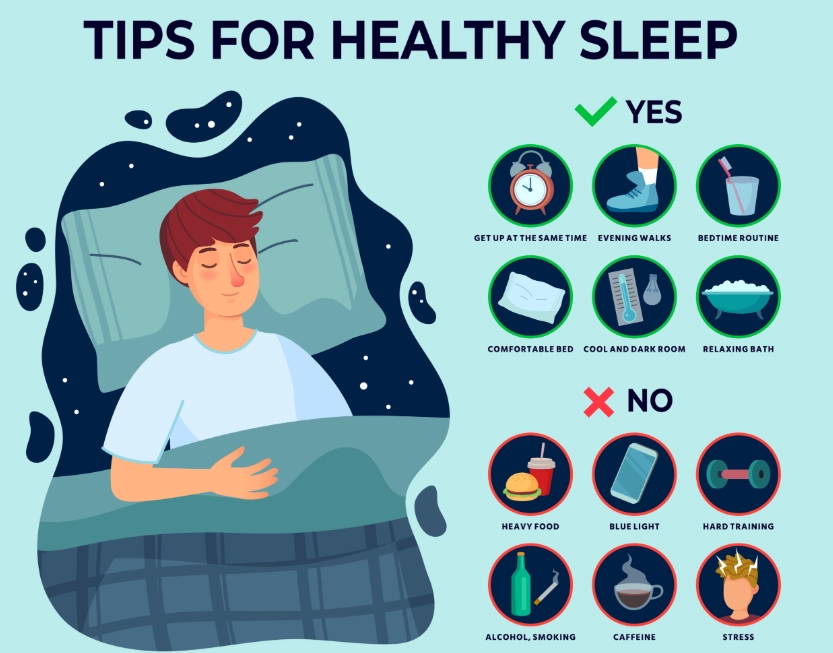
Light, Noise, and Temperature: The Holy Trinity
These three factors are non-negotiable.
- Darkness: I mean, cave-dark. Even the tiny LED from your charger can interfere. Blackout curtains are a game-changer. If you can't install them, a good sleep mask is a worthy investment. I was skeptical of masks until I tried a decent one that didn't press on my eyes. Total darkness on demand, even during daytime naps.
- Quiet: If you can't control the noise (traffic, neighbors), white noise or pink noise can be a lifesaver. It creates a consistent auditory blanket that masks disruptive sounds. There are free apps or dedicated machines. A simple fan often does the trick.
- Cool: The ideal temperature for most people is around 65°F (18.3°C). Your body needs to drop its core temperature to initiate and maintain sleep. A room that's too warm is one of the most common culprits for middle-of-the-night awakenings.
The Bed Itself: Mattress, Pillows, and Sheets
This is where it gets expensive, but you spend a third of your life here. Don't cheap out.
Mattress: There's no "best" mattress for everyone. Side sleepers usually need more cushioning for hips and shoulders. Stomach and back sleepers often need firmer support. The best advice? If your mattress is over 7-8 years old, it's probably time to test some out. Many companies now offer long sleep trials.
Pillows: They should keep your neck aligned with your spine. A pillow that's too high or too flat can cause neck pain and disrupt breathing. Down pillows feel luxurious but often lack support. Memory foam contours well but can trap heat.
Bedding: Natural, breathable fabrics like cotton, linen, or bamboo are best for temperature regulation. Those high-thread-count polyester blends might feel silky, but they can make you sweat.
Honestly, I spent years on a mattress that was too soft for me because it was "comfortable" when I first lay down. Waking up with a stiff back was my normal. It wasn't until I tried a firmer option during a hotel stay and woke up feeling incredible that I realized my bed was the problem.
Mind and Food: The Internal Game
Your thoughts and what you put in your body are just as important as your blackout curtains.
When Your Brain Won't Shut Off
Anxiety and stress are the arch-nemeses of sleep. The "monkey mind" at 3 AM is a universal experience.
The worst thing you can do is lie there getting more frustrated. The "15-minute rule" is golden: If you've been in bed awake for more than 15-20 minutes, get up. Go to another dimly lit room and do something mindlessly boring until you feel sleepy. Read a physical book (not a thriller!), fold laundry, listen to calm music. The goal is to break the association between your bed and anxiety. Don't check the time. Clock-watching creates performance anxiety.
Techniques like 4-7-8 breathing (inhale for 4, hold for 7, exhale for 8) or progressive muscle relaxation can help calm the nervous system. They give your racing mind a simple, physical task to focus on.
The Food and Drink Connection
You are what you eat, and you sleep how you eat.
- Caffeine: Its half-life is about 5-6 hours. That means if you have a coffee at 4 PM, half the caffeine is still in your system at 9-10 PM. For some sensitive people, it's even longer. I had to move my cutoff to 1 PM to see a real difference.
- Alcohol: This is a big one. Alcohol might help you fall asleep faster, but it absolutely wrecks your sleep architecture. It suppresses REM sleep (the dreaming, mentally restorative stage) and often causes you to wake up in the second half of the night as your body metabolizes it. It's a sedative, not a sleep aid.
- Heavy/Late Meals: Digestion is work. Your body shouldn't be working hard to process a large, fatty meal when it's trying to power down. Try to finish eating 2-3 hours before bed.
- Midnight Snacks: A small snack is okay if hunger pangs are keeping you awake. Think complex carb with a little protein, like a small banana with a spoonful of almond butter, or a few whole-grain crackers with cheese. Avoid sugar, which can cause a spike and crash.
Supplements and Aids: What's Worth Your Money?
The supplement aisle is overwhelming. Let's cut through the marketing.
| Supplement/Aid | What It Is / Does | The Evidence & My Take | Best For |
|---|---|---|---|
| Melatonin | A hormone your body naturally produces to regulate sleep-wake cycles. | Strong evidence for resetting circadian rhythm (jet lag, shift work). Less evidence for general insomnia. Dosage is key—0.5mg to 3mg is often enough. More is not better and can cause grogginess. I find it useful for travel, but not nightly. | Jet lag, Delayed Sleep Phase Disorder, occasional reset. |
| Magnesium | A mineral involved in hundreds of bodily processes, including muscle relaxation and nervous system regulation. | Many people are mildly deficient. Forms like glycinate or citrate are well-absorbed. Studies show it can improve sleep quality, especially in those deficient. It helped me feel more physically relaxed at night. No dramatic "knock-out" effect, but a subtle improvement. | Those with muscle tension, restlessness, or potential deficiency. |
| Valerian Root | An herbal supplement. | Mixed evidence. Some studies show modest benefits for sleep latency and quality; others show no effect. It has a distinctive, somewhat unpleasant odor. It did nothing for me personally. | Those wanting to try a natural herbal option. |
| Weighted Blankets | Blankets typically weighing 15-30 lbs that provide deep pressure stimulation. | Can increase feelings of calm and reduce anxiety for some. The science is still emerging but promising for conditions like anxiety and ADHD. They're hot—often too hot for me in summer. I love the feeling of being "hugged," but it's not for everyone. | Anxiety-driven insomnia, restless sleepers. |
A word of caution: Supplements are not regulated like drugs. Quality varies wildly. Always talk to your doctor before starting anything new, especially if you're on other medications. The National Center for Complementary and Integrative Health (NCCIH) has great, unbiased fact sheets on many of these.
Common Sleep Problems and Real Talk
Sometimes, the general advice on how to get better sleep isn't enough because a specific problem is in the driver's seat.
Snoring and Sleep Apnea
Loud, chronic snoring isn't just annoying—it can be a sign of obstructive sleep apnea (OSA), where breathing repeatedly stops and starts during sleep. This fragments your sleep and deprives your body of oxygen.
Red flags: Gasping or choking sounds, witnessed pauses in breathing, excessive daytime sleepiness despite long hours in bed, morning headaches. If this sounds familiar, please see a doctor. Sleep apnea is serious and linked to high blood pressure, heart problems, and stroke. Treatment (like a CPAP machine) can be life-changing.
Insomnia
Persistent difficulty falling or staying asleep. If it lasts more than a few months, it's chronic. This is where Cognitive Behavioral Therapy for Insomnia (CBT-I) is considered the gold standard first-line treatment, not medication. CBT-I addresses the thoughts and behaviors that perpetuate insomnia. You can find therapists who specialize in it or even use digital programs. Medications have their place for short-term use but often come with side effects and tolerance issues.
Restless Legs Syndrome (RLS)
That uncontrollable urge to move your legs, usually in the evenings. It's more than just fidgeting; it's a uncomfortable, creepy-crawly sensation. Iron deficiency is a common cause. A simple blood test can check your ferritin levels. Other strategies include gentle leg stretches before bed, massage, and avoiding caffeine and alcohol, which can worsen symptoms.
Putting It All Together: Your Action Plan
Feeling overwhelmed? Don't try to fix everything at once. That's a recipe for failure. Pick one or two things from this guide that feel most relevant to your struggle and start there. Track your sleep for a week (just a simple note on your phone is fine) before and after you make the change.
Maybe it's committing to a consistent wake-up time and getting morning light. Maybe it's buying blackout curtains. Maybe it's just implementing a 30-minute screen-free buffer before bed.
The journey to figuring out how to sleep better is iterative. You try something, see how it feels, and adjust. It requires some patience and self-observation. But the payoff—waking up feeling restored, having more energy, and thinking more clearly—is worth the effort. It's the foundation for everything else you want to do in your life.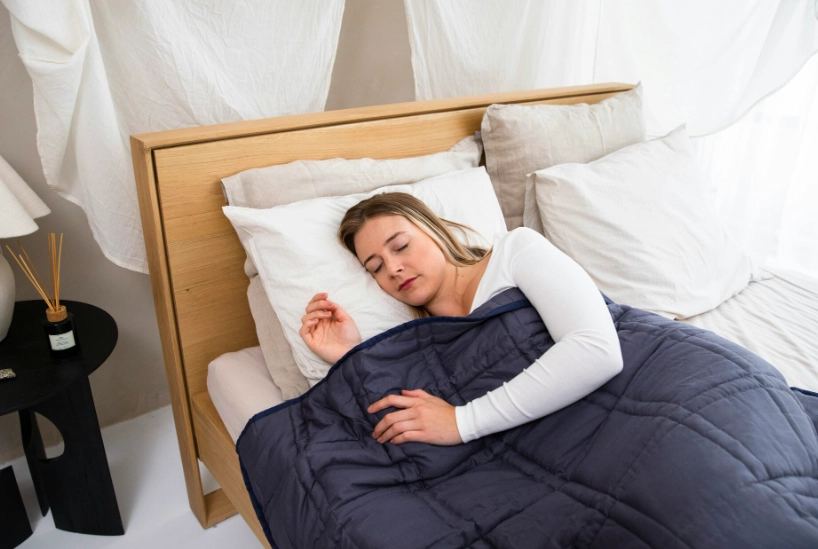
Start small. Be consistent. And give yourself grace. Good sleep is a skill you can relearn.
Reader Comments