Quick Guide
You wake up, roll over, and glance at the clock. It's past noon. You went to bed at a reasonable hour, but you've just clocked in over 12 hours of sleep. Again. The first thought that hits you, before the grogginess even fully subsides, is a simple, nagging question: is this unhealthy? Is sleeping over 12 hours a sign of a deeper problem, or just your body catching up on a brutal week?
I've been there. A few years back, during a particularly stressful period, my weekends became 12-hour sleep marathons. I'd tell myself I was just "recharging," but a part of me was genuinely worried. Was I just lazy, or was my body trying to tell me something? Spoiler alert: it was the latter.
The short, blunt answer is: yes, routinely sleeping for over 12 hours can be unhealthy. It's often a red flag, not a badge of honor for being a sleep champion. Medical professionals call this hypersomnia or long sleep duration. But—and this is a crucial but—the "unhealthiness" isn't usually about the sleep itself. It's about why you need that much sleep in the first place.
Think of it this way: needing 12+ hours of sleep isn't the disease; it's a prominent symptom. Your body is using excessive sleep as a tool to cope with or signal an underlying issue, which could range from poor sleep quality to a significant medical condition.
What Counts as "Over 12 Hours" and Who Does It Affect?
First, let's define our terms. When we ask, "Is it unhealthy to sleep for over 12 hours?" we're typically talking about a habitual pattern, not the occasional post-all-nighter crash or recovery from illness. The National Sleep Foundation notes that adults generally need 7-9 hours. Consistently logging 50% more than the upper limit puts you in a different category.
There's a spectrum here, which a lot of quick articles miss.
- The Occasional Long Sleeper: You pull a couple of 12-hour nights after a period of deprivation or intense physical strain. This is likely just recovery. Your body is smart.
- The Habitual Long Sleeper (Idiopathic Hypersomnia): This is a small percentage of the population (estimates are around 2%) who genetically require 10-12 hours of sleep to feel rested. For them, this is normal and healthy. The problem arises when someone who normally needs 8 hours suddenly starts needing 12+.
- The Compensatory Long Sleeper: This is the most common scenario for people searching this question. You're in bed for 12 hours because the sleep you're getting is poor quality, fragmented, or non-restorative. You might have a sleep disorder sabotaging your rest.
I remember reading a forum post from someone who said, "I sleep 12 hours and still feel like I've been hit by a truck." That's the classic sign of compensatory sleep. You're putting in the time, but not getting the restorative benefits.
Sleep Duration Spectrum: From Short to Long
| Sleep Duration | Category | Typical Feel Upon Waking | Potential Health Association |
|---|---|---|---|
| Short Sleep | Unrefreshed, fatigued, reliant on stimulants | Increased risk of heart disease, obesity, cognitive decline | |
| 7 - 9 hours | Recommended Range | Refreshed, alert, sustained energy | Optimal for most adults' physical & mental health |
| 9 - 11 hours | Long Sleep | May feel groggy (sleep inertia), but generally rested | Mixed research; may be normal for some, or signal mild issues |
| 12+ hours (Habitual) | Excessive Sleep / Hypersomnia | Often unrefreshed, groggy, mentally foggy, difficult to get up | Strongly associated with underlying sleep, mental, or physical health disorders |
See the difference? The feeling upon waking is a huge tell. If you're sleeping a long time and still feel terrible, that's your body's alarm bell.
So, Why Am I Sleeping So Much? The Underlying Causes
This is the core of the issue. To understand if sleeping over 12 hours is unhealthy for you, you need to play detective. Let's break down the usual suspects.
Sleep Disorders Sabotaging Your Rest
This is the big one. You might be in bed for 12 hours, but your sleep is so disrupted that you're only getting a few hours of actual, quality rest.
- Sleep Apnea: This is a top contender. Your breathing repeatedly stops and starts, causing micro-awakenings you don't remember. The result? You feel exhausted despite a long time in bed. The National Heart, Lung, and Blood Institute (NHLBI) states that sleep apnea can severely fragment sleep, leading to excessive daytime sleepiness. You're not getting air, so your sleep is useless.
- Restless Legs Syndrome (RLS): That irresistible urge to move your legs can delay sleep onset and cause frequent awakenings.
- Narcolepsy: While known for sudden sleep attacks, it also causes profoundly non-restorative sleep at night, leading to a need for more total sleep time.
A friend of mine was diagnosed with sleep apnea in his 30s. He described his pre-diagnosis life as "sleeping 10-12 hours on weekends and still needing naps." He thought he was just a bad sleeper. A sleep study showed he was having 40+ events per hour. His 12-hour "sleep" was worthless. Treating the apnea brought his need down to 7-8 hours almost immediately.
Mental Health and the Exhaustion Connection
Your brain is the most energy-intensive organ you have. When it's struggling, it demands more downtime.
- Depression: Hypersomnia is a core symptom of atypical depression. Sleep becomes an escape. The National Institute of Mental Health (NIMH) lists changes in sleep patterns as a key sign. You might find you can sleep endlessly but never feel restored.
- Anxiety and Chronic Stress: Constant mental chatter is exhausting. It can disrupt sleep architecture (reducing deep sleep) and leave you feeling drained, prompting longer time in bed.
- Burnout: This isn't an official diagnosis, but it's real. Physical and emotional exhaustion from prolonged stress can manifest as a need for excessive sleep.
Sleep can feel like the only place the noise stops.
Lifestyle and Environmental Factors
Sometimes the cause is what we do (or don't do) while we're awake.
- Poor Sleep Hygiene: Irregular bedtimes, screen use before bed, a hot/noisy room, and consuming caffeine or alcohol too late. This leads to low sleep efficiency—you're in bed for 12 hours but only asleep for 8 of them.
- Physical Inactivity: It sounds counterintuitive, but not moving your body can make you more fatigued. Regular exercise improves sleep quality, meaning you need less total time.
- Diet: Heavy, sugary, or large meals before bed can disrupt sleep. Nutrient deficiencies (like iron, B12, or Vitamin D) can also cause profound fatigue.
Underlying Medical Conditions
This is why seeing a doctor is non-negotiable. Numerous conditions can cause pathological fatigue.
- Thyroid Disorders: An underactive thyroid (hypothyroidism) famously slows everything down, including your metabolism, leading to extreme fatigue and need for more sleep.
- Chronic Fatigue Syndrome (ME/CFS): This complex disorder is defined by debilitating fatigue that isn't improved by rest, often leading patients to spend excessive time in bed trying to recover.
- Anemia: Low red blood cell count means less oxygen to your tissues, causing tiredness.
- Neurological Conditions: Certain conditions can affect the brain's sleep-wake regulation centers.
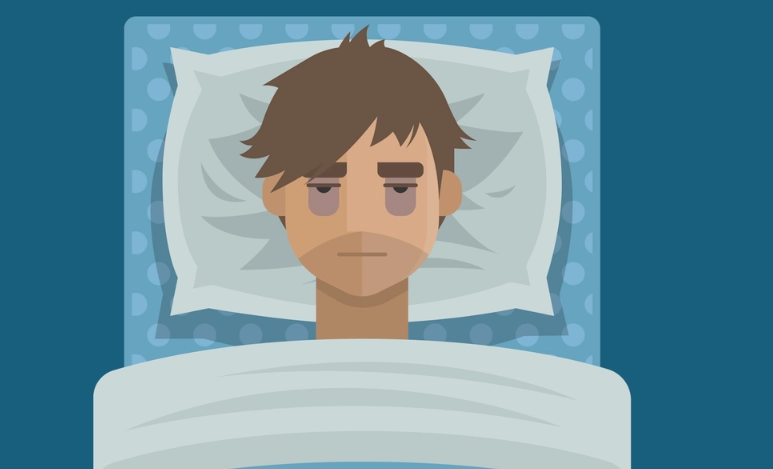
Important: If your need for 12+ hours of sleep is new, has developed over weeks/months, and is paired with other symptoms like unrefreshing sleep, daytime impairment, or mood changes, it's time to consult a healthcare provider. Self-diagnosing here is risky.
The Real Health Risks of Chronic Oversleeping
Okay, so we've established that the sleep itself is often a symptom. But research does show that long sleep duration is independently associated with several health risks. It's a bit of a chicken-and-egg situation: does the underlying condition cause both the long sleep and the health risk, or does the long sleep pattern itself contribute? It's likely a vicious cycle.
Physical Health Risks
- Cardiovascular Issues: Multiple large-scale studies have found a U-shaped curve for sleep and heart health. Both short sleep and long sleep (often defined as >9 hours) are linked to a higher risk of coronary heart disease, stroke, and inflammation. A meta-analysis published in the Journal of the American Heart Association found the highest risk for those sleeping over 9 hours.
- Impaired Glucose Metabolism & Diabetes Risk: Long sleep duration has been associated with higher fasting blood glucose levels and increased risk of developing type 2 diabetes. Disrupted circadian rhythms from excessive time in bed may play a role.
- Weight Gain and Obesity: This one hurts. You'd think more sleep equals less time to eat, right? Not necessarily. The fatigue from poor-quality long sleep reduces physical activity. Hormones like leptin and ghrelin, which regulate hunger, can get thrown off. Plus, if depression is a factor, it can affect eating habits.
- Increased Inflammation: Markers of inflammation, like C-reactive protein (CRP), are often elevated in long sleepers. Chronic inflammation is a root cause of many diseases.
Cognitive and Mental Health Risks
- Brain Fog and Cognitive Decline: That groggy, fuzzy-headed feeling after a marathon sleep? That's sleep inertia, and it can last for hours if you oversleep. Over the long term, some studies suggest a link between habitual long sleep and poorer cognitive performance and an increased risk of dementia. Again, it's unclear if it's a cause or an early symptom.
- Worsening Depression: While depression can cause hypersomnia, the oversleeping can then worsen depression symptoms. It creates a cycle of low energy, social isolation, and negative thoughts. Getting out of bed becomes a monumental task.
- Headaches: Many people report headaches after sleeping too long, likely due to effects on neurotransmitters or dehydration.
So, circling back to our main question: is it unhealthy to sleep for over 12 hours? The evidence points to yes, it is often a sign of an unhealthy process happening in your body or mind. The act of sleeping that long might not be the direct poison, but it's a very reliable indicator that something is off-balance.
What Should You Do If You're Sleeping Over 12 Hours?
Don't panic, but do take it seriously. Here's a practical, step-by-step approach.
Step 1: Become a Sleep Detective (At-Home Audit)
Before you see a doctor, gather data for a week or two. This is incredibly helpful.
- Track It: Use a simple notebook or a sleep app. Log bedtime, wake time, estimated sleep time, and most importantly, how you felt upon waking (on a scale of 1-10). Note any nighttime awakenings.
- Assess Your Sleep Hygiene: Be brutally honest.
- Is your bedroom cool, dark, and quiet?
- Do you use phones/tablets in bed?
- Is your caffeine cut-off time 2 PM or earlier?
- Do you have a wind-down routine?
- Listen to Your Partner: Do they report loud snoring, gasping, or restless movement? That's gold-standard evidence for sleep apnea.
Step 2: When to See a Doctor (The Red Flags)
Don't wait if you see these signs. Schedule an appointment with your primary care physician. They can rule out common medical causes.
See a doctor if: The pattern is new or worsening; you snore loudly or gasp for air at night (per a partner); you wake up with headaches or a dry mouth; you have overwhelming daytime sleepiness (like falling asleep at work or while driving); your mood is persistently low; or you have any other physical symptoms like unexplained weight change or pain.
Step 3: What the Doctor Might Do
Expect questions about your sleep habits, mental health, and overall health. They may order blood tests to check thyroid, iron, vitamin levels, and other markers. If they suspect a sleep disorder like apnea, they will refer you to a sleep specialist for a possible sleep study (polysomnography). This is the definitive test to see what's happening in your brain and body while you sleep.
Step 4: Practical Fixes to Try (With Caution)
While you investigate the root cause, you can work on improving sleep quality.
- Stabilize Your Schedule: This is the single most powerful tool. Go to bed and wake up at the same time every day, even on weekends. Yes, even on weekends. This trains your circadian rhythm.
- Get Morning Light: Exposure to bright natural light within 30 minutes of waking tells your brain the day has started, solidifying your sleep-wake cycle.
- Move Your Body: Even a 20-minute walk can improve sleep quality. Don't do intense exercise too close to bedtime.
- Limit Time in Bed: If you're spending 12 hours in bed, try gently restricting it to 9 hours for a week. This can increase "sleep pressure" and consolidate sleep, making it more efficient. (Do this cautiously and not if you have a diagnosed sleep disorder without guidance).
- Address Stress: Mindfulness, meditation, or journaling before bed can quiet the mind. Therapy (like CBT) can be transformative for sleep issues rooted in anxiety or depression.
The goal isn't just to sleep less, but to sleep better. Higher-quality sleep in a shorter duration is far healthier than long, fragmented, poor-quality sleep.
Common Questions Answered (FAQs)

Wrapping It Up: Listen to Your Body's Signal
Asking "Is it unhealthy to sleep for over 12 hours?" is a smart, proactive question. Your body is communicating. It might be saying, "I'm not breathing well at night," "I'm overwhelmed and sad," "My thyroid is sluggish," or "The sleep I'm getting is useless."
Ignoring it and writing it off as "being a good sleeper" or laziness does you a disservice. The unhealthiness isn't a moral failing; it's a physiological clue.
The path forward isn't about shaming yourself for sleeping too long. It's about curiosity. Treat your need for 12+ hours of sleep as the most important clue in a mystery about your own well-being. The goal is to find the root cause, address it, and graduate to a life where you wake up after 7-9 hours feeling genuinely restored and ready for the day. That's what healthy sleep feels like.
Start with the sleep diary. Talk to your doctor. Be kind to yourself in the process. Untangling the reason behind your long sleeps could be one of the most significant health investments you ever make.
Reader Comments