In This Article
- Why Go Natural? The Case for Ditching the Quick Fix
- Your Foundation: The Non-Negotiables (The Boring Stuff That Works)
- The Natural Toolkit: Herbs, Supplements & More
- Mind & Body Techniques: The Software Updates
- Putting It All Together & Answering Your Questions
- The Long Game: Building Sleep Resilience
You know the feeling. It's 2 AM, the ceiling is your new best friend, and your brain is replaying that awkward thing you said in 2014. The alarm clock glows like a malevolent eye, counting down the precious hours of rest you're missing. You've probably tried everything from warm milk (makes me need the bathroom, honestly) to forcing yourself to lie perfectly still. Maybe you've even stared at your phone, falling into a rabbit hole that makes you feel worse.
I get it. I've been there more times than I care to admit. The frustration is real. But here's the thing—reaching for a prescription isn't the only path, and often, it's not the best long-term one. The world of natural sleep remedies for adults is vast, confusing, and full of both gems and junk science.
My goal here isn't to sell you magic beans. It's to walk you through what actually has some evidence behind it, what's mostly hype, and how you can weave these natural sleep remedies into your life without it feeling like another chore. We'll skip the fluff and get into the stuff that might just help you turn off the brain chatter and finally get the deep, restorative sleep your body is screaming for.
Let's be clear from the start: "natural" doesn't automatically mean "safe for everyone" or "zero side effects." It also doesn't mean "instant cure." Think of these as tools, not magic wands. If you have severe or chronic insomnia, a chat with your doctor is non-negotiable. This guide is for the many adults looking for gentler, sustainable ways to improve their sleep hygiene and find relief.
Why Go Natural? The Case for Ditching the Quick Fix
Before we dive into the best natural sleep remedies for adults, it's worth asking why bother? Sleeping pills work, right? Well, yes and no. They can be a lifesaver in the short term, but long-term use often comes with baggage—dependency, grogginess, weird sleep behaviors, and sometimes, they just stop working as well.
Natural approaches aim to support your body's own sleep-wake cycle (your circadian rhythm, if we're being fancy) and address the root causes of your restlessness, not just hammer the "off" switch on your consciousness. It's the difference between yanking a weed out by the leaves and gently loosening the soil to get the whole root. The second method takes more patience, but the result lasts longer.
Your Foundation: The Non-Negotiables (The Boring Stuff That Works)
I can almost hear the sigh. You want the secret herb, the magic tea. I promise we'll get there. But if you skip this part, you're building a house on sand. No supplement in the world can consistently override terrible sleep habits. These are the bedrock for any effective natural sleep remedy for adults.
Light: Your Master Clock's Best Friend and Worst Enemy
Your body doesn't read clocks. It reads light. Bright, blue-ish light (like from the sun or your phone) tells your brain "IT'S DAYTIME, BE AWAKE." Dim, warm light says "sunset is coming, start winding down." Messing with this signal is the #1 way to confuse your entire system.
What to do? Get bright light exposure first thing in the morning. A 15-minute walk outside is gold. As evening approaches, start dimming the lights in your house. And about those screens... I know, I know. But try this: enable "Night Shift" or "Blue Light Filter" mode on all devices 2-3 hours before bed. Even better, ditch them entirely for the last hour. Read a physical book (a boring one is extra effective). This one change did more for my sleep latency (the time it takes to fall asleep) than anything else I tried.
The Bedroom Sanctuary
Your bedroom should whisper "sleep," not scream "entertainment center/home office/storage unit."
- Cool & Dark: Aim for around 65°F (18°C). Your core body temperature needs to drop to initiate sleep. A hot room fights that. Blackout curtains are worth every penny. Can't afford them? A good sleep mask works wonders.
- Quiet: Earplugs, a white noise machine, or a fan. I use a simple fan year-round for the consistent hum. It drowns out random street noise and my partner's occasional snores.
- Tech-Free Zone: This is hard. But charging your phone outside the room breaks the midnight scrolling habit. Your alarm clock? Get a cheap, old-school one with a dim display.
The Wind-Down Ritual (No, It's Not Just for Babies)
Your brain needs a transition period. You can't go from 100mph work stress to sound asleep in five minutes. A 30-60 minute wind-down routine signals to your nervous system that it's safe to power down.
What does a good wind-down look like? It's personal. It could be light stretching (not intense yoga), listening to calm music or a podcast (not a true-crime one!), taking a warm bath (the rise and subsequent fall in body temperature promotes drowsiness), journaling to dump anxieties on paper, or even just sipping a caffeine-free herbal tea while sitting quietly. The key is consistency.
The Natural Toolkit: Herbs, Supplements & More
Okay, here's the part you've been waiting for. Once you've got the foundation in place (or at least you're working on it), these natural sleep aids for adults can provide an extra boost. Think of them as helpers, not replacements.
A Quick, Important Heads-Up
Just because you can buy it at a health food store doesn't mean it's harmless. Supplements can interact with medications (like blood thinners, antidepressants, etc.). They vary wildly in quality. Always talk to your doctor or a qualified pharmacist before starting anything new, especially if you're pregnant, breastfeeding, or have a health condition. I'm not a doctor, just someone who's read a ton of studies and tried a lot of this stuff myself.
Top Contenders: The Heavy Hitters
Let's break down the most researched and commonly used options. I've created a table to make it easier to compare at a glance.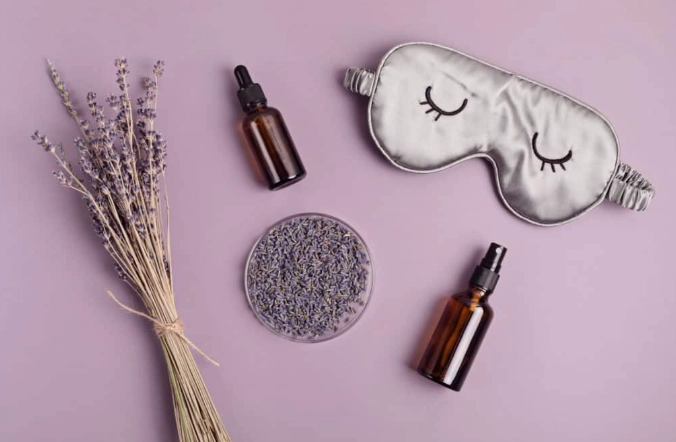
| Remedy | What It Is / How It Might Work | Typical Dose & Timing | The Good & The Not-So-Good |
|---|---|---|---|
| Melatonin | A hormone your body makes to regulate sleep-wake cycles. Supplementing tells your brain "it's night time." | 0.5mg - 3mg, 30-60 mins before bed. Start low! | Good: Excellent for jet lag, shift work, resetting a delayed cycle. Not-So-Good: Often over-dosed. Can cause grogginess, vivid dreams. Not a sedative; it's a timing signal. |
| Magnesium | A crucial mineral many are deficient in. It helps relax muscles and calm the nervous system. Glycinate or bisglycinate forms are best for sleep. | 200-400 mg of elemental magnesium, 1-2 hours before bed. | Good: Can improve sleep quality, especially if deficient. May help with restless legs. Not-So-Good: Can cause digestive upset (choose glycinate to avoid). Effects can be subtle. |
| Valerian Root | An herb used for centuries. May increase levels of GABA, a calming neurotransmitter. | 300-600 mg extract, 30-60 mins before bed. | Good: Some studies show it helps people fall asleep faster. Not-So-Good: Smells like old socks (seriously). Effects can take 2-4 weeks of consistent use. Not for everyone. |
| Chamomile | A gentle herb, often as a tea. Contains apigenin, an antioxidant that may bind to certain brain receptors promoting sleepiness. | 1-2 cups of strong tea, about 45 mins before bed. | Good: Very safe, pleasant ritual, calming for mild anxiety. Not-So-Good: Effects are mild. It's a nudge, not a push. |
| L-Theanine | An amino acid found in green tea. Promotes relaxation without drowsiness. | 100-200 mg, can be taken in the evening or even during the day for anxiety. | Good: Great for calming a racing mind. Can be combined with other remedies. Not-So-Good: Doesn't directly cause sleepiness, just creates a relaxed state. |
My personal stack? I cycle between magnesium glycinate (almost nightly) and occasionally a tiny dose of melatonin (0.5mg) if my schedule has gotten messed up. I found valerian didn't do much for me except make my room smell funny, but I know people who swear by it.
A Word on CBD: It's the wild west out there. While some people report fantastic results for sleep and anxiety, the research is still early, product quality is inconsistent, and it can interact with many medications. If you're curious, do your homework, buy from reputable, third-party tested companies, and consult your doctor. It's not a first-line natural sleep remedy I'd casually recommend.
Foods That Help (and Hurt) Your Sleep
You are what you eat, and you sleep how you eat too. A heavy, greasy meal right before bed? Your digestive system will be working overtime, keeping you up. Spicy food? Hello, heartburn. But some foods can gently encourage sleep.
- The Tryptophan Trick: Foods like turkey, milk, nuts, and seeds contain tryptophan, an amino acid used to make serotonin and melatonin. But eating a huge turkey dinner won't knock you out—the effect is subtle. A small snack combining tryptophan with carbs (like a few almonds and a banana) might help.
- Tart Cherry Juice: This one has some interesting research. Tart cherries are a natural source of melatonin. A small glass in the evening might offer a mild benefit.
- The Caffeine & Alcohol Trap: This is the big one. Caffeine's half-life is about 5-6 hours. That 3 PM coffee? Half of it is still in your system at 8 PM. As for alcohol—it might make you pass out, but it absolutely wrecks sleep architecture, suppressing deep REM sleep and often causing mid-night awakenings. It's a sleep thief in disguise.
Mind & Body Techniques: The Software Updates
Sometimes, the problem isn't in your pill bottle or your pantry; it's in your headspace. These are powerful, free natural remedies for adult sleep problems that target stress and anxiety directly.
Breathing Your Way to Calm
When you're anxious, your breathing becomes shallow and rapid. Taking deliberate control of it tells your nervous system to stand down. The 4-7-8 method is famous for a reason: inhale quietly through your nose for 4 counts, hold for 7 counts, exhale completely through your mouth for 8 counts. Repeat 4 times. It feels silly at first, but it's surprisingly effective at quieting the mental noise.
Progressive Muscle Relaxation (PMR)
You lie in bed and systematically tense and then relax each muscle group, starting from your toes and working up to your face. It teaches you to recognize the difference between tension and relaxation, and by the end, your body feels heavy and calm. You can find guided versions all over YouTube or apps like Insight Timer.
Mindfulness & Meditation (No, You Don't Have to Clear Your Mind)
The goal isn't to stop thinking. It's to notice your thoughts ("oh, there's the work worry again") and gently let them go without getting tangled in them, while focusing on your breath or body sensations. Even 10 minutes a day can lower overall stress, making it easier to disengage at night. Apps like Headspace or Calm have specific sleep-focused meditations and "sleep stories" that are incredibly popular.
I was a huge skeptic about meditation. It felt like doing nothing. But committing to a short, 5-minute guided practice before bed made a noticeable difference in how quickly my mind settled. It's like a brain brush-off.
The National Center for Complementary and Integrative Health (NCCIH), part of the U.S. National Institutes of Health, provides excellent, science-based overviews of many complementary approaches, including relaxation techniques and some dietary supplements. It's a fantastic resource to check if you want to dive deeper into the research behind these practices.
Putting It All Together & Answering Your Questions
So, you've got a menu of options. Where do you start? Don't try to change everything at once. That's a recipe for burnout.
Week 1-2: Focus solely on the foundation. Lock down a consistent bedtime/wake time (even on weekends), improve your bedroom environment, and establish a 30-minute wind-down ritual. No supplements yet. See if this alone moves the needle.
Week 3-4: If you need more, pick ONE supplement to try from the table above. Start at the lowest dose and give it a solid 2-3 weeks to assess. Be a scientist of your own sleep. Keep a simple log: bedtime, wake time, how you felt falling asleep, and how you feel in the morning.
Ongoing: Experiment with a mind-body technique like the 4-7-8 breathing or a short bedtime meditation. See what resonates.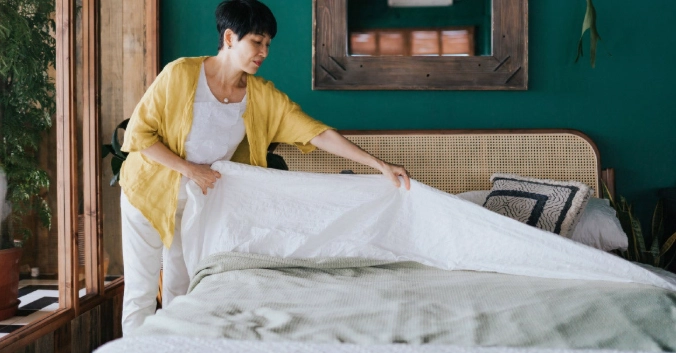
Your Questions on Natural Sleep Remedies for Adults, Answered
How long do these natural sleep remedies take to work?
It totally depends. Good sleep hygiene (light, routine, environment) can show benefits within a few days to a week. Supplements like valerian may take a few weeks, while melatonin can work the first night for circadian issues. Mind-body practices get more effective with consistency. Patience is key—you're retraining a system, not flipping a switch.
Are there any side effects to natural sleep aids?
Absolutely. "Natural" doesn't mean "side-effect free." Melatonin can cause grogginess or vivid dreams. Valerian can give some people headaches or dizziness. Magnesium can cause loose stools if you take too much or use the wrong form. This is why starting low, going slow, and talking to a professional is so important.
Can I combine different natural remedies?
Sometimes, but you must be cautious. Combining a calming herb like valerian with a prescription sedative could be dangerous. A common and generally safe combo is magnesium with L-theanine, as they work on different pathways. When in doubt, ask a pharmacist or doctor. Don't just throw a bunch of supplements together hoping for the best.
What's the single most effective thing I can do?
If I had to pick one, it's managing light exposure. Getting morning sunlight and avoiding bright/blue light in the evening is the most direct way to strengthen your body's innate sleep drive. It's free, it's simple, and it impacts everything else.
Where can I find reliable information on supplements?
Look for third-party testing seals on bottles (like USP, NSF, or ConsumerLab.com). For unbiased research summaries, the NIH's Office of Dietary Supplements and the previously mentioned NCCIH are invaluable, authoritative resources. They have no products to sell.
The Long Game: Building Sleep Resilience
Chasing the perfect night's sleep can become its own source of anxiety. You lie there thinking, "I must sleep now," which is the least sleepy thought imaginable.
The real goal of exploring natural sleep remedies for adults isn't perfection. It's building resilience. It's having a toolkit of habits and supports so that when life gets stressful, or you have a bad night, you don't spiral. You know how to gently guide yourself back.
Some nights will still be bad. That's normal. That's human. The trick is not letting one bad night turn into a bad week through worry and frantic experimentation.
Start small. Pick one thing from this guide that feels manageable—maybe it's buying blackout curtains, maybe it's trying a chamomile tea ritual, maybe it's just committing to a 10-minute phone curfew. Build from there.
Sleep isn't just a passive state you fall into. It's a process you can learn to nurture. And sometimes, the most natural remedy of all is a little more self-compassion and a little less clock-watching pressure.
Reader Comments