Quick Guide
Let's be honest. We've all been there. You're lying in bed, staring at the ceiling, mind racing about that work email you forgot to send or that awkward thing you said five years ago. The clock ticks past 2 AM, and you just know tomorrow is going to be a struggle. You've probably googled "sleep tips" more times than you can count, read a dozen articles, and maybe even tried counting sheep (does that ever work for anyone?).
I used to be a terrible sleeper. I'd binge-watch shows until my eyes burned, then wonder why I felt like a zombie. I thought my nightcap of wine was helping me unwind. Spoiler: it wasn't. The truth about good sleep isn't found in one magic trick. It's a bunch of small, consistent habits that add up. This guide isn't about quick fixes. It's about building a sleep lifestyle that works, based on what science actually says, mixed with some hard-won personal experience.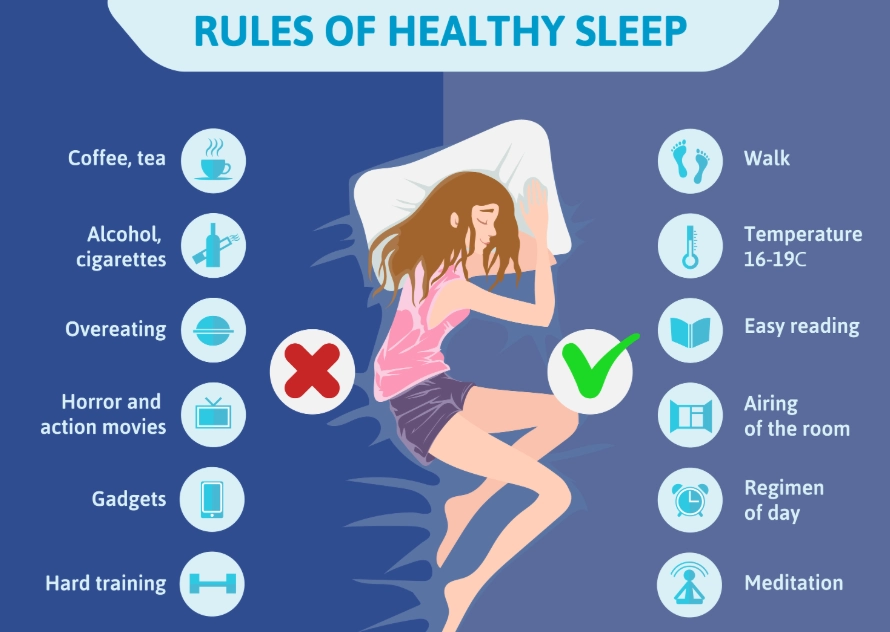
Your Sleep Sanctuary: It's More Than Just a Mattress
Think of your bedroom not just as a room with a bed, but as a cave designed for one purpose: sleep. Sounds dramatic, but your environment is the foundation. If it's working against you, even the best relaxation technique will struggle.
Darkness is Non-Negotiable
Even tiny amounts of light, especially blue light, can mess with your melatonin production. Melatonin is your body's "it's bedtime" hormone. Streetlights, charging LEDs, a crack under the door – they all count.
- Blackout curtains are a game-changer. I resisted for years, thinking they were ugly. Now, I won't sleep without them. The difference in how deeply I sleep is noticeable.
- Cover or move all electronic LEDs. Tape works in a pinch.
- Consider a comfortable sleep mask. It feels weird at first, but it's a cheap and effective solution, especially for travel.
The Temperature Sweet Spot
This one is crucial. Your core body temperature needs to drop to initiate sleep. A room that's too warm prevents this.
Most sleep experts, including those at the National Sleep Foundation, agree the ideal range is between 60-67°F (15.5-19.5°C). I run hot, so I'm at the lower end of that. My partner piles on blankets. Find what works for you, but err on the cooler side.
Sound and Silence
Total silence can be unsettling for some. Sudden noises (sirens, snoring partners, creaky houses) are definitely disruptive.
Here’s a quick breakdown of common sound solutions:
| Solution | Best For | Potential Drawback |
|---|---|---|
| White Noise Machine | Masking inconsistent, jarring noises. | Can be a dependency; traveling without it. |
| Fan | Cheap, provides both noise and cooling. | Can dry out the air; needs cleaning. |
| Earplugs | Total block-out of partner snoring or street noise. | Can feel uncomfortable; might sleep through alarms. |
| Calming Sound Apps (rain, waves) | People who find monotone white noise boring. | Loops can become noticeable; requires a device. |
I use a simple fan year-round. The consistent hum is my brain's off-switch.
Crafting a Bedtime Routine That Doesn't Feel Like a Chore
A routine signals to your brain that the workday is over and rest mode is beginning. It's about transitioning, not just collapsing into bed. The goal is to lower your nervous system from "fight-or-flight" (sympathetic) to "rest-and-digest" (parasympathetic).
The Digital Sunset
This is the hardest one for most people, myself included. Screens are our work, our social life, our entertainment. But that blue light is a powerful signal to your brain that says "SUN! BE AWAKE!"
Try putting all devices away 60 minutes before your target sleep time. I know, it sounds impossible. Start with 30 minutes. Read a physical book (not a thriller!), listen to a podcast (with the screen off), do some gentle stretching, or just talk to someone in your house.
Wind-Down Activities That Actually Work
You need to replace screen time with something. Here are a few evidence-backed sleep tips for winding down:
- Light Reading: Fiction is better than non-fiction. It engages your imagination differently.
- Gentle Yoga or Stretching: Focus on slow, deep breathing. No intense flows. Think child's pose, gentle twists, forward folds.
- Journaling: The classic "brain dump." Write down tomorrow's to-do list so it's out of your head. Or jot down a few things you're grateful for. Gratitude journaling before bed can surprisingly calm an anxious mind.
- A Warm Bath or Shower: This isn't just about being clean. The rise and subsequent drop in your core body temperature after you get out mimics the natural drop needed for sleep. It's like giving your body a head start.
My routine? I put my phone on its charger in another room at 9:30 PM. I make a cup of caffeine-free tea (chamomile or tart cherry, which has natural melatonin), read for 20-30 minutes, and do 5 minutes of very simple stretches on the floor. It's not glamorous, but it works.
Daytime Habits: What You Do When You're Awake Determines How You Sleep
This is where most basic sleep tips articles stop. But your daytime choices set your biological clock, or circadian rhythm.
Morning Light is Your Anchor
Getting bright, natural light in your eyes within an hour of waking is arguably the most powerful thing you can do for your sleep. It resets your internal clock, telling it clearly, "Day has begun." This makes it easier for your brain to produce melatonin at the right time, roughly 14-16 hours later.
Go outside for 10-15 minutes. Don't just sit by a window—glass filters out much of the beneficial light spectrum. Walk the dog, have your coffee on the porch, or just stand outside. On gloomy days, a bright light therapy lamp can help.
Exercise, But Time It Right
Regular exercise is fantastic for sleep quality and duration. It reduces stress, tires the body, and regulates hormones. However, timing matters.
Vigorous exercise too close to bedtime can be over-stimulating for some people, raising core temperature and adrenaline. A good rule of thumb is to finish intense workouts at least 3 hours before bed. That said, gentle evening movement like walking or yoga can be part of a wind-down.
Listen to your body. If a late gym session leaves you wired, shift it to the morning or afternoon.
Caffeine and Alcohol: The Sleep Saboteurs
Let's talk about the two biggest culprits.
Caffeine has a half-life of about 5-6 hours. That means if you have a coffee at 4 PM, half the caffeine is still in your system at 9-10 PM. For people who are sensitive, it can be a quarter-life of 12 hours! It not only makes it harder to fall asleep but also fragments the deep, restorative stages of sleep. Consider a 1 PM cutoff as a starting experiment.
Alcohol. This is the big misconception. Yes, a drink might make you feel sleepy and help you fall asleep faster. But it's a sedative, not a sleep aid. As your body metabolizes it, it causes sleep fragmentation, reduces REM sleep (the dreaming stage crucial for memory and mood), and can lead to mid-night awakenings. It also relaxes throat muscles, worsening snoring and sleep apnea.
That "nightcap" might be the reason you wake up at 3 AM feeling anxious.
Food, Drink, and Supplements
A heavy, rich, or spicy meal right before bed forces your digestive system to work overtime when it should be winding down. This can cause discomfort, acid reflux, and raise your core temperature. Aim to finish your last large meal 2-3 hours before bedtime.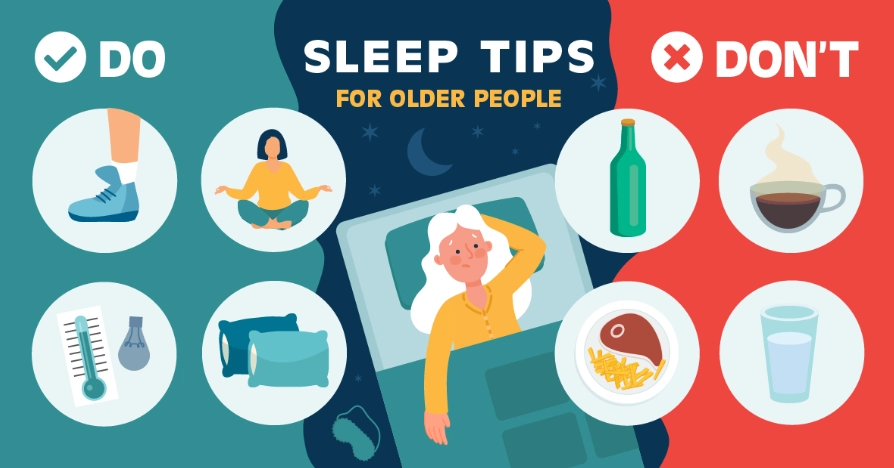
If you need a small snack before bed, opt for something that combines a little protein with complex carbs. Think a small bowl of oatmeal, a banana with a spoonful of almond butter, or some yogurt. These can help stabilize blood sugar and provide tryptophan, a precursor to melatonin.
The Supplement Aisle: What's Worth It?
This is a minefield. Always talk to a doctor before starting any supplement.
- Melatonin: It's a hormone, not an herb. It's most effective for shifting circadian rhythms (like jet lag or shift work) or for people with diagnosed deficiencies. It's not a general "sleeping pill." Taking it randomly or at the wrong time can backfire. The doses sold in the US (often 5-10mg) are much higher than what the body produces naturally (about 0.3mg). Less is often more.
- Magnesium: Many people are mildly deficient. Magnesium glycinate is known for its calming properties and can help with muscle relaxation and anxiety. This is one I've personally found helpful for that "restless leg" feeling.
- Valerian Root, Chamomile, Lavender: These herbal remedies have mild sedative effects for some people. The evidence is mixed, but they are generally considered safe. A cup of chamomile tea is more about the ritual of a warm, caffeine-free drink than a potent drug.
What to Do When You're Stuck in Bed Awake
So you've done everything right, and you're still staring at the clock. Now what? The worst thing you can do is stay in bed getting frustrated. You start to associate your bed with anxiety and wakefulness.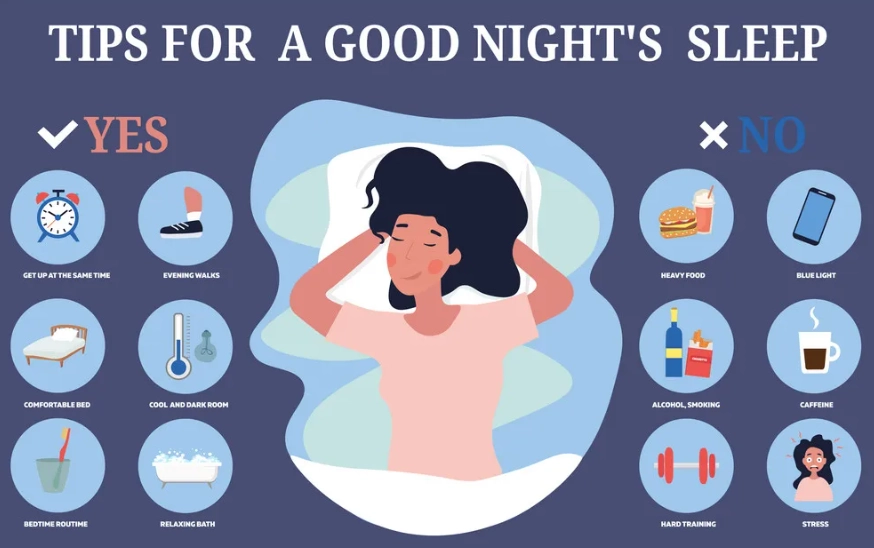
The 20-Minute Rule: If you haven't fallen asleep after about 20 minutes (don't clock-watch, just estimate), get out of bed. Go to another dimly lit room. Do something boring. Read a physical book (avoid screens), listen to calm music, or do a simple puzzle. Do not check work email, scroll social media, or start cleaning the kitchen. The goal is boredom, not engagement.
Only return to bed when you feel sleepy again. This helps break the cycle of anxiety. It's annoying, but it works. Resources from the Centers for Disease Control and Prevention (CDC) reinforce this concept of keeping the bed for sleep (and sex) only.
Common Sleep Questions, Answered
Let's tackle some specific things people search for.
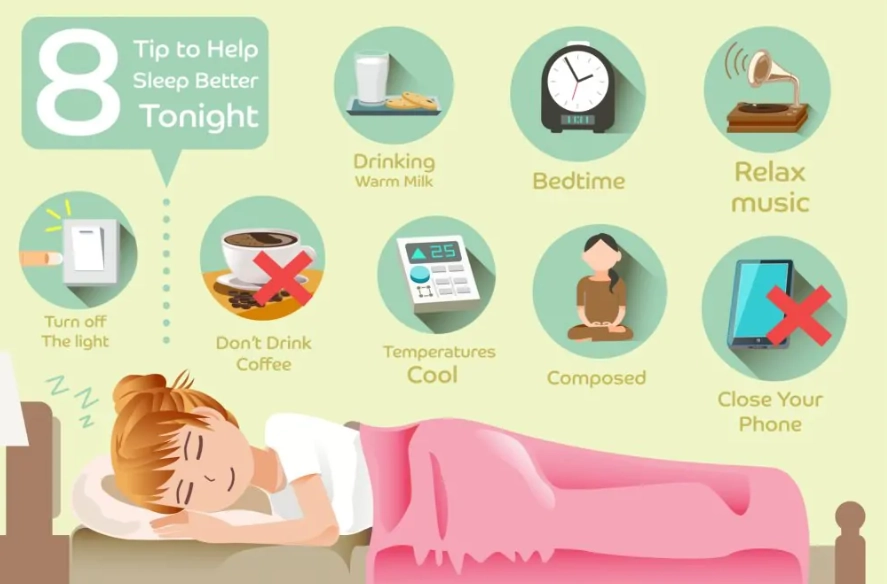
Good sleep isn't a luxury. It's the foundation of your physical health, mental clarity, and emotional resilience. Investing in it is one of the best things you can do for every other aspect of your life. Start tonight. Turn down the thermostat, put the phone away, and give yourself permission to rest.
Reader Comments