Quick Navigation
- So, What Exactly Is the 15 Minute Rule for Insomnia?
- Why Lying There "Trying" to Sleep Is the Worst Thing You Can Do
- How to Actually Do the 15 Minute Rule: A Step-by-Step Walkthrough
- The Science Behind the Rule: It's Not Just Folk Wisdom
- How Does This Compare to Other Common Advice?
- Frequently Asked Questions About the 15 Minute Rule
- Common Pitfalls and How to Avoid Them
- Pairing the 15 Minute Rule with Other Good Sleep Hygiene
- When to Seek Professional Help
- The Bottom Line: It's Worth the Effort
You know the feeling all too well. The clock glows in the darkness, each minute ticking by with agonizing slowness. You've been lying there for what feels like hours, your mind racing from tomorrow's to-do list to that awkward thing you said five years ago. The bed, which should be a sanctuary, has become a prison of frustration. If this sounds familiar, you're not just having a bad night—you're likely grappling with insomnia. And that's where a simple, powerful concept comes in: the 15 minute rule for insomnia.
I remember first hearing about it. I was skeptical. How could getting out of my warm bed possibly help me sleep? It sounded like the opposite of what I should do. But after weeks of my own 3 AM stare-downs with the ceiling, I was desperate enough to try anything. Let me tell you, understanding what the 15 minute rule for insomnia is and actually doing it are two different things. The first few nights were rough. But something shifted. And that's what I want to share with you—not just the textbook definition, but the real, messy, human way it works.
So, What Exactly Is the 15 Minute Rule for Insomnia?
At its core, the 15 minute rule is a behavioral strategy designed to break the toxic association between your bed and wakefulness. It's a cornerstone technique often used in Cognitive Behavioral Therapy for Insomnia (CBT-I), which is widely considered the gold standard non-drug treatment. The rule itself is deceptively simple:
The Official Rule: If you find yourself lying in bed awake for more than approximately 15-20 minutes (without feeling sleepy), you should get out of bed. Go to another room and do a quiet, relaxing, and non-stimulating activity until you feel drowsy. Then, return to bed to try again. Repeat as necessary throughout the night.
That's it. That's the basic premise. But if we stop there, we miss the entire point. The magic isn't in the act of getting up; it's in the why. You see, the rule isn't about punishing you for not sleeping. It's about retraining your brain. Every minute you spend lying in bed frustrated, anxious, and awake teaches your brain a dangerous lesson: "Bed is a place for worrying and being alert." The 15 minute rule for insomnia actively works to undo that lesson and replace it with a new one: "Bed is for sleep (and sex). Period."
Think of it like this. If you sat at your kitchen table every day trying to work but just ended up staring at your laptop feeling stressed, you'd eventually start to dread that table. Your brain would link the location with frustration. The solution? You'd get up and take a break, reset, and only return to the table when you're ready to focus. Your bed is no different. The 15 minute rule is that reset button for your sleep system.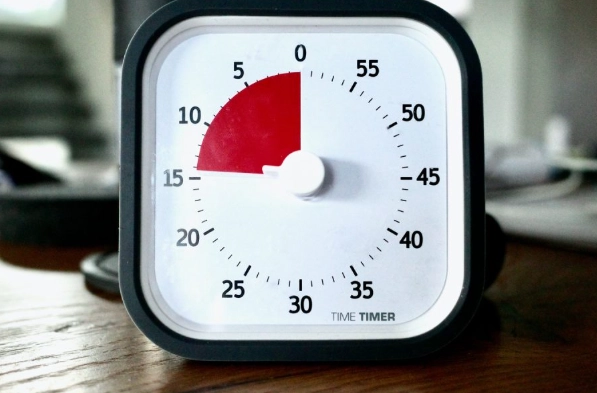
Why Lying There "Trying" to Sleep Is the Worst Thing You Can Do
This is the part that trips most people up. Our instinct is to think, "If I just stay still and keep my eyes closed, sleep will eventually come." It feels logical. It feels passive. It feels like we're at least trying. But for someone with insomnia, this is often the primary fuel for the fire.
Staying in bed while wide awake creates what sleep experts call conditioned arousal. You're conditioning, or training, your body and mind to be alert in the very environment meant for rest. The anxiety about not sleeping builds ("Oh no, it's been 30 minutes, I'm still awake! I'm going to be a wreck tomorrow!"). This anxiety releases stress hormones like cortisol, which is basically adrenaline's cousin—the exact opposite chemical state you need for sleep. It's a vicious cycle: worry prevents sleep, lack of sleep causes more worry.
The 15 minute rule for insomnia is designed to be a circuit breaker. It interrupts that cycle of frustration before it has a chance to solidify into a full-blown panic. By removing yourself from the situation, you give your nervous system a chance to calm down. You stop the mental tally of lost sleep minutes. You change the channel.
How to Actually Do the 15 Minute Rule: A Step-by-Step Walkthrough
Knowing what the 15 minute rule for insomnia is one thing. Doing it correctly is another. Let's break it down into actionable steps, because the devil (and the success) is in the details.
Step 1: The 15-Minute Decision Point
You get into bed with the intention to sleep. Time passes. How do you know when 15-20 minutes have gone by? Do not watch the clock. Staring at the clock is a surefire way to increase anxiety. The goal is to estimate. If you feel like you've been lying there awake for a solid chunk of time (roughly a quarter of an hour) and sleep feels nowhere near, that's your cue. The time is a guideline, not a prison sentence. If you're feeling intensely frustrated after 10 minutes, it's okay to get up. If you're feeling calm and drifting after 25 minutes, stay put.
Step 2: The Graceful Exit
When you hit that decision point, get out of bed. Do it calmly and deliberately. Don't huff and puff and storm out. Just quietly swing your legs over the side and stand up. This isn't a punishment; it's a strategic retreat.
Step 3: The Critical "What To Do" Activity
This is the most important part. Go to another room if possible. Dim the lights. Under no circumstances should you turn on bright lights or look at screens. The blue light from phones, tablets, and TVs is like a signal to your brain's internal clock that says, "Wake up! It's morning!" It suppresses melatonin, the hormone that makes you sleepy.
So what can you do? You need activities that are monotonous, mildly boring, and relaxing. The goal is to induce drowsiness, not engagement.
- Read a physical book or magazine (nothing too thrilling).
- Listen to a calming podcast or audiobook at low volume.
- Do some gentle stretching or breathing exercises.
- Knitting, coloring, or simple puzzles.
- Sit quietly and practice mindfulness—just noticing your breath or the sounds in the room.
What you should NOT do: Check work emails, scroll social media, watch an exciting show, start cleaning the kitchen, have a stressful conversation, or eat a large snack. These are all stimulating.
Step 4: The Return to Bed
Stay up until you feel sleepy. You'll know the feeling—your eyelids get heavy, your thoughts start to wander, you might yawn. Don't wait until you're about to fall asleep on the couch. The goal is to feel sleepy, not exhausted. Once that drowsiness arrives, go back to bed. If sleep doesn't come within another 15-20 minutes, repeat the process. Yes, you might have to do this several times in one night, especially at first. It's normal, and it's part of the retraining.
A word of caution: The 15 minute rule for insomnia can be frustrating initially. You might feel like you're getting less sleep because you're spending time out of bed. That's a short-term effect. The long-term gain is breaking the cycle and consolidating your sleep drive, so you fall asleep faster and stay asleep longer. Stick with it for at least two weeks before judging its effectiveness.
The Science Behind the Rule: It's Not Just Folk Wisdom
You might be wondering if this is just another internet sleep hack. It's not. The efficacy of stimulus control therapy, which the 15 minute rule is a key part of, is backed by decades of research. Organizations like the American Academy of Sleep Medicine (AASM) and the American Psychological Association endorse CBT-I, which includes this technique, as a first-line treatment for chronic insomnia.
The logic is rooted in classical conditioning, the same concept Ivan Pavlov demonstrated with his dogs. In insomnia, the bed (the neutral stimulus) becomes associated with anxiety and wakefulness (the conditioned response) instead of sleep. The 15 minute rule works to extinguish that bad association. By consistently leaving the bed when not sleepy, you stop reinforcing the link between bed and wakefulness. Simultaneously, you only return when sleepy, which begins to re-pair the bed with the desired response: sleepiness and, eventually, sleep.
Research consistently shows that this method helps people fall asleep faster, reduce nighttime wakefulness, and decrease sleep-related anxiety. It's not a quick fix; it's a re-education program for your brain's sleep habits.
How Does This Compare to Other Common Advice?
You've probably heard all sorts of tips. Let's see how the 15 minute rule stacks up against some common, but often less effective, strategies people try.
| Common Sleep Strategy | How It Usually Works (or Doesn't) | Why the 15 Minute Rule Is Different |
|---|---|---|
| "Just lie there with your eyes closed." | Often leads to increased frustration, clock-watching, and conditioned arousal. Teaches the brain bed is for wakefulness. | Actively breaks the association by removing the stimulus (the bed) when awake. Retrains the brain. |
| Counting sheep or trying to "clear your mind." | Can become another source of performance anxiety ("I'm not clearing my mind well enough!"). Effortful. | Shifts focus externally to a boring activity, reducing mental effort and pressure to sleep. |
| Getting on your phone to distract yourself. | Blue light suppresses melatonin. Engaging content stimulates the mind. Likely makes you more awake. | Mandates low-light, non-screen activities that promote mental boredom and physical relaxation. |
| Taking a sleeping pill every night. | Can be effective short-term but risks dependency, tolerance, and side effects. Doesn't address the underlying behavioral cause. | A non-pharmacological, behavioral intervention that addresses the root cause of conditioned insomnia. |
| Getting up and starting your day at 3 AM. | Completely throws off your circadian rhythm. Teaches your body that 3 AM is an acceptable wake time. | The goal is not to start your day, but to induce sleepiness and return to bed, preserving the sleep window. |
See the difference? The other strategies often involve more struggle in the bed or actions that are counterproductive. The 15 minute rule is about a strategic, calm disengagement.
Frequently Asked Questions About the 15 Minute Rule
I've gotten a lot of questions about this over the years. Here are the big ones.
What if I can't fall back asleep after getting up?
This is the most common fear. The answer is: you keep following the rule. Stay up doing your boring activity until sleepiness returns. It might take 30 minutes, 45 minutes, or even an hour. The point is to preserve the association. Even if you only get a few hours of sleep that night, you are investing in future nights by strengthening the "bed = sleep" connection. It's a rough night, but it's not a wasted night if you're following the protocol.
Is the 15 minute rule for insomnia safe for everyone?
For most adults, yes. However, you need to be cautious about safety when getting up in the dark. Use a small, dim nightlight to navigate. If you have mobility issues or a condition that makes getting up at night dangerous, you can adapt the rule. Instead of getting out of bed, sit up in bed and do a very boring activity (like listening to a dull audiobook with eyes closed) until sleepy, then lie back down. The principle of disengaging from the struggle is the same.
How long until I see results?
Don't expect miracles on night one. In fact, the first week can sometimes feel worse as your body adjusts. Most people start noticing a change within 1-2 weeks of consistent practice. Full benefits, where falling asleep becomes easier and more automatic, often take 4-6 weeks. Consistency is key. You have to do it every time, even on weekends.
Does this work for waking up in the middle of the night?
Absolutely. This is where I use it most often. The rule applies identically to middle-of-the-night awakenings. If you wake up and can't return to sleep within about 15-20 minutes, get up and follow the same protocol. This prevents you from spending hours in the "half-awake, half-asleep frustrated zone."
What if my partner is sleeping next to me?
This is a practical challenge. Communicate with your partner about what you're doing. Explain that the quiet exit and return is part of a program to help you sleep better, which will benefit both of you in the long run. Use a very dim light (like a salt lamp or a light under the bed) if needed. Choose silent activities like listening to an audiobook with headphones or mindful breathing.
Common Pitfalls and How to Avoid Them
I've messed this up myself, so learn from my mistakes.
Pitfall 1: Using a Bright Screen. This is the #1 killer of the rule's effectiveness. The glow of your phone is a siren song promising distraction, but it's sabotaging you. If you must use a device, get an e-reader with a front light that is not blue-based, or use blue light blocking software set to its warmest, dimmest setting—though a physical book is still king.
Pitfall 2: Doing Something Too Interesting. I once decided to organize my photo albums during a 2 AM wake-up. Bad idea. I got engrossed and was up for two hours. The activity should be so boring that sleep seems like a more attractive option.
Pitfall 3: Getting Angry About It. "This stupid rule isn't working! I'm so tired!" That anger is just another form of arousal. Try to adopt a neutral, almost scientific attitude. "My data indicates I am awake. Protocol dictates a relocation. Executing now." Detach the emotion.
Pitfall 4: Giving Up After a Few Nights. Your brain's habits didn't form in three days, and they won't rewire in three days. Commit to a minimum trial of two solid weeks.
Pairing the 15 Minute Rule with Other Good Sleep Hygiene
The 15 minute rule for insomnia is powerful, but it works best as part of a overall sleep-friendly lifestyle. Think of it as the star player on a team. It needs support.
- Consistent Schedule: Wake up at the same time every day, even weekends. This is arguably more important than a consistent bedtime for regulating your clock.
- Wind-Down Routine: Have 60 minutes of screen-free, relaxing activity before bed. Read, take a warm bath, listen to music.
- Bedroom Environment: Cool, dark, and quiet. Consider blackout curtains and a white noise machine.
- Limit Caffeine & Alcohol: No caffeine after noon. Alcohol might make you drowsy initially, but it fragments sleep later in the night.
- Daylight Exposure: Get bright natural light, especially in the morning, to strengthen your circadian rhythm.
When you combine these practices with the 15 minute rule, you're attacking insomnia from multiple angles: behavior, environment, and biology.
When to Seek Professional Help
The 15 minute rule is a fantastic tool for what's called psychophysiological insomnia—essentially, insomnia driven by worry and bad habits where the main problem is trouble falling or staying asleep despite having the opportunity. However, insomnia can be a symptom of other issues.
If you consistently practice good sleep hygiene and the 15 minute rule for insomnia for several weeks with no improvement, or if your sleeplessness is accompanied by loud snoring, gasping for air, severe daytime sleepiness, leg jerks, or overwhelming anxiety/depression, it's time to see a doctor or a sleep specialist. Underlying conditions like sleep apnea, restless legs syndrome, or clinical anxiety need to be addressed directly. You can find a certified sleep specialist through the American Academy of Sleep Medicine's accredited center directory.
For many, a structured CBT-I program with a therapist yields the best results, as they can tailor the approach (including the timing of the 15 minute rule) to your specific patterns. The U.S. Department of Veterans Affairs, which treats a high population with insomnia, has excellent, evidence-based public resources on CBT-I that anyone can access.
The Bottom Line: It's Worth the Effort
Learning what the 15 minute rule for insomnia is and implementing it is an act of self-kindness. It's you deciding to stop fighting your bed and start working with your biology. It's not always easy. Some nights you'll feel like you're playing a bizarre game of musical chairs with your own bedroom.
But when it starts to work—when you find yourself drifting off without that familiar claw of anxiety, or falling back asleep quickly after a brief wake-up—it feels like a small miracle. You reclaim your night. Your bed becomes a place of rest again, not a battleground.
So tonight, if you find yourself wide awake past that 15-minute mark, remember the rule. Get up. Be boring. Be patient. Be consistent. Your sleep is worth retraining.
Reader Comments