Quick Navigation
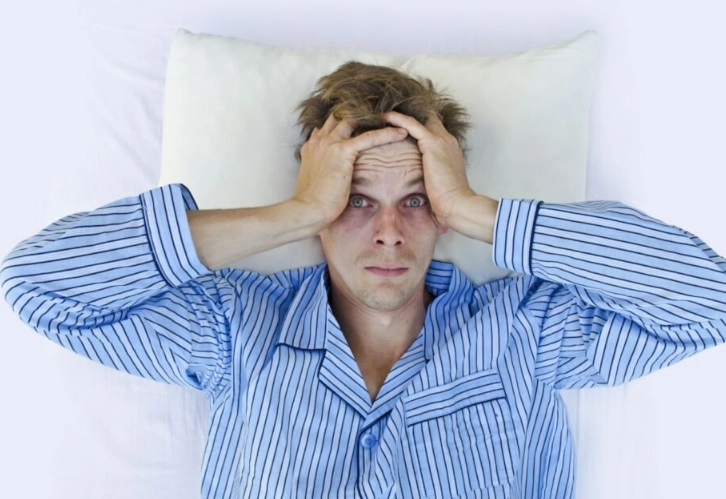
You know the feeling. You finally drag yourself out of bed after a terrible night's sleep, stumble to the bathroom, look in the mirror, and… ugh. Your eyes are staring back at you, all red and irritated. It's like they're broadcasting your exhaustion to the world. Not a great look for that morning meeting or just facing the day.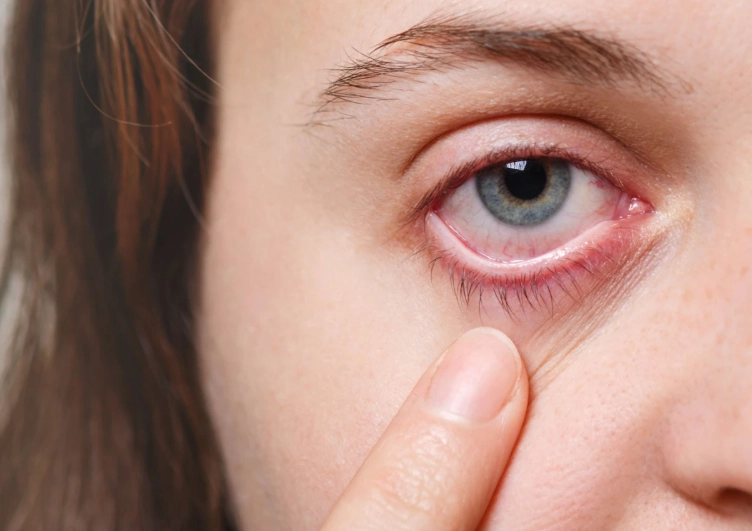
If you're searching for how to fix red eyes from lack of sleep, you've landed in the right spot. This isn't just a list of quick hacks. We're going to dig into why this happens in the first place, what you can do right now for relief, and—more importantly—how to stop it from becoming a recurring nightmare. Because let's be honest, covering it up with eye drops every day gets old fast.
Key Takeaway First: Red eyes from sleep deprivation are usually a combo act. It's not just being tired. It's about your eyes not getting the rest and repair time they need overnight, leading to dryness, inflamed blood vessels, and a weakened defense system. Fixing it means addressing both the symptom and the root cause.
Why Does Lack of Sleep Turn Your Eyes Red?
Before we jump into solutions, it helps to know your enemy. Understanding the "why" makes the "how to fix" part make a lot more sense. Think of your eyes as needing a nightly reboot. Sleep is their maintenance window.
When you short-change them on sleep, several things go wrong simultaneously:
- Reduced Lubrication: While you're asleep, your eyes are closed and busy producing restorative tears and oils to keep the surface moist and smooth. Skimp on sleep, and this production line gets disrupted. You wake up with dry, gritty-feeling eyes that are more prone to irritation. The American Academy of Ophthalmology notes that adequate sleep is part of overall eye health, as it allows for proper tear film renewal.
- Blood Vessel Dilation: This is the classic "red" you see. When your eyes are dry, irritated, or strained, the tiny blood vessels in the conjunctiva (the clear membrane covering the white part) dilate or expand to bring more blood flow and oxygen to the rescue. More blood flow equals more visible redness.
- Increased Inflammation: Sleep is when your body, including your ocular surface, tackles inflammation. Chronic poor sleep throws your body's inflammatory responses out of whack. This can make your eyes more susceptible to looking and feeling inflamed.
- Eye Strain Amplification: Ever notice your eyes feel worse after a sleepy day staring at screens? Tired eyes have weaker focusing muscles. They struggle more, leading to digital eye strain, which compounds the dryness and redness. It's a vicious cycle.
So when you're figuring out how to fix red eyes from lack of sleep, you're really tackling a multi-system failure: lubrication, circulation, and inflammation.
Immediate Relief: How to Fix Red Eyes from Lack of Sleep Today
Okay, you're in a pinch. You need those eyes looking less like a horror movie prop and more human, fast. Here’s your action plan for immediate relief. These are the bandaids—effective, but temporary if the underlying sleep issue isn't addressed.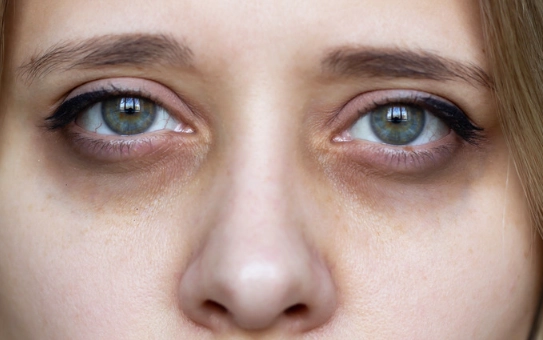
The Quick Fix Toolkit
Keep this stuff on hand, especially if sleepless nights are a frequent battle.
| Method | How It Works | Pro Tip / Watch Out |
|---|---|---|
| Artificial Tears (Lubricating Eye Drops) | Replenishes moisture, soothes dryness, and can temporarily "rinse away" redness by improving eye surface health. Look for "lubricating" or "artificial tears" not "redness reliever." | Go Preservative-Free: If you use them more than 4 times a day, get the little single-use vials. Preservatives in multi-use bottles can irritate with frequent use. My personal favorite are the ones in the tiny individual tubes. |
| Cool Compress | Constricts (tightens) the surface blood vessels, reducing redness and puffiness. Also feels incredibly soothing. | Use a clean cloth soaked in cool water, or a gel mask kept in the fridge. 10-15 minutes is perfect. Don't use ice directly on your eyelid. |
| Warm Compress | If your eyes feel more gritty and dry than purely red, warmth can help unclog the meibomian glands (tiny oil glands on your eyelids) and improve tear quality. | Try this if cool isn't cutting it. A warm, not hot, washcloth for 5-10 minutes. You might be surprised. |
| Hydrate, Hydrate, Hydrate | Dehydration from poor sleep makes everything worse, including dry eyes. Your whole body needs water to function. | Drink a big glass of water first thing. Skip the extra coffee for now—caffeine can be dehydrating. |
| Blink Consciously | We blink less when tired or staring at screens. Full, deliberate blinks spread fresh tears across the eye. | Set a 20-minute timer. Look away from your screen and do 10 slow, purposeful blinks. It's dorky but works. |
A Word on "Redness Relief" Drops (The Visine-type): I'm not a fan for chronic issues. They work by constricting blood vessels with chemicals like tetrahydrozoline. The problem? The redness often comes back worse (rebound redness) once the effect wears off because your vessels overcompensate. They're a last-resort, occasional-use tool, not a daily fix for sleep-related red eyes. Relying on them can mask more serious problems.
What about cucumbers? They're mostly just a cool, shaped compress. If it feels good, go for it, but a clean cloth works just as well and is less messy.
The Real Solution: Long-Term Strategies to Prevent Sleep-Deprivation Red Eyes
This is the part most guides gloss over. Truly knowing how to fix red eyes from lack of sleep means fixing the lack of sleep part. Otherwise, you're just putting out the same fire every morning.
Fix Your Sleep Hygiene (Yes, It Matters)
Sleep hygiene isn't about being clean. It's about creating an environment and routine that signals to your brain: "Hey, it's time to power down." The Sleep Foundation has tons of science-backed tips, but here's the eye-health focused version.
- Protect Your Pre-Sleep Hour: No phones, tablets, or laptops. The blue light suppresses melatonin (your sleep hormone) and keeps your brain—and eyes—in "daytime" mode. Try reading a physical book or listening to a podcast in a dark room instead.
- Make Your Room a Cave: Dark, cool, and quiet. Use blackout curtains. Even a small amount of light can disrupt sleep quality. For your eyes, complete darkness means total rest.
- Establish a Wind-Down Ritual: A consistent 30-minute routine tells your body what's coming. This could be light stretching, a warm (caffeine-free) tea, and maybe a few minutes of a cool compress on your eyes. It's a double win—relaxing and directly soothing your eyes.
Daytime Habits for Healthier Eyes (Even When Tired)
These habits build resilience so that when you do have an occasional bad night, your eyes don't revolt as dramatically.
- The 20-20-20 Rule is Non-Negotiable: Every 20 minutes, look at something 20 feet away for at least 20 seconds. This resets your focusing muscles and encourages blinking. Set a sticky note on your monitor.
- Optimize Your Workspace: Position your computer screen so the top is at or slightly below eye level. This encourages a slight downward gaze, which exposes less of your eye surface to the air and reduces tear evaporation. Increase font size if you're squinting.
- Consider a Humidifier: Dry air from heating or AC sucks moisture from everywhere, including your eyes. A small humidifier by your desk or bed can make a noticeable difference, especially in winter.
- Diet Matters for Eye Health: Omega-3 fatty acids (found in fish, flaxseeds, walnuts) can support healthy tear production. Staying hydrated with water, not just coffee or soda, is crucial.
See, the goal isn't just to learn how to fix red eyes from lack of sleep once. It's to build habits that make your eyes less likely to freak out when life inevitably interrupts your sleep.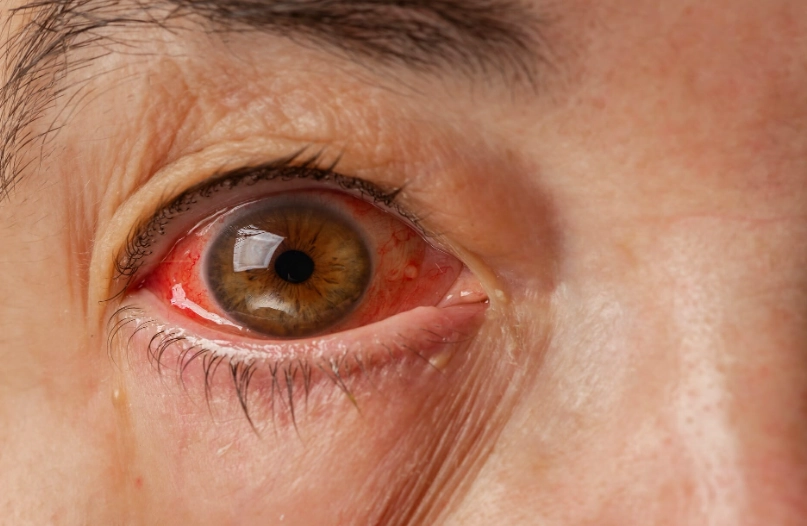
When Is It More Than Just Sleep? Signs You Should See a Doctor
Most sleep-related redness is harmless and clears up with better rest and some TLC. But sometimes, red eyes can signal something else. Don't play doctor if you have:
- Severe pain or a feeling that something is stuck in your eye.
- Light sensitivity so bad you want to stay in a dark room.
- Blurry vision that doesn't clear up with blinking.
- Green or yellow discharge – that's often a sign of infection.
- Redness that lasts for more than a week despite improving your sleep and using lubricating drops.
Conditions like blepharitis (inflamed eyelids), chronic dry eye disease, or allergies can mimic or be worsened by poor sleep. An optometrist or ophthalmologist can give you a proper diagnosis. I put off seeing one for years about my gritty eyes, assuming it was just screens and sleep. Turns out I had mild blepharitis, and a simple daily eyelid cleaning routine made a world of difference. Don't be like past me.
Putting It All Together: Your Action Plan
Let's wrap this up with a simple, no-fluff checklist. Think of this as your personalized guide on how to fix red eyes from lack of sleep.
For Immediate Relief (The Morning Of):
1. Splash face with cool water.
2. Apply a cool compress for 10 minutes.
3. Use preservative-free lubricating eye drops.
4. Drink a large glass of water.
5. Be mindful of blinking, especially if heading to screens.
For Long-Term Prevention & Eye Health:
1. Protect Your Sleep: Dark, cool room. No screens before bed. Consistent schedule.
2. Practice Smart Screen Use: 20-20-20 rule. Proper screen height. Blink!
3. Support Your Eyes: Stay hydrated, consider omega-3s, use a humidifier in dry spaces.
4. Listen to Your Body: If redness is persistent, painful, or comes with vision changes, see an eye doctor.
The bottom line?
Learning how to fix red eyes from lack of sleep is a two-part mission. Part one is giving your eyes the urgent care they need with compresses and the right kind of drops. Part two, the more important part, is giving your whole body—eyes included—the deep, restorative sleep it craves. You can't cheat sleep forever without it showing up somewhere, and for many of us, our eyes are the first to protest.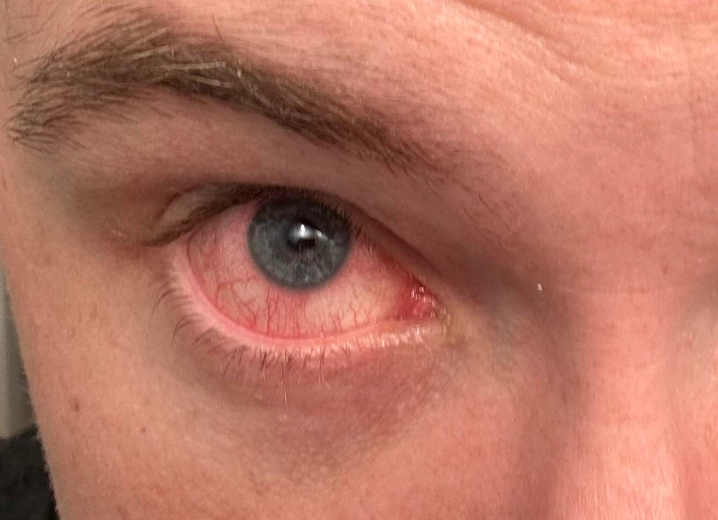
Start with one or two changes. Maybe tonight, you charge your phone outside the bedroom. Or tomorrow at work, you set a timer for the 20-20-20 rule. Small steps build the habits that lead to clearer, brighter, healthier eyes, even on those days when you don't get your full eight hours.
Reader Comments