Quick Guide
- What Does "Strongest" Even Mean for a Natural Sleep Aid?
- The Top Contenders: Breaking Down the Strongest Natural Sleep Aids
- How to Choose Your Strongest Natural Sleep Aid
- The Non-Negotiable Foundation: Sleep Hygiene
- Common Questions (And Straight Answers)
- Putting It All Together: A Realistic Action Plan
Let's be honest. When you're searching for the strongest natural sleep aid, you're not just curious. You're probably tired—really tired. You've tried counting sheep, maybe some chamomile tea, and you're still staring at the ceiling at 3 AM. The promise of a "natural" solution feels safer than prescription pills, but you also need something that actually works. You want results.
The problem with the term "strongest" is that it's not one-size-fits-all. What works like a charm for your friend might do nothing for you. Strength here isn't just about knocking you out; it's about effectiveness, safety, and how well it addresses your specific type of sleeplessness. Is it trouble falling asleep, staying asleep, or waking up too early? The answer changes the game.
This guide isn't about pushing a single miracle pill. It's about digging into the real science and real-world experiences behind the top contenders. We'll look at what makes a natural sleep aid strong, compare the heavy hitters, and talk about how to use them smartly. Because the strongest natural sleep aid for you is the one that fits your life and your biology.
What Does "Strongest" Even Mean for a Natural Sleep Aid?
Before we dive into the list, we need to define our terms. In the world of natural supplements, "strong" can mean a few different things.
For some, it's about raw sedative power—how quickly and firmly it helps you drift off. For others, strength is about improving the quality of sleep, leading to more deep sleep and less tossing and turning. For many, the most crucial strength is a clean safety profile with minimal side effects or grogginess the next day (the dreaded "sleep hangover").
I remember trying a valerian root extract that was supposedly very potent. It did make me sleepy, but the earthy smell was so strong it was almost distracting. For me, that compromised its strength as a practical option. Strength is subjective.
We also have to consider the science. A strong natural sleep aid should have credible research backing its use for sleep, even if the mechanisms aren't fully understood. It's the difference between an old wives' tale and an evidence-based option.
The Top Contenders: Breaking Down the Strongest Natural Sleep Aids
Here’s a detailed look at the most discussed and researched natural substances for sleep. Think of this as your field guide.
Melatonin: The Sleep Cycle Regulator
Melatonin is often the first thing people try, and for good reason. It's not a sedative. Your body makes it naturally to signal to your brain that it's time for sleep. Taking it as a supplement is like giving your internal clock a clear, strong nudge.
Why it's considered strong: Its strength lies in its specific, physiological role. It's exceptionally effective for circadian rhythm issues. Think jet lag, shift work sleep disorder, or delayed sleep phase syndrome (where you're a night owl who needs to become a morning lark). The National Center for Complementary and Integrative Health (NCCIH) notes its established use for these conditions.
But here's the catch many miss: dosage. More is not better. Studies often use doses between 0.5 mg to 3 mg. Taking 10 mg might make you feel groggy and can disrupt your own production. Its strength is best harnessed at low doses, taken 30-60 minutes before bed, especially if your schedule is out of whack.
Is it the strongest natural sleep aid for general insomnia? Not always. If your problem isn't about timing but about anxiety or pain keeping you up, melatonin might feel weak.
Valerian Root: The Traditional Heavy Hitter
Valerian has been used for centuries, and it's often labeled as "nature's Valium." That's a bit of an overstatement, but it points to its reputation as a potent relaxant. It's thought to increase levels of a calming neurotransmitter called GABA in the brain.
The research on valerian is mixed, which frustrates a lot of people. Some studies show significant improvement in sleep quality and time to fall asleep, while others show little effect. This inconsistency might be due to differences in the plant's compounds, extraction methods, or the specific sleep issues of the study participants.
It's generally considered safe for short-term use (a few weeks), but it can take a week or two of consistent use to feel the full effects. Don't expect a miracle on night one.
Magnesium: The Mineral Deficiency Fixer
Magnesium is an unsung hero. It's a cofactor in over 300 enzymatic reactions in the body, many involved in relaxation. It regulates melatonin, binds to GABA receptors, and helps relax muscles. A lot of people are mildly deficient, especially if their diet is low in leafy greens, nuts, and seeds.
Its strength as a sleep aid often comes from correcting a subtle deficiency. If your restless legs or general physical tension are keeping you awake, supplementing with magnesium glycinate or citrate can be a game-changer. It's not usually a powerful sedative on its own, but it creates the physiological conditions for sleep to happen naturally.
The Office of Dietary Supplements provides detailed information on magnesium's roles. For sleep, doses around 200-400 mg of elemental magnesium taken before bed are common. Start low to avoid digestive upset.
Glycine: The Brain-Cooling Amino Acid
Glycine is fascinating. It's an amino acid that acts as an inhibitory neurotransmitter. Studies have shown that taking 3 grams before bed can significantly lower core body temperature—a key signal for sleep onset—and improve sleep quality and morning alertness.
Its strength is subtle but noticeable. Users often report falling asleep more easily and feeling more refreshed, not drugged, in the morning. It's one of those supplements where you might not feel a dramatic "sleepy" feeling, but you simply wake up and realize you slept better. It's also very safe with a good tolerability profile.
L-Theanine: The Anxiety Quietener
Found in green tea, L-theanine promotes relaxation without drowsiness. It boosts alpha brain waves (associated with relaxed alertness) and increases GABA, serotonin, and dopamine. For people whose "strongest natural sleep aid" needs are centered around a racing mind or anxiety, L-theanine can be incredibly powerful.
It's often taken during the day to take the edge off stress, which then sets the stage for better sleep at night. Taking 100-200 mg 30-60 minutes before bed can help quiet the mental chatter that prevents sleep onset. It pairs beautifully with other aids.
Passionflower & Hops: The Synergistic Pair
Often found together in sleep blends, passionflower and hops (yes, the beer plant) have mild sedative effects. Passionflower is thought to boost GABA, while hops contain a compound that acts as a gentle sedative. On their own, they might be considered mild to moderate. But their strength often comes from synergy—they seem to work better together, and they combine well with valerian or magnesium.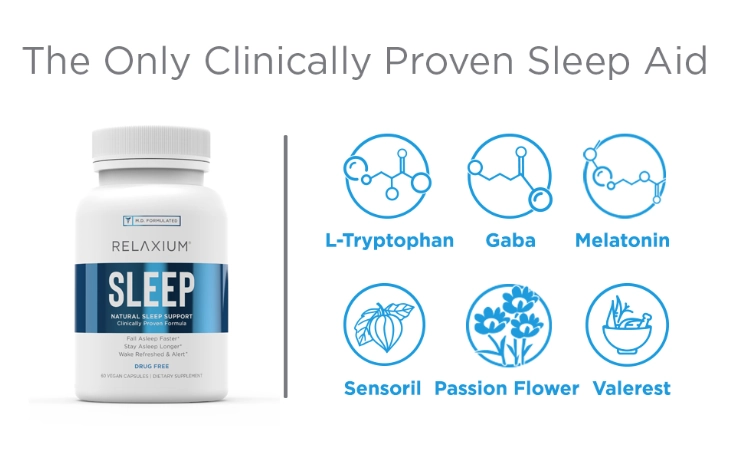
They are excellent examples of how the strongest natural sleep aid strategy isn't always about a single, high-dose ingredient, but a thoughtful combination.
| Natural Aid | Primary Mechanism / Best For | Typical Dose (Before Bed) | Notable Considerations |
|---|---|---|---|
| Melatonin | Resetting sleep-wake cycle (Jet lag, shift work) | 0.5 mg - 3 mg | Low dose is key; not a general sedative. |
| Valerian Root | GABA enhancement, general relaxation | 300-600 mg extract | Effects may build over 1-2 weeks; distinctive odor. |
| Magnesium Glycinate | Muscle relaxation, cofactor for sleep processes | 200-400 mg elemental Mg | Can help if deficient; glycinate form is well-absorbed. |
| Glycine | Lowers core body temperature, improves sleep quality | 3 grams | Promotes refreshment; minimal side effects. |
| L-Theanine | Promotes calm, reduces anxiety-related insomnia | 100-200 mg | Relaxing but not sedating; good for daytime anxiety. |
| Passionflower & Hops | Mild GABAergic/sedative effects; synergy | Varies (often in blends) | Frequently combined; gentle option. |
How to Choose Your Strongest Natural Sleep Aid
So, with all these options, how do you pick? Throwing a dart at the supplement shelf is a bad plan. Here’s a more strategic approach.
First, identify your main sleep thief.
- Can't turn off your brain? Look towards L-theanine, glycine, or a low-dose magnesium.
- Can't fall asleep because your schedule is messed up? Melatonin is your targeted tool.
- General tension, restlessness, waking up often? Valerian root, magnesium glycinate, or a passionflower blend might be stronger for you.
- Waking up unrefreshed? Glycine and magnesium are great for improving sleep architecture.
Second, think about safety and interactions. Just because it's natural doesn't mean it's harmless. Valerian can interact with some medications (like sedatives). Melatonin can affect blood sugar and blood pressure. The Mayo Clinic advises discussing any sleep supplement with your doctor, especially if you have health conditions or take other medications. This is non-negotiable.
A crucial point: The search for the strongest natural sleep aid can lead people to ignore the basics. No supplement can overcome terrible sleep habits. Using these aids should be part of a "sleep stack" that includes behavioral changes. Otherwise, you're just masking the problem.
The Power of Combination: Creating Your "Sleep Stack"
Rarely does one pill solve everything. The most effective, strongest natural sleep aid protocol is often a combination. This is where you can get personalized and powerful results.
For example, a classic and gentle stack for someone with anxiety-driven insomnia could be:
- L-Theanine (200 mg) + Magnesium Glycinate (200 mg) taken one hour before bed. The theanine calms the mind, the magnesium relaxes the body.
For someone dealing with shift work or jet lag:
- Melatonin (1 mg) + Glycine (3 g). The melatonin resets the clock, the glycine improves the quality of the sleep you do get.
For persistent sleep onset issues with physical restlessness:
- Valerian Root (500 mg) + Passionflower/Hops Blend. The synergistic effect can be stronger than either alone.
Start with one supplement at a time for a few nights to see how you react. Then, consider adding a second if needed. Give any combination at least a week to show its true effects.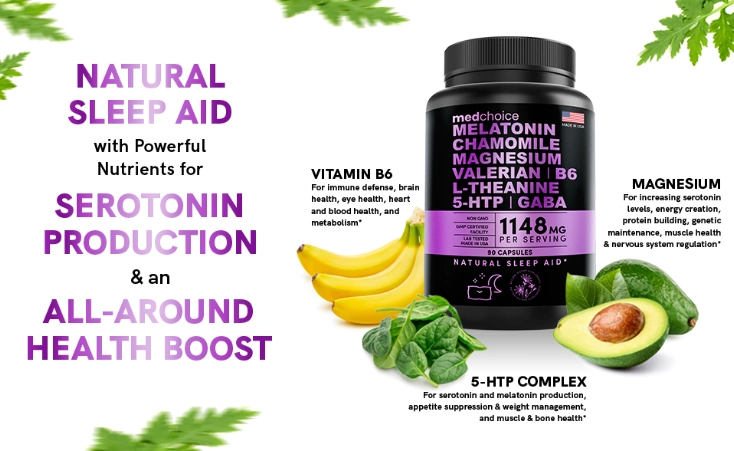
The Non-Negotiable Foundation: Sleep Hygiene
I have to be blunt here. If you're looking for the world's strongest natural sleep aid while scrolling through your phone in bed with bright overhead lights on, you're fighting a losing battle. Supplements are support acts, not the main headliner. The headliner is your behavior.
Good sleep hygiene is boring but powerful. It's about consistently telling your brain and body that it's time to wind down. The Sleep Foundation has excellent, evidence-based resources on this. Here’s the condensed version of what actually moves the needle:
- Light is your master clock. Get bright light (preferably sunlight) in the morning. Dim lights and avoid blue light (phones, tablets, TVs) for at least 60-90 minutes before bed. This is more powerful than most people realize.
- Keep it cool and dark. Your body needs to drop its temperature to sleep. A cool room (around 65°F or 18°C) and blackout curtains are a massive help.
- Create a wind-down ritual. This isn't woo-woo. It's classical conditioning. Do the same relaxing things every night: read a physical book (not a thriller!), listen to calm music, take a warm bath, do some gentle stretching. Your brain will start linking these activities with sleep.
- Be consistent, even on weekends. Waking up at roughly the same time every day is the single best way to anchor your circadian rhythm.
Common Questions (And Straight Answers)
Let's tackle some of the specific questions people have when searching for this topic.
Putting It All Together: A Realistic Action Plan
Finding your strongest natural sleep aid is a process, not an event. Here's a step-by-step plan that actually makes sense.
- Audit Your Sleep Hygiene First. Spend one week strictly following the basics: consistent wake time, no screens before bed, cool/dark room, wind-down routine. See what improves. This is your baseline.
- Identify Your Primary Symptom. Are you anxious? Restless? On a bad schedule? Unrefreshed? Pick one primary target.
- Choose One Initial Supplement. Based on your symptom, pick one from the table above. Start at the lower end of the dose range. Buy from a trustworthy brand that uses third-party testing (look for seals like USP, NSF, or ConsumerLab).
- Run a 2-Week Trial. Take it consistently. Keep your sleep hygiene perfect. Note any changes in a log.
- Evaluate and Iterate. After two weeks, ask: Is this working? If yes, great. If it's helping but not enough, consider adding a second, complementary supplement (e.g., adding magnesium to your L-theanine). If it did nothing, try a different supplement that targets your symptom via a different mechanism.
- Consult a Professional. If you've tried two or three approaches with no success, or if your sleep problems are severe and affecting your daily life, it's time to see a doctor or a sleep specialist. There might be an underlying condition (like sleep apnea or restless legs syndrome) that no over-the-counter aid can fix.
The journey to better sleep is personal. What's hailed as the strongest natural sleep aid in a headline might be useless for you, and that's okay. The goal is to become a detective of your own sleep, using evidence-based tools and patience. Start with the foundation, add support where needed, and give your body time to adjust. Here's to finding your own version of a strong, natural, and restful night.
Reader Comments