Quick Sleep Guide
You know that feeling when the alarm goes off and you just... don't want to move? Your brain is foggy, your body feels heavy, and hitting snooze seems like the only rational life choice. We've all been there. But then there are those other mornings. The ones where you wake up a minute before the alarm, your mind is clear, and you feel genuinely rested. That's the goal, right? That's what we're chasing when we search for quality of sleep examples.
But here's the thing. Talking about sleep quality can get abstract real fast. Experts throw around terms like "sleep architecture" and "restorative sleep," which, honestly, don't mean much when you're staring at the ceiling at 3 AM. I think we need to get practical. We need to talk about the real, tangible signs—the quality of sleep examples—that you can actually notice in your own life. Not just how many hours you clocked, but what happened during those hours and how you feel because of them.
So, let's ditch the textbook definitions for a minute. Instead of just telling you what good sleep is, I want to show you. We'll look at the before, during, and after. What does it look like to fall asleep easily? What happens in a night of truly restorative rest? And most importantly, what does it feel like to wake up from one? I'll share some things that worked for me, some that didn't (that overhyped sleep tea was a total dud), and we'll sort through the noise to find what actually matters.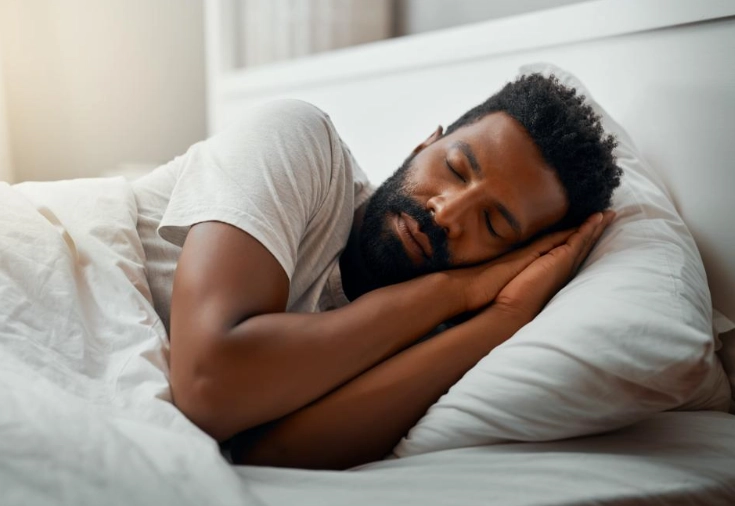
Spotting the Real-World Signs of a Great Night's Sleep
Okay, let's get specific. When researchers or doctors talk about sleep quality, they're usually looking at a few key things. But you don't need a sleep lab to be your own detective. You just need to know what to look for. Think of these as the tell-tale clues that you've had a good night.
The Ease of Falling Asleep
This is the first and most obvious quality of sleep example. It's not about collapsing into bed from exhaustion. That's different. A good example looks like this: you get into bed, maybe read a few pages of a book (the physical kind, not the phone kind), and within 15 to 20 minutes, you're drifting off. There's no frantic mental to-do list, no replaying that awkward conversation from 2012. Your body and mind agree it's time to shut down, and they do so relatively peacefully.
I used to be terrible at this. My head would hit the pillow and my brain would switch to "broadcast mode." What helped wasn't some magic trick; it was creating a dumb, simple buffer zone. No screens for 45 minutes before bed. Just dim lights, maybe some quiet music, and absolutely no checking work emails. It felt pointless at first, but after a week, the difference was startling. The process of falling asleep stopped being a battle.
What Happens During the Night (The Unseen Examples)
This is where we get into the stuff you might not consciously remember, but your body definitely does.
- Minimal Wake-Ups: Everyone wakes up briefly a few times a night—to roll over, adjust the blankets. The key is that in a high-quality sleep example, you fall back asleep within a few minutes, often without even fully remembering it. You don't lie awake for 30 minutes wondering about the meaning of life or your mortgage.
- Deep Sleep and Dream Sleep (REM): You can't feel these stages in the moment, but you see their effects. Deep sleep is when your body does its heaviest repair work. REM sleep is when your brain processes emotions and memories. A night with good quality sleep cycles through these stages smoothly, multiple times. You might even remember a vivid dream or two upon waking—a classic sign you hit solid REM cycles.
- Staying Asleep: You generally stay in your bed, in a sleep state, for the vast majority of the time you're there. You don't get up for multiple trips to the kitchen or wander the house.
How do you track this without gadgets? Pay attention to how fragmented your night feels. If you remember being awake a lot, that's a clue. If the night feels like one long, unbroken stretch (even if you know you shifted around), that's a great quality of sleep example.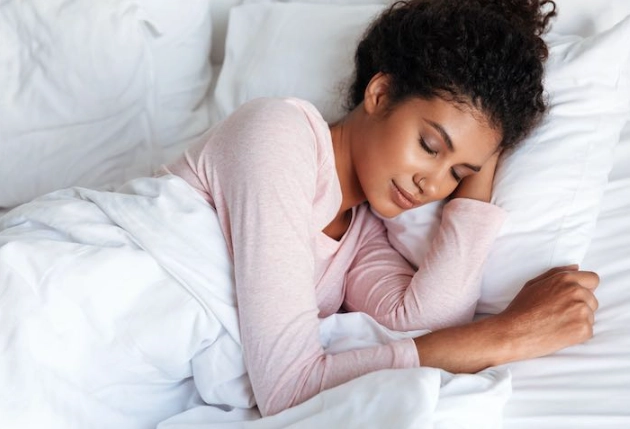
The Morning After: The Ultimate Test
This is the most important part. All those internal processes manifest in how you feel when your eyes open.
- Waking up feeling refreshed, not drained.
- Mental clarity from the get-go. The "brain fog" lifts quickly.
- Sustained energy throughout the morning without relying on caffeine crashes.
- A positive or neutral mood. You're not irritable or anxious first thing.
- Feeling physically restored. Minor aches from the day before are reduced.
Let's be real. We won't all wake up like Disney princesses every day. But on a good day, you should feel functional and ready within 15-30 minutes of waking. That's a practical, achievable example of sleep quality doing its job.
Now, contrast that with a poor sleep example: hitting snooze three times, needing two strong coffees to form a coherent sentence, feeling groggy until noon, and having a short fuse. We know that feeling all too well, don't we?
Building Your Own Quality Sleep: Actionable Examples and Habits
Knowing the signs is one thing. Creating them is another. This is where good sleep hygiene comes in. It's a fancy term for a simple concept: a set of habits that make good sleep more likely. Think of it as curating the conditions for those positive quality of sleep examples to show up.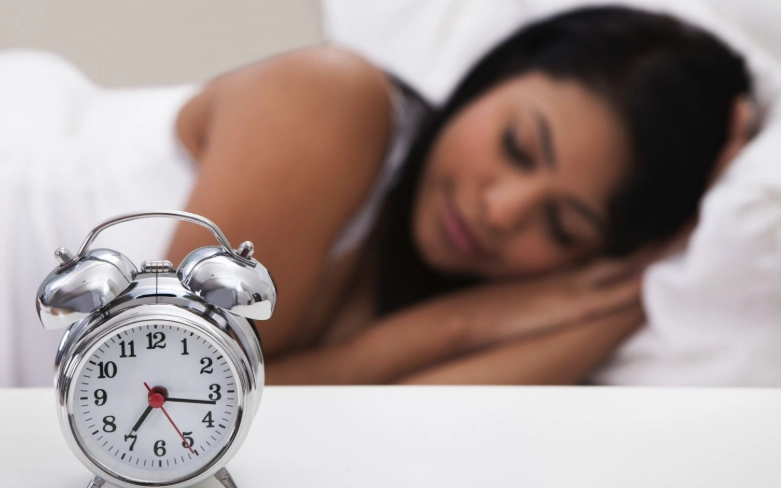
Crafting Your Sleep Environment: Your Personal Cave
Your bedroom should scream "sleep." Not literally, of course. But every element should support it.
- Darkness is Non-Negotiable: Even small amounts of light from streetlamps or electronics can disrupt your sleep cycle. Blackout curtains are a game-changer. I resisted them for years thinking they were overkill, but the first morning I slept past sunrise in total darkness was a revelation. If curtains aren't an option, a good sleep mask works wonders.
- Cool and Comfortable: Most people sleep best in a slightly cool room, around 65-68°F (18-20°C). Your body temperature naturally drops to initiate sleep, and a cool room supports that process. Get a thermostat you can control or use fans/breathable bedding.
- Quiet, or Consistent Sound: Sudden noises are the enemy. If you can't control noise (hello, city living or snoring partner), try white noise or a fan. It masks the jarring changes in sound.
- Reserve the Bed: This is a big one. Your brain should associate your bed with sleep (and intimacy), not work, stress, or endless scrolling. If you can't sleep after 20 minutes, get up and do something boring in dim light until you feel sleepy again. Retrain the association.
The Pre-Sleep Ritual: Winding Down Isn't Optional
You can't go from 100 mph to 0. Your brain needs a runway. A consistent, relaxing routine 30-60 minutes before bed signals that it's time to power down.
What does a good wind-down look like? Here are a few quality of sleep examples of rituals:
- Reading a physical book (not a thriller!).
- Taking a warm bath or shower (the drop in body temperature afterwards promotes sleepiness).
- Gentle stretching or yoga (nothing intense).
- Listening to calming music or a boring podcast.
- Writing down worries or tomorrow's tasks in a notebook to "close the tabs" in your mind.
The single most destructive habit? Bringing your phone to bed. The blue light suppresses melatonin (your sleep hormone), and the endless content keeps your mind engaged. Charge it in another room. I know it's hard. It felt like amputating a limb for the first week. But the improvement in my ability to fall asleep was one of the clearest quality of sleep examples I've ever created for myself.
Daytime Habits That Echo at Night
Sleep isn't just a nighttime event. What you do all day sets the stage.
| Habit | How It Helps Sleep Quality | Practical Tip |
|---|---|---|
| Morning Light Exposure | Resets your internal clock (circadian rhythm), making you sleepy at the right time later. | Get 15-30 minutes of natural light within an hour of waking. Walk the dog, have coffee outside. |
| Regular Exercise | Reduces stress, tires the body physically, and deepens sleep. Timing matters. | Aim for 30 mins most days. Finish intense workouts at least 3 hours before bed. |
| Caffeine Management | Caffeine has a long half-life. It can linger and fragment sleep even if you fall asleep. | Set a "caffeine curfew." For most, no coffee, tea, or soda after 2 PM. |
| Alcohol Awareness | While it may help you fall asleep, it severely disrupts the later sleep stages (REM). | Limit alcohol close to bedtime. It's not a sleep aid. |
| Evening Meal Timing | A heavy, late meal forces your digestive system to work, raising body temperature. | Try to finish eating 2-3 hours before bed. Opt for a lighter snack if needed. |
When Sleep Eludes You: Troubleshooting Common Disruptors
Even with great habits, sometimes sleep just doesn't cooperate. Let's look at some frequent culprits and what to do. These are the anti-examples, and fixing them can directly create those positive quality of sleep examples we want.
The Racing Mind
This is the classic. You're tired, but your brain won't shut up. The worst thing you can do is lie there getting more frustrated. Get up. Go to another room. Do something mindless and low-light: listen to a dull audiobook, knit, do a simple puzzle. The goal is to break the "bed = anxiety" association. Only return to bed when you feel sleepy. It feels counterintuitive to get up, but it works better than hours of frustrated tossing.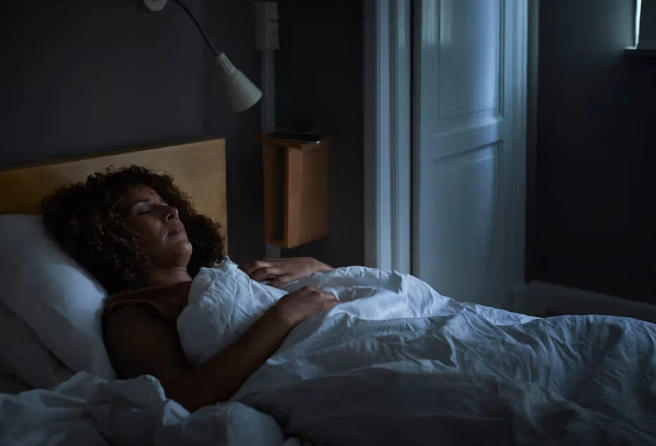
Stress and Anxiety
This is a bigger beast. Daily wind-down routines help, but sometimes you need to address the source. Journaling before bed can help dump worries onto paper. Practices like mindfulness or simple breathing exercises (try the 4-7-8 method: inhale 4, hold 7, exhale 8) can calm the nervous system. The National Center for Complementary and Integrative Health has good resources on evidence-based relaxation techniques.
Pain and Discomfort
Chronic pain is a brutal sleep thief. Beyond medical management, look at your sleep setup. Is your mattress old and sagging? Are your pillows providing proper support for your sleeping position? Sometimes an investment here pays off more than anything else. The CDC's sleep hygiene page also emphasizes the importance of a comfortable sleep environment for quality rest.
Your 7-Night Sleep Quality Challenge
Let's make this concrete. Try this for one week. Don't try to do everything at once. Pick one or two areas to focus on each night.
- Night 1 & 2: The Environment Audit. Make your room as dark, cool, and quiet as possible. Get blackout curtains, lower the thermostat, use earplugs or white noise.
- Night 3 & 4: The Digital Sunset. Implement a strict no-screens rule for 60 minutes before bed. Charge your phone outside the bedroom.
- Night 5 & 6: The Wind-Down. Create a 30-minute pre-sleep ritual. Read, take a bath, stretch, listen to music. Be consistent.
- Night 7: The Morning Review. On this final morning, don't jump out of bed. Lie there for a minute. How do you feel compared to a week ago? More clear? Less heavy? Jot down the difference.
The goal isn't perfection. It's noticing subtle shifts. Maybe you fall asleep 10 minutes faster. Maybe you only wake up once instead of three times. These small wins are the building blocks of better sleep. They are your personal quality of sleep examples in the making.
Questions You Might Still Have (FAQ)
I get 8 hours but still feel tired. Is that still a quality of sleep example?
Not necessarily. This is the crux of the issue. Duration is just one piece. You could be in bed for 9 hours but have fragmented, light sleep with little deep or REM sleep. The feeling of tiredness despite long hours is a classic sign that the *quality* is off. Focus on the habits that deepen sleep (consistent schedule, dark/cool room, managing caffeine/alcohol) rather than just trying to force more hours.
Are naps good or bad for nighttime sleep quality?
It depends. A short "power nap" of 20-30 minutes early in the afternoon can boost alertness without affecting night sleep. However, long naps (over an hour) or napping late in the day can make it harder to fall asleep at night, stealing from your sleep drive. If you struggle with insomnia at night, it's often best to avoid naps altogether to build a stronger sleep pressure for bedtime.
How long does it take to see improvement from better sleep habits?
Be patient. Your body's sleep-wake cycle is a robust rhythm. While you might notice slightly easier sleep onset in a few days, it can often take 2-3 weeks of consistent practice for the full benefits to solidify and for you to start racking up those good quality of sleep examples regularly. Don't give up after a few nights.
When should I talk to a doctor about my sleep?
If you've consistently practiced good sleep hygiene for a month and still have severe difficulties (taking over 30 minutes to fall asleep most nights, waking up constantly and unable to return to sleep, loud snoring with gasps/choking, or overwhelming daytime sleepiness that affects safety), it's time to see a professional. You could be dealing with a sleep disorder like insomnia, sleep apnea, or restless legs syndrome. The American Academy of Sleep Medicine is a good resource to find accredited sleep centers.
What about supplements like melatonin?
Melatonin is a hormone that regulates timing, not a sleeping pill. It can be helpful for specific issues like jet lag or shift work disorder, where your internal clock is misaligned. For general insomnia, the evidence is mixed. It's not a long-term solution. The NIH fact sheet on melatonin provides a balanced, science-based overview. Always talk to a doctor before starting any supplement.
Wrapping This Up
So, what have we learned? That searching for quality of sleep examples isn't about finding one perfect formula. It's about learning to recognize the language of your own rest. It's the feeling of drifting off without a fight. It's the solid, unbroken stretch of night. It's the morning where you open your eyes and think, "Okay, I can do this."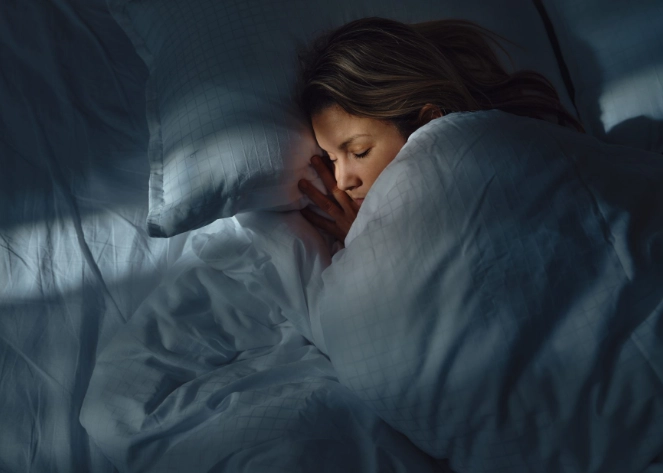
Improving sleep is a series of small, unsexy choices. It's choosing the book over the phone. It's walking away from the late-night snack. It's making your room a bit darker and a bit cooler. None of it is glamorous. But the payoff—waking up and actually feeling like yourself—is worth every bit of the effort.
Start small. Pick one thing from this article that resonated with you. Maybe it's the caffeine curfew. Maybe it's buying a decent sleep mask. Try it for a week. Pay attention. Your body will tell you if it's working. And soon, you'll have your own library of great quality of sleep examples to draw from, not because a website told you to, but because you lived them.
Sleep well.
Reader Comments