? 快速导览
You know that feeling. The alarm blares, and your body feels like it's made of lead. Your brain is foggy, coffee becomes a lifeline, and the day stretches ahead like a marathon you forgot to train for. Sound familiar? You're not alone. Millions of people are asking themselves, "What are the main causes of sleep deprivation?" every single morning. It's a frustrating puzzle, and the answer is rarely just one thing.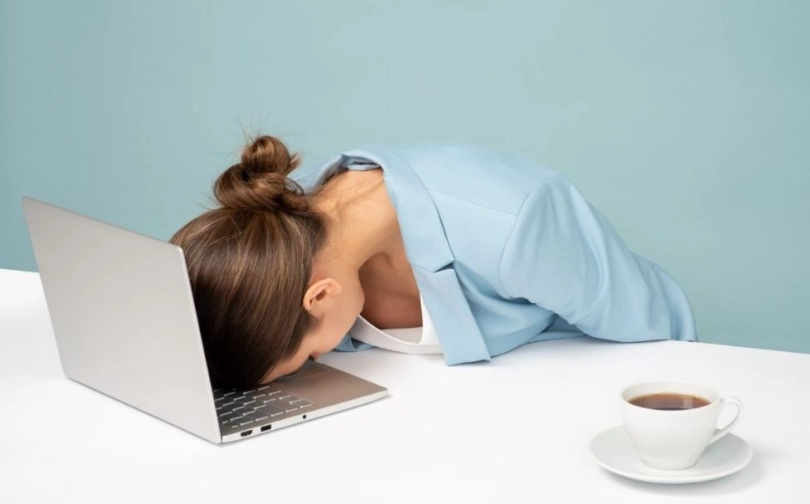
I've been there too—lying awake staring at the ceiling, mind racing while the clock ticks past 2 AM. It's miserable. And the advice out there can be so generic. "Just sleep more!" Thanks, genius. The truth is, understanding what are the main causes of sleep deprivation is the first, crucial step to fixing it. It's not about willpower; it's about untangling a web of factors that might be sabotaging your rest.
So, let's move past the cliches. We're going to dig into the real, often interconnected, reasons why sleep slips away. We'll look at the obvious culprits and the sneaky ones you might be missing. This isn't a quick-fix listicle; it's a deep dive to help you pinpoint your personal sleep thieves.
The Big Three Areas Where Sleep Goes to Die
When you boil it down, the main causes of sleep deprivation typically fall into three main buckets: your daily habits and choices, your mental and emotional state, and underlying physical or medical conditions. Most of us are dealing with a mix from the first two. The third one often requires a professional's eye. Let's break them open.
1. Lifestyle and Environmental Factors (The Usual Suspects)
This is where most people start looking. These causes are largely within our control, but that doesn't make them easy to fix in our always-on world.
Poor Sleep Hygiene: This is a fancy term for bad bedtime habits. It's the bedrock of many sleep problems. Think scrolling through your phone in bed (the blue light is a killer for your melatonin production), having an irregular sleep schedule (sleeping in till noon on weekends confuses your internal clock), or using your bed for work, eating, and binge-watching. Your brain stops associating the bed with sleep. The National Sleep Foundation has some great, no-nonsense guidelines on sleep hygiene that are worth a look.
Caffeine and Alcohol: The great deceivers. That afternoon latte might still be blocking sleep-promoting chemicals in your brain at 10 PM. And while alcohol might make you pass out, it absolutely butchers the quality of your sleep, fragmenting the later, restorative stages. You wake up feeling unrefreshed.
Work Schedule and Demands: Shift work is a biological nightmare, forcing you to sleep against your natural circadian rhythm. But even regular 9-to-5ers face the creep of work into the night. Answering emails from bed, thinking about tomorrow's presentation—it's a recipe for a hyper-aroused mind when you need it to be quiet.
Noise and Light Pollution: Your brain is wired to be alert to changes in its environment. A partner's snoring, traffic sounds, or even a streetlight peeking through your blinds can cause micro-awakenings you don't even remember, preventing deep, continuous sleep.
2. Psychological and Emotional Factors (The Mind Monsters)
This is where things get personal. Your mind can be your own worst enemy when it's time to power down.
Stress and Anxiety: The undisputed heavyweight champion of sleep disruption. When you're stressed, your body pumps out cortisol (the alertness hormone), which is basically the opposite of what you need for sleep. Your heart races, your mind spins with "what-ifs," and sleep feels impossible. It's a vicious cycle: you can't sleep because you're anxious, and you're anxious because you can't sleep. The American Psychological Association notes the strong bidirectional link between sleep and stress.
Depression: It doesn't just cause low mood; it profoundly dysregulates sleep architecture. Some people with depression sleep too much (hypersomnia), but many experience classic insomnia—trouble falling asleep, staying asleep, or waking far too early with a sense of dread.
Rumination and Overthinking: That specific type of anxious thought where you replay a past conversation or rehearse a future one on a loop. It's mental treadmill, and it's utterly incompatible with sleep onset.
3. Medical Conditions and Sleep Disorders (The Hidden Culprits)
Sometimes, the root cause isn't behavioral or psychological at all. It's medical. And this is why shrugging off long-term sleep problems can be a mistake.
Chronic Pain: Arthritis, back pain, fibromyalgia—pain makes it hard to find a comfortable position and wakes you up throughout the night. It's a direct, physical barrier to sleep.
Sleep Apnea: This is a big one that goes undiagnosed far too often. It's not just loud snoring. Sleep apnea causes you to stop breathing momentarily throughout the night, triggering your brain to jerk you awake to restart breathing. You might not remember these awakenings, but you'll feel utterly exhausted the next day. The Mayo Clinic provides a solid overview of the symptoms and causes of sleep apnea.
Restless Legs Syndrome (RLS): An irresistible, creepy-crawly urge to move your legs when you're trying to relax. It's intensely uncomfortable and can delay sleep for hours.
Other Conditions: Acid reflux (GERD), hyperthyroidism, asthma, and certain medications (like some for blood pressure, asthma, or depression) can all have sleep disruption as a major side effect.
To make sense of the common sleep disorders, here's a quick comparison. Understanding these can be a lightbulb moment if you see your own symptoms described.
| Sleep Disorder | Core Feature | Main Impact on Sleep |
|---|---|---|
| Insomnia | Persistent difficulty falling or staying asleep, despite the opportunity. | Reduces total sleep time; leads to non-restorative sleep. |
| Sleep Apnea | Repeated pauses in breathing during sleep. | Fragments sleep, prevents deep stages, causes hypoxia. |
| Restless Legs Syndrome (RLS) | Uncomfortable sensations & urge to move legs at rest. | Severely delays sleep onset. |
| Circadian Rhythm Disorders | Internal body clock is misaligned with day/night cycle. | Can't sleep at desired/needed times (e.g., shift work, delayed phase). |
Connecting the Dots: How These Causes Intertwine
It's rarely just one thing. A common chain might look like this: High work stress (psychological) leads you to drink more coffee to cope (lifestyle) and have a glass of wine to unwind at night (lifestyle again). The caffeine and alcohol wreck your sleep quality, so you wake up tired. Being tired makes you less able to handle stress the next day, and the cycle deepens. Maybe you even develop mild anxiety about sleep itself, which is a condition called psychophysiological insomnia.
Or, an undiagnosed medical condition like mild sleep apnea fragments your sleep. You wake up exhausted, so you become less active and maybe gain a little weight (which can worsen apnea). You rely on sugar and caffeine for energy, further disrupting your sleep at night.
So, What Can You Actually Do About It?
Figuring out what are the main causes of sleep deprivation for *you* is the diagnostic step. The action step is targeting them. You don't have to tackle everything at once. Start with the low-hanging fruit.
Audit Your Habits: Be brutally honest for one week. Track your caffeine (time and amount), alcohol, screen time before bed, and bedtime/waketime. The data doesn't lie. Even I was shocked when I did this—I was having tea much later than I thought.
Build a Wind-Down Ritual: Your brain needs a signal that work/alert time is over. This could be 30-60 minutes of reading a physical book (not a tablet!), light stretching, listening to calm music, or a warm shower. The goal is to lower your core body temperature and nervous system arousal.
Manage Light Exposure: Get bright light first thing in the morning to anchor your circadian rhythm. And dim the lights in the evening. Seriously, consider blue-light blocking glasses or night mode on your devices 2-3 hours before bed. The research from places like the National Institutes of Health shows how powerful light is for our circadian rhythms.
Address the Mental Game: If stress and anxiety are your main causes of sleep deprivation, behavioral techniques can help. Journaling before bed to "download" your worries onto paper can quiet the mental chatter. Simple mindfulness or deep breathing exercises (like the 4-7-8 technique) can directly calm the nervous system. It's not magic, it's physiology.
Know When to See a Doctor: This is crucial. If you've tried improving your sleep hygiene for a month with no real change, or if you suspect a medical issue (loud snoring, gasping for air, severe RLS, unrelenting pain), talk to your doctor. They might refer you to a sleep specialist for an evaluation. A sleep study can diagnose conditions like apnea definitively. Don't suffer for years thinking it's just "you."
Common Questions People Ask (The FAQ You Actually Need)
Let's tackle some of the specific questions that pop up when people are searching for the main causes of sleep deprivation.
Can my diet cause sleep deprivation?
Absolutely, and in more ways than just caffeine. A heavy, spicy, or fatty meal too close to bedtime can cause indigestion and discomfort. Going to bed overly hungry can also keep you awake. Blood sugar spikes and crashes from high-sugar foods can disrupt sleep later in the night. Aim for a light, balanced evening meal a few hours before bed.
Is "sleep debt" a real thing?
Yes, but it's a bit more nuanced than a simple bank account. Chronically getting less sleep than you need creates a cumulative deficit that impairs cognitive and physical function. You can pay it back, but sleeping in on the weekend ("catch-up sleep") only partially reverses the effects of a week of short sleep. It's better to think about your weekly sleep average. The CDC emphasizes that adults need 7+ hours per night on a regular basis for optimal health.
Why do I wake up at 3 AM every single night?
This classic "middle-of-the-night" insomnia is often tied to stress and anxiety. As your sleep cycle naturally lightens in the second half of the night, a slight noise, a thought, or a dip in blood sugar can wake you fully. Then, the anxiety about being awake kicks in, releasing cortisol and making it impossible to drift back off. It can also be a sign of depression or, in some cases, sleep apnea. If it's persistent, it's worth investigating.
Are sleep trackers helpful or harmful?
They can be a double-edged sword. They're great for spotting trends (e.g., you sleep worse on nights you have alcohol) and providing objective data. However, they can also fuel sleep anxiety ("orthosomnia")—where you become obsessed with achieving a perfect sleep score, which in itself causes stress and ruins sleep. Use them as a guide, not a gospel. If the data is making you more anxious, take a break from it.
Key Takeaways: Finding Your Sleep Thief
To truly answer "what are the main causes of sleep deprivation," you have to play detective in your own life. Look at your habits (caffeine, screens, schedule), your mind (stress, worry), and your body (pain, unusual symptoms). They usually work in teams. Start by fixing the obvious environmental and habit-based causes—it's often the fastest path to improvement. If that doesn't work, don't hesitate to look deeper into the psychological or medical realms with the help of a professional. Good sleep isn't a luxury; it's the foundation everything else is built on. And figuring out what's stealing yours is the first step to taking it back.
It's a journey, and it's not always linear. Some nights will still be bad, and that's okay. The goal is progress, not perfection. By understanding the landscape of sleep disruptors, you're no longer just a passive victim of tiredness. You have a map. Now you can start navigating your way back to better rest.
Reader Comments