Quick Guide
- The Big Three: A Quick Rundown of Your Main Options
- Breaking Down Each Position: The Good, The Bad, and The Achy
- So, What Is The Healthiest Sleep Position To Sleep In? Your Personal Decision Tree.
- Beyond the Pose: Your Pillow and Mattress Are Co-Stars
- How to Actually Change Your Sleep Position (It's Possible!)
- Common Questions People Forget to Ask
You know that feeling when you wake up with a stiff neck, a sore back, or just feeling like you got run over by a truck? I've been there more times than I care to admit. For years, I just crashed into bed without a second thought about how I was lying. It wasn't until a persistent ache in my lower back sent me down a rabbit hole of research that I finally asked the real question: what is the healthiest sleep position to sleep in? Turns out, it's not a one-size-fits-all answer. It's more like finding the right shoe—it depends on your feet, or in this case, your health.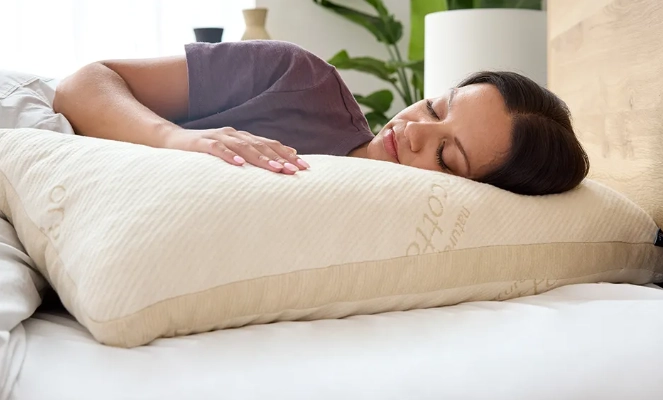
Some people swear by sleeping on their back, others curl up on their side like a baby, and a brave few (myself included, for a regrettable period) face-plant onto the mattress. Each position has a dramatic effect on your spine, your breathing, your digestion, and even your skin. Getting it wrong can lead to months of nagging pain. Getting it right can feel like a genuine life upgrade.
So, let's ditch the guesswork. This isn't about some trendy sleep hack. We're going to look at what the science and experts actually say about the healthiest sleep position to sleep in, why it matters for you specifically, and how you can actually train yourself to sleep better if your current pose is causing problems.
The Big Three: A Quick Rundown of Your Main Options
Before we dive deep, let's set the stage. When we talk about sleep positions, we're really talking about three main camps, with some variations in each. Here’s the super quick, no-fluff summary.
| Sleep Position | What It Looks Like | The Quick Verdict |
|---|---|---|
| Back Sleeping (Supine) | Lying flat on your back, face up. | Often called the "best" for spinal alignment, but terrible for snorers. |
| Side Sleeping (Lateral) | Curled on your left or right side. Fetal position is a variant. | The most popular and versatile. Great for snoring, acid reflux, and pregnancy. |
| Stomach Sleeping (Prone) | Lying face down. | Almost universally panned by experts. Hard on your neck and back. |
See? Already it's getting clearer. But that table is just the tip of the iceberg. To truly answer what is the healthiest sleep position to sleep in, we need to get personal. Your perfect position depends entirely on what your body is dealing with.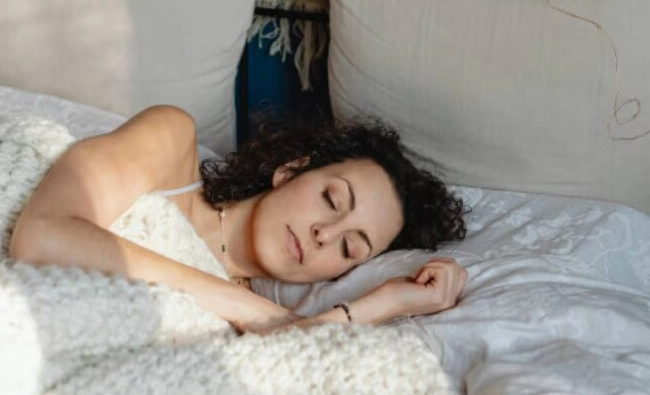
Breaking Down Each Position: The Good, The Bad, and The Achy
Back Sleeping (The Spine's Best Friend?)
Lying on your back is what most physical therapists and chiropractors get dreamy-eyed about. Why? It's all about even distribution. Your weight is spread across the broadest surface area, your head, neck, and spine can rest in a relatively neutral alignment. There's no major twisting or contorting.
The Pros: It's champion for spinal health. If you have neck or back pain, this is often the first position experts will recommend you try to adopt. It also keeps your face off the pillow, which dermatologists love—less wrinkling and skin irritation. No pillow-face in the morning! For acid reflux, it's okay if you elevate your head, but it's not the top choice.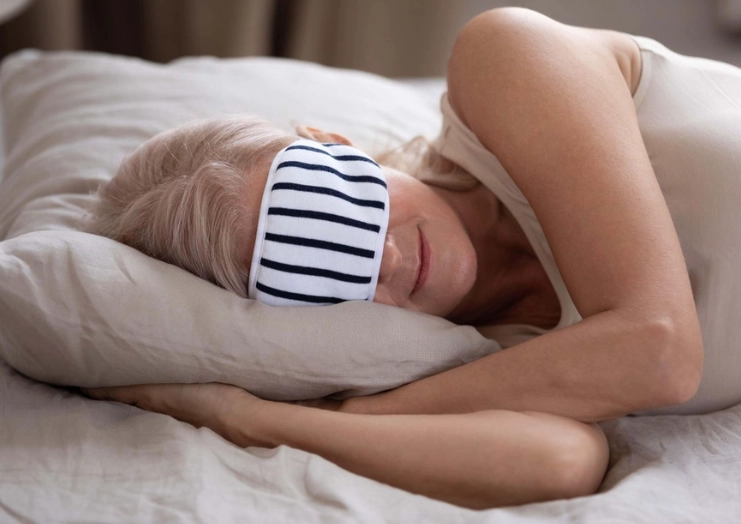
The Cons: Here's the massive, snoring-shaped catch. When you lie on your back, gravity pulls the base of your tongue and soft palate down, which can obstruct your airway. This turns you into a chainsaw symphony and is a major aggravator for obstructive sleep apnea (OSA). If you or your partner snores, back sleeping is usually public enemy number one. It can also make heartburn worse if your head is flat.
Who it's best for: People with neck or back pain (with proper pillow support), those concerned about facial wrinkles, and individuals who don't snore or have sleep apnea.
How to optimize it: Don't just lie flat like a board. The key is support. Use a pillow that supports the natural curve of your neck—not too thick to push your head forward, not too thin to let it drop back. A small pillow under your knees can be a game-changer. It takes pressure off your lower back by slightly flattening its curve. Seriously, try it tonight. For reflux, wedge your upper body up with a firm wedge pillow, not just stacks of regular pillows.
Side Sleeping (The Crowd Pleaser)
This is the most common position, and for good reason. It feels natural, cozy, and for many, it just works. But is side sleeping the healthiest sleep position to sleep in? For a huge chunk of the population, the answer is a resounding yes.
The Pros: It's the gold standard for reducing snoring and managing mild to moderate obstructive sleep apnea. By sleeping on your side, you keep your airway more open. It's also fantastic for digestion. Sleeping on your left side, in particular, is often recommended for people with acid reflux (GERD). The anatomy of your stomach and esophagus makes left-side sleeping help keep acid down where it belongs. It's also the only safe position recommended for pregnant women (specifically the left side) as it improves circulation to the heart and fetus.
The Cons: It can be tough on your shoulders and hips. If you're a dedicated side sleeper, you've probably woken up with a numb arm or a sore shoulder from the pressure. It can also lead to spinal misalignment if your mattress is too soft or your pillow is the wrong height, causing your spine to sag or curve sideways. And let's be honest, it can contribute to wrinkles on one side of your face (though that's a trade-off many are willing to make for better breathing).
Who it's best for: Snorers, people with sleep apnea, pregnant women, those with acid reflux (left side), and people with lower back pain (especially with a pillow between the knees).
Stomach Sleeping (The Problem Child)
Okay, I need to be blunt here. Stomach sleeping is pretty much the worst option from a biomechanical standpoint. I was a stomach sleeper for years because it felt comfortable initially, but I was paying for it with constant neck crick.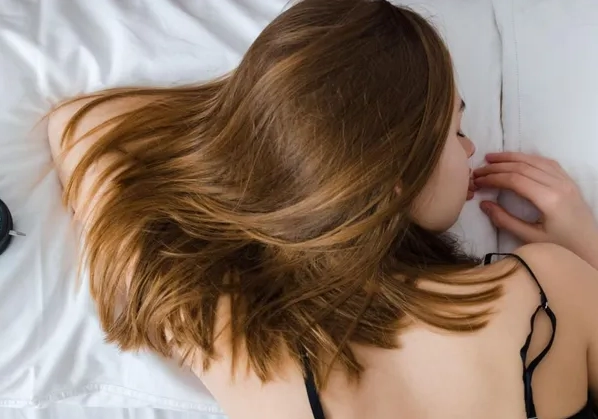
The Pros: It can reduce snoring in some people by keeping the airway open. That's... about it for the pros. Some people just find it comforting, and it can feel relieving for some types of abdominal discomfort temporarily.
The Cons: Where do I start? To breathe, you have to turn your head to one side for hours. This twists your neck into an extreme, sustained rotation, straining the joints and muscles. Hello, chronic neck pain. It also flattens the natural inward curve of your lower back, which can lead to significant lower back pain over time. It puts pressure on your joints and muscles all night. It's also terrible for your skin, smushing your face into the pillow.
Who it's best for: Honestly? Almost no one, from a purely health-focused perspective. If you have a medical condition where your doctor specifically recommends it, that's one thing. Otherwise, it's worth trying to transition away from it.
If you can't quit cold turkey: Try using a very thin pillow or no pillow under your head to reduce neck strain. Place a firm pillow under your hips/pelvis to help maintain some curve in your lower back. But really, the goal is to wean off it.
So, What Is The Healthiest Sleep Position To Sleep In? Your Personal Decision Tree.
Now that we know the details, let's make this practical. Stop asking "what is the healthiest sleep position to sleep in?" globally, and start asking "what is the healthiest sleep position to sleep in for me?"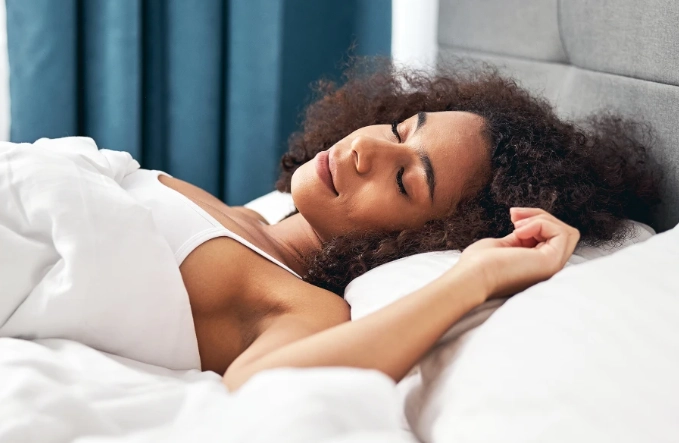
Think about your biggest sleep or health concern right now. Follow this logic:
- Do you snore loudly or have diagnosed sleep apnea? → Side sleeping is your priority. This isn't optional; it's a therapy. Consider using special pillows or wearable devices that encourage side sleeping.
- Do you suffer from chronic acid reflux or heartburn at night? → Left-side sleeping is your top choice. Elevating the head of your bed can also help, but start with the left side.
- Are you pregnant? → Left-side sleeping is the recommended standard for optimal blood flow. Use plenty of pillows for support.
- Do you have chronic neck or back pain? → Back sleeping (with knee support) is often ideal. If you can't sleep on your back, side sleeping with a knee pillow is a very close second.
- Do you have shoulder or hip pain? → Avoid putting pressure on the sore side. If you're a side sleeper, try sleeping on the pain-free side with a supportive pillow hug. Back sleeping might be a better trial option to take all pressure off.
- Are you mostly concerned with wrinkles or skin health? → Back sleeping wins. It's the only position that keeps your face free and clear.
- None of the above, just want general good health? → You have a choice! Either back sleeping (with proper setup) or side sleeping (with a knee pillow) are excellent, neutral choices. Flip a coin and see what feels more natural.
See? It becomes a targeted solution, not a vague recommendation. The healthiest sleep position to sleep in is the one that solves your most pressing issue.
Beyond the Pose: Your Pillow and Mattress Are Co-Stars
You can't talk about position without talking about your gear. Choosing the healthiest sleep position to sleep in but using a terrible pillow is like putting premium gas in a car with flat tires.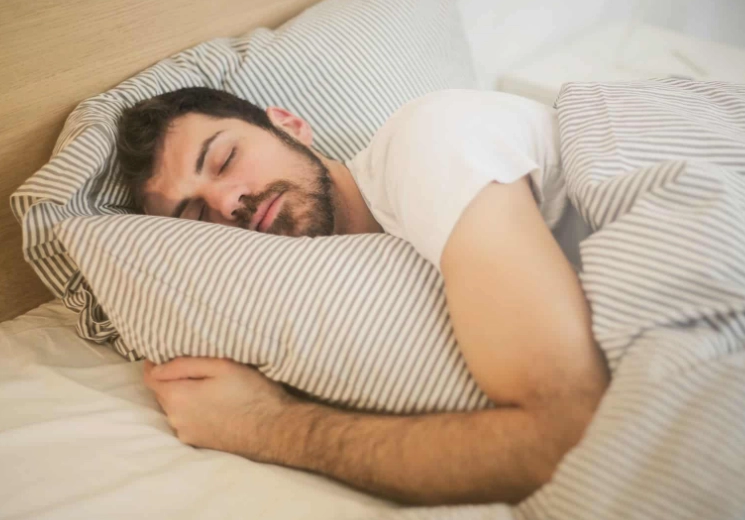
The Pillow: Its job is to keep your neck in a neutral line with your spine.
- Back sleepers: Need a medium-thick pillow to support the neck curve without lifting the head too far forward.
- Side sleepers: Need a firmer, thicker pillow to fill the gap between neck and mattress. Shoulder width matters here—broader shoulders need a thicker pillow.
- Stomach sleepers: Should use a very thin, almost flat pillow, or none at all.
The Mattress: It needs to support your body's natural curves. A mattress that's too soft will let your hips sink in too far (especially for side sleepers), misaligning your spine. One that's too firm won't contour at all, creating pressure points. Medium-firm is generally the most recommended for spinal support across positions, but your body weight and personal feel are key. Don't just buy one online without knowing your preferred position first.
How to Actually Change Your Sleep Position (It's Possible!)
"That's all great," you might say, "but I've slept on my stomach since I was a kid. I can't change!" I get it. It feels impossible. But you can, with patience and some clever tricks. Your body is adaptable.
- Start by optimizing for your target position. If you want to be a back sleeper, get the right pillow and put a pillow under your knees tonight. Make the desired position as comfortable as possible from the start.
- Use physical barriers. This is the oldest trick in the book. For a stomach sleeper trying to switch to side sleeping, sew or safety-pin a tennis ball into the front of a snug t-shirt. When you roll onto your stomach, the discomfort will subconsciously make you roll back without fully waking you. It works.
- Start in your new position every night. Consistency is key. Even if you move later, always begin the night the way you want to end up.
- Give it time. Don't expect change in two nights. Commit to at least two weeks. The first few nights might feel weird, but your body will adjust.
Common Questions People Forget to Ask
Let's tackle some of those specific, nitty-gritty questions that pop up when you're really thinking about what is the healthiest sleep position to sleep in.
Is the fetal position good or bad?
It's a type of side sleeping. A loose fetal position is fine. The problem is when you curl up too tightly, hugging your knees to your chest. This can restrict breathing and be hard on your back and joints. Try to keep your body relatively elongated with a gentle bend in the knees.
What if I move all night? Is that bad?
Not at all! It's normal and even healthy to shift positions 10-20 times a night (mostly during stage transitions in sleep). It prevents stiffness and pressure sores. The goal isn't to be a statue; it's to start and spend most of the night in a healthier primary position.
Left side vs. right side—does it really matter?
For most people, not really. But for specific issues, yes. As mentioned, left side is better for acid reflux. Some preliminary studies suggest it may be slightly easier on the heart. Right-side sleeping may be better for people with certain heart conditions like heart failure (though you should follow your cardiologist's advice). For general purposes, either side is fine.
What's the best position for sinus drainage or a cold?
Elevation is your friend. Sleeping on your back with your head propped up on extra pillows (or in a recliner) can help drain your sinuses and make breathing easier. Side sleeping can also help if one nostril is more clogged than the other—sleep on the side opposite the clogged nostril; it can often open up.
I have sciatica. What should I do?
This is a big one. Usually, side sleeping on the pain-free side with a pillow between the knees is the most relieving. It takes pressure off the piriformis muscle and the sciatic nerve. Back sleeping with pillows under the knees is also a good trial. Avoid sleeping on the painful side or on your stomach.
Look, at the end of the day, sleep is deeply personal. The "best" position is the one that gives you the most restorative, pain-free sleep. But armed with this info, you're no longer guessing. You can experiment like a scientist. Try side sleeping with a knee pillow for a week. Note how your back feels. Try back sleeping with head elevation. See if your reflux improves.
Finding the healthiest sleep position to sleep in is one of the simplest, zero-cost ways to invest in your long-term health. It doesn't require a fancy mattress or gadgets (though they can help). It just requires a little awareness and the willingness to try something new. Your future, well-rested, pain-free self will be glad you did.
Sweet dreams.
Reader Comments