You know the feeling. The clock says 11:30 PM. You're tired. You get into bed, turn off the light, and close your eyes. Then it starts. A quiet thought: "I need to fall asleep soon." Then another: "If I don't sleep, tomorrow will be terrible." Your heart rate ticks up. You start monitoring your own body—"Am I relaxed enough? Why am I still awake?"—and just like that, sleep feels a million miles away. This isn't just insomnia; it's a specific beast called sleep anxiety. Let's unpack what sleep anxiety symptoms actually look like, why your brain does this to you, and most importantly, how you can step off this exhausting treadmill.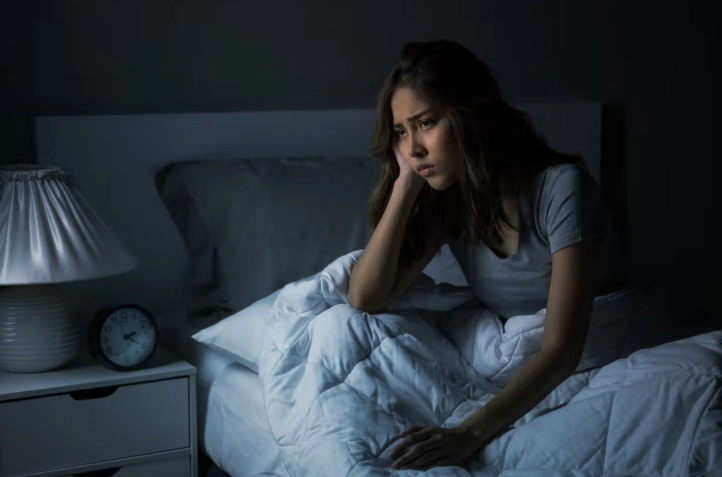
What's Inside This Guide
What Does Sleep Anxiety Feel Like? (It's More Than "I Can't Sleep")
People throw around "sleep anxiety" casually, but the symptoms cluster in specific ways. It's not one thing; it's a cycle of physical sensations, thought patterns, and emotional reactions that feed each other.
The Physical Symptoms: Your Body on High Alert
This is where it gets real. Your nervous system thinks there's a threat (not sleeping), so it activates. You might notice:
- A racing heart or palpitations as soon as your head hits the pillow.
- Muscle tension, especially in your jaw, shoulders, or back. You're literally bracing for a bad night.
- Restless legs or a general feeling of physical agitation. You can't find a comfortable position.
- Shallow, rapid breathing without even realizing it.
- Excessive sweating or feeling overheated under the covers.
- An upset stomach or nausea. The gut-brain connection is strong here.
The cruel trick? These are the exact opposite sensations your body needs for sleep. It's like trying to start a car with the parking brake on.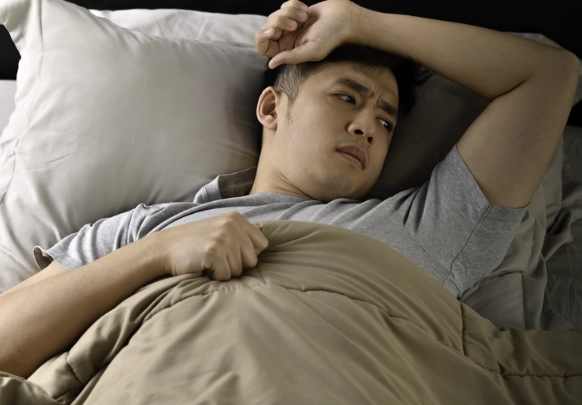
The Mental Loop: The Anxious Thought Patterns
This is the engine of sleep anxiety. Your mind gets stuck in a predictive doom loop. Common patterns include:
- Catastrophizing about the consequences: "If I only get 5 hours, I'll fail my presentation, my boss will hate me, I'll get sick..."
- Hyper-vigilance and sleep monitoring: Constantly checking the clock, calculating hours left, assessing your "sleepiness level."
- Performance anxiety about sleep itself: Treating sleep like a test you must pass. "I HAVE to fall asleep in the next 10 minutes."
- Rumination trigger: The quiet of bedtime becomes a magnet for all the day's unresolved worries, which now feel urgent.
A subtle mistake I see often: People mistake this mental chatter for their natural thinking process. They try to argue with the thoughts ("No, I won't fail"). That just gives them more power. The goal isn't to win the argument; it's to notice the argument is happening and gently disengage.
The Behavioral & Emotional Symptoms
These symptoms show up in your actions and feelings around sleep:
- Dreading bedtime. The evening is shadowed by anticipation of a struggle.
- Spending excessive time in bed trying to sleep, sometimes hours before you're sleepy, which weakens the brain's association between bed and sleep.
- Avoiding social plans or morning commitments due to fear of being tired.
- Feeling irritable, hopeless, or defeated about sleep, which fuels more anxiety the next night.
Why Am I Anxious About Sleep? The Root Causes
It rarely starts out of nowhere. Sleep anxiety is usually a learned response. Here are the most common pathways:
1. The One Bad Night Spiral: This is the classic start. You have a night of poor sleep (due to stress, noise, a late coffee). The next day you feel rough. Naturally, you think, "I hope I sleep better tonight." That hope contains a seed of fear. If you have another subpar night, the fear grows. Soon, you're approaching bed with tension, not relaxation. Your brain has learned: Bed = Struggle.
2. Underlying Generalized Anxiety or Stress: If you're a person who worries during the day, you don't magically turn it off at night. In fact, the lack of distraction makes you a captive audience for your anxious mind. Sleep anxiety here is a symptom of a broader pattern. Resources from the Anxiety and Depression Association of America often highlight this link.
3. Conditioned Arousal: This is a key concept from sleep science. If you repeatedly experience anxiety, frustration, or alertness in your bed (checking work emails, arguing, watching stressful news, trying too hard to sleep), your brain conditions itself to be alert in that environment. Your bed stops being a cue for sleep and becomes a cue for anxiety.
4. Misinformation and Pressure: The cultural obsession with "8 hours of perfect sleep or you'll die" creates massive performance pressure. Tracking your sleep with a device that gives you a "poor" score can be a direct trigger for sleep anxiety symptoms the following night.
How to Stop Sleep Anxiety: Actionable Strategies That Work
Fighting anxiety directly often backfires. The strategy is to dismantle the cycle by changing your relationship with sleep and the thoughts around it.
Strategy 1: Decouple Your Identity from Sleep
This is the mindset shift. Instead of "I am a bad sleeper," try "I am having a temporary challenge with sleep." See the difference? One is a fixed label, the other is a passing state. Remind yourself: You can still function, have a good day, and be kind even on less sleep. This reduces the catastrophic stakes.
Strategy 2: Implement a "Worry Window"
If rumination is your trigger, schedule it. Take 15 minutes in the early evening. Sit with a notebook and write down every worry about sleep and everything else. Get it out of your head. When anxious thoughts pop up at bedtime, you can calmly tell yourself, "I already addressed that in my worry window. It's noted. Now is for rest."
Strategy 3: The Get-Out-of-Bed Rule (Seriously)
This is the single most effective behavioral tool for breaking conditioned arousal. The rule is simple: If you're in bed and feel anxious, frustrated, or wide awake for more than 20 minutes, get up. Go to another room. Do something boring in dim light: read a physical book (no thrillers!), listen to calm music, fold laundry. No screens, no work. Return to bed only when you feel sleepy. This starts to rewire the association: Bed = Sleep, not Bed = Anxiety.
Strategy 4: Practice Paradoxical Intention
This sounds weird but it works. When you feel the performance pressure ("I must sleep!"), try the opposite. Get into bed and try to stay awake with your eyes closed. Give yourself permission to just rest. By removing the pressure to achieve sleep, you often remove the anxiety blocking it. It takes the fight away.
A common pitfall: People try these strategies for two nights, don't see miraculous results, and quit. These are skills, not magic spells. They work by cumulative effect over 2-4 weeks, as your nervous system unlearns the old anxious patterns. Consistency is non-negotiable.
Strategy 5: Body-Based Anchors
When the physical symptoms hit, you need an anchor outside your spinning thoughts. Don't try to control your breath; that can backfire. Instead:
- Focus on the weight of your body sinking into the mattress. Feel the points of contact.
- Listen to the most distant sound you can hear.
- Try a simple 4-7-8 breath (inhale 4, hold 7, exhale 8) for just three cycles to engage your parasympathetic nervous system, then let your breath be natural.
When It's More Than Just Nerves: Time to Seek Help
If your sleep anxiety symptoms are severe, causing significant daytime distress, or if you suspect an underlying sleep disorder like sleep apnea or restless legs syndrome (which can cause anxiety at night), please see a doctor. A sleep specialist can rule out physiological issues. Cognitive Behavioral Therapy for Insomnia (CBT-I) is the gold-standard psychological treatment and is highly effective for sleep anxiety. You can find certified providers through organizations like the Society of Behavioral Sleep Medicine.
Reader Comments