You're exhausted. Your body aches. All you want is to sink into a deep, restorative sleep. But the moment your head hits the pillow, your mind races, your nose stuffs up, and every cough feels like a seismic event. Sound familiar? That frustrating paradox of being desperately tired yet utterly unable to sleep when you're sick is one of the worst parts of being ill. It's not just bad luck or a cruel joke. Your body is fighting a complex biological war, and sleep is a casualty of that battle. Let's break down exactly what's happening and, more importantly, what you can actually do about it tonight.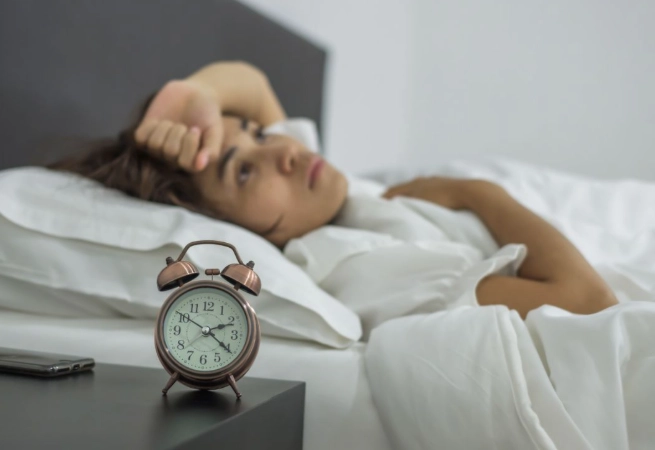
What You'll Find Inside
The Real Reasons You're Awake (It's Not Just the Cough)
Most advice stops at "you're uncomfortable," but that's surface-level. The root causes are a fascinating and disruptive cocktail of physiology.
Your Immune System is a Noisy Neighbor
When you're sick, your immune system releases proteins called pro-inflammatory cytokines (like interleukin-1 and tumor necrosis factor-alpha). These are the foot soldiers of your defense system. Research from sources like the National Institutes of Health shows these cytokines have a dual role: they fight infection and directly interact with the brain regions that regulate sleep. In small doses, they promote slow-wave sleep (the deep, restorative kind). But in the flood that comes with a full-blown infection, they can overstimulate the brain and nervous system, leading to fragmented, light sleep and even causing that familiar, restless feeling of being "wired but tired." Your brain is literally buzzing with alarm signals.
The Fever and Thermoregulation Tango
Fever is your body's strategic weapon to kill pathogens. To fall and stay asleep, your core body temperature needs to drop slightly. A fever completely disrupts this natural cooling process. You might fall asleep as the fever breaks with sweat, but as your temperature climbs again in its cycle, it can jolt you awake. It's a constant internal thermostat war.
Expert Insight: A common mistake is piling on heavy blankets because you have the chills. The chills are your body's way of raising its temperature set-point. If you over-insulate, you trap heat and can push your fever higher, making sleep even more elusive. The goal is comfort, not sweltering.
Physical Discomfort: The Obvious (and Subtle) Culprits
This is the part everyone knows, but let's get specific:
- Nasal Congestion: It's not just about breathing. Congestion can trigger mild sleep apnea, causing micro-awakenings you don't even remember but that destroy sleep quality.
- Coughing: A cough reflex is powerful enough to wake you from deep sleep. Lying flat often makes post-nasal drip worse, triggering more coughs.
- Pain & Aches: Muscle aches, headaches, or a sore throat make finding a comfortable position a nightmare. Pain pathways in the brain are highly alert, competing with sleep signals.
The Anxiety and Stress Feedback Loop
This is the psychological layer. You're stressed about missing work, worried about getting worse, and frustrated that you can't sleep to heal. This stress releases cortisol, a hormone that is fundamentally at odds with sleep. It creates a vicious cycle: sick → can't sleep → stress about not sleeping → release cortisol → even harder to sleep.
A Tactical Guide to Sleep When Sick
Forget generic "get rest" advice. Here's a battle plan based on your specific symptoms. Think of it as sleep triage.
Scenario 1: Battling Fever and Chills
The Goal: Manage temperature, not just endure it.
- Timing is Everything: Take a fever reducer like acetaminophen or ibuprofen about 30-60 minutes before bed. This can help moderate the temperature climb that happens as you try to sleep. Consult a doctor or pharmacist for appropriate dosage.
- The Layering Strategy: Use multiple light blankets instead of one heavy duvet. You can peel them off as you heat up during the night without a major disruption.
- Cool Points: Place a cool, damp washcloth on your forehead or the back of your neck. Have a glass of cold water by the bed. Cooling the skin's surface can provide significant relief without affecting your core fever-fighting mechanism.
- Skip the Sweat Lodge: Avoid hot baths right before bed. A lukewarm shower can help lower skin temperature and induce sleepiness more effectively.
Scenario 2: Drowning in Congestion and Cough
The Goal: Open airways and minimize triggers.
- Elevate, Elevate, Elevate: This is the single most effective tactic. Use extra pillows or even prop up the head of your mattress with books or towels under the legs. Sleeping at a 30-45 degree angle uses gravity to reduce sinus pressure and post-nasal drip.
- Humidify Your Air: A cool-mist humidifier right by your bedside adds moisture to dry, irritated airways and can loosen congestion. Clean it daily to prevent mold.
- Strategic Use of Remedies: A spoonful of honey (for adults and children over 1) can coat the throat and suppress coughs as effectively as some over-the-counter drugs, per studies. Saline nasal sprays or rinses before bed can clear passages without rebound congestion.
- Create a Cough "Pit Stop": Keep your cough drops, water, and tissues in one easy-to-reach spot with a small nightlight. Fumbling in the dark wakes you up more.
The Foundational Sleep Hygiene (Sick Edition)
Your usual routine is out the window, but principles remain.
- Darkness and Quiet: Even more crucial now. Use an eye mask and earplugs if needed to buffer against any sensitivity to light and sound.
- Hydrate Early: Drink plenty of fluids throughout the day, but taper off 60-90 minutes before bed to minimize bathroom trips.
- The 20-Minute Rule: If you're truly awake—not just restless—for more than 20 minutes, get up. Go to a dim chair, read something dull (no screens!), and only return to bed when you feel sleepy. This prevents your brain from linking the bed with frustration.
When Sleeplessness Signals Something More
Usually, sick-related insomnia passes with the illness. But be aware of these red flags:
- Severe shortness of breath or chest pain when lying down (seek immediate medical attention).
- Inability to sleep at all for more than 24-48 hours, even with extreme fatigue.
- Sleep problems that persist for weeks after all other sickness symptoms have resolved. This could indicate a triggered underlying insomnia issue or a condition like post-viral fatigue.
- A fever that is very high or doesn't respond to medication.
When in doubt, consulting a healthcare professional is always the right move. Don't just assume it's part of being sick.
Your Top Sick-Sleep Questions Answered
The bottom line is this: not sleeping when you're sick is a brutal but normal part of your body's defense strategy. You're not doing anything wrong. By understanding the why—the inflammatory signals, the thermal dysregulation, the physical triggers—you can move past frustration and implement targeted hows. Treat the specific symptoms stealing your sleep, be kind to your anxious mind, and trust that even light, fragmented rest is still providing some repair. Your number one job is to support your body's fight, and sometimes that means redefining what a "good night's sleep" looks like for a few nights.
Reader Comments