重点摘要
- The Top Contenders: Breaking Down Each Sleeping Position
- Choosing the Best Sleeping Position for Female: Your Personal Health Guide
- Your Sleep Position Toolkit: Pillows, Mattresses, and Tweaks
- Common Questions Women Ask About Sleep Positions
- The Verdict: So, What's the Overall Best Sleeping Position for Female Health?
Let's be honest. We spend about a third of our lives asleep. Yet, how many of us actually think about how we're sleeping? We obsess over mattresses and pillow counts, but the position our body assumes for those precious hours? That often gets overlooked. And for women, it matters more than you might think. Our bodies are different—through hormones, pregnancy, life stages—and the way we sleep can either support us or work against us.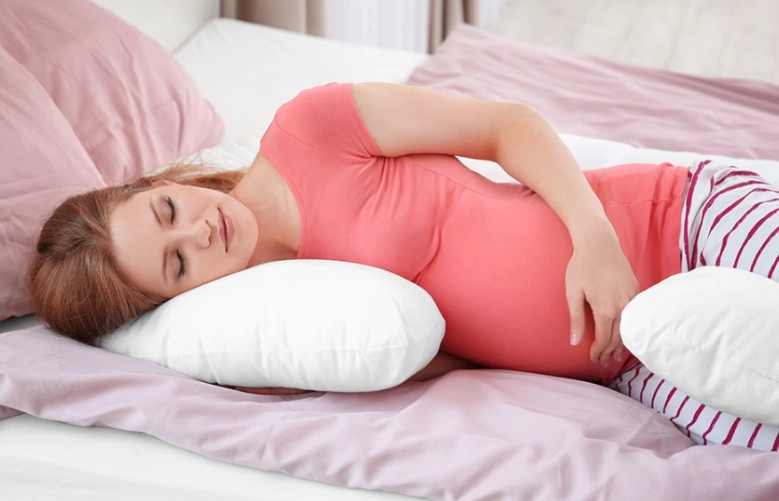
I remember talking to my mom a few years back. She'd been waking up with a stiff neck and lower back pain for months. She'd tried expensive pillows, mattress toppers, you name it. It wasn't until her physiotherapist casually asked, "Do you sleep on your stomach?" that the lightbulb went off. She'd been a lifelong stomach sleeper, and it was wreaking havoc on her spine. Changing her sleep position was a game-changer. It wasn't easy—old habits die hard—but the difference was undeniable.
So, what is the best sleeping position for female health? The short, frustratingly common answer is: it depends. There's no single "best" position for every woman. But there are clear winners and losers depending on your specific health, age, and concerns. This guide isn't about giving you a one-size-fits-all rule. It's about giving you the information to find your own personal best sleep position for women.
Why Your Sleep Position Isn't Just About Comfort
It influences everything from spinal alignment and joint pressure to digestion, breathing, and even the appearance of your skin. For women, specific factors like pregnancy, menopause, and a higher likelihood of conditions like acid reflux and autoimmune issues make this conversation particularly relevant. Choosing the right position is a form of nighttime self-care.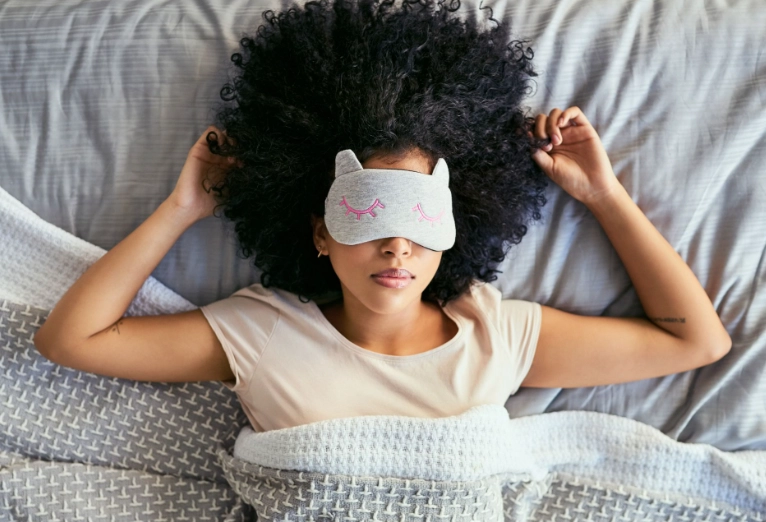
The Top Contenders: Breaking Down Each Sleeping Position
We'll start with the classic trio. Most of us naturally gravitate towards one of these, but understanding the pros and cons is step one to optimizing your rest.
Side Sleeping (The Lateral Position)
This is the crowd favorite and, for many women, the closest thing to a universal best sleeping position for female health. Sleeping on your side, particularly the left side, gets a lot of praise from doctors and sleep experts.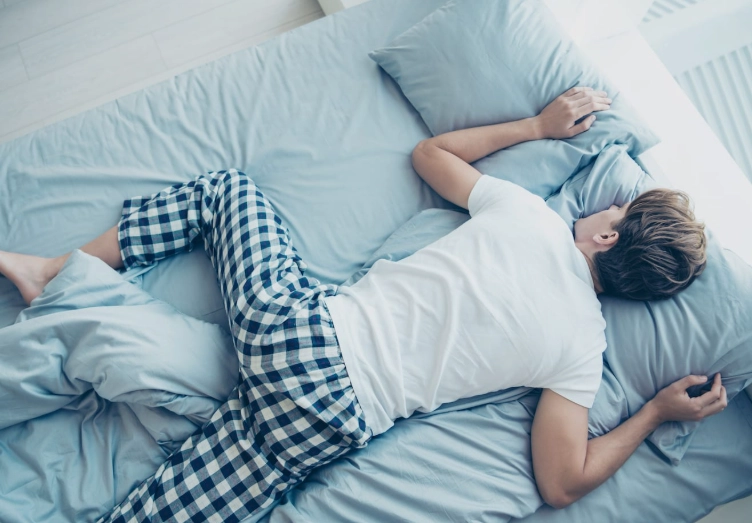
The Good Stuff: It's fantastic for reducing snoring and sleep apnea symptoms because it keeps your airways more open. It can ease heartburn and acid reflux (left side is especially recommended here). It's also the undisputed champion for pregnancy sleep, as it improves circulation to the heart and the mother and the developing baby. The Sleep Foundation strongly recommends side sleeping, especially the left side, during pregnancy. For those with chronic back pain, especially in the lower back, curling up in a fetal position can sometimes provide relief by opening up the spinal joints.
The Not-So-Good: It can put pressure on your shoulder and hip on the side you're lying on. If you don't have proper support, it can strain your neck and misalign your spine. There's also the "beauty sleep" concern—pressing your face into the pillow can contribute to sleep wrinkles over time. And let's be real, your arm can fall asleep in weird ways.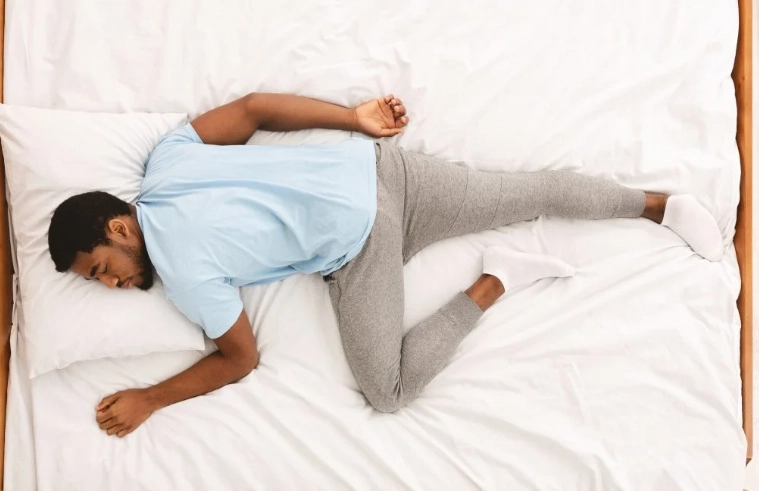
Pro Tip for Side Sleepers: The key is alignment. Your head and neck should be supported so your spine forms a straight line. A thicker, firmer pillow is usually needed to fill the space between your ear and shoulder. Placing a pillow between your knees is a game-changer—it keeps your hips, pelvis, and spine aligned and takes pressure off your lower back. Seriously, try it.
Back Sleeping (The Supine Position)
Lying flat on your back is often hailed as the "ideal" position for spinal alignment. Your weight is evenly distributed, and your head, neck, and spine are in a neutral position.
The Good Stuff: It's the best position for preventing neck and back pain if you have a supportive mattress and pillow. It minimizes acid reflux as long as your head is slightly elevated. It's also the best position for your skin—no face smushing means less wrinkling and acne. For some women, it just feels the most open and comfortable.
The Not-So-Good: This is the worst position for snorers and those with obstructive sleep apnea, as gravity can cause the tongue and soft tissues to collapse backward, obstructing the airway. It can also make lower back pain worse for some people, as it can exaggerate the natural arch in the lower back. This position is generally not recommended during later stages of pregnancy, as the weight of the uterus can press on major blood vessels.
I have a friend who is a dedicated back sleeper and swears by it for her back pain. But her partner has a different story—the snoring is legendary. It's a trade-off.
Stomach Sleeping (The Prone Position)
I'm just going to say it: this is the problem child of sleep positions. Many people find it comforting, but from a physical alignment perspective, it's tough to defend as the best sleeping position for female health.
The Good Stuff: It can reduce snoring in some people by keeping the airways open. That's about it for the major health pros.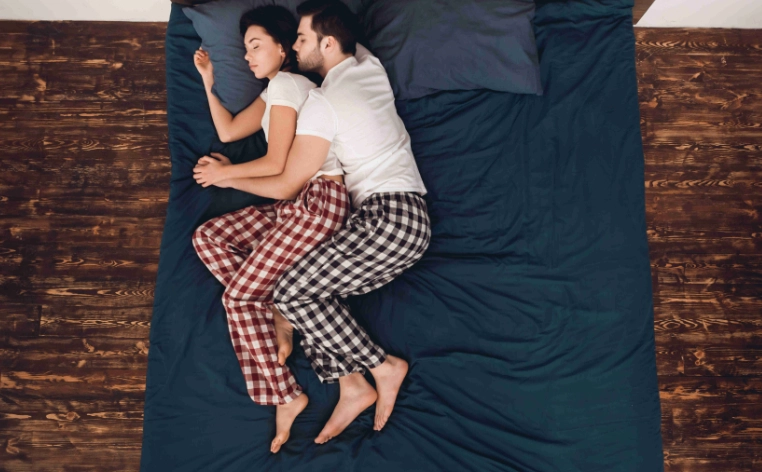
The Not-So-Good: Oh boy. It forces your neck and head to twist to one side for hours, which is a prime recipe for neck pain, stiffness, and pinched nerves. It flattens the natural curve of your spine, which can lead to lower back pain. It puts pressure on your joints and muscles all night long. And for women, it can be uncomfortable on the breasts. The skin and wrinkle issue is also at its worst here.
If you're a stomach sleeper, don't panic. You're not doomed. But consider it a sign that your body might be seeking a different alignment. Often, stomach sleeping is a way to compensate for breathing issues or a mattress that's too firm. Transitioning away from it can be challenging, but starting by placing a pillow under your hips/stomach to reduce the arch in your back can help.
Choosing the Best Sleeping Position for Female: Your Personal Health Guide
This is where it gets personal. The "best" position changes based on what you're dealing with. Let's look at some common scenarios.
For Pregnant Women
This is non-negotiable. The best sleeping position for female during pregnancy is on the side, specifically the left side. The American Pregnancy Association and most healthcare providers strongly advise against back sleeping in the second and third trimesters. The reason is something called the vena cava, a major vein that carries blood from your lower body to your heart. When you lie on your back, the weight of your uterus presses on this vein, reducing blood flow to you and your baby.
Left side is preferred over right side because it improves blood flow to the placenta and kidneys. But honestly, if you wake up on your back, don't panic. Just roll back to your side. The key is to start on your side.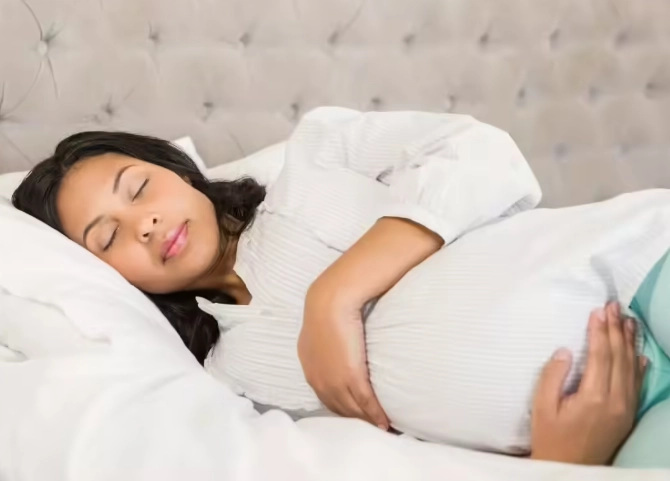
Use pillows. Lots of them. A pregnancy pillow or regular pillows to support your belly and between your knees can make side sleeping much more comfortable.
For Back Pain or Neck Pain
If you have back pain, the general consensus is that back sleeping with a pillow under your knees is often best. This helps maintain the natural curve of your lower back. Side sleeping with a pillow between your knees is a very close second. Stomach sleeping is usually the worst offender.
For neck pain, back sleeping is again ideal because it allows your head, neck, and spine to rest in a neutral position. Side sleeping with a proper pillow (high enough to keep your spine straight) is also good. Stomach sleeping, with its head-twisting, is the worst choice.
My mom's story is a perfect example. Her switch from stomach to side sleeping, coupled with a better pillow, made her chronic morning stiffness a thing of the past.
For Acid Reflux or Heartburn
Left-side sleeping is your best friend here. It's actually one of the most effective non-medical ways to manage nighttime reflux. Why? Anatomy. When you sleep on your left side, the junction between your stomach and esophagus sits above the level of stomach acid. On your right side, it's below, making it easier for acid to creep up. Back sleeping with your head and shoulders elevated on a wedge pillow is the second-best option. Stomach sleeping can put pressure on your stomach and make reflux worse.
For Snoring or Sleep Apnea
Side sleeping is the clear winner. It helps keep your airway open. Back sleeping tends to make snoring and apnea events worse. If you or your partner snores, encouraging a shift to side sleeping can be a simple first step. There are even special pillows and wearable devices designed to help maintain a side sleeping position.
For Beauty Sleep (Skin & Wrinkles)
Back sleeping wins the beauty pageant. It's the only position where your face isn't pressed into a pillow, which can cause compression wrinkles over time (often called "sleep lines"). It also helps prevent puffiness. Side and stomach sleeping can contribute to lines on the forehead, cheeks, and between the breasts. If you're serious about anti-aging sleep, training yourself to sleep on your back is a solid strategy, though it's not easy for everyone.
Your Sleep Position Toolkit: Pillows, Mattresses, and Tweaks
Finding the best sleep position for women isn't just about willpower. It's about setup.
The Pillow is Everything
- Back Sleepers: You need a thinner pillow that supports the natural curve of your neck without propping your head too far forward. A pillow under your knees is a must.
- Side Sleepers: You need a thicker, firmer pillow to fill the gap between your neck and the mattress. Your spine should be a straight line from your head to your tailbone. A knee pillow is non-negotiable for comfort and alignment.
- Stomach Sleepers (trying to change): Use a very thin pillow, or none at all, under your head to minimize neck strain. Place a flat pillow under your hips/pelvis to reduce the arch in your back.
The mattress matters too. Side sleepers usually need a softer mattress to cushion hips and shoulders. Back and stomach sleepers often do better with a firmer surface for support. It's a Goldilocks situation—you have to find what's just right for you.
Common Questions Women Ask About Sleep Positions
Let's tackle some of the things you're probably wondering.
The Verdict: So, What's the Overall Best Sleeping Position for Female Health?
If we absolutely had to crown a winner for the average woman, considering a balance of spinal health, common conditions, and life stages, side sleeping (left side preferred) would take the title. It's versatile, addresses many common issues (reflux, snoring, pregnancy), and with proper pillow support, it's incredibly spine-friendly.
But the real answer is more nuanced. Here's a quick-reference guide to help you decide based on your priority:
| Your Primary Concern | Best Sleeping Position | Key Adjustment |
|---|---|---|
| General Health & Spine | Back or Side | Back: Pillow under knees. Side: Pillow between knees. |
| Pregnancy (2nd/3rd Trimester) | Left Side | Pregnancy pillow for belly/knee support. |
| Acid Reflux/Heartburn | Left Side | Elevate head slightly if needed. |
| Back Pain | Back or Side | Back: Pillow under knees. Side: Pillow between knees. |
| Snoring/Sleep Apnea | Side | Use body pillows to prevent rolling onto back. |
| Neck Pain | Back or Side | Invest in a high-quality, supportive pillow. |
| Beauty & Skin Care | Back | Use a silk/satin pillowcase if you move to side. |
| Hip Pain | Back or Opposite Side | Side: Plush mattress topper, pillow between knees. |
Ultimately, the best sleeping position for female is the one that allows you to wake up feeling rested, refreshed, and without pain. It might take some experimentation with pillows and slight adjustments to your usual pose. Listen to your body. If you wake up with aches, your position might be the culprit. Don't be afraid to invest in the right tools—a good pillow is cheaper than chronic pain or lost sleep.
A Final Thought: I used to think sleep position was trivial. Now I see it as a simple, powerful lever for better health. You don't have to get it perfect every night. Start by noticing how you sleep and how you feel in the morning. Make one small change, like adding a knee pillow. See how it feels. Your body will thank you for it, one restful night at a time.
Reader Comments