Quick Navigation
- The Big Three: Breaking Down Back, Side, and Stomach Sleeping
- Position 1: Back Sleeping (The Supine Position)
- Position 2: Side Sleeping (The Lateral Position)
- Position 3: Stomach Sleeping (The Prone Position)
- The Position Health Comparison Table
- How to Hack Your Position for Specific Health Goals
- Your Sleep Toolkit: Pillows, Mattresses, and Little Tweaks
- Can You Really Change Your Sleep Position?
- Answers to Common Sleep Position Questions
- The Bottom Line: Listen to Your Body
You know that feeling. You wake up with a stiff neck, an aching back, or just feeling like you wrestled a bear all night instead of sleeping. I've been there more times than I care to admit. For years, I just crashed in whatever position felt okay at the moment, never thinking much about it. Then I started waking up with this nagging shoulder pain. That's when I got serious and asked the question we're all really asking: what is the healthiest sleeping position, not just for right now, but for my body in the long run?
Turns out, it's not a one-size-fits-all answer. What's best for your friend with acid reflux might be terrible for your spouse with back pain. The "healthiest" position depends on you—your body, your health quirks, your goals. This isn't about finding some mythical perfect pose. It's about matching your sleep posture to your life.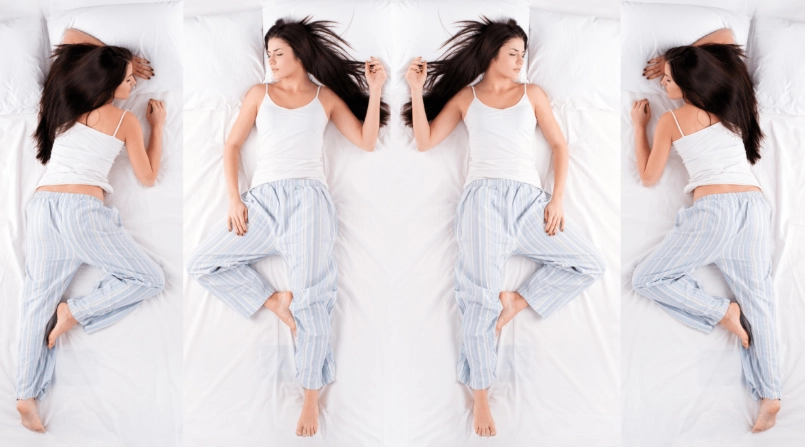
We'll walk through all the major positions, the good and the bad. We'll talk about pillows and mattresses (yes, they matter a ton). And we'll tackle the specific stuff—snoring, pregnancy, that lower back ache that just won't quit. By the end, you'll have a clear idea of how to tweak your night for better mornings.
The Big Three: Breaking Down Back, Side, and Stomach Sleeping
Most of us fall into one of three camps. Let's see where you land and what it's doing for (or to) you.
Position 1: Back Sleeping (The Supine Position)
Lying flat on your back, arms at your sides or on your stomach. This is often the first one experts mention when discussing what is the healthiest sleeping position for spinal alignment.
It has a lot going for it. Your head, neck, and spine are in a pretty neutral line, which takes pressure off. Your weight is evenly distributed, so you're not squishing one shoulder or hip all night. It's also great for keeping your face off the pillow, which the skincare crowd loves for preventing wrinkles.
But here's the catch. It's the worst position for snoring and sleep apnea. Gravity pulls your tongue and soft tissues back, narrowing your airway. If you snore like a chainsaw or have apnea, back sleeping usually makes it louder and worse. It's also not ideal if you have chronic lower back pain, as it can sometimes exaggerate the arch in your lower back if your mattress is too soft.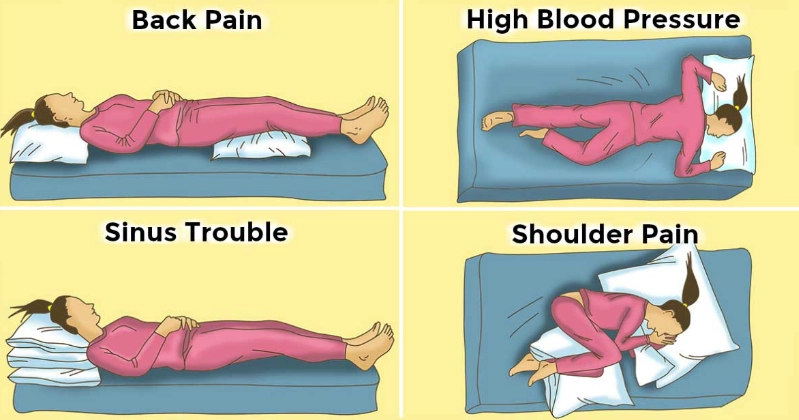
Position 2: Side Sleeping (The Lateral Position)
Curled up on your left or right side, maybe in the fetal position. This is the most popular position by far. And for many people, it's a strong contender for the title of healthiest sleeping position.
The benefits are huge. It's fantastic for reducing snoring and keeping airways open, which is why it's often recommended for obstructive sleep apnea. It can help with acid reflux and heartburn, especially if you sleep on your left side—this positioning can keep stomach acid below the esophagus junction. It's also a lifesaver during pregnancy, improving circulation for both mom and baby.
But it's not perfect. The main downside is asymmetry. You're putting all that pressure on one shoulder and one hip. If you don't have a supportive pillow, your neck can get cranked sideways all night. I learned this the hard way with my shoulder pain. You can also get facial wrinkles ("sleep lines") and even some numbness in your arm if circulation gets pinched.
The fetal position—a very curled-up side sleep—can feel cozy, but if you're too tightly curled, it can restrict breathing and feel rough on your back and joints in the morning. A more relaxed, slightly bent-knee side position is usually better.
Position 3: Stomach Sleeping (The Prone Position)
Flat on your belly, head turned to one side. Let's be honest right up front: most sleep experts and doctors will tell you this is the worst position. It's the answer you often get when you ask what is the healthiest sleeping position, and they say "anything but on your stomach."
Why the bad rap? It forces your neck into a severe, twisted rotation for hours. This strains your cervical spine, muscles, and nerves—a recipe for neck and upper back pain. It also flattens the natural curve of your spine, which can lead to lower back aches. Your face is smushed into the pillow, which isn't great for skin or breathing.
So why do people do it? Sometimes it's the only position that feels comfortable for snoring or sleep apnea, as it keeps the airway open from the front. Some people with certain shoulder injuries find it takes pressure off. But generally, it's a position most of us should try to train ourselves out of.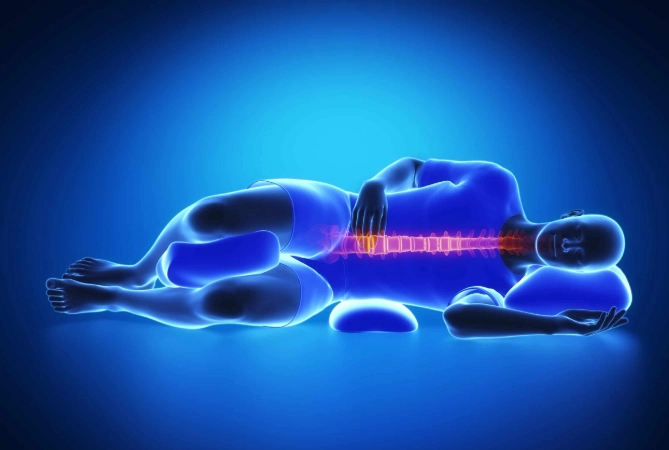
So, what is the healthiest sleeping position overall? Looking at the science and expert opinions from places like the National Institute of Neurological Disorders and Stroke (which discusses sleep and neurological health) and Johns Hopkins Medicine, the consensus often leans towards side or back sleeping as the top contenders, with stomach sleeping trailing far behind. But the real winner is the one that addresses your specific needs.
The Position Health Comparison Table
This table sums up the key points. It's a quick way to see which position might help or hurt your specific situation.
| Sleeping Position | Best For... | Worst For... | Key Tip |
|---|---|---|---|
| Back (Supine) | Spinal alignment, reducing facial pressure, acid reflux (with elevation) | Snoring, sleep apnea, lower back pain (on soft mattress) | Use a rounded pillow under knees to support lower back curve. |
| Side (Lateral) | Snoring, sleep apnea, acid reflux (left side), pregnancy, back pain | Shoulder/hip pain, facial wrinkles, potential arm numbness | Place a firm pillow between knees to align hips and spine. |
| Stomach (Prone) | ...maybe reducing snoring in some cases? | Neck & back pain, spinal alignment, breathing, skin | Use an extremely thin or no pillow to minimize neck strain. |
See what I mean? It's all about trade-offs.
How to Hack Your Position for Specific Health Goals
Now, let's get practical. You probably have a specific reason for asking what is the healthiest sleeping position. Here’s how to tailor it.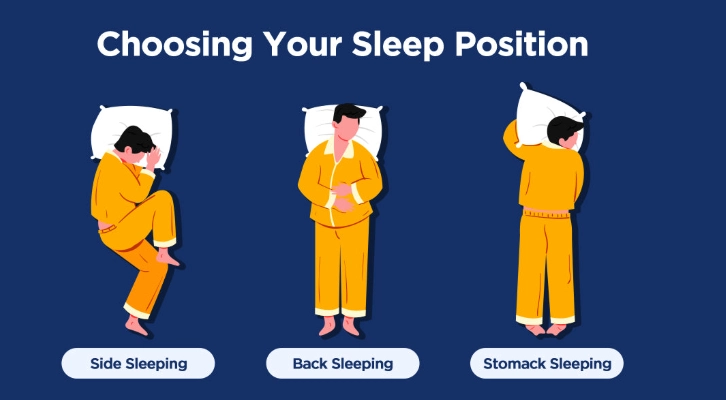
If Your Goal Is: Relieving Back Pain
For lower back pain, side sleeping with a pillow between your knees is often the golden ticket. It stops your top leg from pulling your spine out of line. Back sleepers can try a pillow under their knees. Stomach sleeping is usually the most aggravating for back pain. The Arthritis Foundation has great resources on sleep positions for pain management that align with this.
If Your Goal Is: Reducing Snoring or Sleep Apnea
Side sleeping is your best friend. Stomach sleeping can work too, but at a high cost to your neck. Back sleeping is typically the enemy here. If you absolutely can't stay off your back, try propping yourself up with a wedge pillow or even raising the head of your bed a few inches. This can use gravity to help keep airways open.
If Your Goal Is: Easing Acid Reflux (GERD)
This one has a surprisingly clear answer. Sleeping on your left side is considered best. Anatomy-wise, it keeps the junction between your stomach and esophagus above the level of stomach acid. Back sleeping can be okay if you elevate your head and torso significantly. Right-side sleeping and stomach sleeping tend to make reflux worse. Research discussed by Harvard Health Publishing supports this left-side preference for digestion.
If You Are Pregnant
Especially after the first trimester, the guidance is very clear: sleep on your side, and specifically the left side is preferred. This improves blood flow to your heart, your uterus, and your baby. It also helps your kidneys work efficiently. Back sleeping in later pregnancy can put the weight of the uterus on major blood vessels. Using a long body pillow or pregnancy pillow for support is a game-changer.
Your Sleep Toolkit: Pillows, Mattresses, and Little Tweaks
Finding the healthiest sleeping position isn't just about your body's posture. Your gear matters. A lot.
Pillows are positional tools. A back sleeper needs a pillow that supports the neck's natural curve—not too thick, not too flat. A side sleeper needs a thicker, firmer pillow to fill that shoulder-to-head gap. A stomach sleeper should use the thinnest pillow possible, maybe even just a soft towel. Specialty pillows (contoured, knee, body) can solve specific problems.
Your mattress is the foundation. A medium-firm mattress generally offers the best support for spinal alignment for most people and most positions. Side sleepers on a mattress that's too firm might get shoulder and hip pressure points. Back sleepers on a mattress that's too soft might find their hips sink and their back arches painfully.
Sometimes the answer to what is the healthiest sleeping position is "your current position, but with better support."
Can You Really Change Your Sleep Position?
Yes, but it takes patience. Your body is used to a certain pattern. Trying to go from a lifelong stomach sleeper to a back sleeper overnight is like trying to write with your non-dominant hand—frustrating and unlikely to stick.
Start small. If you want to become a side sleeper, try using a body pillow to "hug" and make the position more comfortable. To train yourself off your stomach, try wearing a snug-fitting t-shirt with a tennis ball sewn into the front (it sounds silly, but it works—you'll roll over when it becomes uncomfortable). Give it a few weeks. Don't get discouraged if you wake up in your old position; just gently correct it.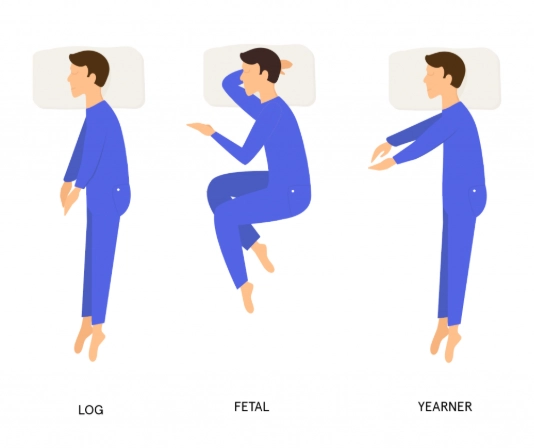
Answers to Common Sleep Position Questions
The Bottom Line: Listen to Your Body
After all this, what is the healthiest sleeping position for you? The one that allows you to wake up feeling rested, refreshed, and free of pain. It's the position that manages your specific health concerns—be it snoring, a bad back, or heartburn.
Use the guidelines here as a starting point. Experiment. Pay attention to how you feel in the morning. A position that looks perfect on paper might not feel right for your unique skeleton and muscles. The resources from institutions like the Mayo Clinic consistently emphasize that quality sleep is foundational to health, and your position is a big part of that puzzle.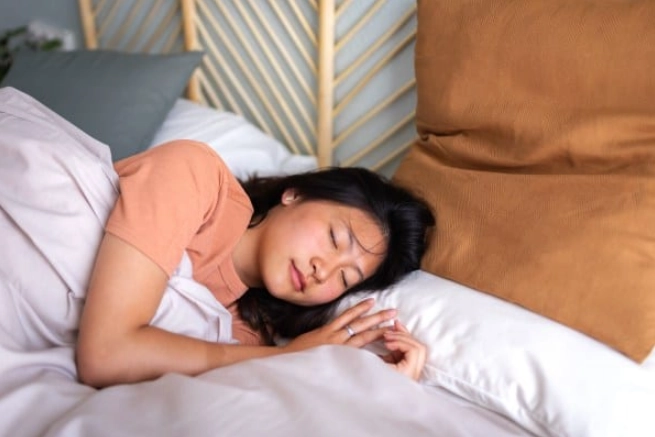
Don't chase perfection. Chase what works. If side sleeping with a knee pillow leaves you pain-free, you've found your answer. If propped-up back sleeping stops your snoring, that's your healthiest sleeping position. It's that simple, and that personal.
Start tonight. Make one small tweak. Maybe it's just adding a pillow between your knees. See how you feel tomorrow. That's the real test, and the only one that matters.
Reader Comments