Quick Navigation
- First Things First: What is Deep Sleep, Anyway?
- The Domino Effect: How Lack of Deep Sleep Wrecks Your Body
- The Mental and Emotional Toll
- The Long-Term Risks: When It Becomes Chronic
- Common Culprits: What's Stealing Your Deep Sleep?
- What You Can Actually Do About It
- Questions People Are Really Asking (FAQ)
- Final Thoughts
You know that feeling. You clock in your seven or eight hours, but you wake up feeling like you've been run over by a truck. Your head is foggy, your body feels heavy, and your mood is hanging by a thread. You "slept," but you didn't really sleep. Chances are, your deep sleep—the most restorative phase of the night—got short-changed. And let me tell you, the fallout is no joke.
We often obsess over the total hours, but sleep quality is the real MVP. Deep sleep, or slow-wave sleep, is when the magic happens. It's when your brain takes out the trash (clearing out amyloid plaques, linked to Alzheimer's), your body repairs tissues, and your immune system gets a major boost. Skimp on this, and you're basically running your body and brain on a corrupted operating system.
First Things First: What is Deep Sleep, Anyway?
Think of your sleep in cycles, each about 90 minutes long. You drift from light sleep (stages 1 & 2) into the deep, glorious waters of stage 3 (slow-wave sleep), before ascending into REM sleep where dreams are vivid. Deep sleep is the third stage. It's called "slow-wave" because if you were hooked up to an EEG, your brain waves would show these long, slow, synchronized pulses. It's the hardest stage to wake someone from. It's the most physically restorative phase.
Quick Fact: Adults typically spend about 13-23% of their total sleep in deep sleep. That's roughly 1 to 1.5 hours in an 8-hour night. This percentage naturally decreases with age, which is part of why recovery gets harder as we get older.
So, what does a lack of deep sleep do if it's so crucial? Well, it doesn't just make you groggy. It systematically undermines your health from the inside out. I've talked to enough people and read enough research (and felt it myself after having a kid) to see the pattern. It's sneaky.
The Domino Effect: How Lack of Deep Sleep Wrecks Your Body
This isn't about being a little tired. It's about chronic, low-grade system failure. Let's break it down.
Your Brain on Empty: Cognitive Carnage
This is where most people notice it first. You sit down to work and your mind just... wanders. You read the same email three times. You forget why you walked into a room.
Memory Consolidation Falls Apart. During deep sleep, your brain transfers short-term memories from the hippocampus (a temporary storage unit) to the neocortex (the brain's hard drive) for long-term storage. Skimp on deep sleep, and that transfer gets messy. New information doesn't stick. Studying all night before an exam? Terrible strategy. You might cram the facts in, but without deep sleep to cement them, they'll vanish. The National Institute of Neurological Disorders and Stroke has some great resources on how sleep is fundamental for brain function.
Brain Fog Becomes Your Default State. This isn't just an expression. Research shows poor sleep quality, specifically a lack of deep sleep, impairs attention, concentration, and executive function—your brain's CEO skills like planning and decision-making. You become more reactionary, less strategic.
I remember a period a few years back, working on a big project with terrible sleep. I'd make simple errors in spreadsheets, miss obvious connections in data, and my creativity was zero. I was just putting out fires. It felt like my IQ had dropped 20 points. That's what a lack of deep sleep does to your cognitive edge.
Your Body's Repair Shop Closes Early
While you're in deep sleep, your body releases a surge of growth hormone. This isn't just for kids growing taller. In adults, it's essential for tissue repair, muscle growth, bone building, and cell regeneration. It's your body's nightly maintenance shift.
Without sufficient deep sleep, that repair work is left unfinished. You might notice:
- Slower Recovery: Workouts feel harder, muscle soreness lasts longer, and minor injuries take more time to heal.
- Weakened Immunity: This is a huge one. Deep sleep supercharges your immune system. Cytokines, proteins that fight infection and inflammation, are produced and released during this stage. Consistently poor deep sleep makes you far more susceptible to catching every cold that goes around. Studies have even shown that people who sleep less than 7 hours are almost 3 times more likely to catch a rhinovirus (the common cold) than those who get 8 hours or more. The CDC clearly links sleep deprivation to a weakened immune response.
- Puffy Eyes and Dull Skin: Not just vanity. Poor repair means collagen isn't rebuilt as effectively, leading to faster signs of aging. "Beauty sleep" is rooted in deep sleep biology.
The Metabolic Mess: Weight Gain and Blood Sugar Chaos
Here's a frustrating catch-22 for many: poor sleep can directly lead to weight gain, and being overweight can worsen sleep quality (like in sleep apnea). It's a vicious cycle.
Hunger Hormones Go Haywire. Lack of deep sleep throws leptin and ghrelin—the hormones that control satiety and hunger—completely out of whack. Leptin (the "I'm full" signal) drops. Ghrelin (the "I'm hungry" signal) spikes. The result? You crave high-calorie, high-carb foods the next day. Your willpower isn't weaker; your biology is hijacked.
Insulin Resistance Creeps In. Deep sleep helps regulate your body's use of insulin, the hormone that shuttles sugar from your bloodstream into your cells. Disrupt this, and your cells become resistant to insulin. Your blood sugar levels stay higher for longer. Over time, this is a direct path to an increased risk of Type 2 diabetes. The research on this is robust and frankly, a bit scary.
This isn't a minor side effect. Chronic disruption of your metabolic health from poor sleep is a major contributor to long-term disease risk. It's as significant as diet and exercise, but often ignored.
The Mental and Emotional Toll
Ever snapped at a loved one over nothing after a bad night? That's not just you being cranky. Your brain's emotional regulation center, the amygdala, goes into overdrive when sleep-deprived, especially deep sleep-deprived.
The prefrontal cortex—the rational, calming part of your brain that puts the brakes on the amygdala—is weakened by poor sleep. So you're left with a hyper-reactive emotional engine and faulty brakes. Anxiety feels more intense. Stress feels unmanageable. Irritability becomes your baseline.
Long-term, the link to depression and anxiety disorders is strong. It's a two-way street: these conditions disrupt sleep, and disrupted sleep worsens them. Breaking the cycle often starts with improving sleep architecture, not just with more medication.
So, what does a lack of deep sleep do to your mood? It strips away your resilience. It makes the normal bumps of life feel like mountains.
The Long-Term Risks: When It Becomes Chronic
Night after night of poor-quality sleep isn't a lifestyle quirk; it's a serious health risk factor. The cumulative damage is what we should all be worried about.
| Body System | Potential Long-Term Consequence of Deep Sleep Deprivation | Why It Happens |
|---|---|---|
| Cardiovascular | Increased risk of hypertension, heart disease, stroke. | Sleep helps regulate stress hormones and blood pressure. Deep sleep is a period of lowered heart rate and blood pressure, giving the system a rest. Without it, strain is constant. |
| Neurological | Higher risk of cognitive decline, dementia, and Alzheimer's disease. | The brain's glymphatic system, which clears metabolic waste like beta-amyloid, is most active during deep sleep. No deep sleep, no clean-up. |
| Metabolic | Heightened risk of obesity, Type 2 diabetes, metabolic syndrome. | Disruption of glucose metabolism and hunger hormones, as explained earlier. |
| Immune | Chronic inflammation, higher susceptibility to infections, possible link to increased cancer risk. | Lack of immune cell production and regulation during deep sleep. Inflammation becomes systemic. |
Seeing it laid out like that is sobering. It moves the conversation from "I'm tired" to "I'm actively harming my long-term health."
Common Culprits: What's Stealing Your Deep Sleep?
It's not always obvious. You might be in bed long enough, but these thieves are robbing you of quality.
- Stress and Anxiety: The number one killer. A racing mind keeps your nervous system too alert to drop into deep, slow waves.
- Alcohol: The great deceiver. It might help you fall asleep, but it absolutely fragments sleep architecture, severely suppressing REM and deep sleep in the second half of the night. You pass out, you don't sleep well.
- Blue Light & Late-Night Screen Time: It suppresses melatonin, delaying sleep onset and potentially messing with sleep cycle progression.
- Sleep Disorders: Sleep apnea is a prime example. The repeated breathing interruptions prevent you from sustaining deep sleep. You might be in bed for 8 hours but get minutes of real restoration.
- An Inconsistent Schedule: Your body loves rhythm. Going to bed and waking up at wildly different times confuses your internal clock (circadian rhythm), making it harder to achieve stable, deep sleep cycles.
- Sleeping in a Hot Room: Your core body temperature needs to drop to initiate and maintain sleep. A cool room (around 65°F or 18°C) is ideal.
What You Can Actually Do About It
Okay, enough doom and gloom. The good news is you can reclaim your deep sleep. It's not about one magic trick, but a series of consistent habits, often called sleep hygiene. Some of this is basic, but basic works.
Top Tier Priority: Consistency. Get up at the same time every single day, even on weekends. This is the single most powerful tool to set your circadian rhythm, which in turn regulates your sleep cycles, including deep sleep.
Wind Down for Real. The hour before bed is not for work emails or intense TV shows. It's for dim lights, reading a physical book, light stretching, meditation, or a warm shower (the temperature drop afterward helps signal sleep).
Manage Light. Get bright light exposure first thing in the morning. Wear blue-light blocking glasses in the evening or use night shift modes on devices. Consider blackout curtains.
Watch Your Intake. Avoid heavy meals, caffeine, and alcohol close to bedtime. For some, even a 2 PM coffee can disrupt nighttime sleep quality.
Create a Cave. Your bedroom should be cool, dark, and quiet. If noise is an issue, try white noise or earplugs.
Get Moving, but Not Too Late. Regular exercise is fantastic for promoting deep sleep, but try to finish intense workouts at least 3 hours before bed.
When to See a Professional: If you snore loudly, gasp for air at night, have unrefreshing sleep despite good habits, or suffer from relentless insomnia, talk to your doctor. A sleep study might be necessary to rule out disorders like sleep apnea. The American Academy of Sleep Medicine provides a directory of sleep centers.
Questions People Are Really Asking (FAQ)
Can you "catch up" on deep sleep?
Sort of, but not perfectly. After a period of deprivation, your body will prioritize deep sleep in the next opportunity (this is called "sleep rebound"). So you might get more deep sleep on a recovery night. But you can't bank it for the future, and chronic debt can't be fully repaid in a weekend. Consistency is still king.
How do I know if I'm getting enough deep sleep?
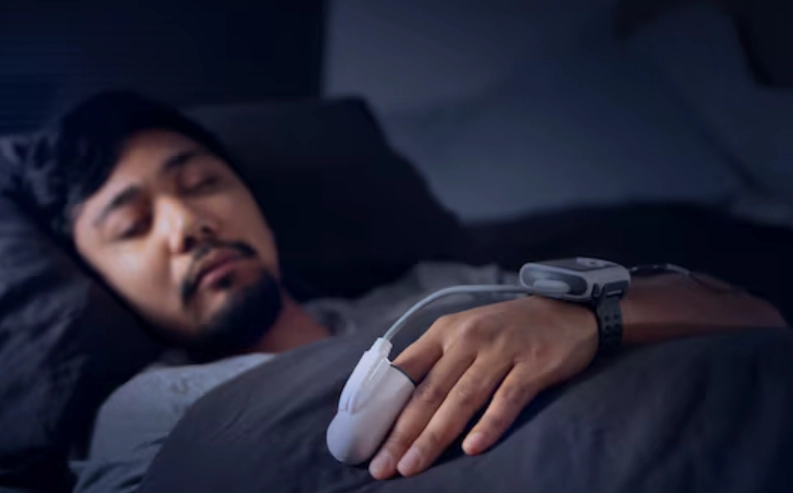
The most accurate way is a clinical sleep study. However, consumer wearables (like Oura Ring, Whoop, or higher-end Fitbits/Garmins) that use heart rate variability and movement can give you a decent estimate of your sleep stages. Don't take the absolute numbers as gospel, but look at trends. If your device consistently shows low deep sleep and you feel terrible, it's a good signal to investigate.
Do naps help with deep sleep?
Early afternoon naps (before 3 PM) of 20-30 minutes are great for alertness and mainly consist of light sleep. They generally don't include much, if any, deep sleep. Long naps late in the day can steal deep sleep pressure from your night, making it harder to fall asleep and get deep sleep later.
Do supplements like magnesium or melatonin help?
Magnesium glycinate can help with relaxation and sleep quality for some people. Melatonin is a hormone that signals "time for sleep" to your brain; it's most useful for shifting circadian rhythms (like jet lag) or for people with delayed sleep phase disorder. It's not a general "sleep deeper" pill. For anything stronger, always consult a doctor. The NIH's National Center for Complementary and Integrative Health has a good fact sheet on melatonin.
Final Thoughts
Look, I get it. Life is busy. Staying up late feels like reclaiming time for yourself. Scrolling in bed is tempting. But understanding what a lack of deep sleep does reframes it all. It's not a trade-off of time for productivity or relaxation. It's a trade-off of short-term time for long-term health, mental clarity, emotional stability, and physical vitality.
You wouldn't deliberately put water in your car's gas tank. Depriving yourself of deep sleep is the biological equivalent. It's sabotaging the very system you need to function.
Start with one thing. Maybe it's a consistent wake time. Maybe it's putting your phone away 45 minutes before bed. See how you feel. The goal isn't perfection, but progress. Your brain and body will thank you for it, not just tomorrow, but for decades to come.
Because really, what does a lack of deep sleep do? It quietly steals the best version of you. And that's worth fighting for.
Reader Comments