Your Sleep Guide Overview
- Why Can't I Sleep? It's More Than Just a Racing Mind
- When Does "Lay in Bed for Hours Can't Sleep Medicine" Become a Valid Option?
- A Look Inside the Medicine Cabinet: What Are You Actually Taking?
- Beyond the Pill: Powerful Strategies When You Lay in Bed for Hours Can't Sleep
- Your Questions, Answered (The Stuff You're Really Searching For)
- Putting It All Together: Your Action Plan
Let's talk about that feeling. The clock ticks past 2 AM, your mind is racing, and your body feels both tired and wired at the same time. You've tried counting sheep, deep breathing, maybe even that "military sleep method" you saw online. Nothing. The frustration builds, and with it, a single thought starts to echo: maybe I need something. Maybe I need medicine. If you've ever searched for "lay in bed for hours can't sleep medicine," you know exactly this crossroads.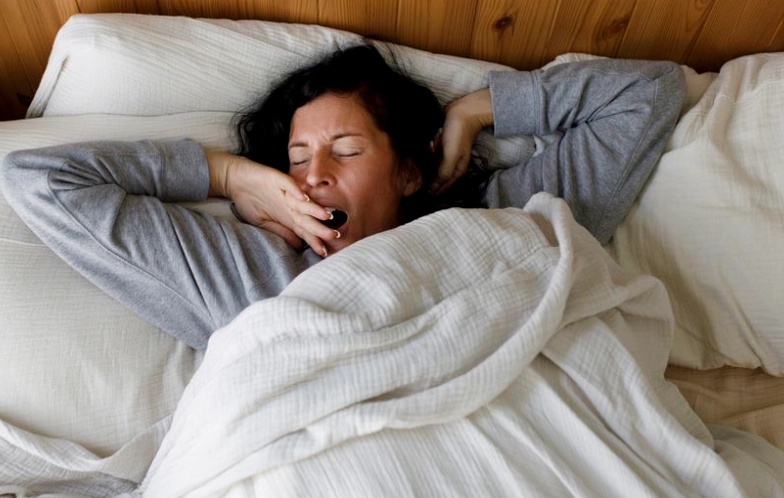
I've been there. Staring at the ceiling, calculating how few hours of sleep I'll get if I fall asleep right now. The anxiety about tomorrow's performance becomes a self-fulfilling prophecy, keeping you awake even longer. It's a brutal cycle.
This guide isn't about scaring you away from sleep aids or blindly promoting them. It's a realistic map of your options. We'll dig into why you might be lying in bed for hours unable to sleep, when medication becomes a sensible consideration, what's actually in that pill bottle, and—most importantly—the powerful, long-term strategies that often work better than any pill. The goal is to give you the information to have an informed chat with your doctor, not to replace that conversation.
Why Can't I Sleep? It's More Than Just a Racing Mind
Before you even think about the medicine aisle, it's worth playing detective. That state of "lay in bed for hours can't sleep" is a symptom, not the disease itself. Pinpointing the cause is half the battle.
Sometimes it's obvious—you drank coffee too late, you're stressed about a work deadline. Other times, it's subtler. Here's a quick list of the usual suspects:
- The Mental Treadmill: Anxiety, stress, and overthinking. This is the big one. Your brain won't shut off the to-do list or replay that awkward conversation from 2017.
- Poor Sleep Hygiene (And No, It's Not Just Brushing Your Teeth): This means your pre-bed routine and environment. Scrolling through doom-filled news on your phone in bed? That's the opposite of sleep hygiene. An irregular sleep schedule, a room that's too warm, or even a uncomfortable mattress fall here.
- Lifestyle Factors: Caffeine (it has a half-life of 5-6 hours!), alcohol (it ruins sleep quality later in the night), nicotine, lack of daytime exercise, or eating a heavy meal too close to bedtime.
- Underlying Conditions: This is where a doctor is crucial. Sleep apnea (you stop breathing briefly), restless legs syndrome, chronic pain, acid reflux, or hormonal shifts can all gatecrash your sleep.
- Conditioned Arousal: This is a sneaky one. Your bed has become a place of anxiety and wakefulness, not rest. Just getting into bed triggers a stress response. You've literally trained your brain to be awake there.
See what I mean? If your root cause is untreated sleep apnea, a sleeping pill is just putting a band-aid on a broken leg.
When Does "Lay in Bed for Hours Can't Sleep Medicine" Become a Valid Option?
Let's be real. There are times when medication is appropriate. The key is using it as a tool, not a crutch.
Think of it this way. If you broke your ankle, you'd use crutches for a short period while the bone heals and you go to physiotherapy. You wouldn't plan to use crutches forever. Sleep medication, particularly for insomnia, should be viewed similarly—a short-term support while you address the underlying causes and build better sleep habits.
Here are scenarios where a doctor might reasonably discuss medication with you:
- Short-term, situational insomnia: A major life event like a bereavement, job loss, or acute stress. A short course can help break the initial cycle of sleeplessness and anxiety.
- As a bridge therapy: While you're starting a longer-term treatment like Cognitive Behavioral Therapy for Insomnia (CBT-I), which is considered the gold standard. The meds can provide some relief as the behavioral therapy takes effect (which can be a few weeks).
- For specific conditions: Like restless legs syndrome or severe anxiety disorders where sleep disruption is a core symptom.
I'll be honest, the idea of needing medicine to sleep used to feel like a personal failure to me. Like I was weak for not being able to "just sleep." Talking to a doctor reframed it. For a period of intense work stress, a limited prescription helped me get out of the catastrophic "I'll never sleep again" mindset. It gave me the calm space to actually start implementing the CBT-I techniques I was learning. Without that break in the cycle, I was too frazzled to make any changes.
A Look Inside the Medicine Cabinet: What Are You Actually Taking?
If you and your doctor decide a sleep aid is appropriate, you should know exactly what you're getting into. The world of "can't sleep at night medicine" is broad, and they work in very different ways.
This table breaks down the common categories. Remember, this is for information—not a prescription guide.
| Type / Common Names (Examples) | How They Generally Work | Key Things to Know & Potential Side Effects |
|---|---|---|
| Prescription: Z-Drugs (Zolpidem, Zaleplon, Eszopiclone) |
Target specific receptors in the brain to promote drowsiness. Designed for sleep onset. | Intended for short-term use (a few weeks). Can cause next-day drowsiness, sleepwalking, or complex sleep behaviors (like sleep-eating or driving—rare but serious). Tolerance can develop. |
| Prescription: Benzodiazepines (Temazepam, Lorazepam) |
Depress the central nervous system, reducing anxiety and inducing sleep. | High risk of dependence, tolerance, and withdrawal. Usually not first-line for pure insomnia anymore due to these risks. Can severely impair memory and coordination. |
| Prescription: Melatonin Receptor Agonists (Ramelteon) |
Mimic your body's natural sleep hormone, melatonin, to regulate your sleep-wake cycle. | Lower risk of dependency or next-day grogginess. Doesn't work for everyone. Good for sleep-onset issues related to circadian rhythm disruptions. |
| Prescription: Orexin Receptor Antagonists (Suvorexant, Lemborexant) |
Block the brain's "wakefulness" signals (orexins) rather than sedating you. | A newer class. Can help with both falling asleep and staying asleep. May cause next-day drowsiness initially. |
| Over-The-Counter (OTC) Antihistamines (Diphenhydramine - Benadryl, Doxylamine) |
Block histamine, a brain chemical involved in wakefulness. They are sedating antihistamines. | Not intended for long-term use. Side effects include next-day grogginess, dry mouth, blurred vision, constipation, and can worsen confusion in older adults. Tolerance develops quickly. |
| Dietary Supplements (Melatonin, Valerian Root, Magnesium) |
Varies widely. Melatonin is a hormone, others are herbal or mineral. | Regulation is less strict than for drugs. Dosage and purity can vary. Melatonin works best for jet lag or shift work, not necessarily for general insomnia. Can interact with other medications. |
Looking at that table, it's clear there's no magic bullet. Every option has trade-offs. The U.S. Food and Drug Administration (FDA) maintains safety information and warnings for prescription sleep aids, which is crucial reading. For supplements, it's a wilder west, but sites like the National Institutes of Health's Office of Dietary Supplements provide fact-based overviews.
The biggest takeaway? The best "lay in bed for hours can't sleep medicine" for you depends entirely on your specific type of insomnia (trouble falling asleep vs. staying asleep), your health history, other medications, and your doctor's assessment. A pill that works wonders for your friend could leave you feeling like a zombie or do nothing at all.
Beyond the Pill: Powerful Strategies When You Lay in Bed for Hours Can't Sleep
Okay, here's the part that often gets less attention but is arguably more important for long-term peace. What do you do instead of, or alongside, considering medication? These are the skills that build sleep resilience.
1. Master Your Sleep Environment & Routine (Sleep Hygiene 2.0)
Forget the basic advice. Let's get specific.
- Light is Public Enemy #1: Blue light from screens suppresses melatonin. Use night modes, but better yet, stop using phones/tablets 60 minutes before bed. Consider dim, warm-toned bulbs in your bedroom and bathroom.
- Temperature Matters: Most people sleep best in a cool room, around 65°F (18.3°C). A hot room can cause fragmented sleep.
- The Bed is for Sleep (and Sex) Only: No working, no eating, no worrying in bed. You need to break the association between bed and wakefulness. If you're lying there for more than 20-30 minutes feeling awake and frustrated, get up. Go to another room and do something quiet and boring (read a physical book, listen to a dull podcast) until you feel sleepy. Then return to bed. This is called stimulus control, and it's a cornerstone of CBT-I.
- Wind-Down Ritual: Create a 30-60 minute buffer zone before bed. This could be light stretching, a warm shower (the subsequent drop in body temperature promotes sleep), listening to calming music, or a mindfulness practice.
2. Tackle the Racing Mind Directly
When your brain won't shut off, you need to give it an outlet.
- The "Worry Journal": 30-60 minutes before bed, take 10 minutes to write down everything on your mind—tasks, anxieties, ideas. The act of putting it on paper tells your brain, "It's noted, we can deal with this tomorrow."
- Guided Meditation & Body Scans: Apps or YouTube channels offer guided sessions specifically for sleep. They direct your focus away from thoughts and into bodily sensations, which can be incredibly effective. It's a skill that improves with practice.
- 4-7-8 Breathing: Inhale quietly through your nose for 4 seconds. Hold your breath for 7 seconds. Exhale completely through your mouth for 8 seconds. Repeat 3-4 times. It acts as a natural nervous system tranquilizer.
These aren't quick fixes. They're practices. Some nights they'll work like a charm, other nights your mind will still rebel. Consistency is the key.
3. The Long Game: Building a Sleep-Proof Lifestyle
This is about fixing the foundation so you're less likely to end up in that "lay in bed for hours can't sleep" panic in the first place.
- Daylight Exposure: Get bright light, preferably sunlight, within 30-60 minutes of waking. This resets your circadian clock more powerfully than anything else.
- Move Your Body (But Not Too Late): Regular exercise significantly improves sleep quality. However, intense exercise too close to bedtime can be stimulating for some people.
- Manage Caffeine & Alcohol: A hard cutoff for caffeine by 2 PM is a good rule. And while alcohol might make you fall asleep faster, it dramatically disrupts the second half of your sleep cycle, leading to non-restorative sleep. It's a terrible long-term sleep aid.
- Consider Professional Therapy (CBT-I): I can't stress this enough. Cognitive Behavioral Therapy for Insomnia is the most effective long-term treatment for chronic insomnia. It's a structured program that combines the techniques above (stimulus control, sleep restriction, cognitive therapy) to retrain your sleep patterns and thoughts about sleep. Organizations like the American Academy of Sleep Medicine have resources to find accredited providers.
"The goal of treating insomnia shouldn't just be to increase sleep time, but to improve sleep quality and reduce the distress about sleep." This mindset shift, often part of CBT-I, is huge. It takes the pressure off.
Your Questions, Answered (The Stuff You're Really Searching For)
For most prescription sleep aids, yes, nightly long-term use is not advised. It leads to tolerance (needing more), potential dependence, and can mask underlying issues. OTC sleep aids like diphenhydramine are also not for chronic use due to side effects and anticholinergic burden. The exception might be certain newer prescriptions or supplements under a doctor's specific, ongoing guidance.
First, don't take another one. That's dangerous. The medicine might need more time to work, or it might not be the right one for you. The anxiety about it not working can be more stimulating than the pill is sedating. Try to get up and do the boring activity trick mentioned earlier. Bring this up with your doctor—they may need to adjust the dose or type.
"Safer" is relative. They are generally lower risk than prescription drugs in terms of dependency, but they are not without issues. Melatonin can cause vivid dreams or morning grogginess, and its quality is unregulated. Valerian root can interact with some medications (like sedatives or blood thinners) and smells terrible. They can be helpful for some people, but you should still discuss them with a healthcare provider, especially if you have other health conditions or take medications. The Sleep Foundation has unbiased overviews of many common sleep supplements.
This is called sleep maintenance insomnia. Some medications, like the orexin antagonists (Suvorexant) or extended-release forms of others (like Zolpidem ER), are specifically designed to help with this. However, behavioral strategies are critical here too: avoiding clock-watching, not turning on bright lights if you get up, and using relaxation techniques if you wake up.
Dependence (your body adapting to the drug) is a risk with many prescription sleep aids, especially benzodiazepines and Z-drugs if used improperly or long-term. This is why doctors emphasize short-term, intermittent use and taper you off slowly. The fear of addiction is valid, which is why using medication as a short-term tool within a broader plan is the smartest approach.
Putting It All Together: Your Action Plan
So, you're tired of the "lay in bed for hours can't sleep medicine" dilemma. Where do you start tomorrow?
- Track It: For one week, keep a simple sleep log. Note bedtime, wake time, estimated sleep time, caffeine/alcohol intake, and stress levels. Patterns will emerge.
- Optimize Your Basics: Pick ONE thing from the Sleep Hygiene 2.0 section. Maybe it's a strict screen curfew or cooling your bedroom. Nail that for a week.
- Schedule the Talk: If your log shows a persistent problem, make an appointment with your doctor. Take your log with you. Be specific: "I lie awake for over an hour, 5 nights a week, and it's affecting my work." Ask about both medication options and a referral to a sleep specialist or therapist trained in CBT-I.
- Reframe Your Goal: Shift from "I must get 8 hours" to "I will allow my body to rest." The pressure to sleep is often the very thing preventing it.
The journey out of chronic sleeplessness is rarely a straight line. Some nights you'll win, others you'll feel like you're back at square one. The point is to build a toolkit—a mix of understanding, behavioral strategies, and, if necessary, judicious short-term medical support—so that "lay in bed for hours can't sleep" stops being a nightly crisis and becomes an occasional, manageable blip.
You deserve restful sleep. It might take some work to reclaim it, but it's absolutely possible.
Reader Comments