Quick Navigation
Let's be honest. You finally get the chance to crash for a solid twelve hours. The alarm is off, the world is quiet, and you're out like a light. You wake up expecting to feel like a superhero, refreshed and ready to conquer the day. Instead, you're dragging. Your head is foggy, your body feels heavy, and you're more tired than when you went to bed. What gives?
Is it normal to be tired after 12 hours of sleep? That's the million-dollar question you typed into Google, and I'm here to tell you, straight up, that it's a sign you shouldn't ignore. It's your body's way of waving a big, red flag. It's not about being lazy or not wanting to get up. Something is off with your rest, and figuring out what that is can be a game-changer.
The Short Answer: No, it's not normal or healthy to consistently need 12 hours of sleep and still feel exhausted upon waking. While an occasional long sleep after intense physical or mental strain can happen, chronic oversleeping paired with fatigue points to deeper issues with sleep quality or underlying health.
I remember a period in my life, maybe a few years back during a really stressful project, where I'd sleep forever on weekends. I'm talking 11, 12 hours easy. And I'd wake up feeling absolutely terrible—groggy, disoriented, and with a headache that wouldn't quit. I just assumed I was "catching up." Turns out, I was doing the exact opposite. I was throwing my entire sleep-wake cycle into chaos.
Sleep Quantity vs. Sleep Quality: The Real Game
This is the core concept most people miss. We're obsessed with the number on the clock. Did I get 8 hours? Did I get 10? But that number is almost meaningless if the quality of those hours is poor.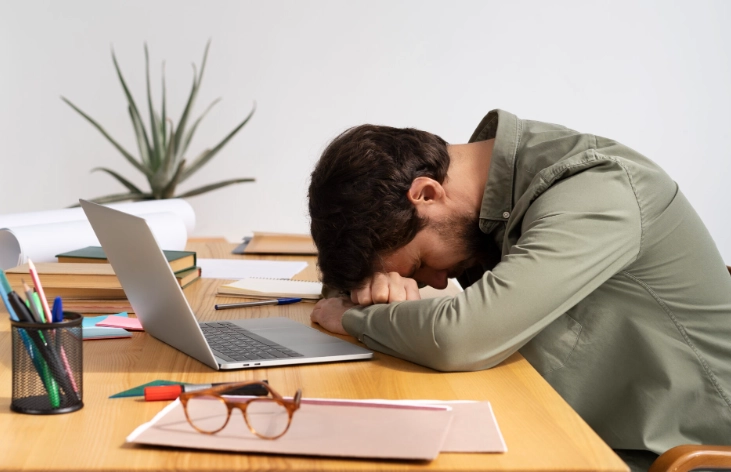
Think of it like eating. You could eat a huge bowl of plain, white rice (12 hours of sleep). It fills you up (you're unconscious), but it provides almost no nutritional value (restorative sleep). Or, you could eat a smaller, balanced meal with protein, veggies, and good fats (7-9 hours of high-quality sleep). Which one leaves you feeling energized and nourished?
Sleep quality is about what happens during those hours. Are you cycling properly through the different stages of sleep, especially deep sleep (slow-wave sleep) and REM (rapid eye movement) sleep? These stages are crucial for physical repair, memory consolidation, and emotional regulation. If something is disrupting these cycles—even if you're not fully waking up—you're not getting the benefits.
If you're constantly asking yourself, "Is it normal to be tired after 12 hours of sleep?" you're likely experiencing fragmented sleep. This means you're having frequent, tiny awakenings throughout the night (sometimes so brief you don't remember them) that prevent you from sinking into and maintaining those deep, restorative stages.
Top Reasons You're Tired After a Marathon Sleep
Let's break down the usual suspects. It's rarely just one thing.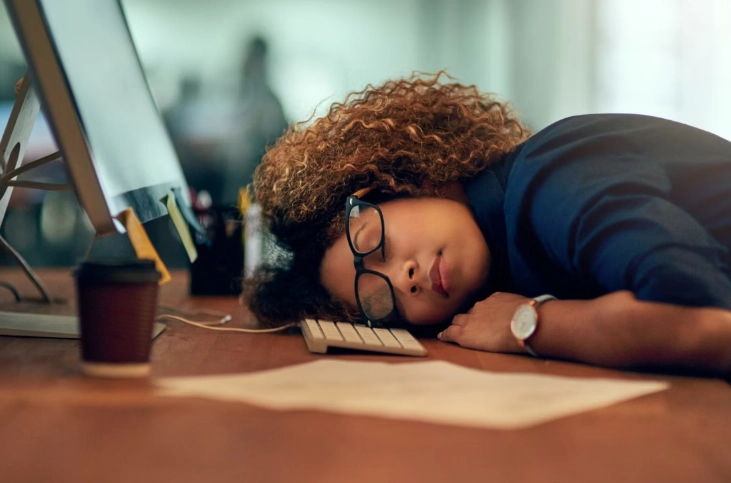
The Usual Suspects for Oversleeping Fatigue:
- Sleep Apnea: This is a big one. Your breathing repeatedly stops and starts during the night. Each pause (apnea) triggers a mini-arousal to restart breathing, destroying your sleep architecture. You might think you slept through the night, but your brain was on constant red alert. The result? Daytime exhaustion, no matter how long you're in bed. The National Heart, Lung, and Blood Institute has detailed resources on this.
- Poor Sleep Hygiene: This is a fancy term for your bedtime habits. Scrolling your phone in bed, an irregular sleep schedule, consuming caffeine or alcohol too late, sleeping in a hot or noisy room—all of these sabotage sleep quality.
- Sleep Inertia (The Grogginess Amplifier): We all feel a bit groggy right after waking. But when you oversleep, you can wake up from a deep sleep stage, making that inertia much worse and longer-lasting. It feels like you're swimming through mud.
- Underlying Health Conditions: Fatigue is a common symptom for many conditions. Thyroid issues (like hypothyroidism), anemia, depression, anxiety, chronic fatigue syndrome, and even certain nutrient deficiencies (like Vitamin D or B12) can make you feel perpetually drained and crave more sleep. The Mayo Clinic's page on fatigue causes lists many of these medical reasons.
- Your Sleep Cycle is Out of Whack: Sleeping 12 hours on weekends after getting 6 hours during the week creates what's called "social jet lag." You're essentially giving yourself constant jet lag, confusing your body's internal clock (circadian rhythm).
See what I mean? It's a complex puzzle. The question "is it normal to be tired after 12 hours of sleep" opens a door to looking at your overall health and habits.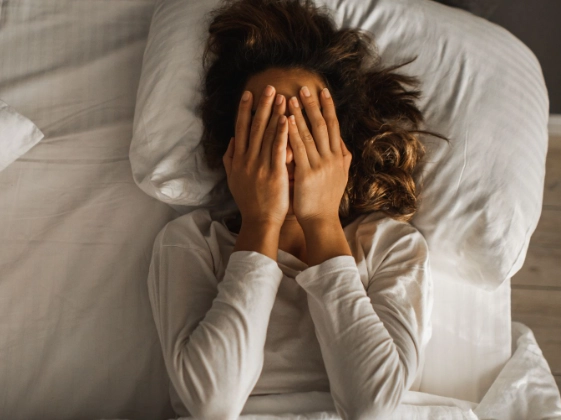
Breaking the Cycle: How to Actually Wake Up Refreshed
Okay, enough with the problems. Let's talk solutions. This isn't about quick fixes; it's about building sustainable habits that train your body to rest efficiently.
First, you need to become a sleep detective. Keep a simple sleep log for a week or two. Note bedtime, wake time, estimated sleep hours, how you felt in the morning, caffeine/alcohol intake, and stress levels. Patterns will emerge.
| Common Mistake | Why It Makes You Tired | Better Alternative |
|---|---|---|
| Sleeping in wildly on weekends | Disrupts circadian rhythm, causes social jet lag, leads to Sunday insomnia. | Try to keep your wake-up time within 60-90 minutes of your weekday time, even on weekends. |
| Hitting snooze repeatedly | Fragments the end of your sleep with light, non-restorative sleep, prolonging sleep inertia. | Place your alarm across the room. Get up on the first ring and expose yourself to bright light immediately. |
| Using the bed for everything (work, TV, phone) | Weakens the mental association between your bed and sleep. | Reserve your bed for sleep and intimacy only. Make it a sanctuary for rest. |
| Assuming more time in bed = better sleep | Can lead to more fragmented, light sleep and increased fatigue (a counterintuitive but real effect). | Focus on a consistent 7-9 hour window. If you lie awake for >20 minutes, get up and do something calm in dim light until sleepy. |
That last point in the table is crucial. Spending excessive time in bed trying to force sleep can actually create insomnia and anxiety around sleep. It's a vicious cycle.
A Non-Negotiable Tip:
Get Morning Light. Within 30 minutes of waking, get 10-15 minutes of natural sunlight (or a bright light therapy lamp in winter). This is the most powerful signal to your brain that the day has started. It shuts off melatonin production and helps regulate your rhythm for the next 24 hours. Do this even on cloudy days. It's a simple trick with massive impact.
Now, about exercise. Yes, it helps, but timing matters. Regular exercise improves sleep quality dramatically, but vigorous exercise too close to bedtime can be stimulating for some people. Find your sweet spot—maybe a morning walk or an afternoon workout.
When to Talk to a Doctor or Sleep Specialist
Let's be clear. If you've tried improving your sleep hygiene consistently for a few weeks and you're still constantly exhausted, even after long sleeps, it's time for professional help. This is not a personal failing.
You should see a doctor if, along with being tired after 12 hours of sleep, you experience:
- Loud, chronic snoring, especially with gasping or choking sounds (a hallmark of sleep apnea).
- Persistent low mood, anxiety, or loss of interest in things you used to enjoy.
- Unexplained weight changes, hair loss, or feeling cold all the time (thyroid flags).
- Overwhelming fatigue that doesn't improve with rest at all.
A doctor can order blood tests to check for deficiencies or thyroid function. For suspected sleep apnea or other sleep disorders, they may refer you for a sleep study (polysomnography). This is where you spend a night in a lab hooked up to monitors that track your brain waves, breathing, heart rate, and movements. It sounds intimidating, but it's the gold standard for diagnosing what's happening during your sleep. The American Academy of Sleep Medicine is a great resource to find accredited sleep centers and understand the process.
I know the idea of a sleep study can seem like overkill. "I just sleep too much," you might think. But trust me, getting an answer is liberating. Knowing whether it's sleep apnea, a circadian rhythm disorder, or something else gives you a clear path forward.
Answering Your Burning Questions
Let's tackle some specific questions that might be swirling in your head. These are the things people really want to know but are sometimes afraid to ask.
So, is it normal to be tired after 12 hours of sleep? Let's settle this once and for all.
The Final Word on Long Sleep and Low Energy
Listen to your body. It's smarter than any fitness tracker or sleep app. That crushing fatigue after a marathon sleep session is a signal, not a character flaw. It's telling you that the *system* of your sleep is broken, not that you need more of the same broken sleep.
The path to feeling better starts with accepting that more time in bed isn't the answer. It's about investigating the quality of that time. Start with the basics: lock down a consistent wake-up time, seek morning light, wind down properly, and make your bedroom a cave (cool, dark, and quiet). If those steps don't move the needle, don't hesitate to loop in your doctor.
Waking up feeling refreshed shouldn't feel like a lottery win. It should be the standard. By understanding why you're tired after 12 hours of sleep, you're taking the first step out of the fog and towards days that start with energy, not exhaustion.
It's a journey, and it might take some tweaking, but the payoff—having your energy and clarity back—is worth every bit of effort.
Reader Comments